

Italy has a wonderful reason to celebrate: its national cuisine has become the first comprehensive culinary style to be recognized by UNESCO, the United Nations' cultural agency. The decision to designate Italian cuisine as an intangible cultural heritage was confirmed by Italian Prime Minister Giorgia Meloni on Wednesday, ahead of an expected announcement from UNESCO. "We are the first in the world to receive this recognition, which honors our people and our identity," she said. "Because, for Italians, cuisine is not just food or a collection of recipes. It is much more than that; it is culture, tradition, work, and wealth."
This status marks the successful conclusion of a three-year campaign by the Italian Ministry of Agriculture to recognize the nation's traditional methods of growing, harvesting, processing, and serving food. "Cooking in Italy is not simply a matter of nutrition, but a complex and multi-layered daily activity," Pier Luigi Petrillo, one of the Italian proponents, stated in the initial document.
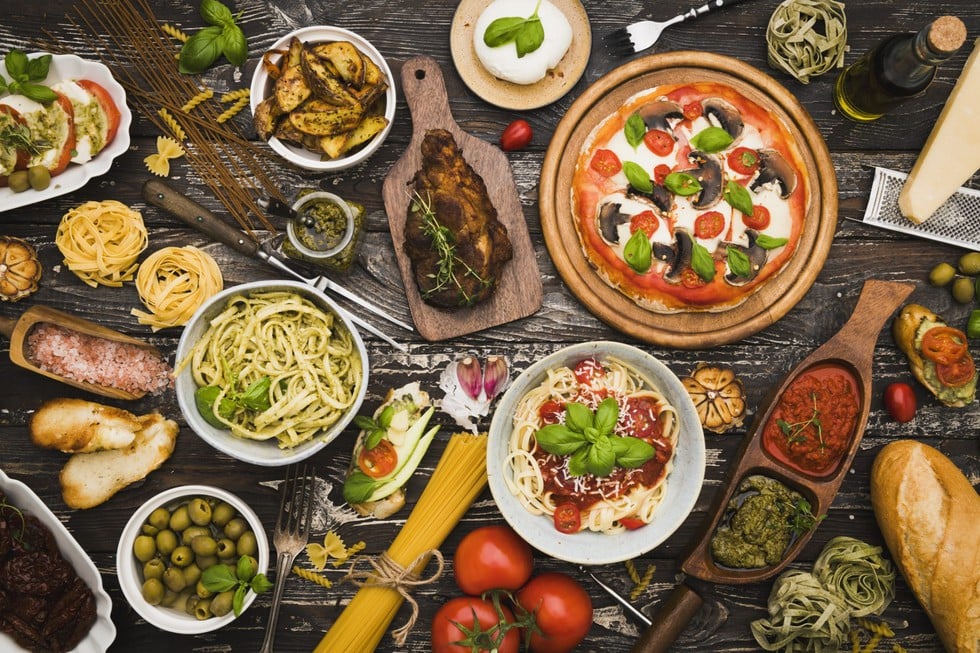
Italian cuisine has spread globally, famous for its pizza and pasta. PHOTO: REUTERS
This comes as Italy continues its fight against "fake" food, including a recent complaint to the European Parliament after pre-packaged jars of carbonara appeared on store shelves. Italy has also battled the production of counterfeit olive oil and the use of Italian-sounding names for products not made in Italy.
Agriculture Minister Francesco Lollobrigida said the UNESCO recognition would help protect the culinary heritage from abusive practices in processing. "The recognition is a source of pride and also raises awareness of the added value that our products, territories and supply chains will enjoy," Lollobrigida said in a statement.
Italy exports €70 billion worth of agricultural products and is a leading economy in Europe in terms of agricultural value added. Previous contributions to the list of intangible cultural heritage include hand-ringing (2024), opera singing (2023), truffle hunting and harvesting (2019), Neapolitan pizza makers (2017), and large shoulder processions (2013).
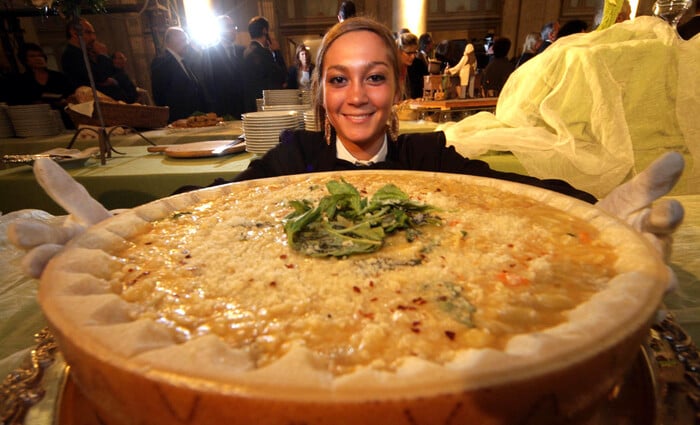
PHOTO: ANSA
In its submission to UNESCO, Italy argued that the country's "vibrant culinary landscape" reflects its biodiversity and cultural diversity, and that its cuisine adheres to sustainability, seasonality, and waste-free recipes, which adds to its uniqueness. The submission also pointed out that the transmission of family traditions through generations creates an emotional connection to food.
Source: https://thanhnien.vn/lan-dau-tien-tren-the-gioi-nen-am-thuc-cua-mot-quoc-gia-tro-thanh-di-san-nhan-loai-185251211064334859.htm





































































































Comment (0)