

Xen Lau Festival It is practiced in many communities where the Black Thai people live in Yen Chau district, now the communes of Yen Chau, Chieng Hac, Yen Son, Son La province.
This is home to a large concentration of Black Thai people - a local Thai branch - with a traditional Muong village system, whose livelihoods include rice cultivation, animal husbandry and traditional handicrafts.
The Xen Lau Festival has been included in the List of National Intangible Cultural Heritage by the Minister of Culture, Sports and Tourism in Decision No. 2213/QD-BVHTTDL dated June 27, 2025.
Unique ritual associated with folk beliefs and gratitude to "father and god"
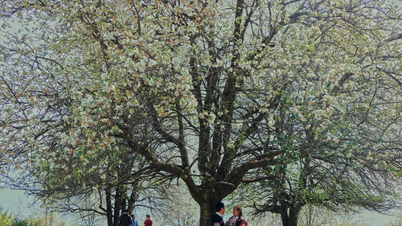
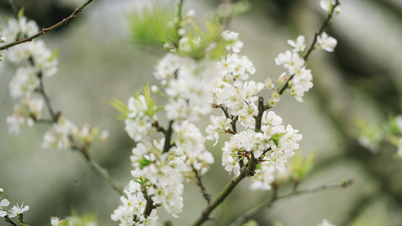
According to the documents of the Department of Cultural Heritage, when the Ban flowers and rice flowers bloom white in the forest and the bitter bamboo shoots begin to sprout, signaling the coming of Spring, it is also the time when the Shaman and his adopted children eagerly prepare offerings and make cotton trees to hold the Xen Lau No ceremony at Mo Mot's house.
Mo Mot is a man who has the ability to heal the Black Thai community through traditional religious practices. Those who are cured by him become his adopted children, called “luk lieng” in the Black Thai language.
On the occasion of the Xen Lau No festival, the adopted children will return to Mo Mot's house together to thank their ancestors, gods and especially to show their gratitude to "father mo" - the person who saved the villagers from illness and disaster.
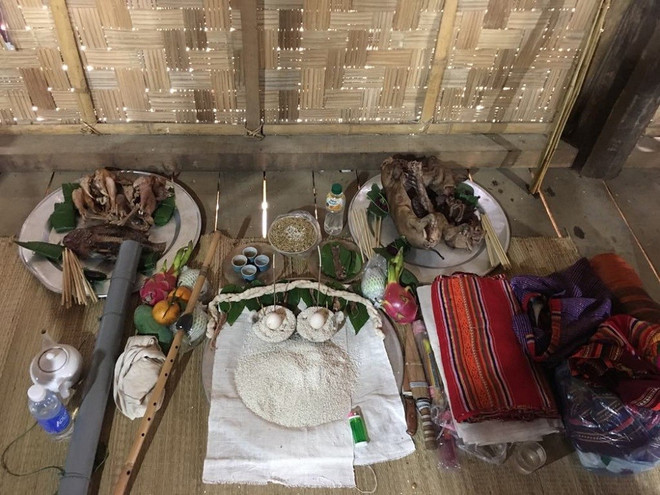
The Xen Lau Ceremony usually lasts for 3 days, but the scale and duration may vary depending on the number of people cured by Mo Mot. After choosing an auspicious day, Mo Mot informs his adopted children, relatives and villagers to prepare and arrange time to attend the ceremony.
Preparations usually take place weeks before the main ceremony. Mo Mot sends people into the forest to find bitter bamboo shoots, pick Ban flowers, Horse flowers, Pip flowers, and Moc trees, and cut bamboo to make cotton trees - called "Xang Bok" in the Black Thai language. The cotton trees are skillfully crafted by Black Thai men, shaped to represent animals, money, Mon flowers, beehives, dragon nests, bird nests, etc. These images represent fertility, growth, and the connection between the earthly world and the spiritual world.
The flowers on the “xang bok” tree also symbolize gratitude to Mo Mot and the gods who have blessed the community in the past year. The Black Thai believe that through this flower tree, the gods will continue to bless, bringing peace, warmth and prosperity in the new year.
On the first day, Mo Mot held a ceremony to ask for permission from his ancestors and gods to hold the ceremony. After the offering, he signaled his adopted children to erect a "xang bok" tree.
On the second day, after Mo Mot's family finished arranging the offerings on the ancestral altar and the profession's founder's altar, the adopted children took turns offering their offerings, which were placed along the wall of the house.
Mo Mot and two assistant mos perform the main rituals including: the ceremony to invite the gods (Pong phi mot), the ceremony to invite the gods to enjoy the offerings (An pan), the ceremony to worship ancestors (Tam phi huong), the ceremony to worship the village's tutelary god (Dong tu xuaa), and the ceremony to worship adopted children (Tam khuon luk lieng).
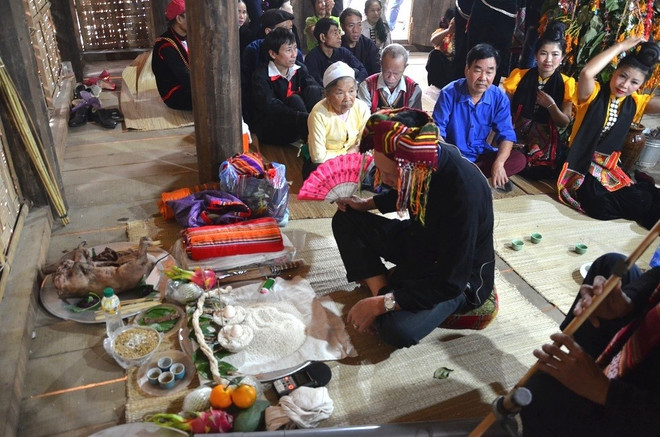
Each ceremony has its own prayer, performed by Mo Mot with solemn language, using sacred objects, combined with folk dances and performances such as "xang bok" xoe, egg-eating xoe, ghost-chasing xoe, scarf dance, vegetable-picking dance, monkey-climbing-tree-playing, bee-stinging, lullabies... creating a sacred atmosphere but also imbued with folk cultural identity.
On the third day, Mo Mot and his assistants perform the ceremony to send the gods to heaven (xong mot), marking the end of the festival.
After the ceremony, everyone danced, picked buds, and tied scarves around the “xang bok” tree to keep the souls of the participants from following the gods to heaven. This ritual has profound humanistic meaning, demonstrating community cohesion and belief in the protection of the gods, praying for a peaceful and prosperous life.
Community cultural living space rich in art and aesthetics
Xen Lau Festival is one of the typical cultural features of the Black Thai people, not only having spiritual significance but also being a rich cultural and artistic space.
The festival brings together all the elements of folk performing arts such as music, dance, prayers, performances, costumes, decorations and handicrafts. All are carefully prepared, solemnly organized with a high spirit of volunteerism and community spirit, demonstrating the solidarity and unity between clans, villages and generations.
Xen Lau Festival It contains profound cultural values of the Black Thai people, expressing the tradition of "remembering the source of water when drinking water," gratitude to ancestors, gods and especially Mo Mot - the person who cured and saved the villagers.
Through rituals, prayers, ancient xoe dances and folk performances, the festival contributes to preserving and teaching traditional historical and cultural values; at the same time, educating the younger generation about filial piety, working spirit and love for homeland and country.
Besides its spiritual value, the Xen Lau Festival is also a space for community cultural activities rich in art and aesthetics. This is a folk performance environment, contributing to the preservation and promotion of other intangible cultural heritages of the Black Thai people such as music, xoè dance, costumes, cuisine and decorative items such as the “xang bok” tree - symbolizing the creativity and refined aesthetic taste of the community.
The Xen Lau No Festival of the Black Thai people in Son La province is therefore not only a ritual to pray for peace and thank the Shaman, but also a symbol of solidarity, an opportunity for the community to work together to cultivate, spread and preserve the humanistic values and unique cultural identity of the Black Thai people./.
Source: https://www.vietnamplus.vn/le-xen-lau-no-net-van-hoa-dac-sac-cua-nguoi-thai-den-o-tinh-son-la-post1075013.vnp
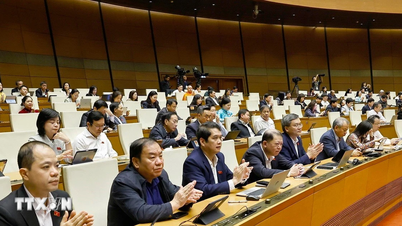
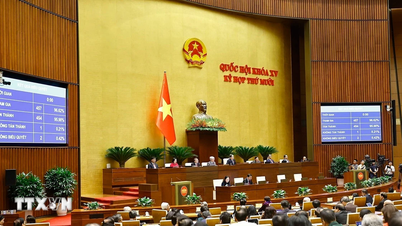
![[Photo] Closing Ceremony of the 10th Session of the 15th National Assembly](/_next/image?url=https%3A%2F%2Fvphoto.vietnam.vn%2Fthumb%2F1200x675%2Fvietnam%2Fresource%2FIMAGE%2F2025%2F12%2F11%2F1765448959967_image-1437-jpg.webp&w=3840&q=75)





































![[OFFICIAL] MISA GROUP ANNOUNCES ITS PIONEERING BRAND POSITIONING IN BUILDING AGENTIC AI FOR BUSINESSES, HOUSEHOLDS, AND THE GOVERNMENT](https://vphoto.vietnam.vn/thumb/402x226/vietnam/resource/IMAGE/2025/12/11/1765444754256_agentic-ai_postfb-scaled.png)




































Comment (0)