

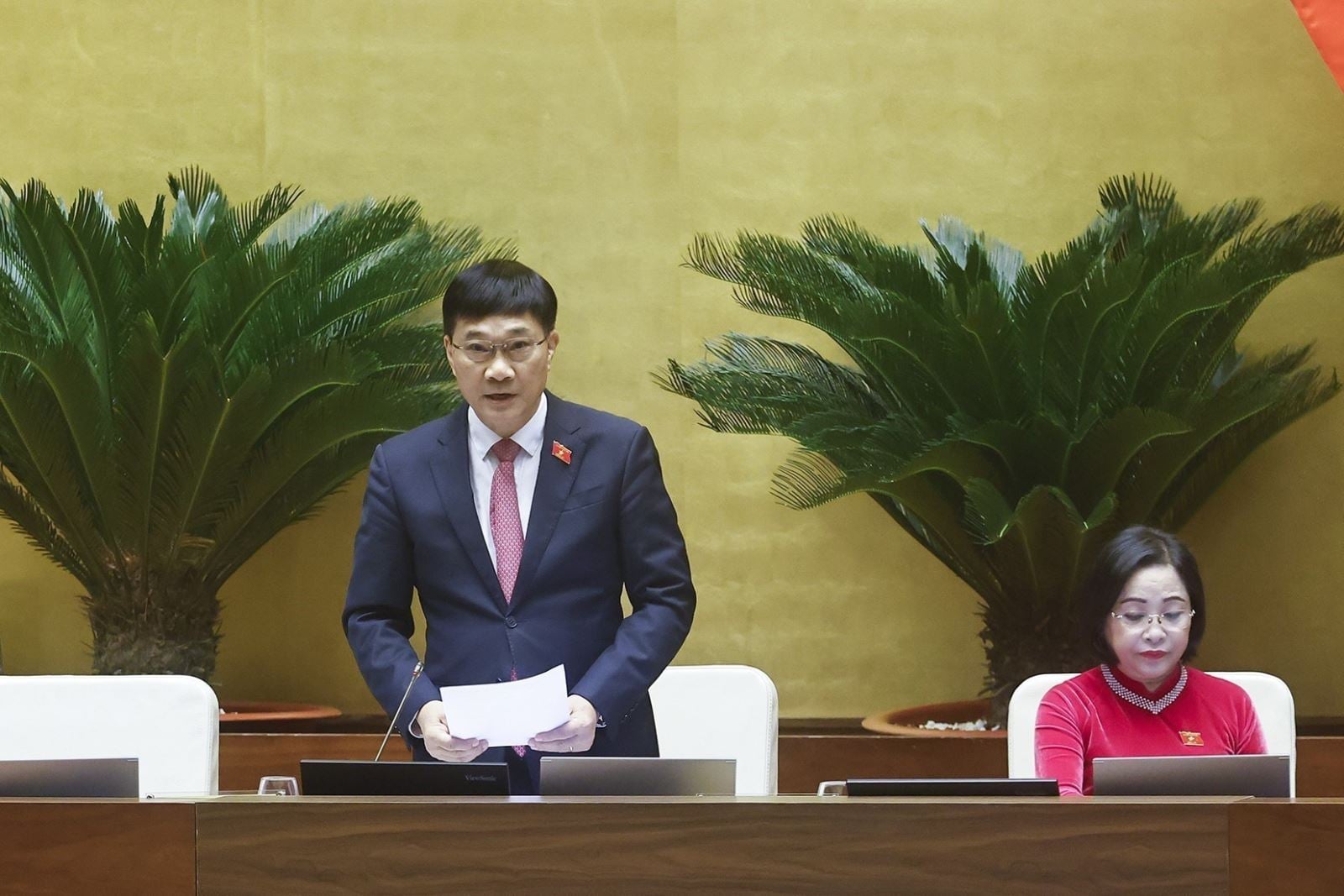
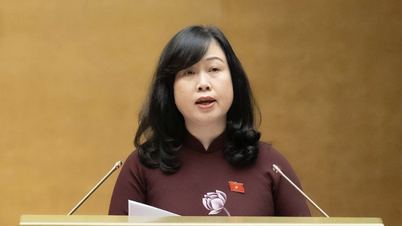
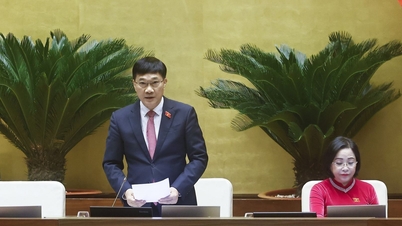
Deputy Speaker of the National Assembly Vu Hong Thanh presides over the morning session on December 11, 2025. Photo: Doan Tan/TTXVN
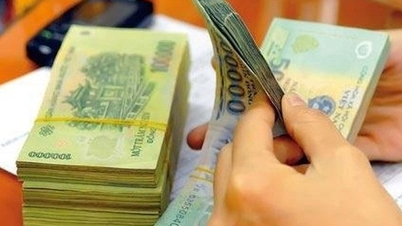
The total funding for the Program is approximately 423,000 billion VND.
According to the draft Resolution of the National Assembly, the overall objective of the Program is to build modern, prosperous, beautiful, distinctive, and sustainable new rural areas, linked to urbanization and adaptation to climate change. It aims for comprehensive development of ethnic minority and mountainous regions. It seeks to implement multidimensional, inclusive, and sustainable poverty reduction, ensuring gender equality and social security. The program also aims to develop the rural economy in a green, circular, and ecological direction, linked to restructuring the agricultural sector to improve income, quality of life, and narrow development gaps between regions, areas, and population groups, especially ethnic minority and mountainous regions, compared to other regions. Furthermore, it seeks to strengthen national unity, enhance the trust of ethnic minorities in the Party and the State, preserve and promote the beautiful cultural identity of ethnic minority communities, and ensure national defense, security, and social order, especially in strategic, border, and island areas.
Specific targets for 2030 include striving to increase the average income of rural residents by 2.5-3 times compared to 2020; striving to increase the average income of ethnic minorities to half the national average. Striving to maintain a national reduction in the multidimensional poverty rate of 1-1.5% per year; striving to reduce the multidimensional poverty rate in ethnic minority and mountainous areas to below 10%. Striving to essentially eliminate extremely difficult communes and villages in ethnic minority and mountainous areas. Striving for approximately 65% of communes nationwide to meet the new rural development standards, of which about 10% of those communes are recognized as modern rural communes; striving for 5 provinces and cities to be recognized as having completed the new rural development task.
By 2035, the goal is to increase per capita income in rural areas by at least 1.6 times compared to 2030; and to increase the average income of ethnic minorities to half of the national average. The multidimensional poverty rate nationwide will maintain a reduction of 1 to 1.5% per year according to the poverty standard for the 2031-2035 period. The aim is to reduce the number of disadvantaged communes and villages in ethnic minority and mountainous areas by at least 50%; and to have 5 provinces and cities in ethnic minority and mountainous areas with no disadvantaged communes or villages. The goal is for approximately 85% of communes nationwide to meet the new rural development standards, with about 30% of those communes being recognized as modern new rural communes. The goal is to have at least 10 provinces and cities recognized as having completed the task of building new rural areas, with the aim of having 5 provinces and cities achieve the status of modern new rural areas.
Scope and beneficiaries: The program will be implemented nationwide, prioritizing particularly disadvantaged communes and villages, ethnic minority and mountainous areas, security zones, border regions, and islands. Beneficiaries include communes, villages, individuals, communities, cooperatives, partnerships, businesses, and other relevant organizations nationwide, with priority given to poor households, near-poor households, newly-escaped-poverty households, ethnic minority and mountainous areas, security zones, border regions, and islands. The implementation period is from 2026 to 2035. The total state budget allocated to the program for the 2026-2030 period is approximately 423,000 billion VND.
Specific mechanisms and policies in implementing the Program
The National Assembly decides on the allocation of central government budget expenditures; the Prime Minister assigns the budget estimates and plans to ministries, central agencies, and localities according to the total capital of the Program (details of investment and recurrent expenditures). Provincial People's Councils decide or delegate to commune-level People's Councils the decision on detailed allocation to specific content, activities, expenditure areas, and list of public investment projects of the Program according to the State budget allocation norms decided by the provincial People's Councils.
Ministries, central agencies, People's Committees at all levels, and state budget-using units at all levels shall decide on the adjustment of funds and capital (including expenditures allocated in the annual budget and expenditures carried over from the previous year as prescribed) from contents and activities whose expenditure tasks have been completed to implement other contents and activities under the Program, ensuring that the total amount does not exceed the allocated limit and does not change the structure of investment and recurrent expenditures already assigned by competent authorities.
For the State budget funds for 2025 (including funds from 2021, 2022, 2023, and 2024 that have been carried over to 2025) of the three national target programs: New Rural Development, Sustainable Poverty Reduction, and Socio-Economic Development of Ethnic Minority and Mountainous Areas, which have not been disbursed in 2025 and are allowed by competent authorities to be extended until December 31, 2026: Ministries, central agencies, People's Committees at all levels, and State budget-using units at all levels may decide to adjust funding from completed expenditure items and activities to implement other items and activities, ensuring that the total amount does not exceed the allocated amount and does not change the structure of investment and recurrent expenditure of each national target program assigned by competent authorities.
In the event that there are no unfinished tasks under the content and activities of each national target program for the 2021-2025 period mentioned above, the remaining funds and capital may be used to implement the contents, tasks, and investment projects under the Program for the 2026-2030 period.
The draft Resolution of the National Assembly states: The Government is tasked with issuing regulations on specific mechanisms for managing and utilizing assets formed within production development support projects; allowing project owners of production development projects to independently procure goods; and organizing the implementation of small-scale construction investment projects with simple technical characteristics and public participation. For other specific mechanisms under the authority of the National Assembly, the Government shall submit them to the Standing Committee of the National Assembly for consideration and decision.
Source: https://baotintuc.vn/thoi-su/quoc-hoi-tan-thanh-cao-ve-chu-truong-dau-tu-chuong-trinh-muc-tieu-quoc-gia-20251211091516523.htm







































































Comment (0)