

The number of infections is increasing, and a strain of Enterovirus 71 causing severe illness has emerged.
According to the Ho Chi Minh City Center for Disease Control (HCDC), hand, foot, and mouth disease is an acute viral infection transmitted through the digestive tract, commonly affecting young children and capable of causing large outbreaks. According to the infectious disease surveillance system, the number of hand, foot, and mouth disease cases fluctuates continuously, tending to increase sharply in week 15, then decreasing until week 19, before rising again in week 21.
Hospitals in Ho Chi Minh City are also receiving many cases transferred from other provinces, including some fatalities. This indicates that the hand, foot, and mouth disease outbreak has the potential to become severe. Therefore, prevention and control of hand, foot, and mouth disease need to be given special attention.
In week 21 alone, 157 cases of hand, foot, and mouth disease were recorded, a 47% increase compared to the average of the previous four weeks, with inpatient cases increasing by 22% and outpatient cases by 52%.
In addition, microbiological surveillance results regarding the causative agent of hand, foot, and mouth disease have also recorded cases positive for Enterovirus 71. Hand, foot, and mouth disease is mainly caused by the Enterovirus group of enteroviruses, the two most common being Coxsackie A16 and Enterovirus 71 (EV71). Of these, EV71 causes many dangerous complications.
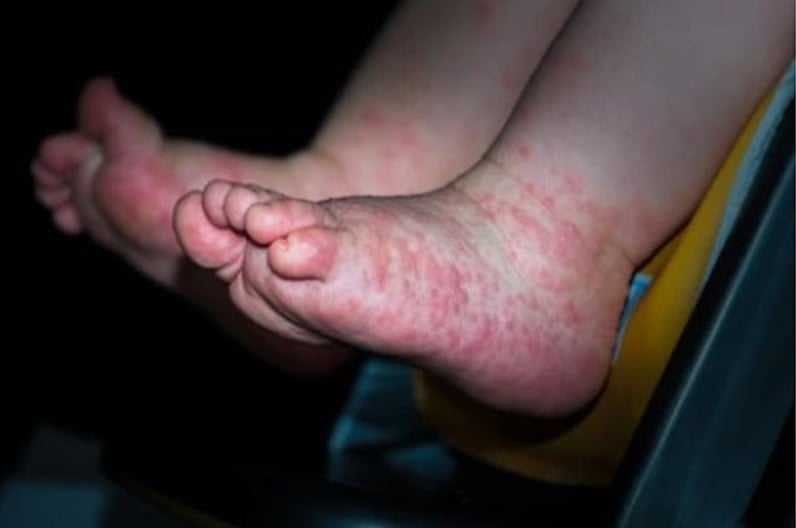
Red rashes in children with hand, foot, and mouth disease.
The "three clean" principle helps prevent disease.
To prevent hand, foot, and mouth disease, the health sector recommends following the "three clean" principle: clean food and drink, clean living environment, and clean hands and toys. Adherence to five key prevention measures includes:
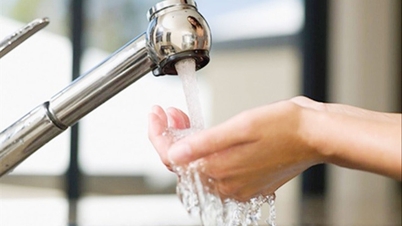
First, wash your hands frequently with soap.
Secondly, practice good food hygiene and ensure the use of clean water in daily life.
Third, clean the surfaces and items that children come into contact with daily, such as toys, school supplies, doorknobs, stair railings, tabletops, chairs, and floors, using soap or common cleaning agents.
Fourth, early detection of disease signs in children, such as blisters on the palms and soles of the feet, mouth sores, etc., is crucial for timely isolation and limiting the spread of the disease.
Fifth, when children are sick, they need close monitoring to detect early signs of serious illness such as persistently high fever that is difficult to bring down, frequent vomiting, startled reactions, tremors, etc. When these signs appear, children should be quickly taken to the nearest medical facility.
Especially when you notice that a child shows signs of suspected illness, you should take the child for a medical examination or immediately notify the nearest health authority.
Source link


![[Image] Hanoi's urban life under the challenge of a "scorching hot" environment](https://vphoto.vietnam.vn/thumb/1200x675/vietnam/resource/IMAGE/2026/05/25/1779706979265_nang-nong-t5-2026-minh-duy-7-4636-jpg.webp)












































































Comment (0)