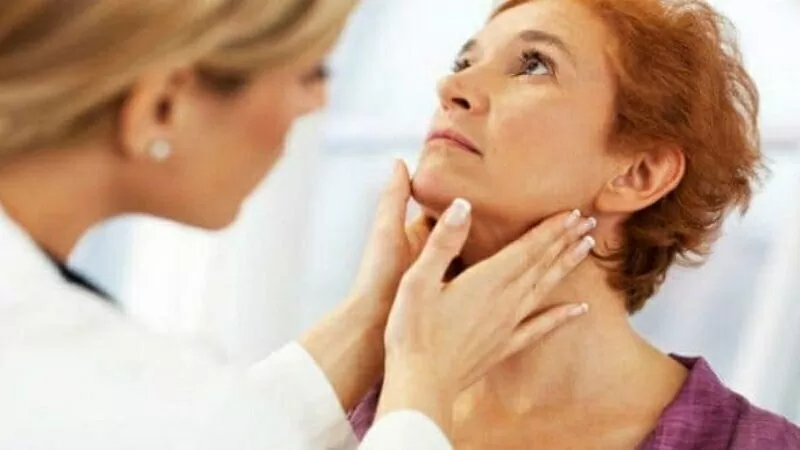
|
Hypothyroidism is a very dangerous disease that can lead to death in a short period of time. |
The thyroid gland is a vital endocrine gland that secretes the hormones thyroxine (T4) and triiodothyronine (T3), which play a role in regulating metabolism and body development. In women, thyroid hormones are influenced throughout life, including during puberty and menopause.
Due to differences in body structure and physiology, women experience multiple hormonal changes such as puberty, menstruation, pregnancy, postpartum, and menopause. Therefore, women are 5-8 times more likely to develop thyroid disease than men.
Hypothyroidism is a very dangerous disease that can lead to death in a short time. While it is preventable and treatable, some cases can cause irreversible complications and require complex surgery.
The main causes of hypothyroidism are: thyroid atrophy; Hashimoto's autoimmune thyroiditis; and hypothyroidism arising after treatment for hyperthyroidism. In addition, iodine deficiency in the daily diet or congenital hypothyroidism, or hypothyroidism secondary to pituitary or hypothalamic disease, are also contributing factors.
Recognizing the following symptoms will make treatment easier.
Lethargy and lack of energy: This is one of the typical symptoms of hypothyroidism. The deficiency of thyroid hormones slows down the body's recovery process, so even with sufficient sleep, the body remains lethargic and persistently tired.
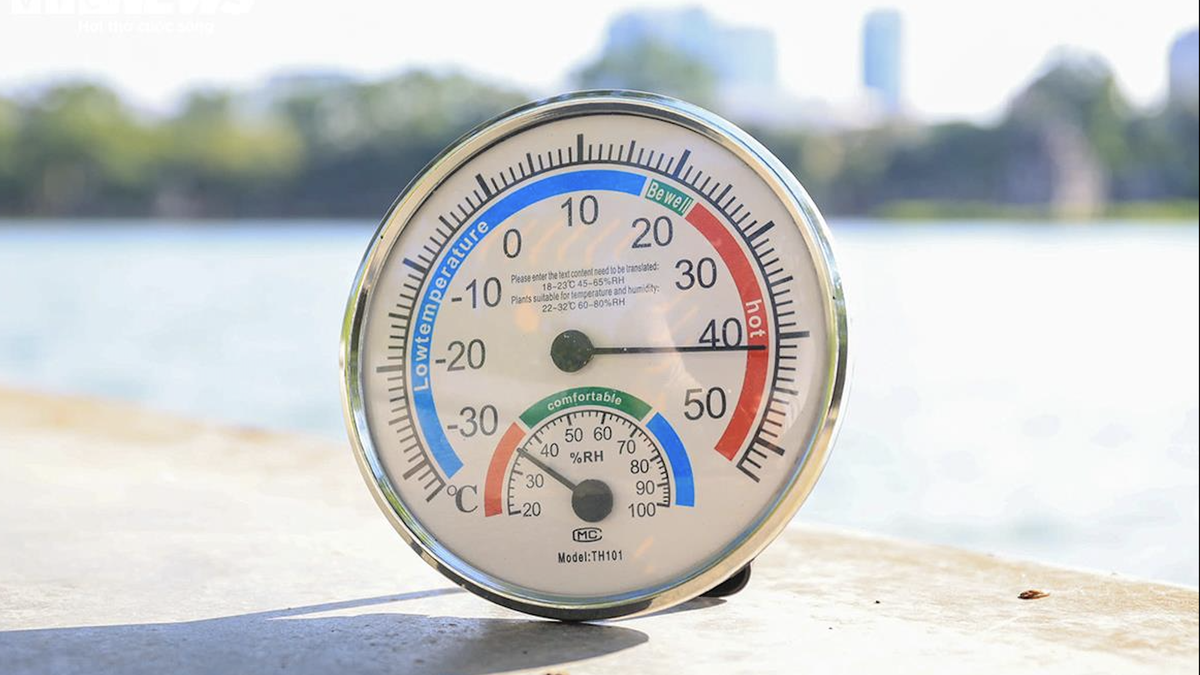
Intolerance to cold or feeling unusually cold: The thyroid gland is responsible for controlling body temperature, so when the thyroid gland is underactive, it weakens the body's ability to retain heat, causing women to feel unusually cold.
Menstrual cycle problems: Women with hypothyroidism often have irregular menstrual cycles, which may be longer or shorter than normal; the amount of blood during menstruation may be unusually heavy or light.
Unexpected weight gain: When experiencing hypothyroidism, metabolism slows down, the body stores more fat, making weight loss difficult, even if you have a balanced diet and exercise regularly.
Brittle nails, thinning hair, dry and flaky skin: These are all symptoms that can occur in people with hypothyroidism, especially symptoms like dry and falling hair.
Thyroid conditions can be difficult to detect because the symptoms are often very mild. Hypothyroidism affects both sexes equally and can occur at any age, but is more common in older women.

























































































Comment (0)