

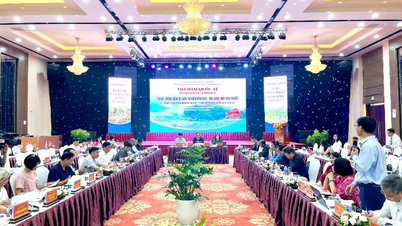
This morning (December 9th), at the White Palace Convention Center on Hoang Van Thu Street, Duc Nhuan Ward, Ho Chi Minh City, Thanh Nien Newspaper organized a seminar titled "Media Training from Innovation to the New Era".
At the seminar, speakers presented a picture of media in modern society. We are living in a period where global media is changing faster than ever before. Digital media is gradually replacing traditional media. Social media has become the primary information space for a segment of the public. Meanwhile, artificial intelligence (AI) is no longer a futuristic concept but is directly involved in the creation and editing of much content, forecasting trends, and personalizing content for viewers.
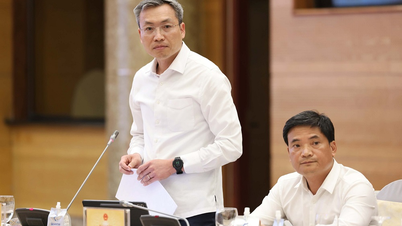
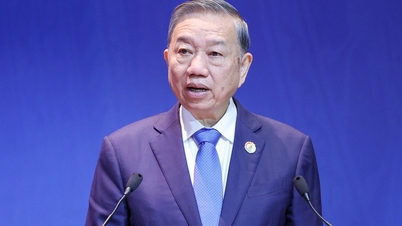
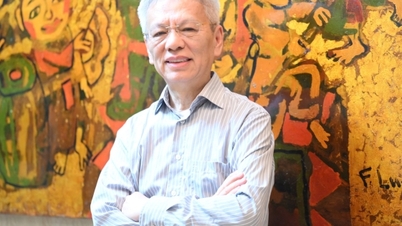
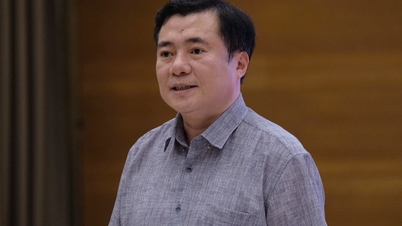
Mr. Nguyen Khoa My, Chairman of the Vietnam Public Relations Network (VNPR), shared valuable information on improving the quality of training and developing human resources in the media sector in the context of new developments.
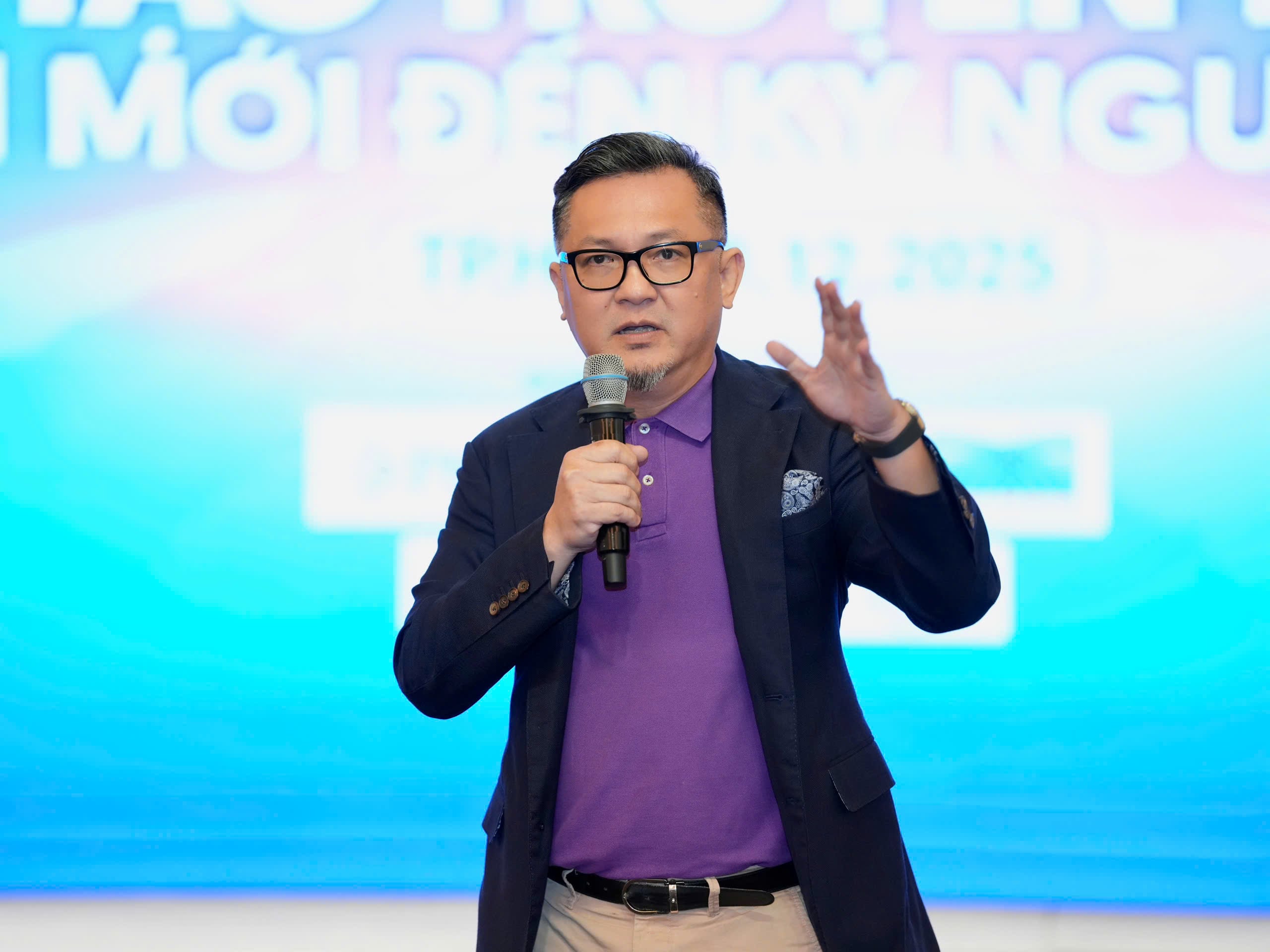
Mr. Nguyen Khoa My, Chairman of VNPR
PHOTO: INDEPENDENT
Mr. Nguyen Khoa My observes that the creative economy and content industry have become key economic sectors in many countries. Notably, cross-cultural and cross-border communication takes place every hour, every minute.
Amidst this landscape, the public is increasingly demanding responsible media, social equality, technological ethics, and the fight against fake news. Therefore, if media professionals are not continuously retrained and upgraded, they will fall behind very quickly. This will not only mean falling behind in technology, but also in mindset, professional culture, and the ability to integrate internationally.
Major challenges facing media workforce training today
At the seminar, speakers frankly acknowledged that current media workforce training faces many challenges. For example, training programs at many institutions are still heavily focused on theory, and are slow to update on digital media, AI, big data, cross-platform content, and the content economy.
Furthermore, one of the challenges is the significant gap between school education and the realities of newsrooms and businesses. Graduates lack practical skills.
Notably, in the age of AI, media ethics in the digital age has not been systematically taught, yet fake news and harmful content are global challenges, including in Vietnam. An equally important issue is the limited foreign language skills, international understanding, and ability to work in cross-border environments among media professionals.
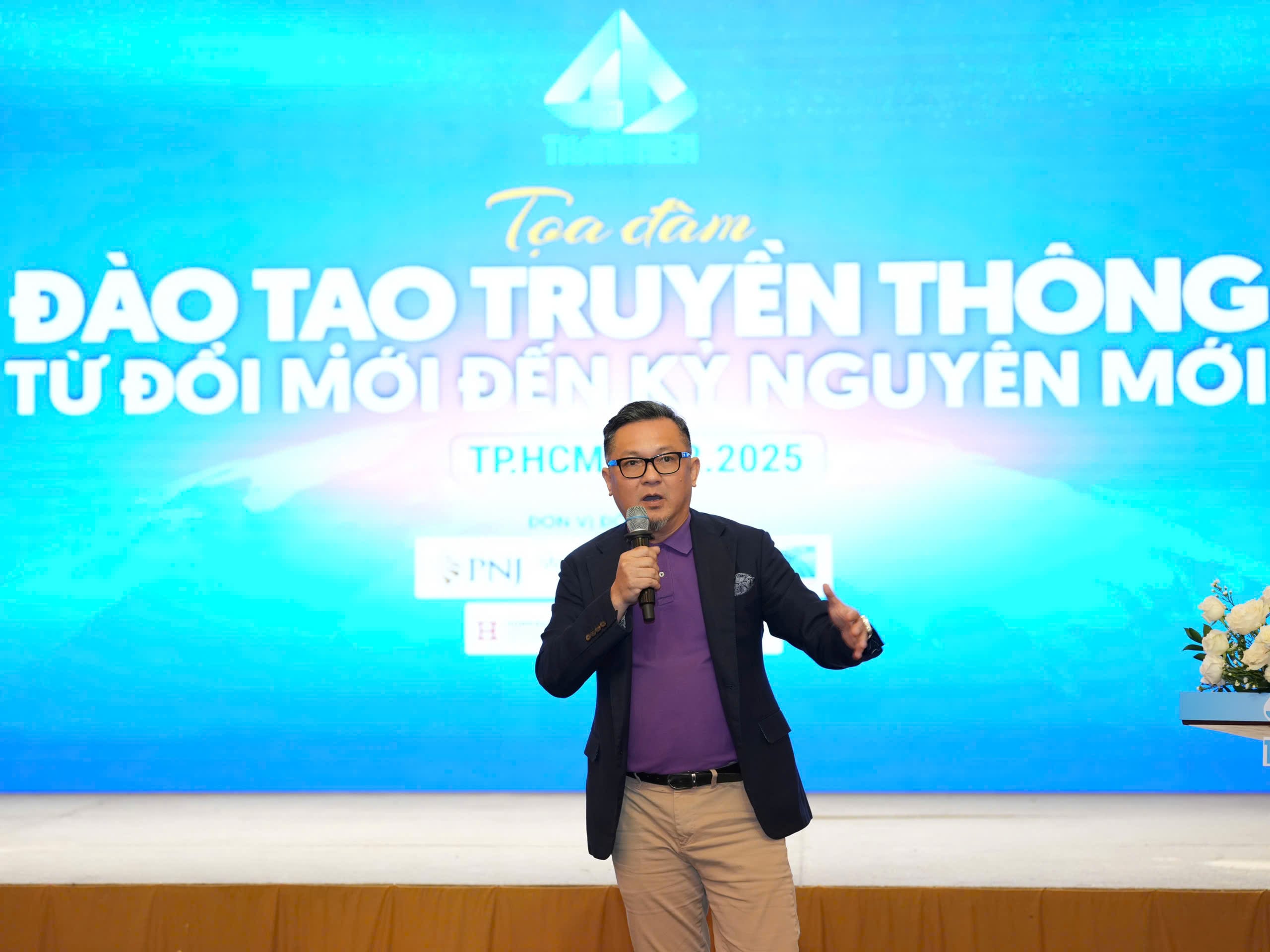
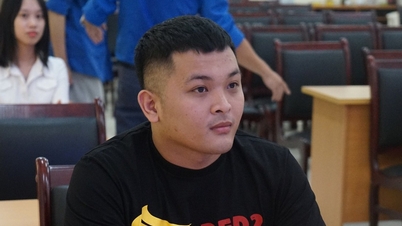
Mr. Nguyen Khoa My shared his insights at the seminar "Media Training from Innovation to the New Era".
PHOTO: INDEPENDENT
According to Mr. Nguyen Khoa My, Chairman of VNPR, in the face of these challenges, it is necessary to establish a common development model: State - Schools - Businesses - Journalism - Technology. All must work together in training, employing, and sharing social responsibility. The ultimate goal is to create a new generation of media professionals who meet seven requirements: professional expertise; strong ethics; technological prowess; cultural understanding; global thinking; political acumen; and social responsibility.
In this context, businesses, news organizations, and technology platforms should not only be employers but also become co-training entities; they should participate in developing curricula, sending experts to teach, accepting long-term internships, and collaborating on real-world media projects.
We need to form an interconnected ecosystem between journalism, technology, advertising, entertainment, education, and culture. This will foster the development of a creative industry with a distinct Vietnamese identity, capable of competing regionally and internationally.
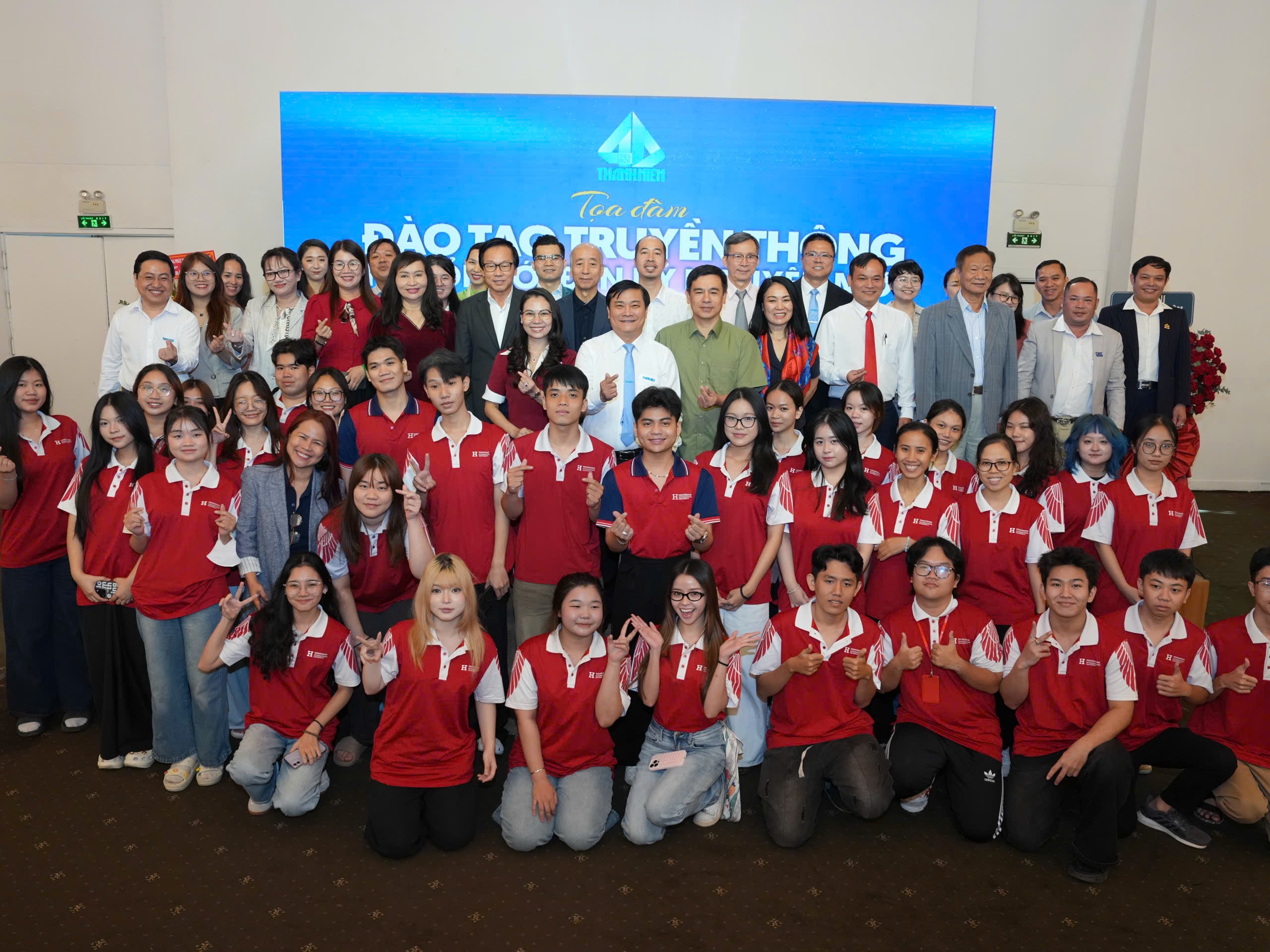
The seminar "Media Training from Innovation to the New Era" is part of a series of events celebrating the 40th anniversary of the first issue of Thanh Nien Newspaper.
PHOTO: INDEPENDENT
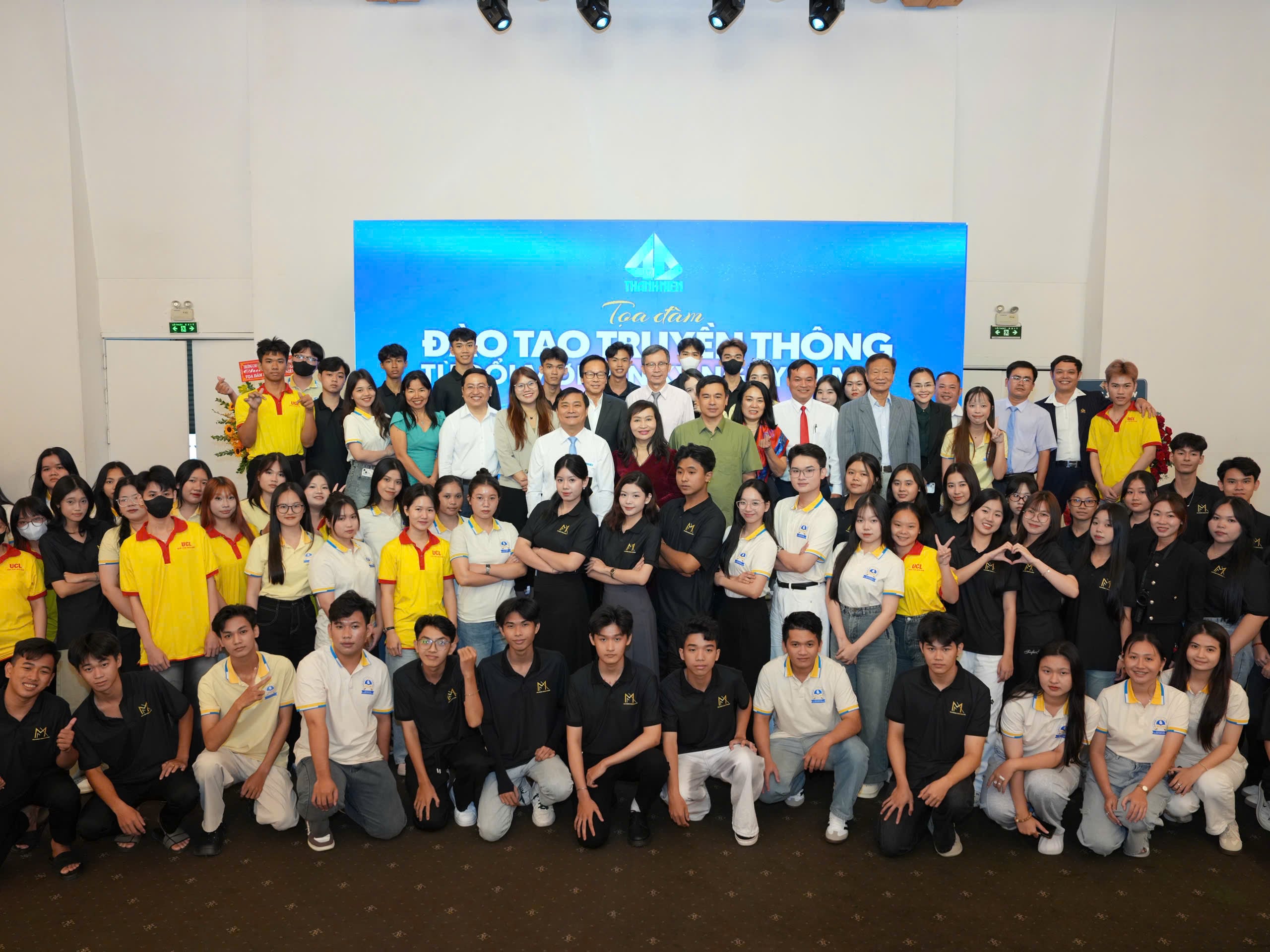
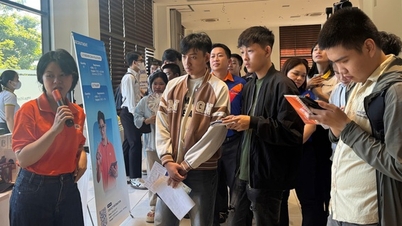
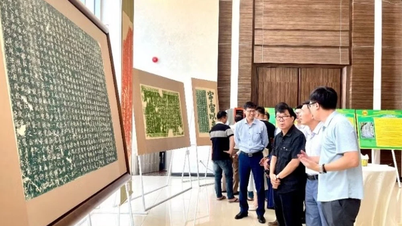
Numerous universities, press agencies, and media outlets showed interest in the seminar.
PHOTO: INDEPENDENT
The seminar "Media Training from Innovation to the New Era" was organized as part of a series of events commemorating the 40th anniversary of the first issue of Thanh Nien Newspaper (January 3, 1986 - January 3, 2026). This was an opportunity for universities offering journalism and media training to share their training orientations, achievements, innovations, and creative approaches, as well as challenges and recommendations.
3 major directions for media outlets
For journalism and media training institutions, Mr. Khoa My proposed three major directions. Firstly, a strong shift towards a training model closely linked to practice; increasing the amount of practical training; and placing students in newsrooms, content studios, and media companies from a very early age.
Secondly, training in digital technology skills and media product thinking is necessary, focusing on producing multi-platform content; analyzing user data; and applying AI in content editing, production, and distribution.
Thirdly, we place special emphasis on ethics, social responsibility, equality, and sustainable development. This includes humanistic communication; communication for the community; communication against fake news; and communication protecting vulnerable groups.
Source: https://thanhnien.vn/7-dieu-can-co-o-nguoi-lam-truyen-thong-thoi-ai-185251209144030097.htm





![[Image] Shipbuilders exposed to steel and record-breaking heat.](https://vphoto.vietnam.vn/thumb/1200x675/vietnam/resource/IMAGE/2026/06/04/1780545781745_ndo_br_img-5402-4683-jpg.webp)








































![[Video] Sunset at Lap An Lagoon – Where the sun sets over the fishing nets](https://vphoto.vietnam.vn/thumb/1200x675/vietnam/resource/IMAGE/2026/05/31/1780192137701_beach-landscape-sea-water-nature-grass-745871-pxhere-com.jpeg)



























Comment (0)