

The line between truth and falsehood
Amidst the increasingly vibrant Vietnamese music market with numerous concerts, large-scale programs, and award ceremonies, audiences have more opportunities to connect with artists on stage. However, this boom is accompanied by a controversial reality: the line between live singing and supporting techniques such as backing vocals or lip-syncing is becoming increasingly blurred.
On many concert stages today, singers have to handle multiple elements simultaneously, such as complex choreography, constant movement, audience interaction, combined with lighting effects, LED screens, and large-scale staging. Maintaining consistent vocal quality has become a challenge for many. Using backing tracks, or pre-recorded vocals, as a supporting solution is becoming common.
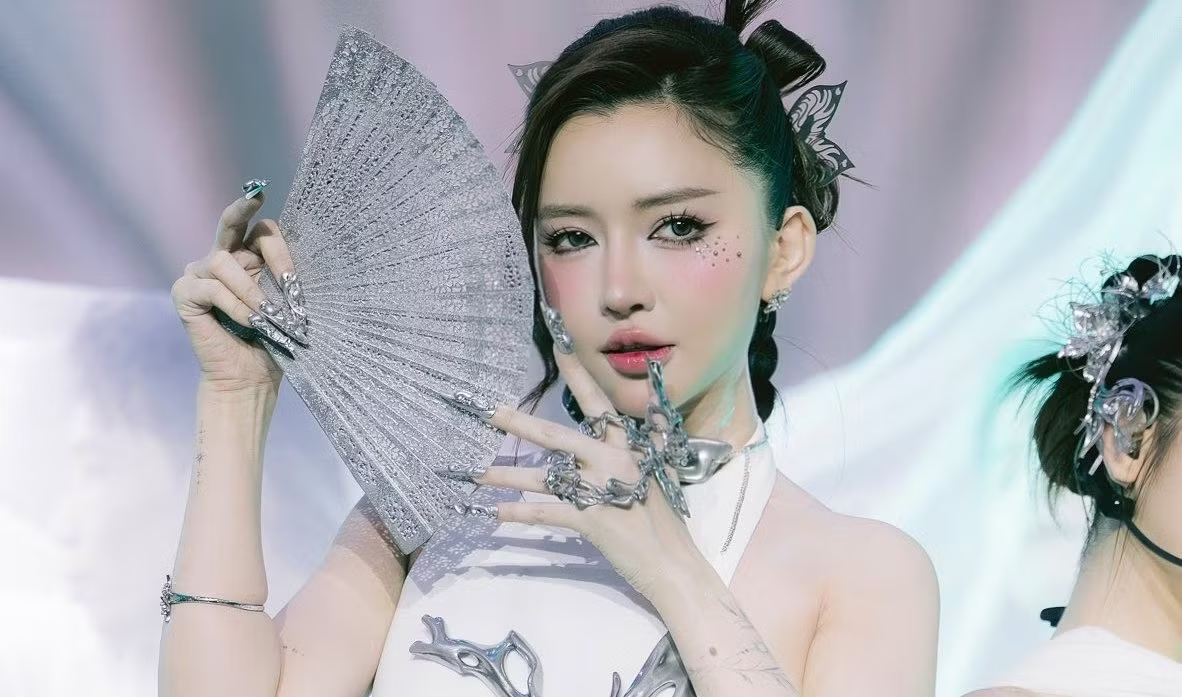
Overlaying vocals can make a performance smoother and avoid unnecessary mistakes when performing under high pressure. However, when the pre-recorded audio is too loud and drowns out the real voice, the audience begins to doubt whether they are listening to the singer or just a playback. This is where lip-syncing comes in. Lip-syncing is the act of a singer pretending to sing on stage, moving their lips and body to a pre-recorded track (playback).
Not everyone can clearly distinguish between pre-recorded vocals and lip-syncing. For non-professionals, these two concepts are easily confused. This ambiguity makes it difficult for the audience to know what they are actually hearing, often leading to arguments after each show.
Audience listening habits are also changing. Many young audiences are accustomed to polished music on digital platforms, where singers' voices are meticulously edited and flawless. When performing on stage, natural flaws like off-key notes, breathlessness, or unclear pronunciation are considered "errors." This inadvertently puts pressure on the artists, forcing them to rely more on technique to ensure a safe and polished performance.
Given the high price of concert tickets, audiences expect to receive something worthwhile for their money. This includes visually stunning performances and live vocals – the very things that differentiate concerts from listening to music on the radio at home. When these elements are lacking or not guaranteed, disappointment is inevitable.
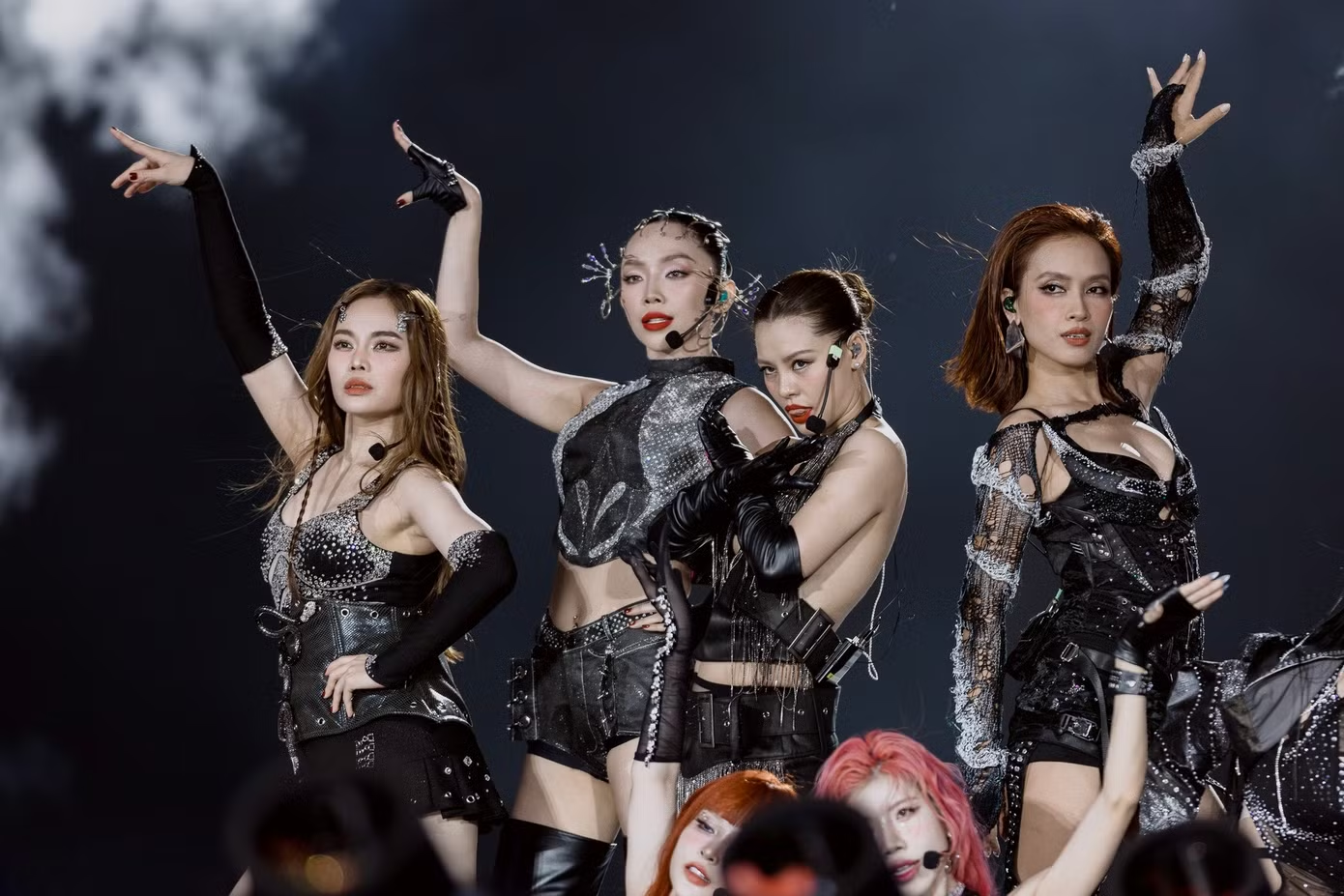
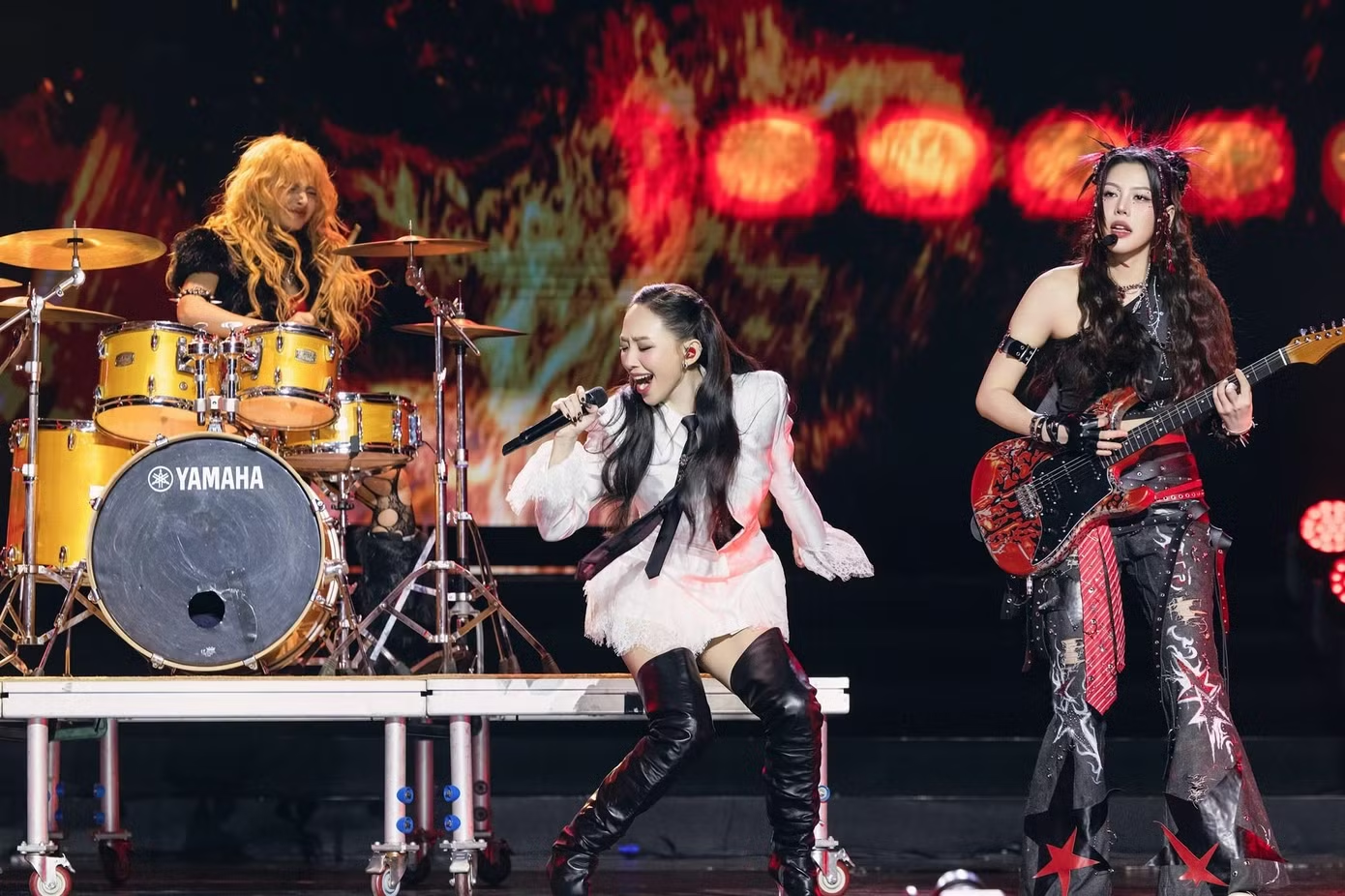
Some argue that lip-syncing and using pre-recorded vocals aren't necessarily the problem, but they need to be categorized. "Singers should sing live. If they focus more on dance and performance, they can be called performers. Songwriters should compose original songs. When this boundary is blurred, the title loses its meaning," one audience member commented.
Current sound editing technology can transform an ordinary voice into a perfect one in the recording studio. A good recording, combined with good looks and stage presence, is enough to earn a place on stage as a singer. This has led to lax professional standards.
In an age of rapidly advancing AI, human voices may not be as stable. But in return, humans possess emotion – something that machines find difficult to replace. Instead of leveraging this advantage, many singers are losing their edge, putting themselves at a disadvantage by becoming overly reliant on technology.
Bad habits
The issue of lip-syncing and using overlays in performances was also raised by delegates at the first quarter 2026 cultural and artistic work review meeting. In the report on the cultural and artistic work situation in the first quarter and key tasks for the second quarter of 2026, the leaders of the Department of Culture and Arts (Central Propaganda and Mass Mobilization Department) emphasized that the trend of "dishonest performances" is on the rise.
At some events and music programs during Tet (Lunar New Year) and other festivals, the use of pre-recorded tracks instead of live performances still occurs. This reflects limitations in program organization and quality control, and also shows that the professional ethics of some artists have not been upheld.
This situation has caused public outrage, eroded public trust, and affected professional standards and the value of authenticity – a core element of art. If not rectified promptly, it risks becoming a bad practice.
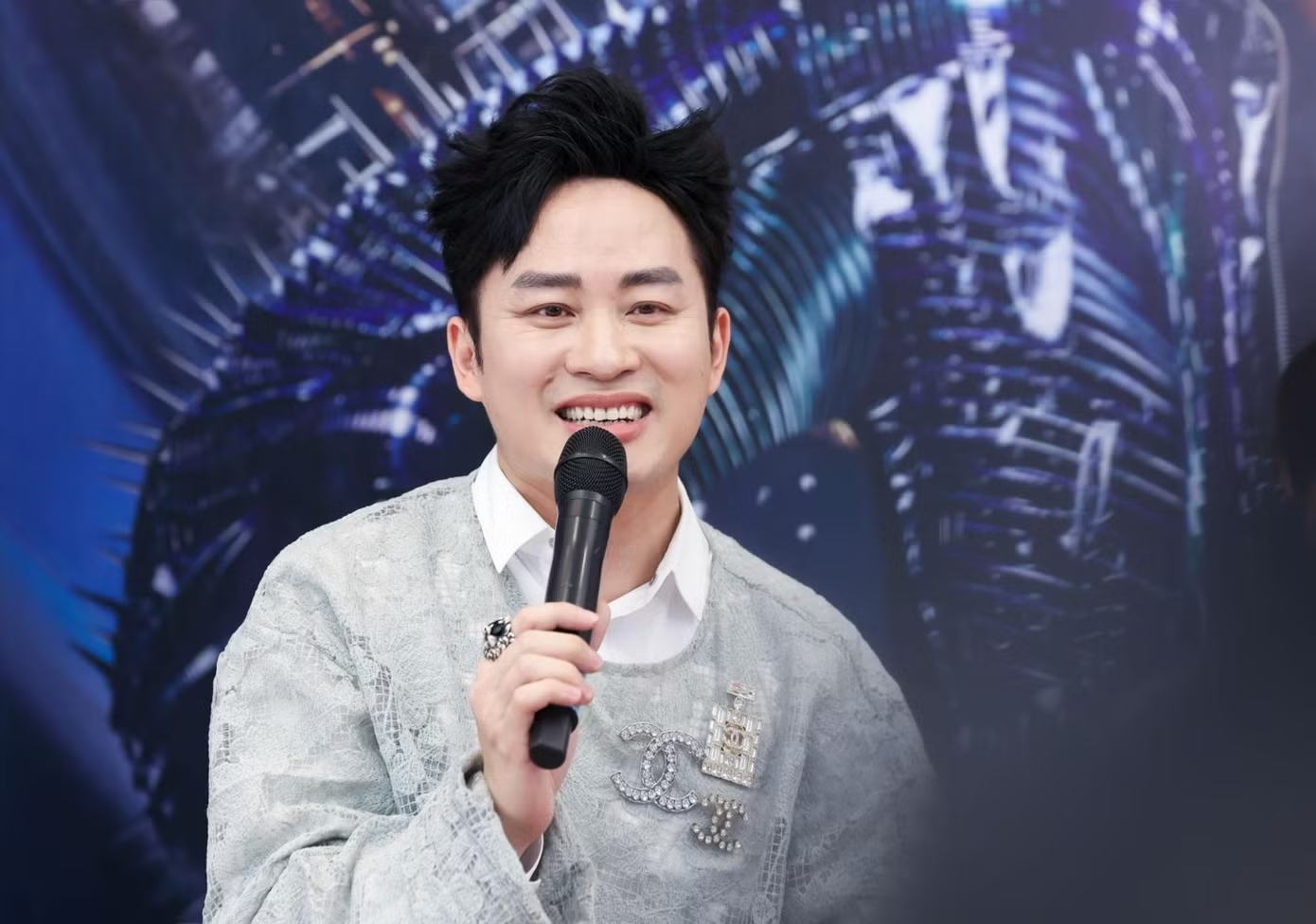
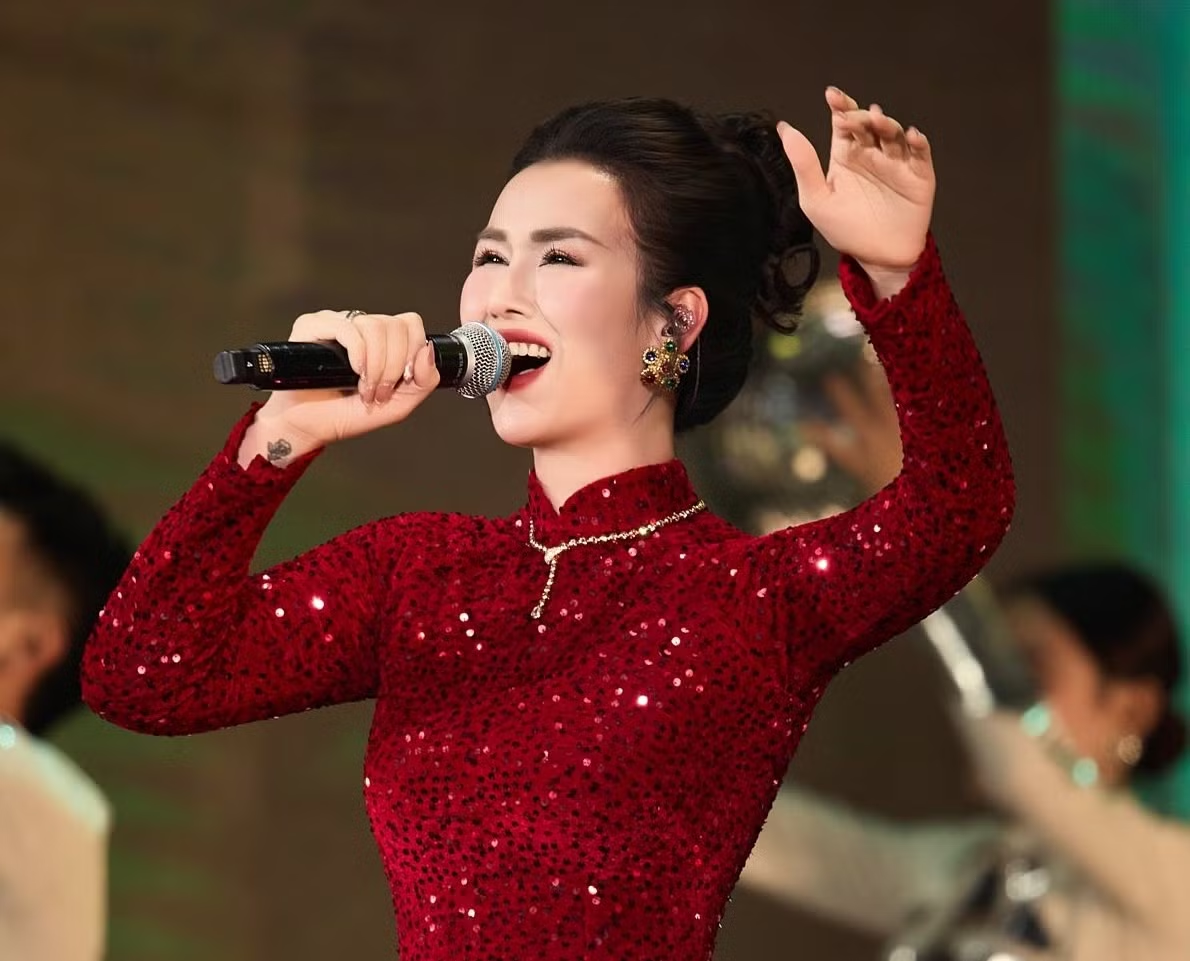
Sharing his perspective with Tien Phong newspaper from the viewpoint of someone working in the arts, guitarist Duc Nha believes that if lip-syncing is viewed merely as a "stage trick," the public is easily swayed. However, if considered within the essence of music – an art form that thrives on genuine emotion and expressive ability – then completely banning lip-syncing is not extreme, but a necessary step to protect the core values of the singing profession.
First and foremost, being a singer is a live performance of sound. Unlike film actors who can reshoot scenes repeatedly, or painters who can perfect their work over time, singers create art on stage in real time. The voice is not just a tool, but the very essence of the profession. When someone doesn't actually sing but still receives the title of singer on stage, it's no longer a performance, but a simulation.
"The danger lies in the fact that audiences aren't buying an audio file; they're buying a lived experience. They come to concerts to hear the vibrations, the very human imperfections, the moments when voices might crack, moments of transcendence. It's these things that create memories. Lip-syncing eliminates all of these elements, turning music into a packaged product opened before the crowd. Then, the stage is no longer a place of creativity, but a place for replaying," said artist Duc Nha.
Don't be lenient or indulgent.
From a professional standpoint, tolerating lip-syncing—even to some extent—is tantamount to eroding the core standards of the singing profession. A true artist must master their breath, control pitch and rhythm, and possess the ability to handle the stage flexibly and interact with the band.
When lip-syncing becomes accepted, the market's value system will gradually shift away from vocal ability, instead prioritizing appearance, gimmicks, and media power. Once professional standards are lowered, those who take their work seriously will not only suffer, but the audience's trust will also be eroded by the feeling of being deceived.
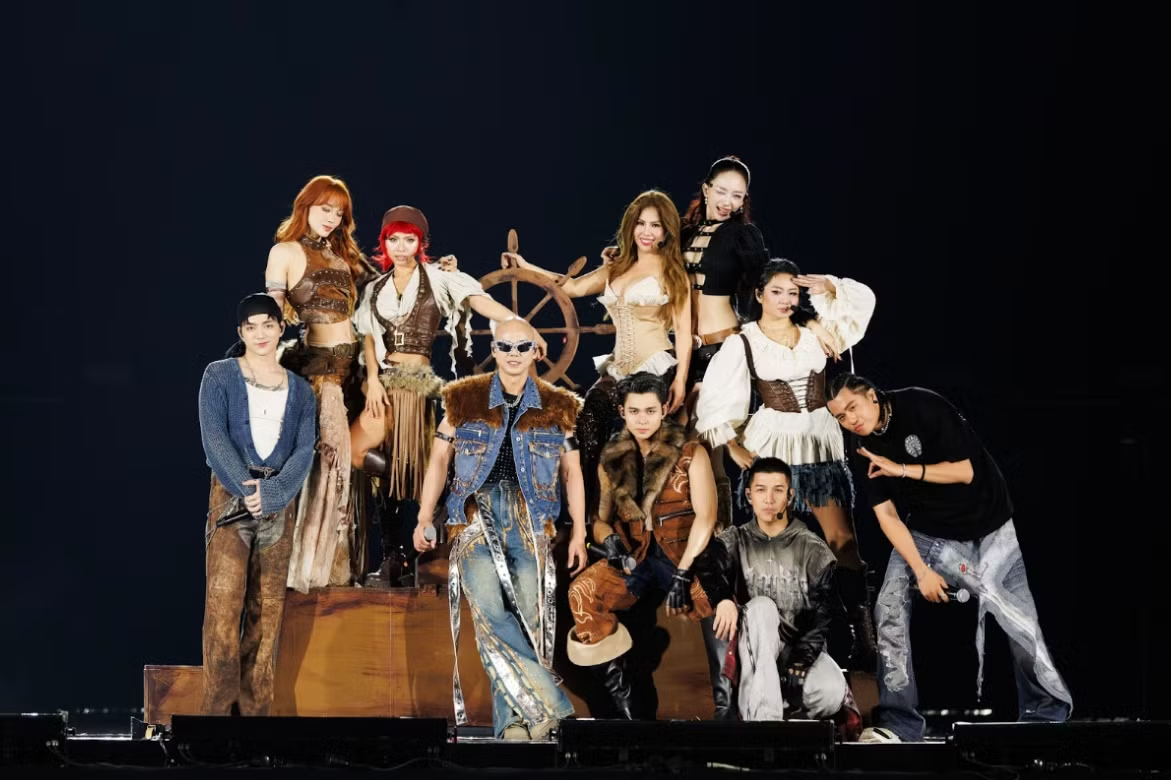
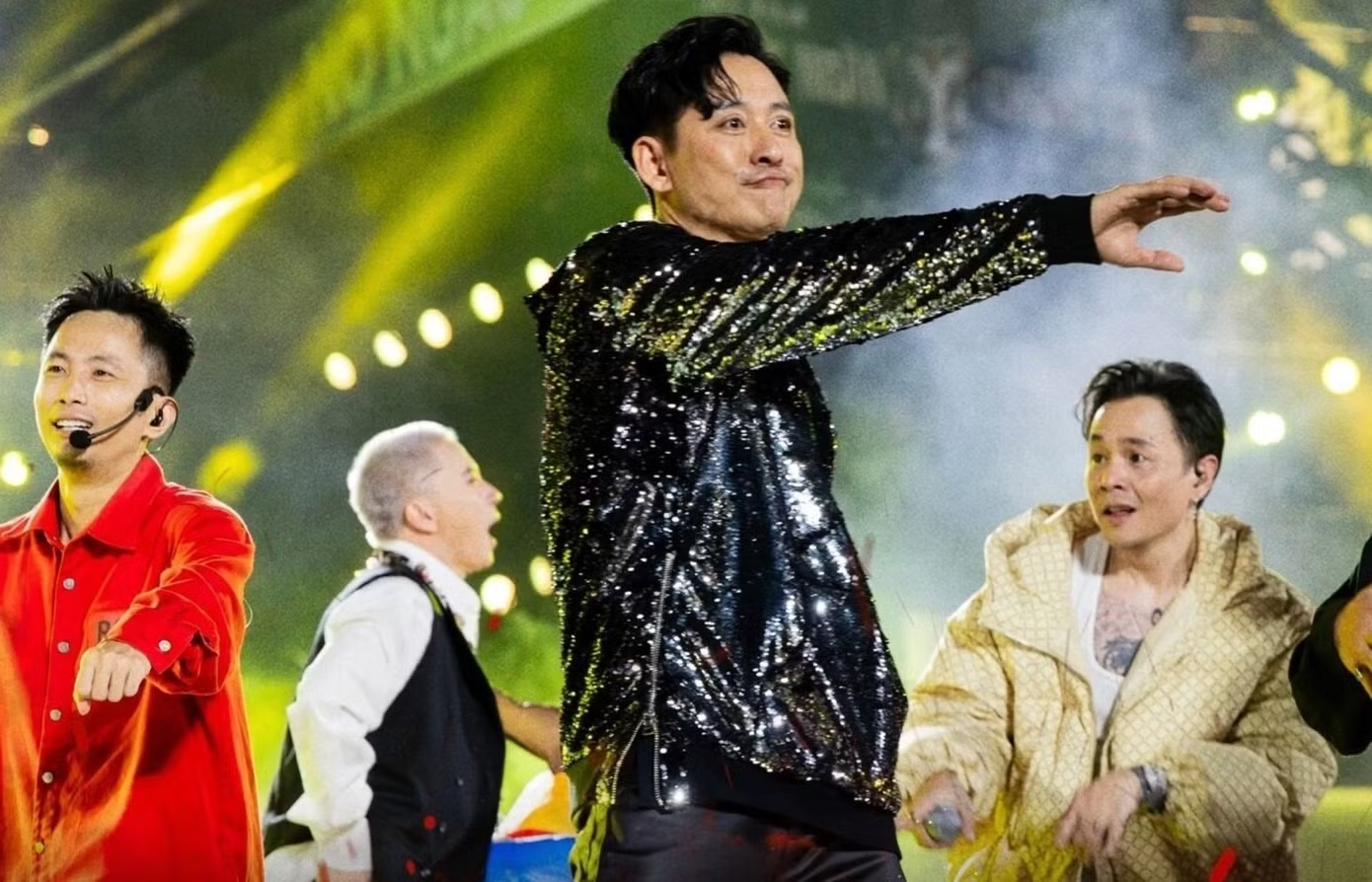
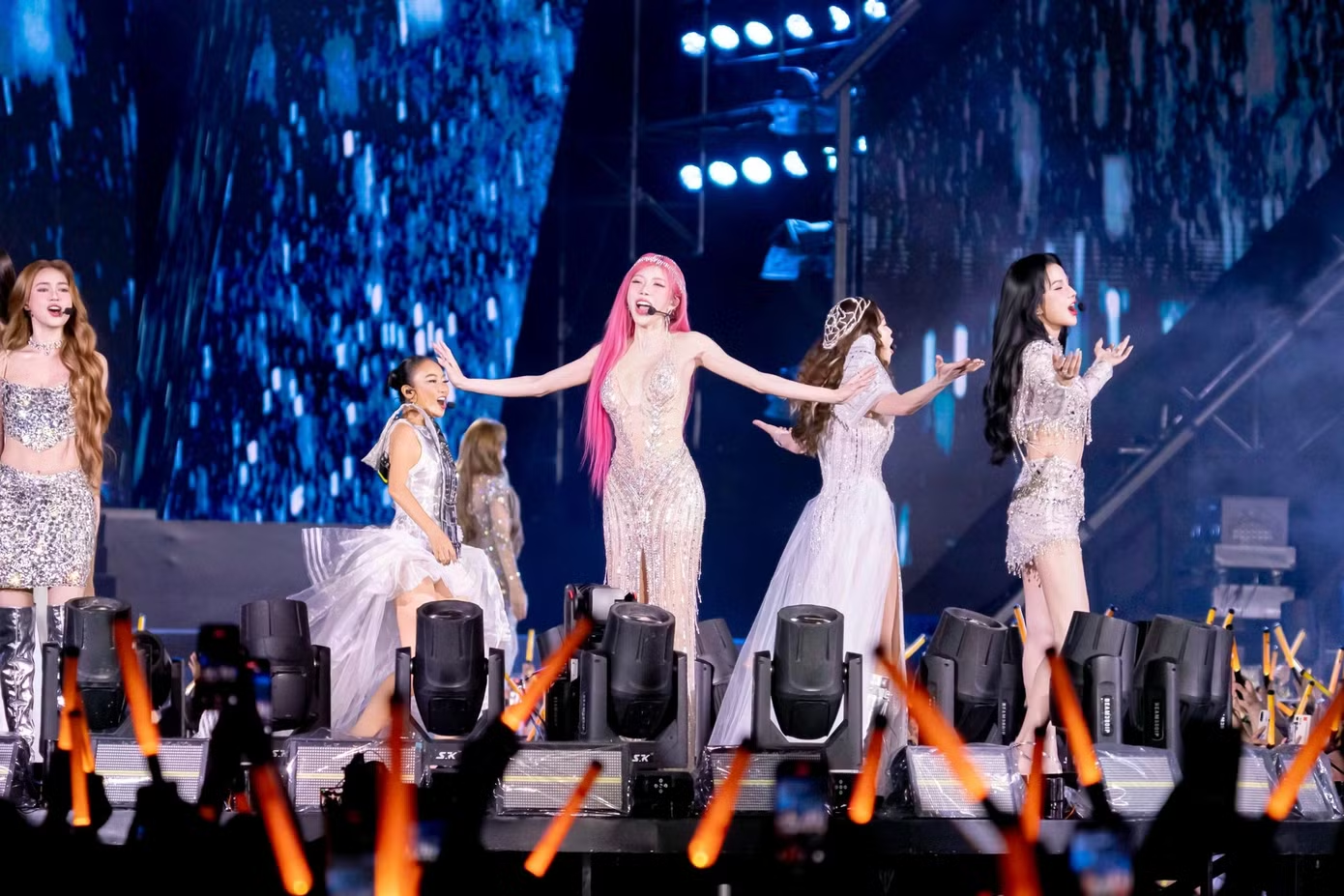
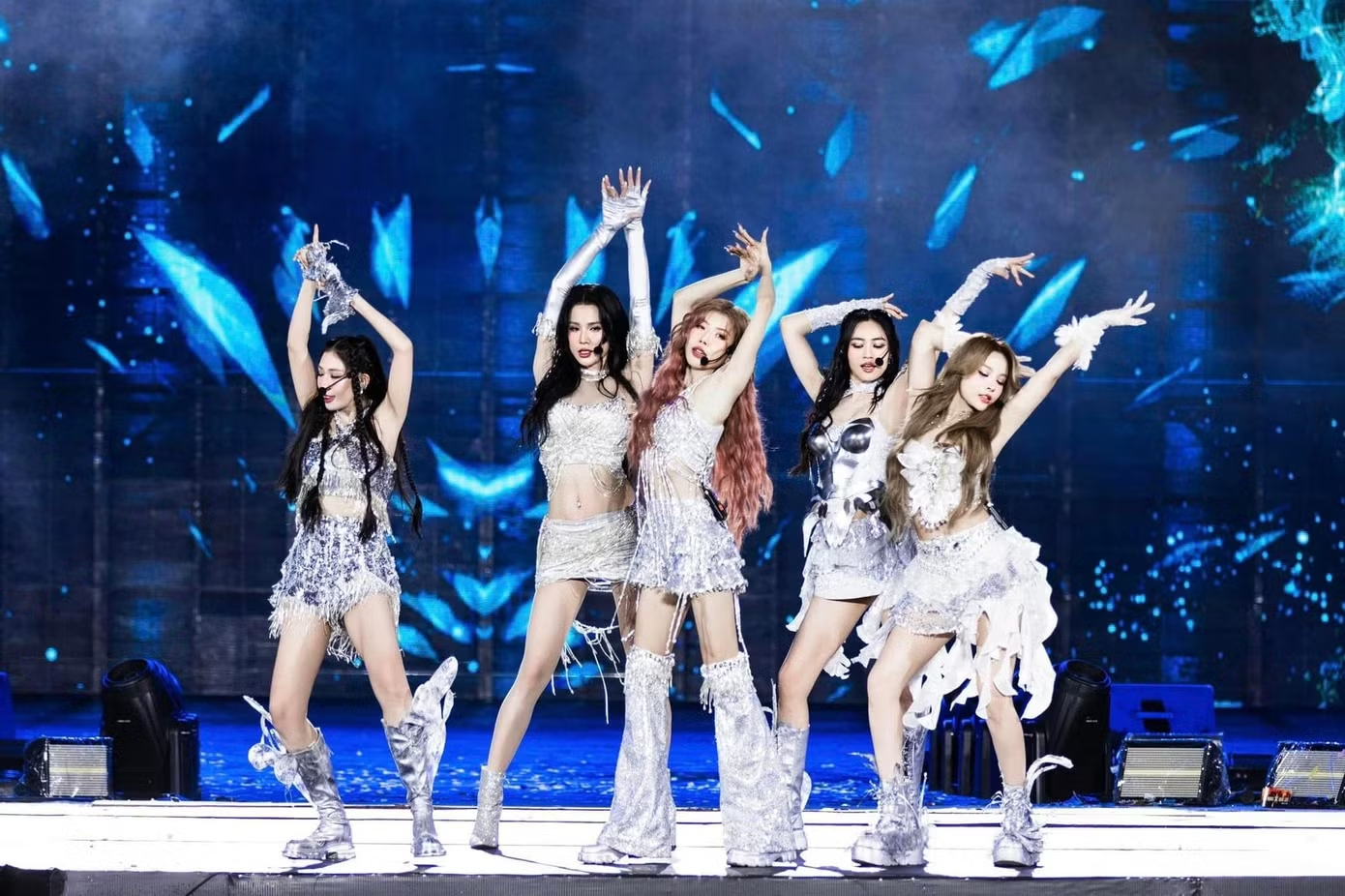
Some developed music industries used to tolerate lip-syncing, but the trend back to live performance is becoming increasingly clear. An anonymous singer admitted that 99% of Vietnamese singers have lip-synced many times. However, lip-syncing is even more stressful than singing live, because each time you lip-sync, you're tense, stiff, and your eyes are vacant with fear of not lip-syncing correctly.
"Singing live is still more emotional, and each time I sing, it brings a different emotion. Singers who usually sing live are extremely afraid of lip-syncing, because every time they lip-sync, it's always obvious," this person shared.
"Completely banning lip-syncing isn't meant to make things difficult for artists, but to protect them from the laxity of the market itself. This forces professionals to improve, to respect the audience, and most importantly: to be honest with themselves. When the rules are clear, the audience will also know what they are paying for," artist Duc Nha expressed.
Source: https://tienphong.vn/99-ca-si-viet-nhieu-lan-hat-nhep-post1832680.tpo























![[VIDEO] Launch Ceremony of the 2026 Summer Youth Volunteer Campaign](https://vphoto.vietnam.vn/thumb/402x226/vietnam/resource/IMAGE/2026/05/23/1779546728859_1000028945-4837-jpg.webp)
































































Comment (0)