

1. Eating dinner early can help control calorie intake.
- 1. Eating dinner early can help control calorie intake.
- 2. The time between dinner and bedtime can affect metabolism.
- 3. Eating dinner early doesn't necessarily mean faster weight loss if the meal isn't properly balanced.
One of the notable benefits of eating dinner early (before 7 PM) is that it helps control hunger and curb nighttime snacking. When the last meal of the day ends early, the body has more time to digest before bed, and it also creates a longer natural fasting period between dinner and breakfast the next morning.
Conversely, those who regularly eat dinner late tend to stay awake longer after meals. Staying up late disrupts hormones that control satiety and increases the secretion of hormones that stimulate appetite. As a result, you are more likely to experience hunger pangs and crave sweets and high-energy fast food, even though your body doesn't actually need extra nutrition.
Limiting evening snacks can help control your total daily calorie intake. This is crucial for weight loss, as weight is primarily influenced by the balance between energy intake and expenditure.
In addition, maintaining a fixed dinner time contributes to establishing a regular daily routine. When the body becomes accustomed to a stable eating schedule, feelings of hunger and fullness are better regulated, thereby reducing emotional, stressful, or habitual eating.
2. The time between dinner and bedtime can affect metabolism.
After eating, the body needs time to digest and process nutrients. If dinner is too close to bedtime, the digestive system is still working while the body enters a resting state, making you more prone to bloating, discomfort, or poor sleep.

One of the notable benefits of eating dinner early is that it helps control hunger, curbs nighttime snacking habits, and supports weight loss.
Sleep quality is closely linked to effective weight management. When sleep is insufficient or frequently interrupted, hormones involved in regulating hunger and satiety can be disrupted, leading to increased cravings and making portion control more difficult the following day.

Some studies also suggest that consuming a large portion of energy too late in the day can affect how the body uses and metabolizes energy. However, this effect is not uniform for everyone and still needs to be considered in conjunction with other factors such as total calorie intake, activity level, and sleep quality.
Therefore, it's best to finish dinner about 2-3 hours before bedtime . This timeframe allows the body to digest food better and helps maintain its natural circadian rhythm.
3. Eating dinner early doesn't necessarily mean faster weight loss if the meal isn't properly balanced.
Even if you eat dinner very early, if the portion is too large or contains many high-calorie foods, you can still gain weight. A dinner consisting of lots of fried foods, processed foods, or sugary drinks will still cause your total daily energy intake to exceed your body's needs.
In addition, some people try to eat dinner too early but feel hungry later in the evening. They may then eat more snacks before bed, inadvertently negating the benefits of eating dinner early.
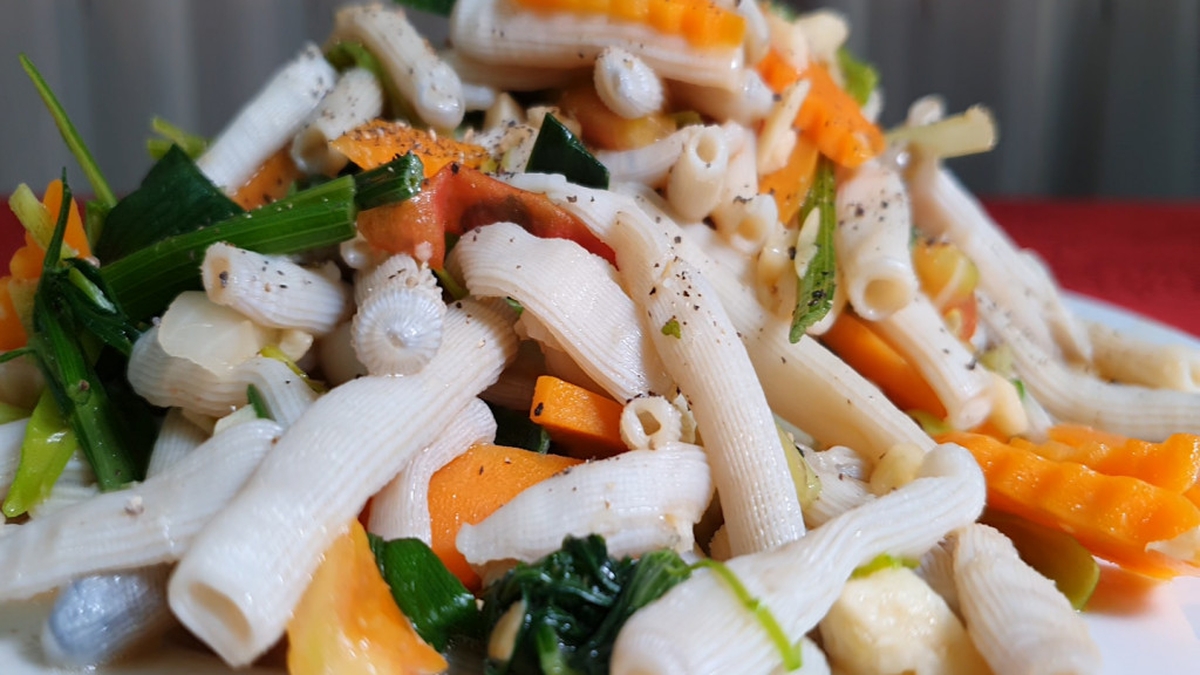
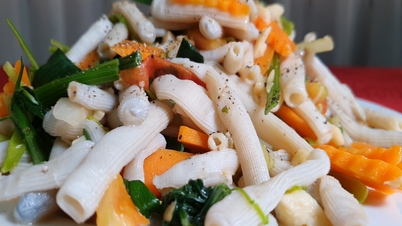
To support weight loss, dinner should prioritize green vegetables and lean protein such as fish, poultry, beans, or eggs, while limiting foods high in sugar and saturated fat. A balanced meal usually helps maintain a feeling of fullness for longer, reducing the risk of overeating at night.
Please continue watching the video :
Source: https://suckhoedoisong.vn/an-toi-som-co-giup-giam-can-nhanh-hon-169260601114900153.htm


![[Photo] General Secretary and President To Lam presides over a meeting on preparations for the review of one year of operation of the three-tiered government system.](https://vphoto.vietnam.vn/thumb/1200x675/vietnam/resource/IMAGE/2026/06/02/1780391821195_a1-bnd-4595-9717-jpg.webp)




























































































Comment (0)