

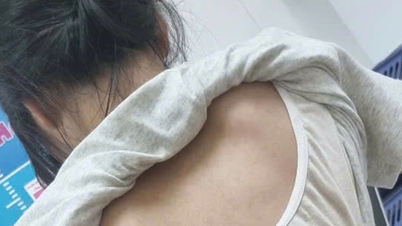
Many people sweat easily, regardless of whether they are engaging in strenuous or light activity. Conversely, some people sweat very little. Let's explore the causes, advantages, and disadvantages of these two groups from the perspective of modern and traditional medicine.
Is sweating a lot good?
According to Dr. Le Van Dinh, Department of Traditional Medicine, Thu Duc City Hospital (Ho Chi Minh City), the differences in sweating are due to factors such as genetics, nervous system activity, and overall health.
“Each person’s body differs in the number and activity of sweat glands. Some people have overactive sweat glands, causing them to sweat more, and vice versa. Additionally, some people have nervous systems that react strongly to stimuli such as temperature, stress, or physical activity, while others react less strongly. Medical conditions can also affect the ability to sweat. Thyroid dysfunction, cardiovascular disease, or neurological problems can lead to abnormal sweating,” said Dr. Van Dinh.
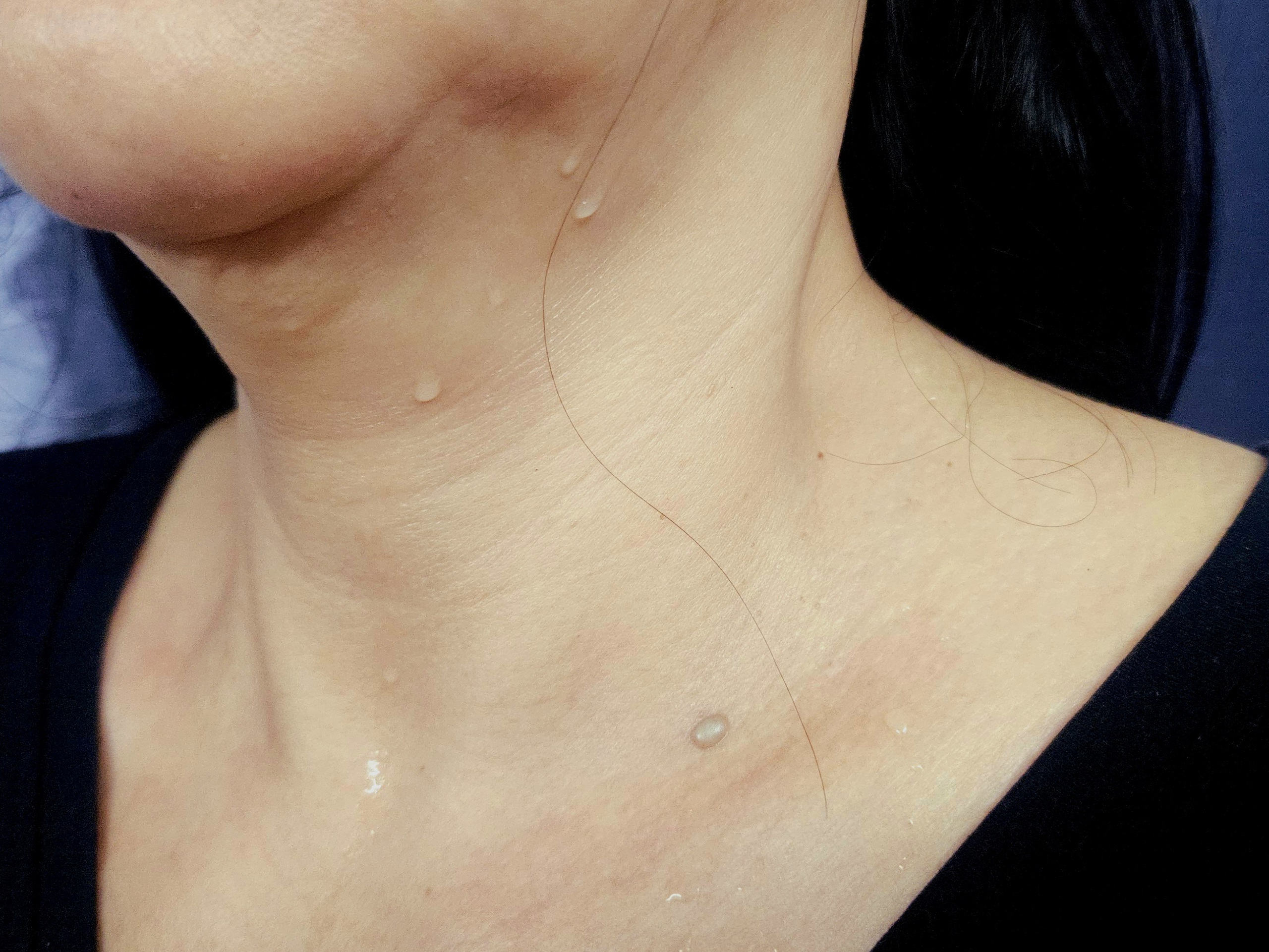
Excessive sweating is a common symptom caused by hormonal changes in middle-aged individuals.
For individuals who sweat excessively or easily, sweating can help regulate body temperature effectively, aid in detoxification, and improve skin health. However, excessive sweating can also cause discomfort and loss of confidence, dehydration, electrolyte imbalance, and increase the risk of health problems such as endocrine disorders, cardiovascular diseases, or neurological disorders.
Conversely, individuals who sweat less, even with minimal dehydration, have difficulty regulating their body temperature, increasing the risk of sweat dysfunction and even heatstroke.
Medical conditions related to excessive or insufficient sweating that people should be aware of:
Excessive sweating : Localized hyperhidrosis, hyperthyroidism, diabetes mellitus, sympathetic nervous system disorders, anxiety disorders, etc.
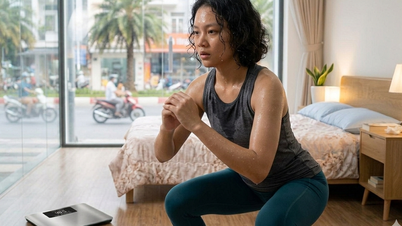
People who sweat a lot need to : drink enough water, replenish electrolytes when exercising intensely, maintain personal hygiene, and avoid wearing overly tight or restrictive clothing.
Insufficient sweating : Hypothyroidism, peripheral neuropathy, severe dehydration, sweat gland obstruction.
People who sweat less should : Drink enough water and avoid overexertion in hot environments, improve blood circulation and sweat gland function with gentle exercises such as yoga or massage. If symptoms of heatstroke or prolonged fatigue occur, seek medical attention.
"There is no ideal level of sweating; balance is key. Sweating should be sufficient to regulate body temperature but not cause discomfort or negatively impact health," Dr. Van Dinh affirmed.
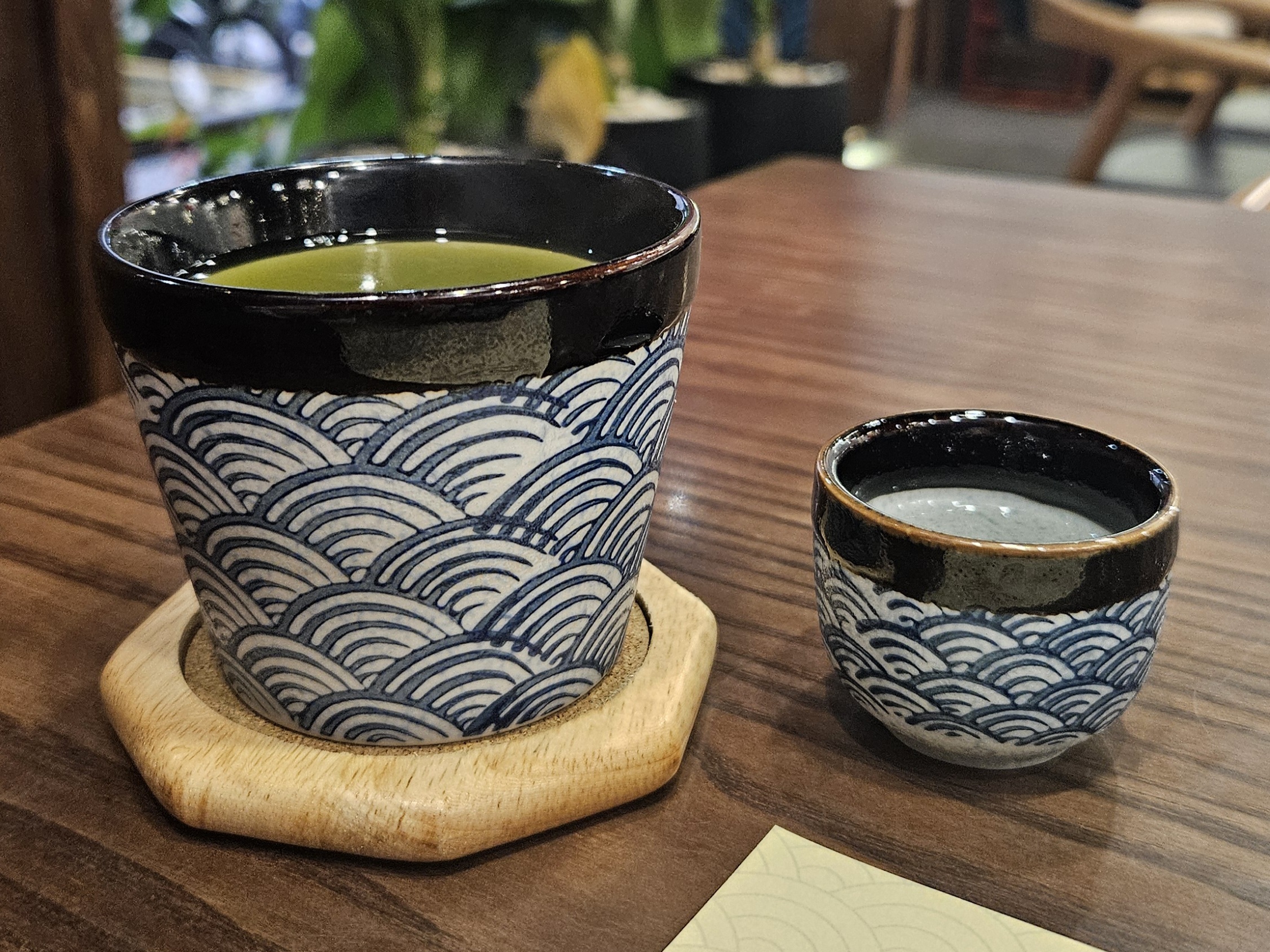
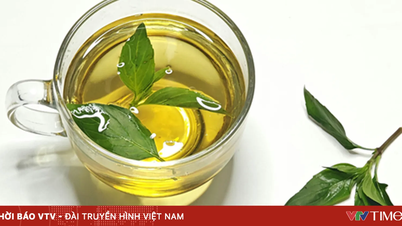
In traditional medicine, using lotus tea and perilla tea helps stabilize the body and control excessive sweating.
A perspective from traditional medicine.
According to Doctor Van Dinh, excessive sweating falls under the category of "hyperhidrosis," which is divided into different types depending on the cause, nature, and location of the sweating:
Spontaneous sweating : Sweating that occurs naturally while awake, not due to exercise or temperature, often associated with qi deficiency or yang deficiency.
Causes : Qi deficiency (insufficient Qi to "retain the surface" - holding back sweat); Yang deficiency (weakened Yang Qi, unable to protect the surface).
Accompanying symptoms: Fear of cold, fatigue, weak breathing, pale complexion.
Night sweats: Sweating during sleep that stops upon waking.
Cause : Yin deficiency (insufficient yin to control yang, causing yang energy to rise and resulting in sweating).
Accompanying symptoms : Red cheeks, hot palms/soles, dry mouth, feeling of heat in the body.
Yellow sweat : Sweat that is yellow in color and has an unpleasant odor.
Cause : Long-term accumulation of heat toxins, affecting the blood and body fluids.
“Depending on the cause of the illness, patients need to focus on balancing yin and yang, tonifying qi, strengthening the surface, or clearing heat and detoxifying. Treatment can be done through herbal remedies, acupuncture, massage, acupressure… In addition, a reasonable diet is needed, such as: limiting spicy and hot foods, alcohol (to avoid stimulating heat pathogens); increasing cooling foods rich in vitamins (cucumber, winter melon, centella). Always keep the body clean and cool, and do gentle exercises suitable for the body,” shared Dr. Van Dinh.
In traditional Chinese medicine, excessive sweating is not simply a phenomenon but also reflects the state of qi and blood, and yin and yang in the body. Treatment requires a comprehensive approach, combining herbal remedies, acupuncture, and lifestyle adjustments.
Source: https://thanhnien.vn/do-mo-hoi-qua-it-hoac-qua-nhieu-bac-si-chi-ra-nguyen-nhan-185250117233141934.htm


![[Photo] Solemn bathing ceremony and Buddha procession in Hue](https://vphoto.vietnam.vn/thumb/1200x675/vietnam/resource/IMAGE/2026/05/31/1780228263543_1-jpg.webp)
![[Photo] Admire the coral "masterpiece" amidst the million-year-old heritage of Dak Lak province.](https://vphoto.vietnam.vn/thumb/1200x675/vietnam/resource/IMAGE/2026/05/31/1780221235105_anh-man-hinh-2026-05-31-luc-16-53-27.png)
![[Photo] The General Secretary, President and his wife begin their state visit to the Philippines.](https://vphoto.vietnam.vn/thumb/1200x675/vietnam/resource/IMAGE/2026/05/31/1780230559452_anh-man-hinh-2026-05-31-luc-19-28-11.png)










![[Video] Sunset at Lap An Lagoon – Where the sun sets over the fishing nets](https://vphoto.vietnam.vn/thumb/340x192/vietnam/resource/IMAGE/2026/05/31/1780192137701_beach-landscape-sea-water-nature-grass-745871-pxhere-com.jpeg)




































![[Photo] Admire the coral "masterpiece" amidst the million-year-old heritage of Dak Lak province.](https://vphoto.vietnam.vn/thumb/402x226/vietnam/resource/IMAGE/2026/05/31/1780221235105_anh-man-hinh-2026-05-31-luc-16-53-27.png)

























Comment (0)