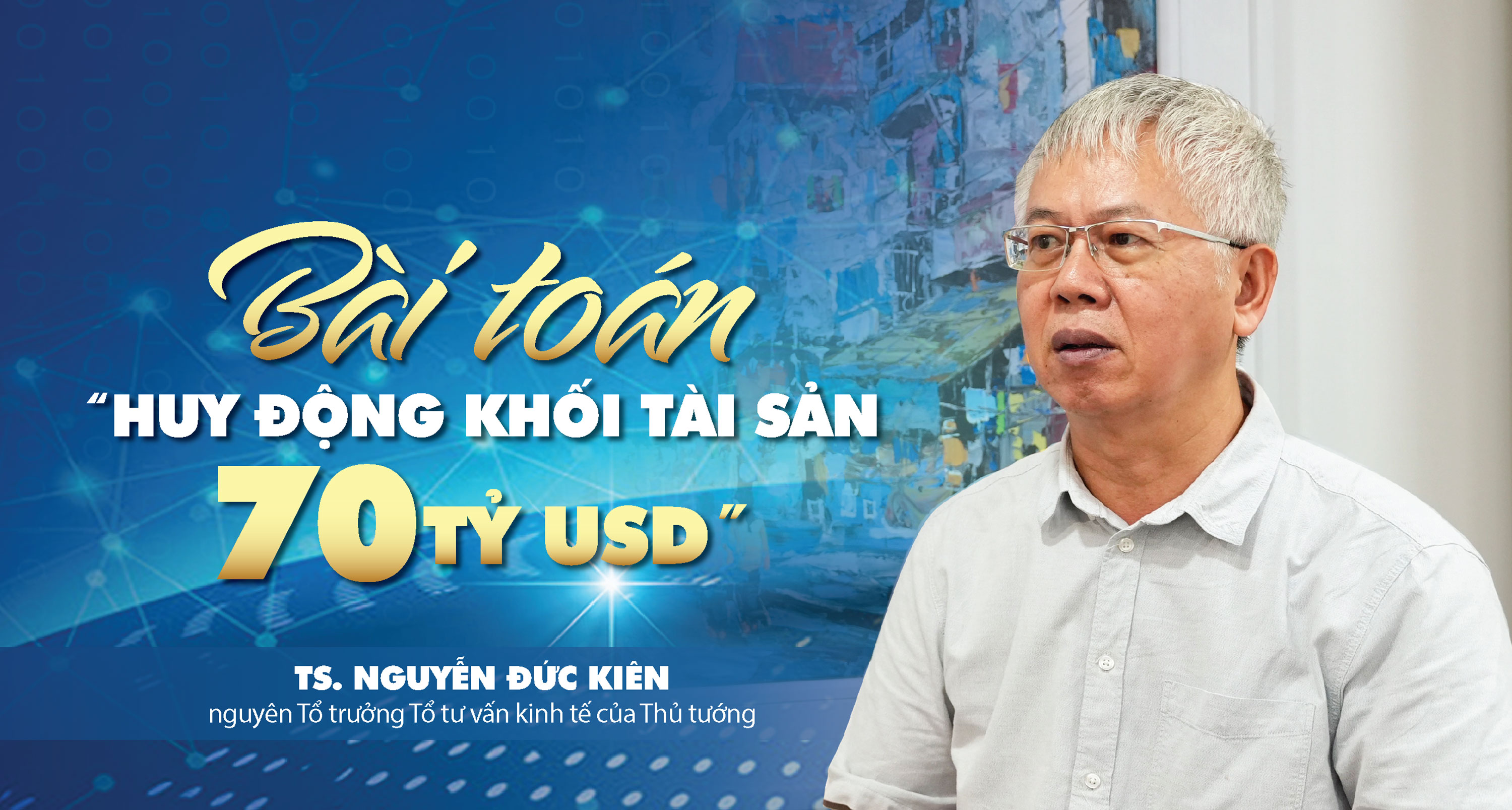
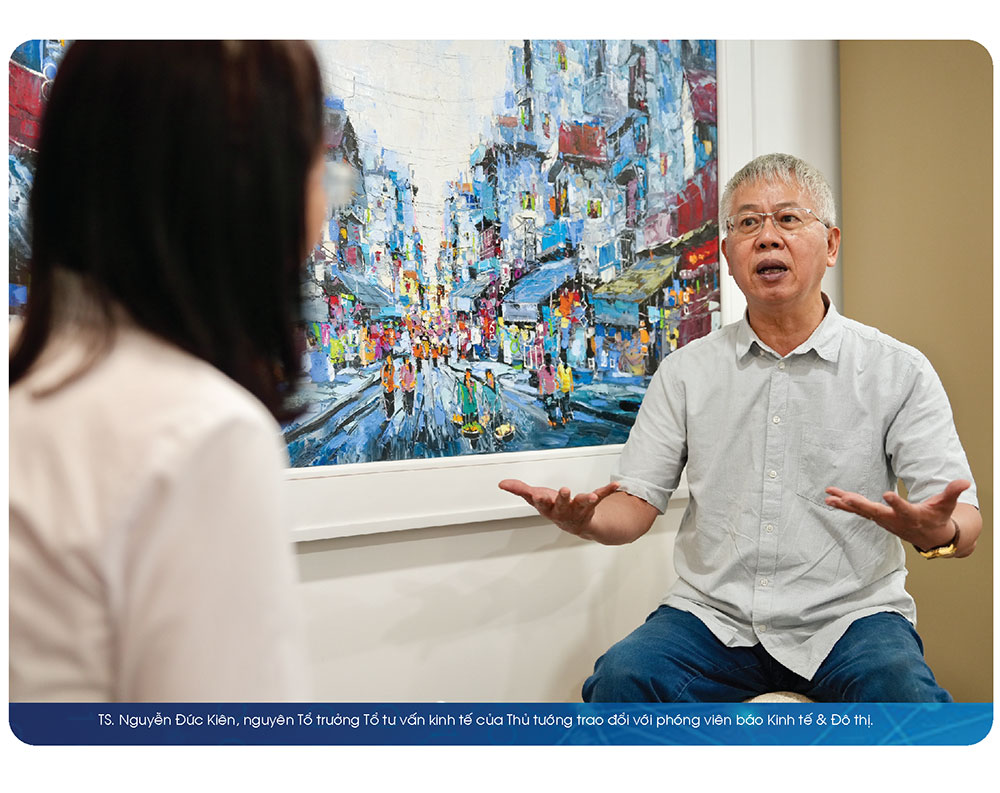
The new context is posing new demands on the country's economic development. This means not only striving for growth targets but also for green and sustainable growth. The challenge of "mobilizing the $70 billion in assets" of 12 corporations to develop the country raises the question: what should we do? How should we exploit the endogenous capabilities of the private sector to promote socio-economic development? Dr. Nguyen Duc Kien, former Head of the Prime Minister's Economic Advisory Group, discussed this with a reporter from the Economic and Urban Development Newspaper.

For the first time, the Standing Committee of the Government held a separate thematic meeting with representatives of 12 of Vietnam's leading private corporations (with total assets estimated at over $70 billion) immediately after the 10th Central Committee Conference. What does this indicate, sir?
We have had similar meetings before, such as the Prime Minister's meeting with businesses in Ho Chi Minh City in 2020. In February 2023, the Prime Minister also met privately with businesses in the real estate sector. The Prime Minister has also held specialized working sessions, such as during the Covid-19 pandemic, when he listened to the opinions of businesses in the aviation sector. And now, continuing the programs of the entire term, following the 10th Central Committee Conference, the Government has held a meeting with large-scale non-state-owned enterprises nationwide.
It must be acknowledged that this is a very high praise from the Government for businesses from other economic sectors. It demonstrates the Government's confidence in Vietnamese businesses and proves that the Government does not discriminate between state-owned enterprises and those from other economic sectors – in short, all Vietnamese businesses producing products made in Vietnam. This is a relatively open signal to the business community.
We must also acknowledge that these 12 private enterprises, such as the automotive manufacturing group, Truong Hai, Thanh Cong, and Hyundai, have made significant contributions, and that none of them are state-owned enterprises. This example demonstrates that Vietnam's economy is operating in accordance with the 2011 platform of a socialist-oriented market economy, and that we treat all types of businesses operating in Vietnam equally.

During the Covid-19 pandemic, businesses made positive and effective contributions to help the nation overcome the pandemic, control the disease, and quickly return the country to normalcy. Vietnam is currently recovering from natural disasters and floods such as the recent Super Typhoon Yagi. These natural disasters and epidemics, along with the current context of fierce strategic competition and conflicts occurring in many places, are affecting the global and Vietnamese economies. The rapid pace of market and technological change demands that entrepreneurs possess high adaptability, innovation, and creativity. Their resilience is not only demonstrated in their ability to overcome crises, but also in their proactive approach to anticipating trends and constantly innovating to seize new opportunities.
National-owned enterprises are expected to become the driving force of the country's economic development in the period 2030-2045, growing into regional and global economic conglomerates. How do you assess the current state of private corporations in Vietnam?
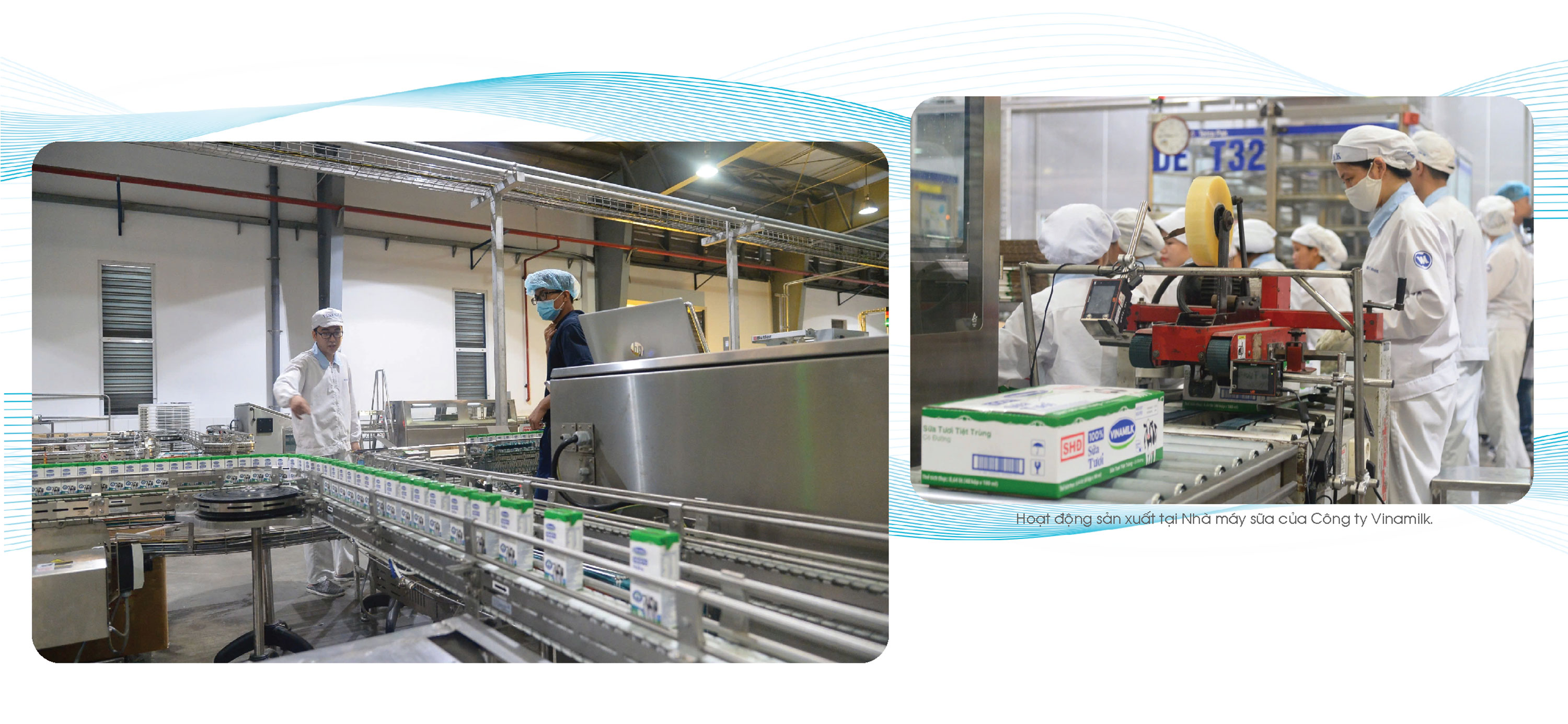
It must be said that, since the Doi Moi (Renovation) period in 1986, marked by the 6th National Party Congress, we can say that after 40 years of operation, we have a large number of enterprises, some of which have risen to become pillars of the economy. In terms of steel, Hoa Phat, along with Vietnam Steel Corporation and Formosa, are the three largest steel producers in Vietnam. In the automotive sector, of the three major companies, one has a Vietnamese brand, while the other two are assembly plants and are gradually increasing their localization rate. By 2030-2045, the 100th anniversary of the founding of Vietnam, we hope that with the open policies of the Party and State, enterprises from all economic sectors will be aware of the respect and support provided by the Party and State, and better understand their responsibilities towards the country's development.
At this point, I disagree with calling these 12 enterprises "national enterprises." Compared to the concept of national bourgeoisie in 1945, when independence was just gained, the contributions of capitalists and entrepreneurs (Trinh Van Bo, Bach Thai Buoi, etc.) to the resistance and national reconstruction were more concrete and created a strong nationwide movement. The circumstances for national capitalists in 1945 were much more difficult than those faced by businesses and entrepreneurs from 1986 to the present. Even now, the operating environment is different, but the influence and driving force of these 12 private enterprises are still not as strong as those of the previous generation.
We must recognize that while their capital, revenue, and profits may be much higher, except for a very few pioneering businesses that lead the way, the rest have not yet met expectations.
At this point, we shouldn't use the term "national enterprise" but rather call them "large enterprises."

At the recent meeting with the Government Standing Committee, 12 large private corporations proposed many issues to the Government. How do you assess these proposals? What are the common points to note in these recommendations, and what do they indicate, sir?
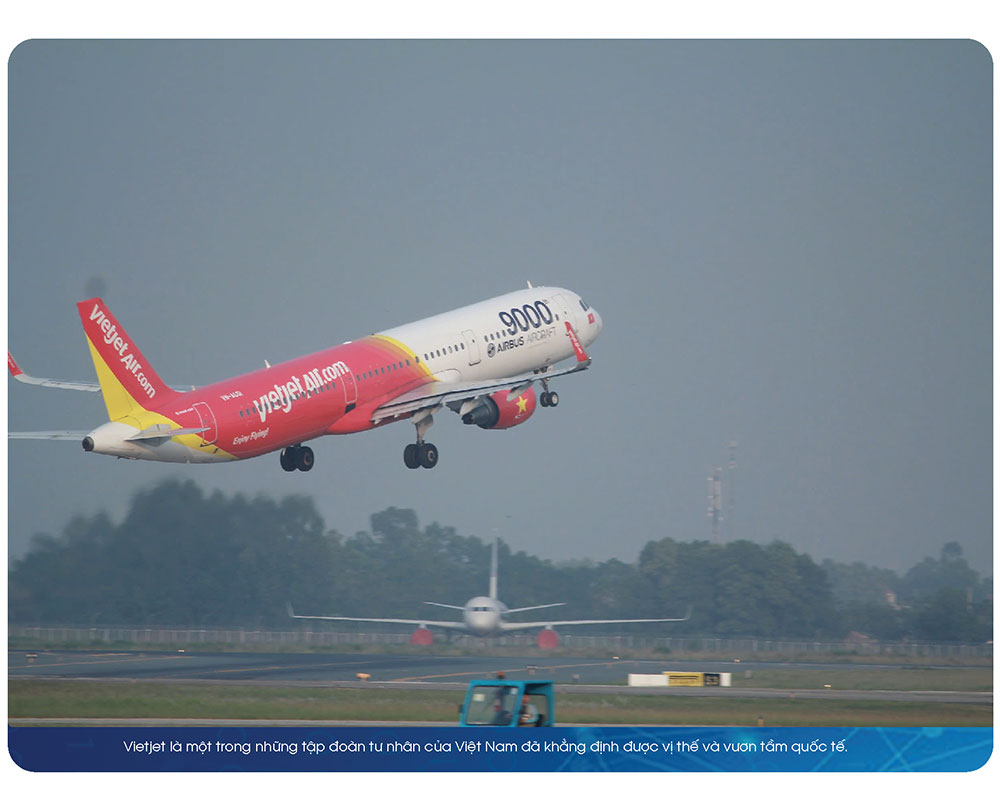
The common point is that the 12 businesses proposed further development in the context of unpredictable and volatile global and domestic economies. These proposals are relatively consistent with the wishes and capabilities of these businesses. However, the Prime Minister must strike a balance between the strategic goals we have set and the economic model we are building according to the 1991 and 2011 principles, which do not differentiate between types of businesses and are building a socialist-oriented market economy. For example, Vietjet's proposal to make Vietnam a regional and global aviation hub is part of the development strategy of the transportation sector and the country. Without this strategy, we wouldn't have built Long Thanh airport with a total investment of over 10 billion USD for both phases. As the Prime Minister said, public investment leads private investment. The issue here is that when the state has invested in infrastructure, businesses must utilize mechanisms to invest in the superstructure and aircraft equipment. At this point, public investment truly begins to take on a leading role.
For example, Hoa Phat's proposal to undertake the high-speed railway project is an issue that relevant authorities have proactively worked with Hoa Phat on for many years, making recommendations regarding the railway and the manufacturing of large-scale rail structures to serve the trains. The government will announce the project, the funding method, and will prioritize Vietnamese enterprises, including Hoa Phat and Vietnam Steel Corporation, as well as foreign-invested enterprises in Vietnam, to participate in the bidding process.


We find that the desire for a prosperous Vietnam coincides with the desire for business development. I believe that the next step should be openness, transparency, and non-discrimination.
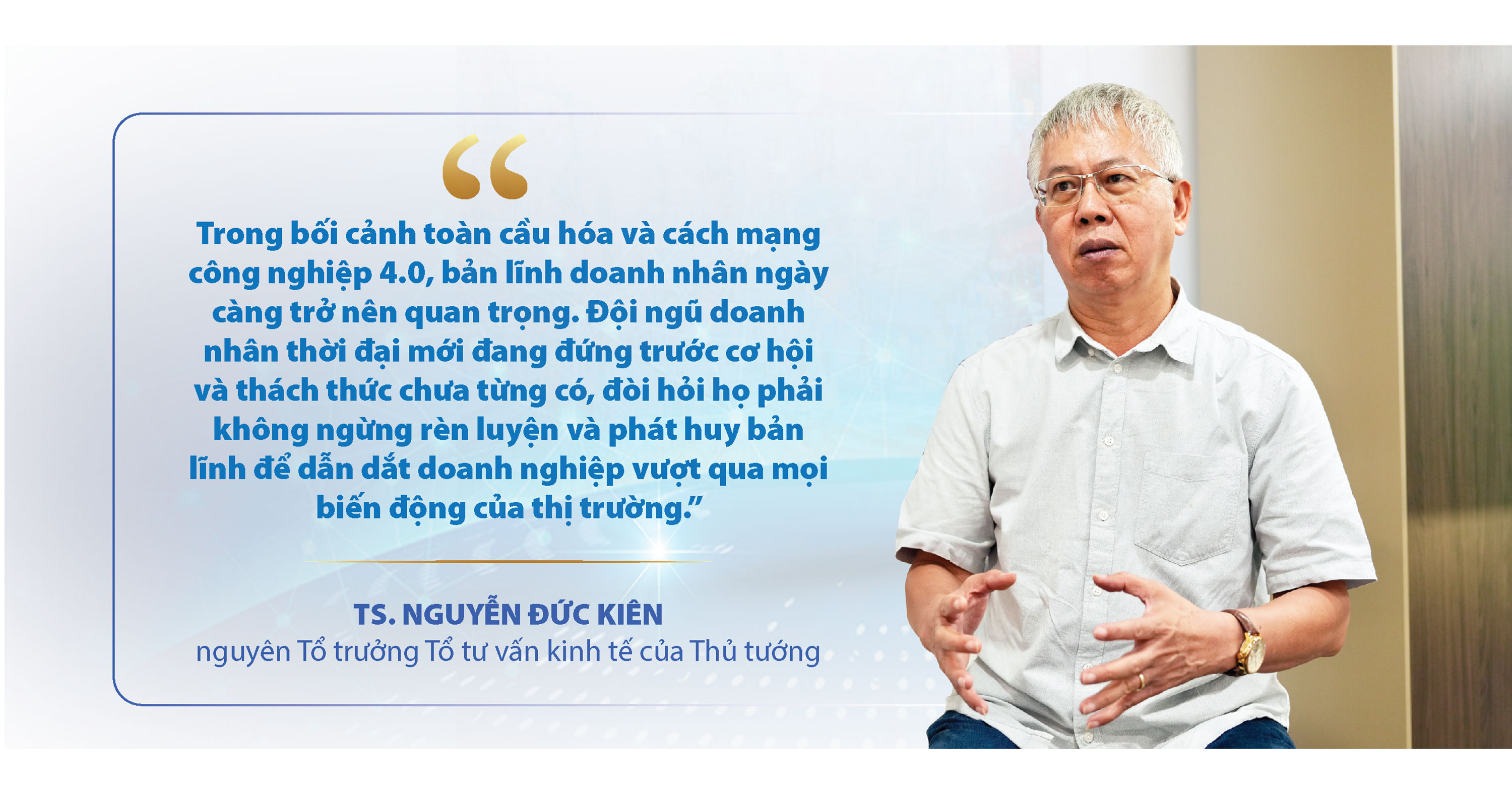
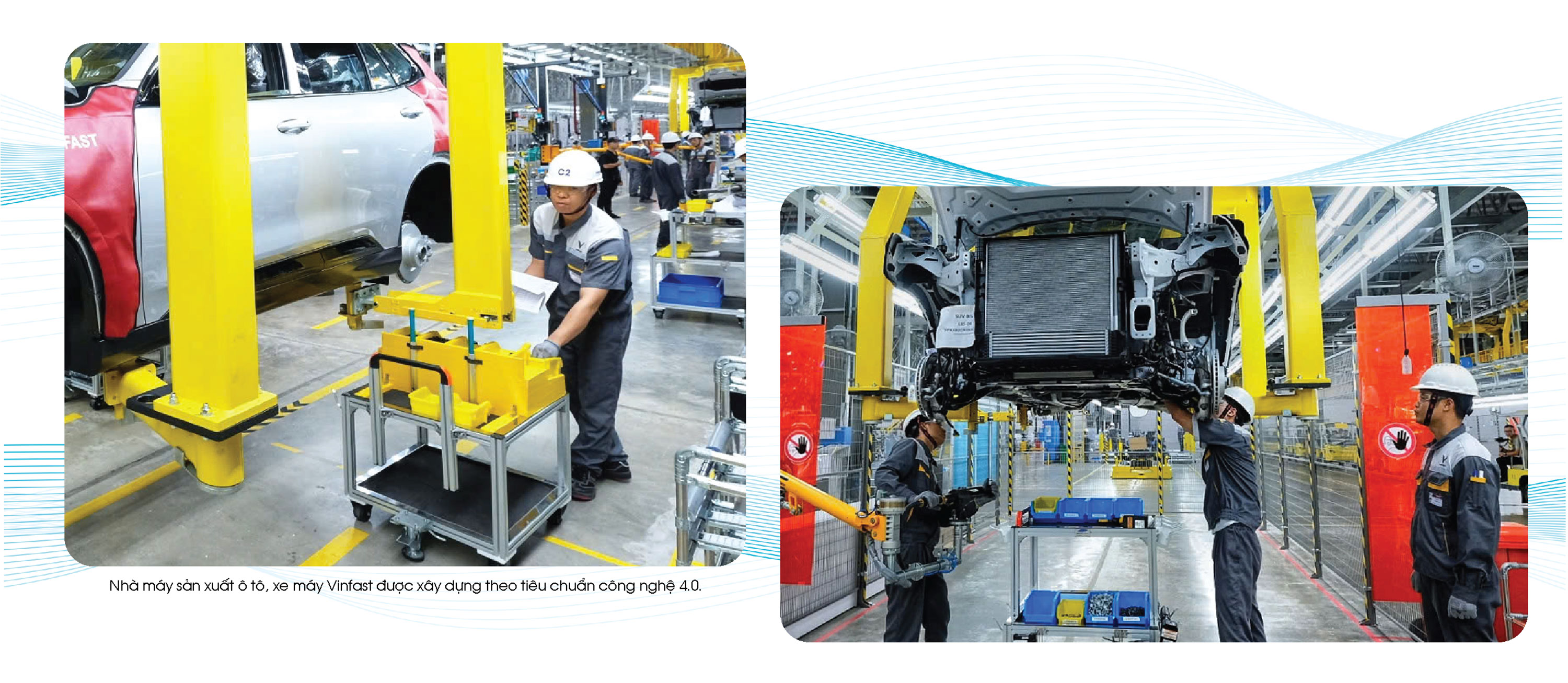
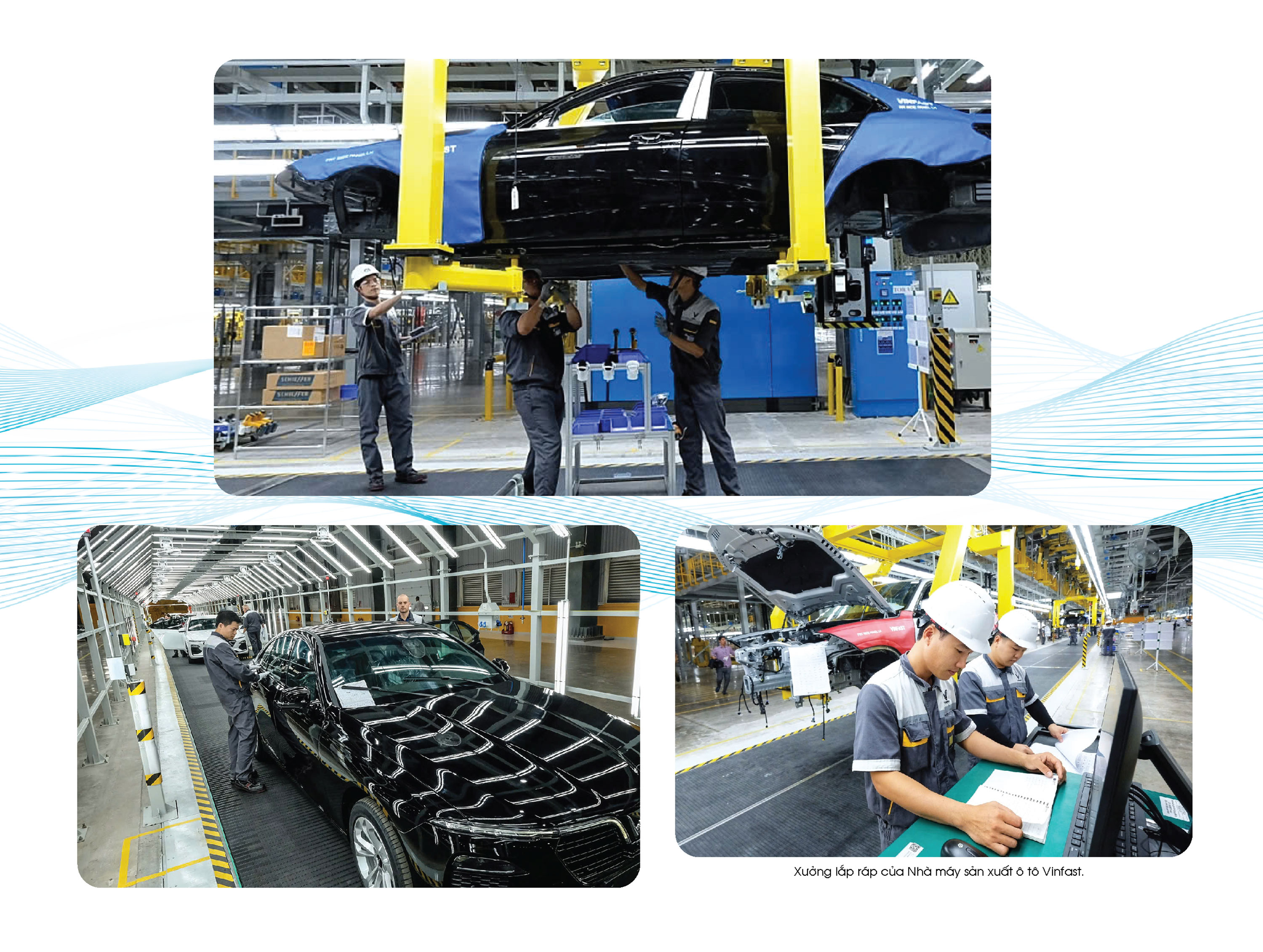
It is noteworthy that, in this latest proposal from some businesses, besides the goal of reaching global prominence, the focus is also on technology and leveraging Industry 4.0. This shows that these businesses are moving in the right direction and have the courage to carry out a national mission.
It can be said that applying the achievements of Industry 4.0 to production is an essential requirement today. It's not necessarily a requirement of the Vietnamese government, but rather a necessity in the context of global competition. We see that many private and state-owned enterprises have had to expand their operations. However, desire is one thing, the ability to implement it is another, and we must note that it is very difficult for developed countries to transfer technology and achievements to developing countries.
We should pay attention to the statement of the General Secretary and President at the 79th United Nations General Assembly. He said that technology transfer is almost an obligation for leading countries, in order to protect this planet and develop together while preserving the living environment.
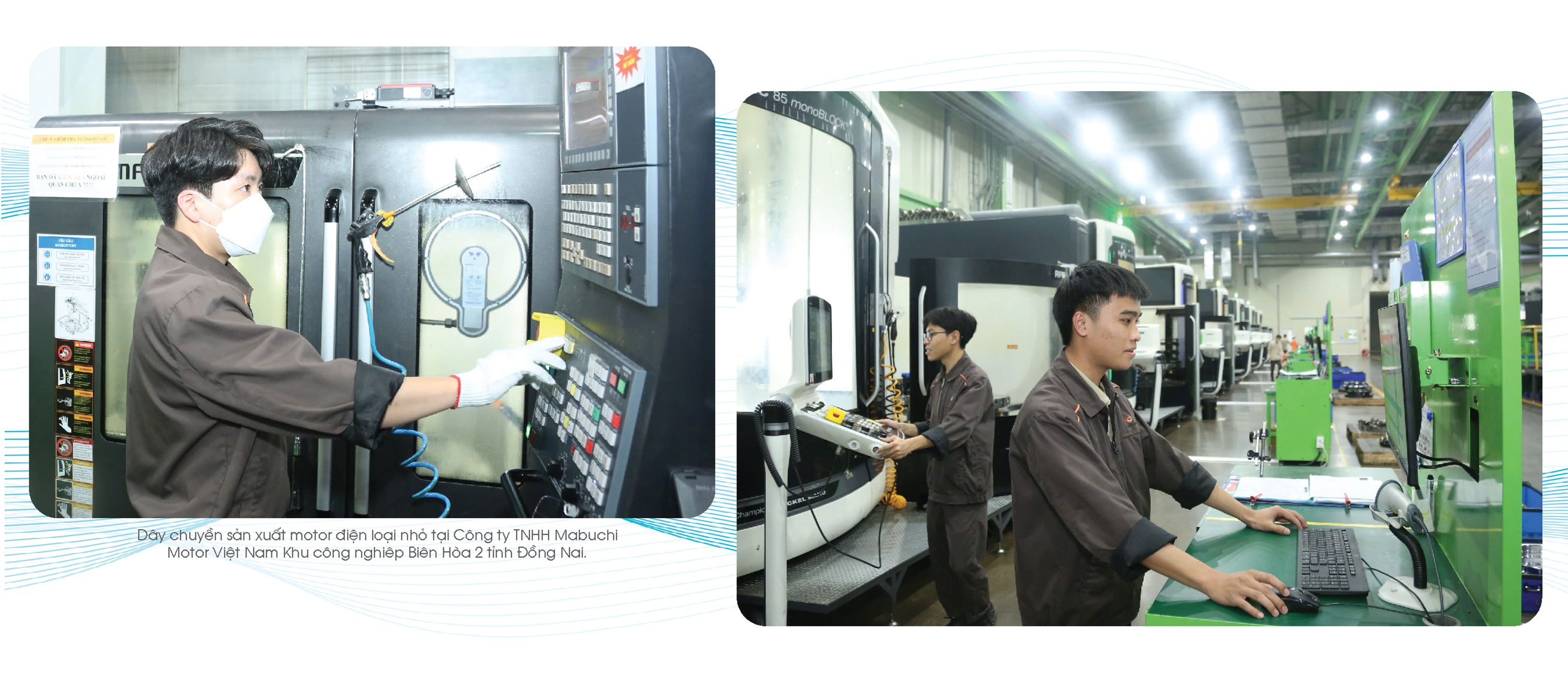
Up until now, we've seen that our technology transfer remains limited. We share the aspirations of businesses, who want the government to create a sufficiently large domestic market for Vietnamese businesses to have a foundation to expand globally, using that as a basic source of revenue to invest in development and acquire new technologies. As for being competitive, and how to compete, that itself requires the dynamism and creativity of businesses.
The Ministry of Planning and Investment believes that private enterprises, especially large-scale enterprises, possess significant resources in terms of capital, assets, technology, and high-quality human resources, and need to leverage their potential and play a pioneering and leading role. What major tasks could the government assign to private corporations? What are your views on this, and which sectors could they be assigned to?
We could entrust businesses with the responsibility of investing in infrastructure, and we would have public investment capital to provide the impetus. For example, with high-speed rail, the government would fund the design consultations, land acquisition, and the businesses would be responsible for purchasing the technology as required by the government and organizing the construction to deliver the project as the government desires. Similarly, steel companies need automation, energy production, quality materials, and human resources to create a product chain for railway technology.

The issue here, to be completely honest, is that while we're discussing entrusting large tasks to private corporations, we haven't specified the method of assignment. Therefore, I believe the key is competitive bidding.
Businesses must focus on social responsibility. If they only focus on profit without considering social responsibility, it will be very difficult for them to undertake long-term projects or address the issues that the country entrusts to them.

Some argue that, in addition to institutional and legal frameworks that create favorable conditions for private enterprises in general, a separate mechanism should be studied for private economic conglomerates. Would this constitute unfair treatment? What commitments would be required from these large enterprises?
From a research and state management perspective, I personally find those proposals unacceptable. In February 2023, the Prime Minister met with real estate businesses, and now, 18 months later, what have those businesses done for the country? Social responsibility and civic responsibility towards the nation cannot be achieved without specific sanctions and regulations. Marx said, "If the profit reaches 300%, they'd do it even if they were hanged," so our calm and desire for Vietnamese businesses to develop and stand shoulder-to-shoulder with the world's leading nations is a very correct aspiration. Creating conditions for them to develop alongside businesses with state ownership is what we are doing. But we must have sanctions.
For example, it requires technology, human resources, contributions to salaries and benefits for employees, but in what way, and it is mandatory to have linkages with other small and medium-sized enterprises.
He opposes special mechanisms for large private economic groups, so is there a legal framework that both promotes private businesses in general and empowers large private corporations?
For example, in the banking sector, there are currently nearly 40 joint-stock commercial banks in operation. Of these, 4 are state-owned joint-stock commercial banks with controlling stakes, and 2 are 100% state-owned. Even now, VP Bank, Techcombank, and TPBank are still operating successfully and expanding their branches. We should set conditions regarding capital, personnel, and market share, ensuring equality and non-discrimination.
We have examples demonstrating that open and equitable policies have yielded positive results in the financial, banking, and monetary sectors.
I believe that an open policy is needed, along with improvements to the business environment and general mechanisms, so that large enterprises with strengths in capital, management, human resources, and operational capabilities will rise and break through.


The government aims to form and develop many strong private economic groups with potential and competitiveness in both domestic and international markets. Between now and 2030, at least 10 Vietnamese entrepreneurs will be included in the list of the world's USD billionaires. What are your thoughts on the view that we should encourage and create a movement for each locality to build its own leading private enterprises, based on local advantages and expanding their operations nationwide?
Currently, we are doing this, for example, Thaco is based in Quang Nam, Thanh Cong Hyundai has chosen Ninh Binh as its headquarters, Vinfast has chosen Hai Phong. Hoa Phat has an office in Hanoi but factories everywhere. Local authorities are creating many favorable conditions.
In the context of globalization and the Fourth Industrial Revolution, entrepreneurial spirit is becoming increasingly important. The new generation of entrepreneurs faces unprecedented opportunities and challenges, requiring them to continuously hone and develop their skills to lead their businesses through the vicissitudes of the market.
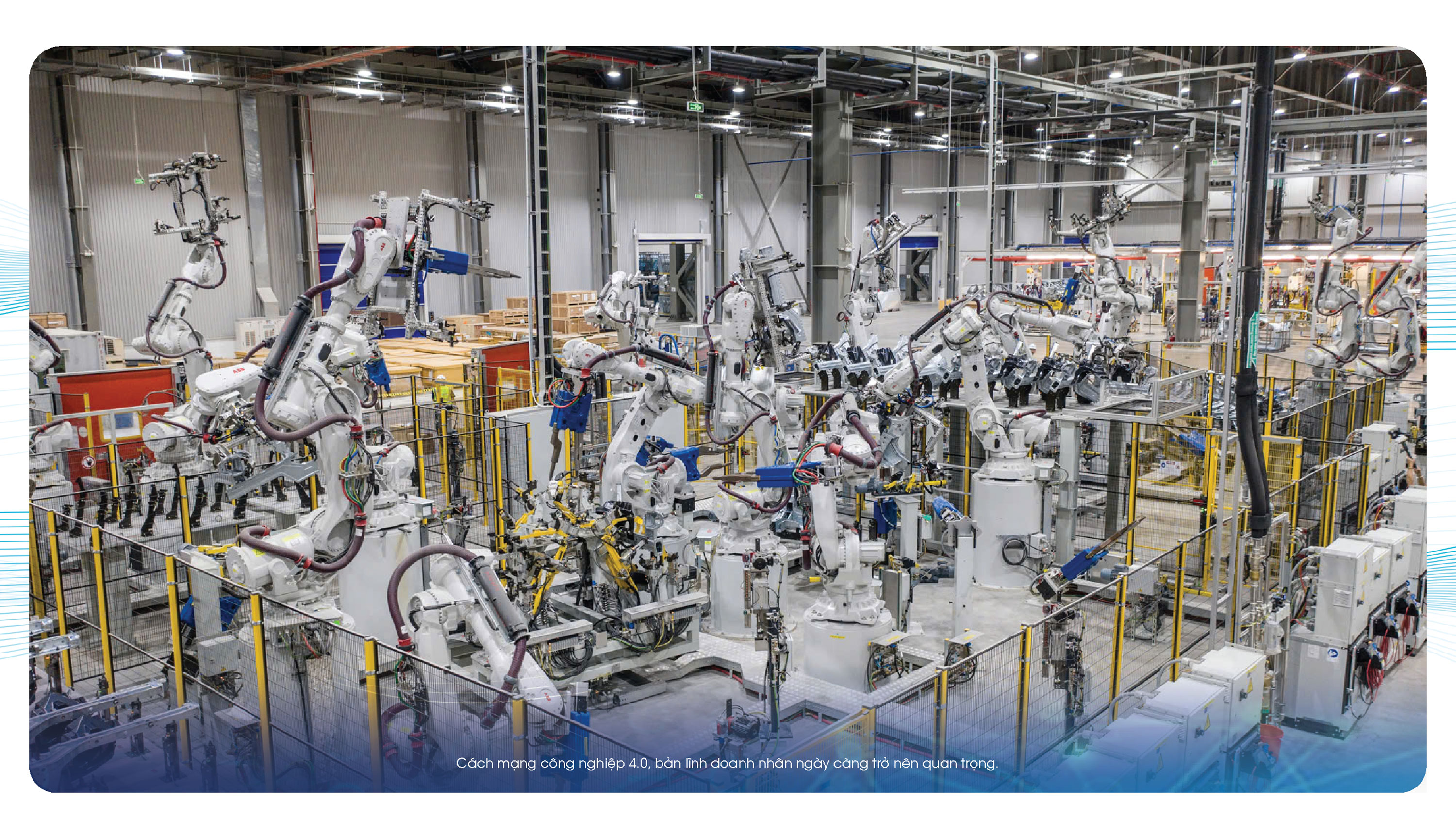
Therefore, Vietnamese entrepreneurs need to continue researching and developing new solutions to build and enhance their role in achieving the country's economic development goals. Along with this are the increasingly high demands for improving the capacity, qualities, and standards of human resources in leadership, management, and business administration, building a team of entrepreneurs with sufficient talent, integrity, and vision to meet the changing and increasingly challenging context of the domestic and international business environment.
The achievements of large private economic groups are significant for the economy, but attention must also be paid to the "flock of sparrows"—the domestic business community comprising small and medium-sized enterprises, individual business households, and private businesses. As a result, this economic sector still faces significant challenges in accessing land, obtaining credit, and seizing new business opportunities to grow.
It's important to note that 98% of private enterprises nationwide are small and medium-sized enterprises (SMEs). Therefore, while "building a nest to welcome eagles," we shouldn't forget to "prepare a nest for sparrows" by improving the business environment and creating more equitable access to resources for domestic businesses to develop. When that happens, the private sector will contribute more to the growth of the national economy.
Thank you, sir!
08:52 30/09/2024
Source: https://kinhtedothi.vn/bai-toan-huy-dong-khoi-tai-san-70-ty-usd.html



![[Photo] Prime Minister Le Minh Hung presides over the thematic session on promoting science and technology development and innovation.](https://vphoto.vietnam.vn/thumb/1200x675/vietnam/resource/IMAGE/2026/06/23/1782207872934_ndo_br_dsc-1724-jpg.webp)