In the trend of digital transformation, many media organizations have taken advantage of new technological platforms. As a result, some newspapers have continuously grown and expanded their reach. Some online newspapers and fan pages have surpassed the readership of traditional newspapers. However, the increasingly rapid pace of information demands greater social responsibility from each media organization and journalist to ensure accurate, complete, and meaningful information is delivered to the public.
Readers' information consumption habits are constantly changing, shifting from traditional newspaper reading and television viewing to accessing news and information through apps or social media platforms like Facebook, Zalo, YouTube, and WhatsApp. The question of how to digitally transform journalism to retain readers, attract attention, and increase advertising revenue is a pressing issue for every media organization, especially online newspapers. In the current context, with readers increasingly turning to digital platforms on the internet, journalism must also adapt to meet public demand.
VNA utilizes digital platforms as an effective content distribution channel to widely disseminate information to users worldwide.
VietnamPlus, the online newspaper of the Vietnam News Agency (VNA), constantly updates itself on digital transformation trends and multimedia information access approaches; investing in modern content presentation and presence across multiple platforms to serve a wide range of readers.
Beyond its role in providing insightful and informative content, VietnamPlus online newspaper has expanded its distribution across digital platforms. Specifically, in addition to its Vietnamese-language fanpage, VietnamPlus has created accounts on other widely used platforms such as Zalo, TikTok, MyClip, and Twitter. VietnamPlus's news articles are also presented in a modern style, such as 1:1 videos in mutex format (commentary delivered via subtitles over copyrighted music), catering to the tastes and viewing habits of people using phones and tablets.
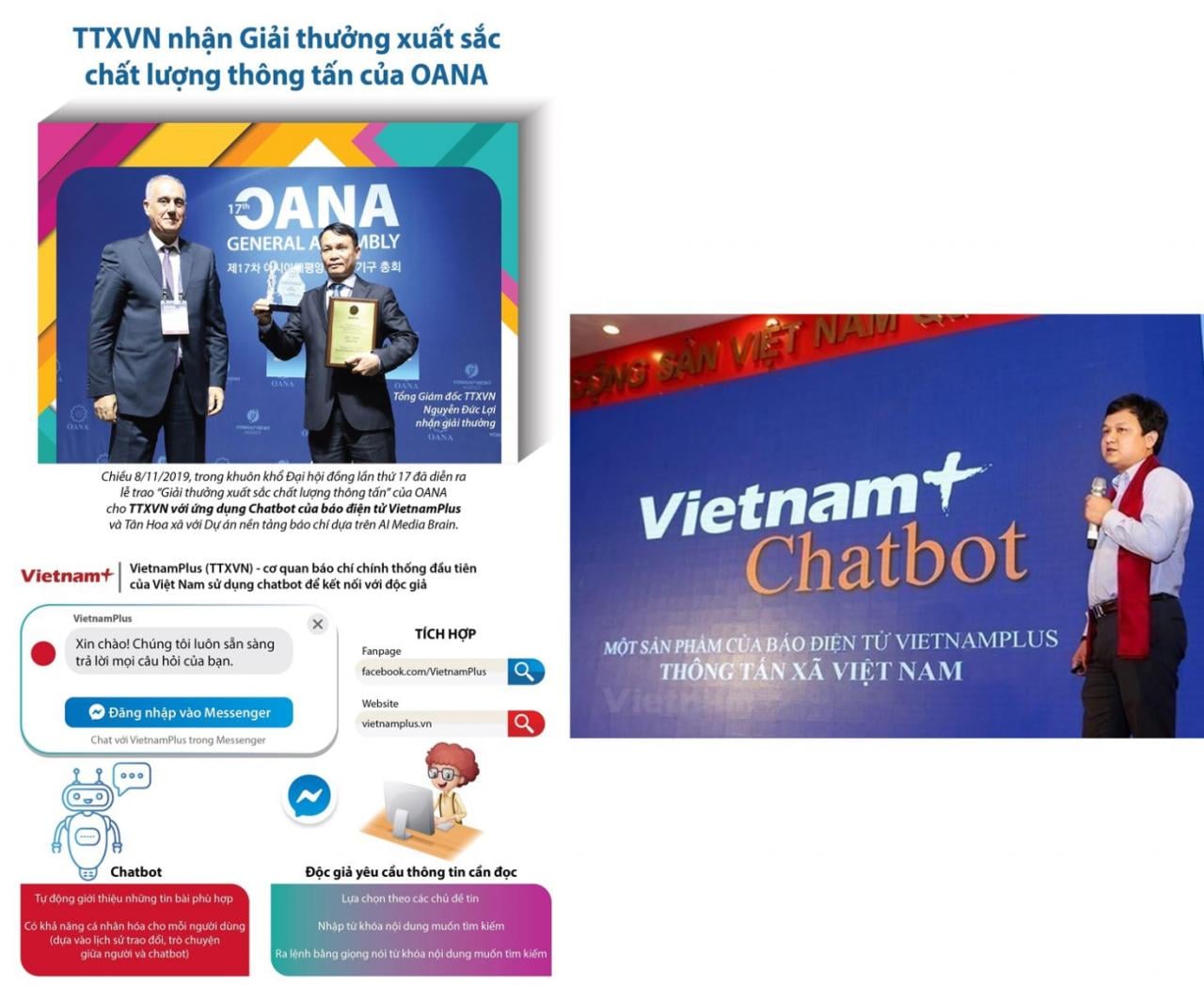
The Vietnam News Agency's chatbot product won the OANA News Agency Quality Award. This award was voted on by member news agencies of the OANA Executive Board at the 44th OANA Executive Board Meeting, held in Hanoi (Vietnam) from April 18-20, 2019.
Currently, several modern journalistic products utilizing artificial intelligence are being implemented. VietnamPlus applies AI tools to increase its user base, deliver personalized messages to readers with varying needs, and suggest favorite content in the form of newsletters or editor's picks.
According to Nguyen Hoang Nhat, Deputy Editor-in-Chief of VietnamPlus: "For a long time, VietnamPlus has planned to build a digital ecosystem, bringing news to digital platforms. Recent studies show that the trend of readers shifting to digital platforms is increasingly developing. In this context, journalism must keep up with this trend, anticipating readers, because wherever there are readers, there is journalism. In the future, VietnamPlus will continue to focus on developing on digital technology platforms, producing multimedia information products in line with new, modern journalistic trends; making maximum use of social media channels to disseminate information, saving costs, and adapting to technological development trends and changes in readers' methods of accessing information..."
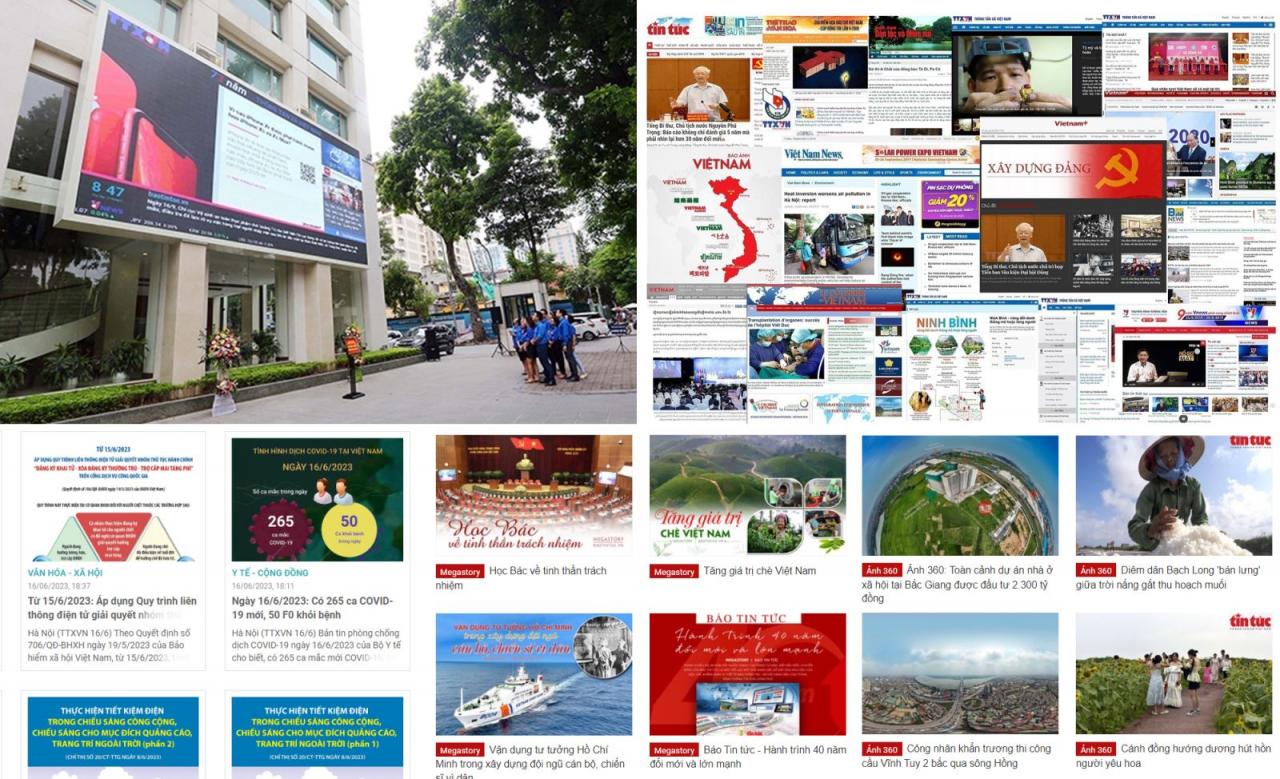
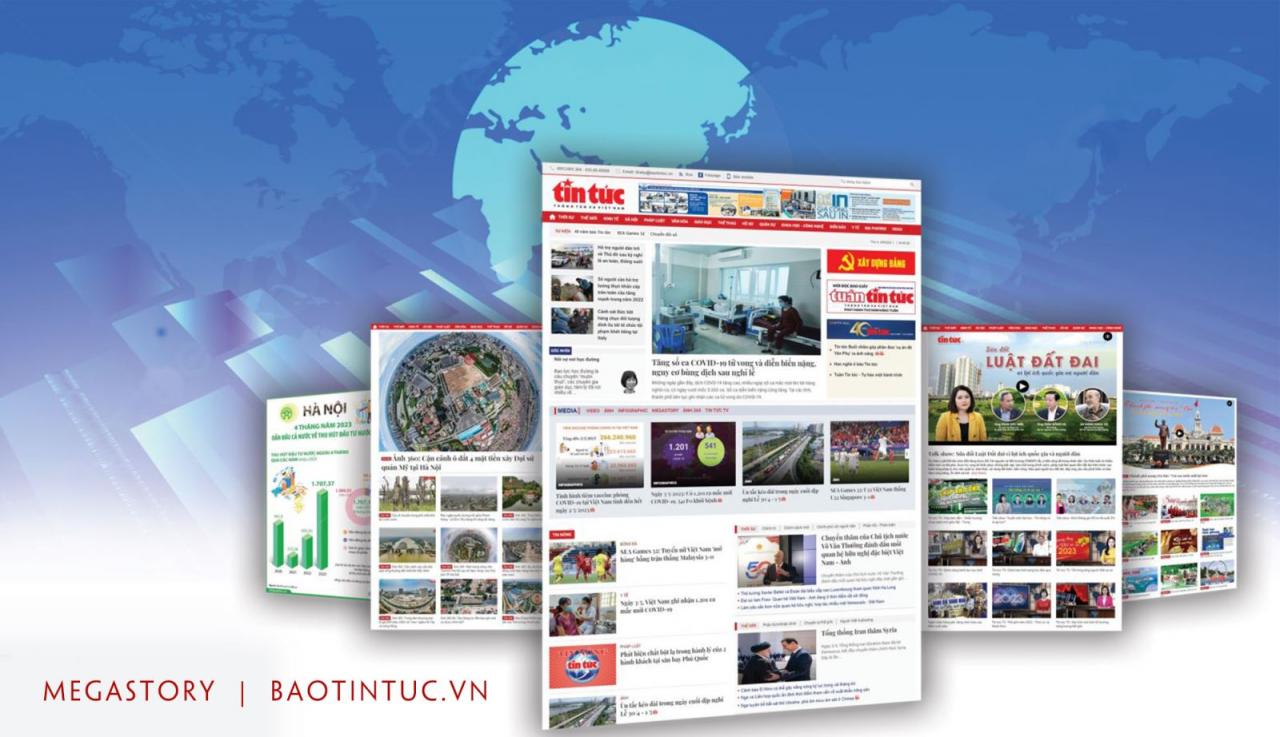
At the News Agency (VNA), the editorial board launched a campaign to "Promote digital transformation, making the News Agency a strong multimedia news unit." Articles on the online newspaper have shifted towards multimedia, integrating numerous photos, videos, and clips; creating voiceovers and text effects... bearing the News Agency brand. The MegaStory articles are meticulously crafted and engaging; the 360-degree photo section on the News Agency's online newspaper has made a positive impression on readers...
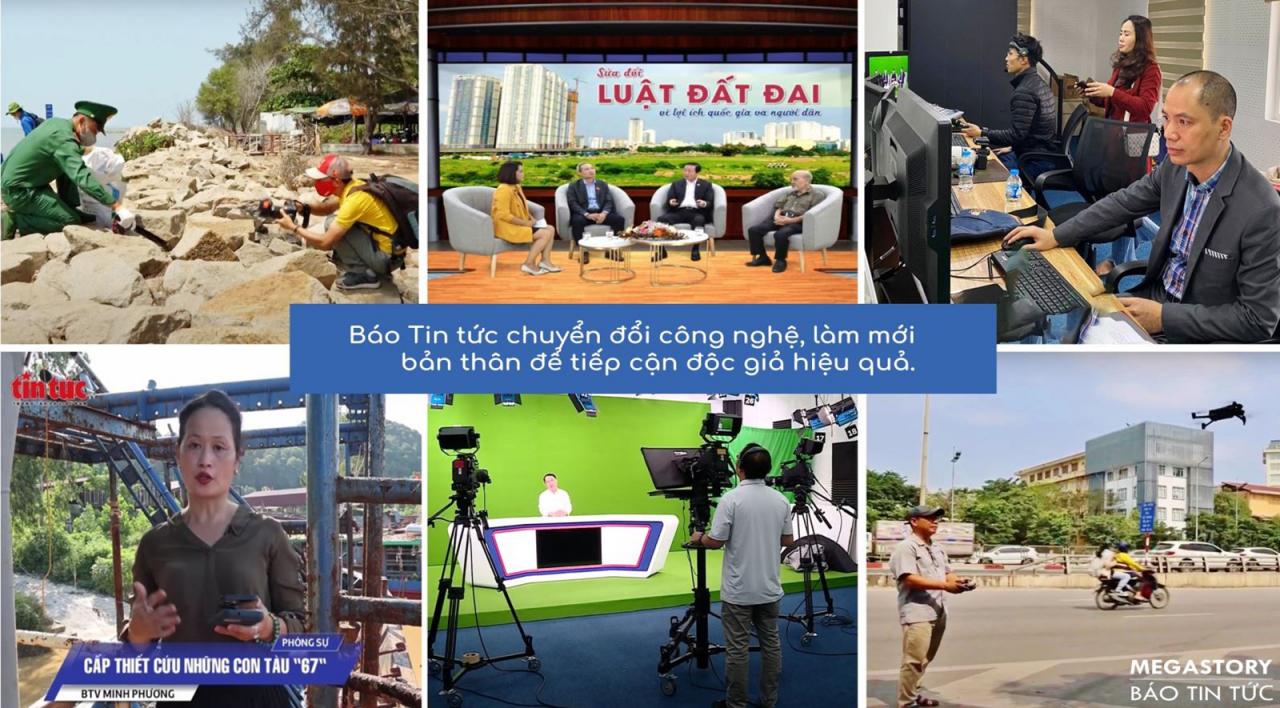
In particular, in 2022, the editorial board of Tin Tuc Newspaper directed the development and implementation of the Tin Tuc TV television program, focusing on two key areas: talk shows and television documentaries on major socio-economic issues. After one year of implementation, dozens of in-depth programs were produced, gaining recognition and contributing to improving the effectiveness of multimedia information, delivering official information to readers quickly and efficiently.
Mr. Le Quoc Minh, Editor-in-Chief of Nhan Dan Newspaper, Deputy Head of the Central Propaganda Department, and President of the Vietnam Journalists Association, emphasized: “In the context of the world in general, and the journalism industry in particular, being swept up in the whirlwind of technological transformation, and in the current storm of abundant information, the involvement of Tin Tuc newspaper in renewing itself, while maintaining its authoritative position and competing with many diverse sources of information, presents enormous challenges. However, it can be said that Tin Tuc newspaper has still successfully fulfilled its mission… The innovations of the Tin Tuc newspaper team create new vitality, new youthfulness, and new dynamism for Tin Tuc newspaper, a very important publication of VNA.”
The TV news program, MegaStory articles, and 360-degree photo section on the online newspaper Tin Tuc are increasingly making a good impression on a large number of readers.
Along with VietnamPlus, Tin Tuc newspaper, and other industry newspapers, VNA (Vietnam News Agency) has implemented digital transformation very early on, with the motto: Digital transformation must go hand in hand with maintaining fundamental values, ensuring the practicality and humanistic nature of information, leveraging the strengths of each information unit and each domestic and foreign bureau, creating the combined strength of the national leading multimedia information agency. Besides maintaining traditional newspaper publishing and distribution methods, VNA has proactively and actively disseminated information on social media to widely spread official information sources, contributing to the political task of propagating the Party and State's guidelines and policies; and providing official information to a wide audience.
The information units and publishing units of VNA have strongly innovated the content and format of information, applying many new information types such as infographics, longform (integrating news, images, videos, charts, etc. in the same product), megastory (journalistic works including audio, video, images, and data presented using digital technology), timeline (compiled documentary information in chronological order), and actively disseminating information about Vietnam on social media applications in multiple languages: Vietnamese, Chinese, Russian, English, French, Spanish, etc., diversifying the methods of expressing foreign affairs information, and successfully fulfilling the role of the leading national foreign affairs press agency.
Currently, VNA has 14 Facebook-verified fanpages aimed at disseminating official information, truthfully reflecting the main currents of life, vividly showcasing achievements in the country's renovation, construction, and development, as well as in the current anti-corruption campaign initiated by the Party. These Facebook pages, in various languages, have proven effective in carrying out their information and propaganda tasks. VNA utilizes digital platforms as an effective content distribution channel, especially for multimedia content in multiple languages, widely disseminating information to users globally.
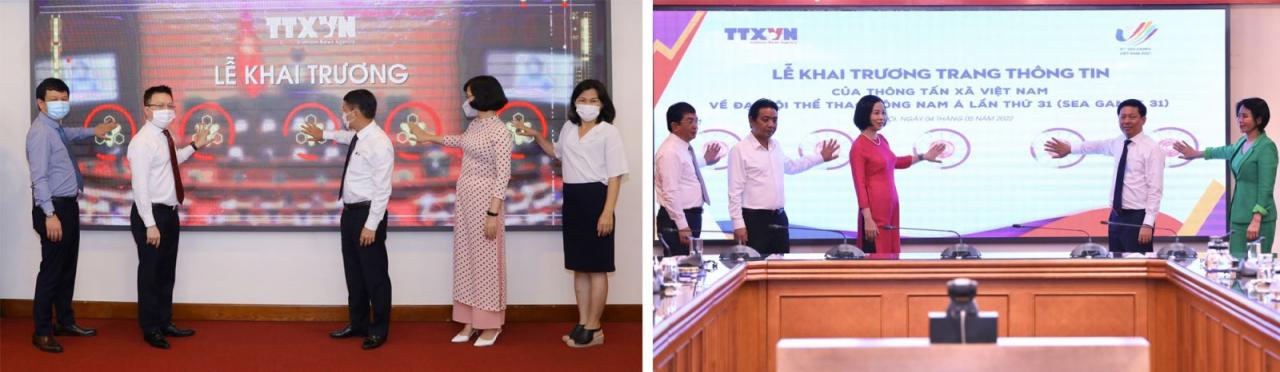
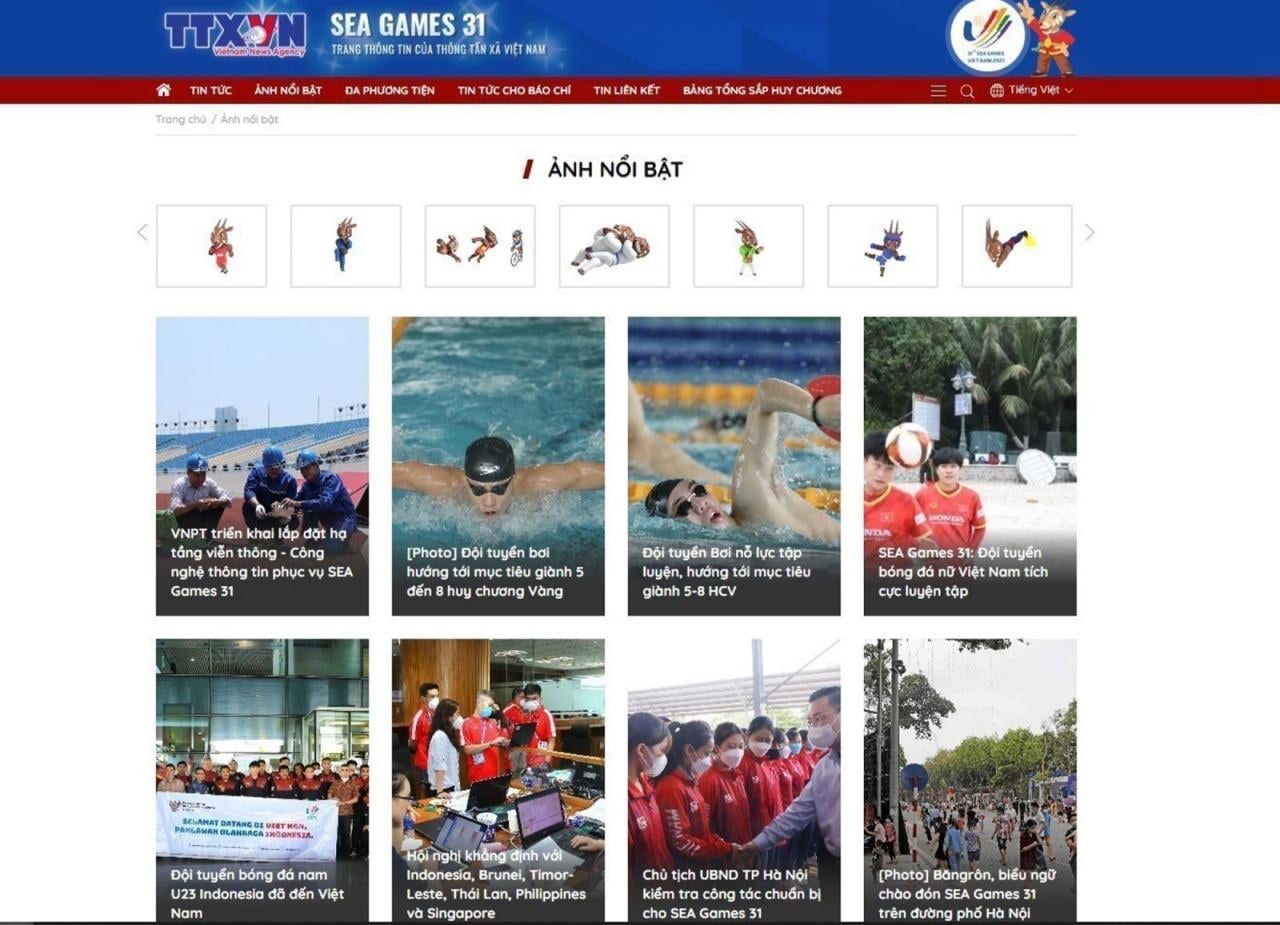
The opening ceremony of the Vietnam News Agency's special information page on the election of National Assembly deputies and People's Council representatives at all levels for the 2021-2026 term, and the opening ceremony of the information page on the 31st SEA Games.
According to VNA General Director Vu Viet Trang, for VNA, culture and creativity are two parallel elements, ensuring that each journalistic product is a crystallization of cultural values and political ideology. The application of modern technologies contributes to refreshing familiar information topics, specifically artificial intelligence (AI). This is a breakthrough that is gradually changing the way we think and work. To master technology and make it useful, we need to understand the technology and use human intelligence to create added value for digital applications. Only then will AI tools have the capacity to meet modern needs.
Journalist Tran Anh Tu, Deputy Editor-in-Chief of the Information and Communication Magazine, shared: "Talking about digital transformation in journalism means talking about the strategy of each media organization. Digital transformation is not unique to the field of journalism, but applies to all industries and sectors. For journalism, the application of digital technology allows media organizations to automate work processes in all departments, reducing time and operating costs. Thus, instead of having to go to the newsroom to write articles, reporters can use software to deliver information to editors, and editors can publish the information on online newspapers or other platforms. This process helps media organizations save costs and time, and deliver information quickly to readers." With digital transformation, news organizations will have access to a large source of input data. Combined with the application of technology and automation, this will enable them to develop new, faster journalistic processes that meet reader demands, create new market needs, and increase interaction between journalists and the public.
VNA utilizes digital platforms as an effective content distribution channel, especially for multimedia content in multiple languages, to widely disseminate information to users worldwide.
Simultaneously, with the application of new technologies such as AI and Big Data, journalism can create more journalistic products, such as megastories, timelines, 360-degree photos, and 360-degree videos, meeting the diverse needs of the public. Digital transformation and the application of technology will help media organizations build systems to collect customer data, gradually aiming to enhance customer experiences and meet their needs. With the direction of the Ministry of Information and Communications, in the future, Vietnam will have many digital ecosystem platforms, such as digital radio platforms, online newspaper platforms, and digital television platforms. Furthermore, the application of technology can facilitate electronic payments, leading to the development of a newer type of journalism: paid journalism. Currently, in Vietnam, several newspapers, such as VietnamPlus of the Vietnam News Agency (VNA), or the online magazine Ngày Nay of Vietnamnet, and some others, have various forms of paid journalism, but they need to apply more technology to create payment options for readers.
Media organizations must place technology at the center of their digital transformation process. This means that all activities of the media organization, from human resources administration to operational activities, must be carried out within a single software platform to facilitate digital transformation. Furthermore, each media organization needs to strengthen its efforts to gather information directly from its readers – its primary target audience. Technology, or in other words, digital transformation in journalism, creates many advantages, or more broadly, uses technology to analyze reader behavior and habits to create personalized products. This analysis of behavior and habits can only be achieved by applying reader measurement technology across media platforms, thereby creating new information product models suitable for diverse reader types. By better serving readers, media organizations can diversify and increase revenue. This is the advantage of media organizations in the digital transformation of journalism," said Mr. Tran Anh Tu.
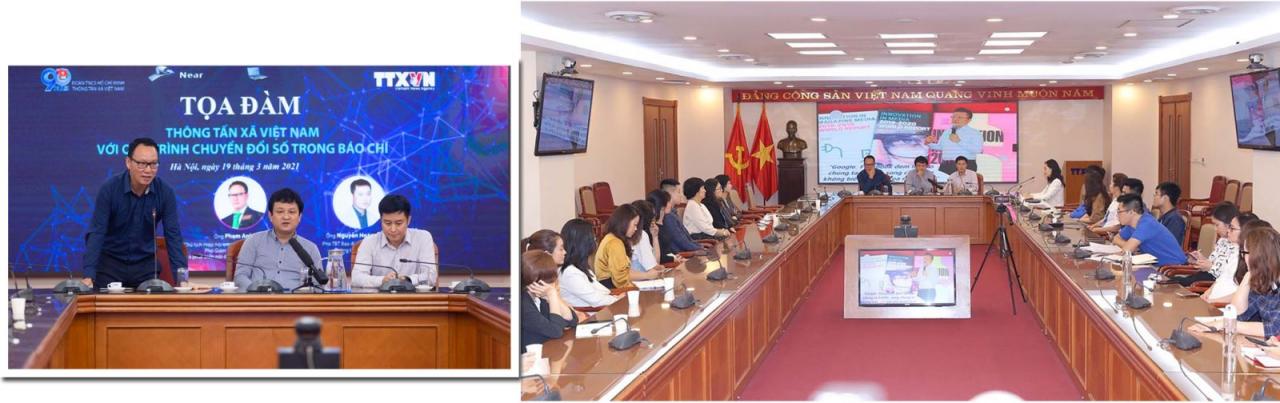
A view of the seminar themed "VNA and the digital transformation process in journalism".
Speaking at the "Digital Transformation in Journalism Training" program organized by the Press Department (Ministry of Information and Communications) in collaboration with Google, Mr. Le Quoc Minh, Editor-in-Chief of Nhan Dan Newspaper, Deputy Head of the Central Propaganda Department, and President of the Vietnam Journalists Association, stated that along with content transformation, digital transformation in journalism also involves a cultural transformation within the newsroom, from infrastructure management using artificial intelligence systems to operational processes from administrators to editors and reporters. Each media organization has a different approach to digital transformation; they should invest in and apply technologies that suit their newsroom, avoiding mechanical application or blindly following trends. The important thing is that everyone must work together, adjusting as they go, to achieve effective digital transformation. The future of journalism depends on building closer interactive relationships with readers. A reader-centric digital transformation strategy can help boost revenue and advertising. News organizations need to adjust their advertising plans based on understanding reader trends and collecting reader data directly.
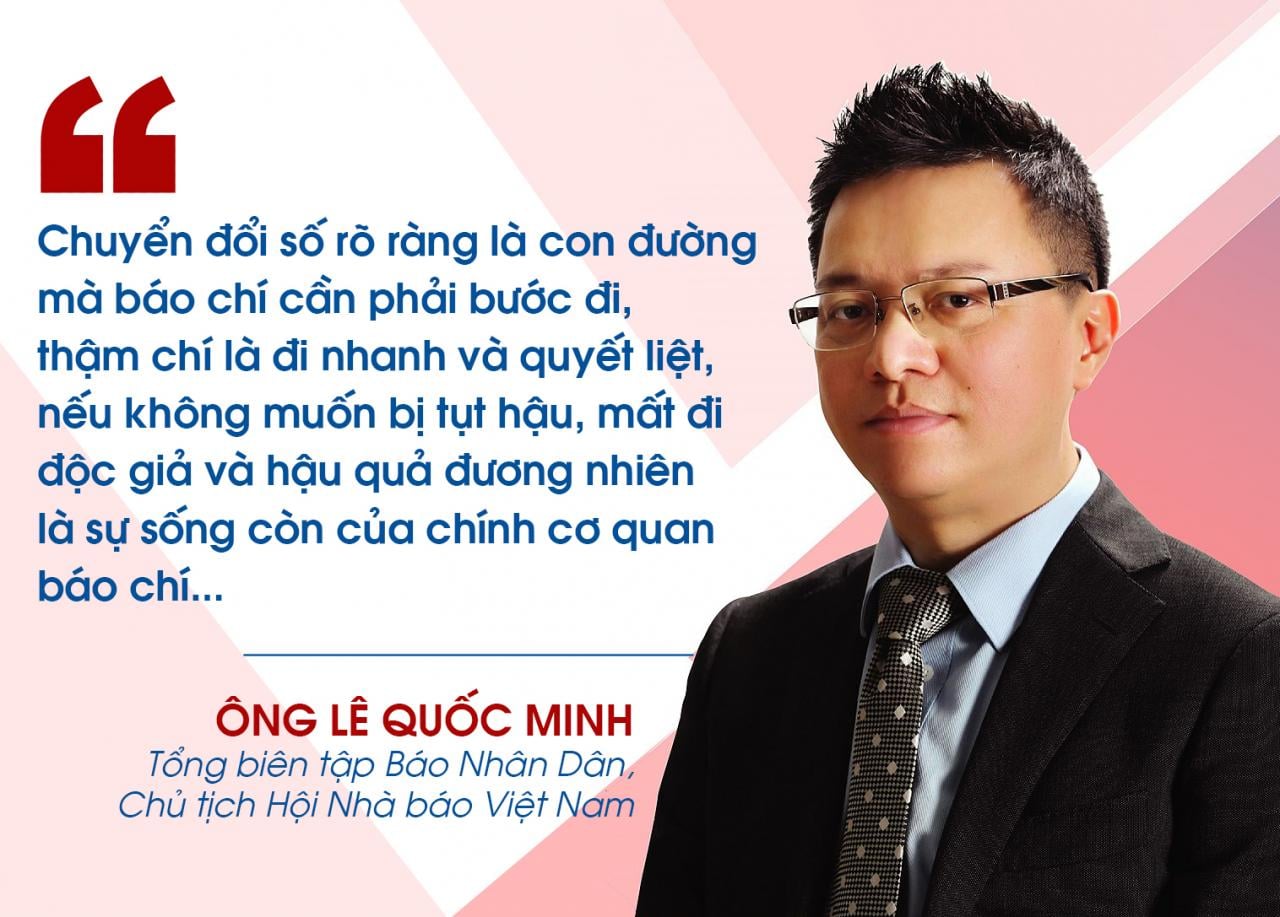
Digital transformation is clearly the path that the press needs to take, even quickly and decisively, if it doesn't want to fall behind, lose readers, and inevitably, jeopardize the very survival of the media organization. In the field of journalism, digital transformation doesn't discriminate between large and small newspapers. A small newspaper with an effective digital transformation strategy, retaining loyal readers and maintaining the content it provides, will have a higher chance of successful digital transformation than large newspapers without the right strategy," shared Mr. Le Quoc Minh.
Digital transformation in all fields, including journalism, is an inevitable step. Every media organization, in addition to defining appropriate strategies and steps, needs to focus on training its reporters and journalists. Conquering digital transformation, technology, and the use of artificial intelligence in professional activities depends heavily on the capabilities and skills of journalists, especially young journalists. At the same time, modern development trends increasingly demand that each journalist possess a clear conscience, integrity, and sharp writing skills, overcoming difficulties and challenges to create truly high-quality products.
The Strategy for Digital Transformation of Journalism until 2025, with a vision to 2030, was issued by the Government in April 2023. Its goal is to build media organizations that are professional, humane, and modern; to ensure their leading role in guiding public opinion, maintaining information sovereignty in cyberspace; and to effectively fulfill their mission of disseminating information to serve the revolutionary cause of the Party and the country's reform process. This can be considered an important document supporting the digital transformation of journalism towards a professional, humane, and modern direction.
Mr. Luu Dinh Phuc, Director of the Press and Information Department, provided information about the establishment of the Center for Supporting Digital Transformation in Journalism.
Subsequently, on May 8, 2023, the Minister of Information and Communications, Nguyen Manh Hung, signed Decision No. 781/QD-BTTTT promulgating the Action Plan for implementing the Strategy.
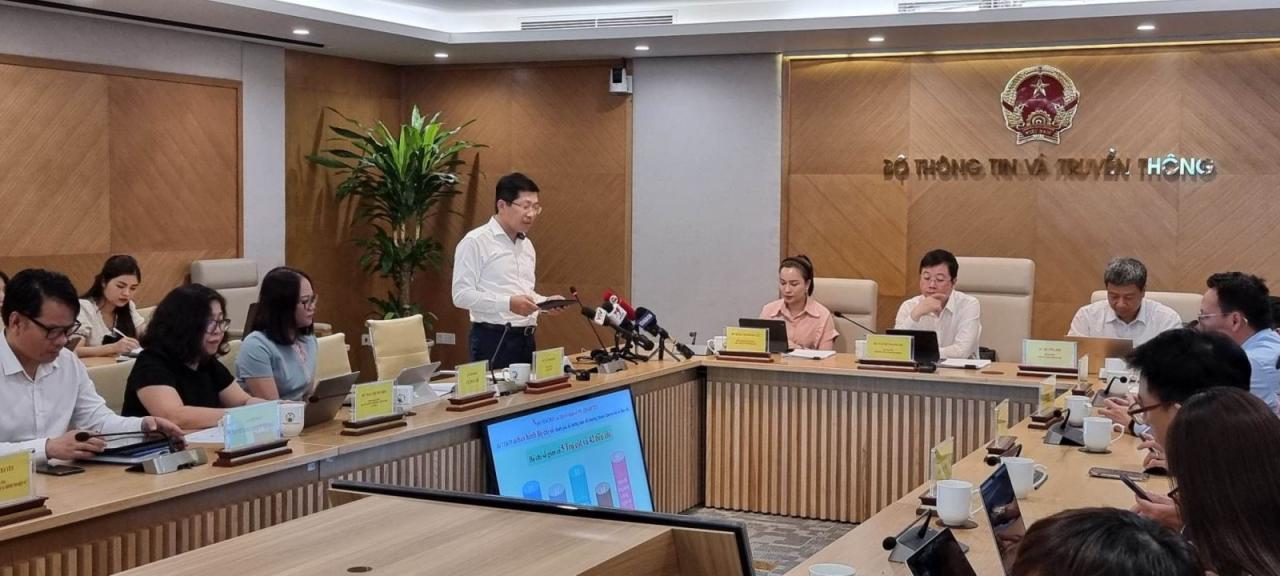
On June 5th, the Ministry of Information and Communications announced the establishment of the Center for Supporting Digital Transformation in Journalism; provided information on the set of indicators for evaluating the maturity level of digital transformation in journalism; and introduced an online portal for software tools to assess and measure the maturity level of digital transformation in journalism.
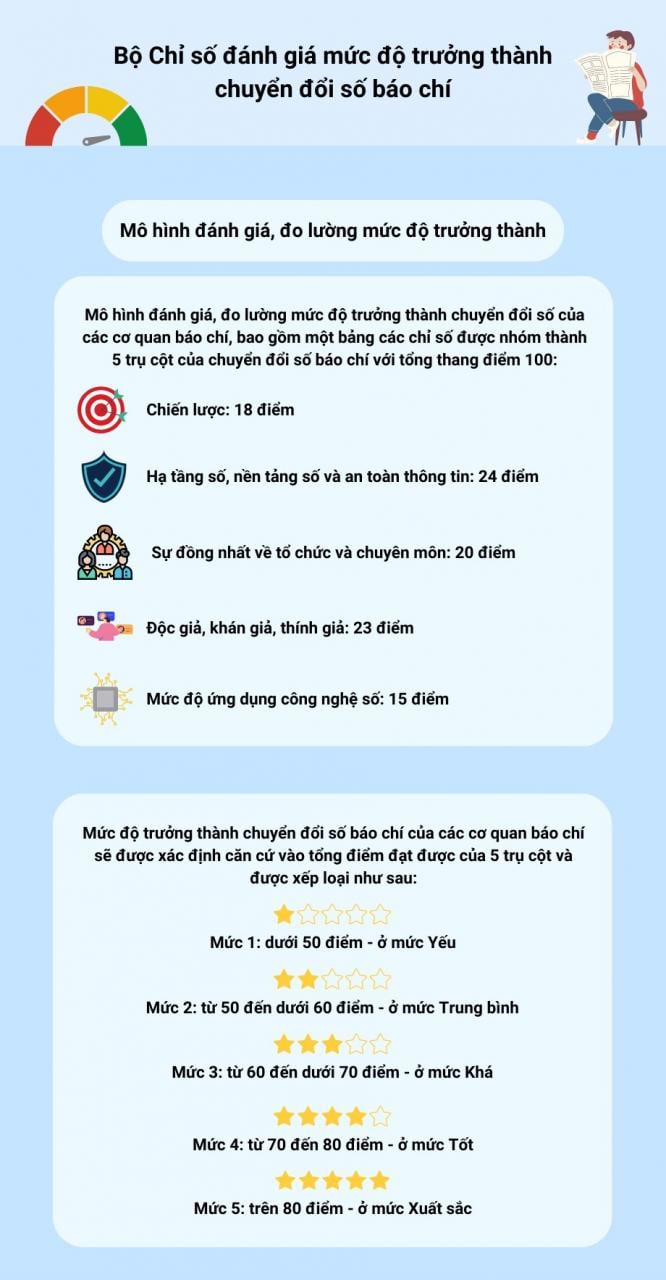
Accordingly, the Center for Supporting Digital Transformation in Journalism is the focal point for providing information, documents, and guidance to media agencies in measuring and evaluating the maturity level of digital transformation in journalism; supporting training and workshops to raise awareness, knowledge, and skills; and mobilizing resources from businesses to accompany the goals of the program supporting digital transformation in journalism… The model for evaluating and measuring the maturity level of digital transformation in media agencies includes 42 criteria divided into 10 component indicators and grouped into 5 pillars of digital transformation in journalism, with a maximum total score of 100 points. Below 50 points is considered weak; from 70-80 points is good; and above 80 points is excellent. After being assessed and evaluated, media agencies will be awarded a Certificate of Maturity in Digital Transformation in Journalism by the Ministry of Information and Communications. The ranking will be published annually, including: Strategy, digital infrastructure; Digital platforms and information security; organizational and professional consistency; readers, audiences, listeners, and the level of digital technology adoption.
As the governing body for press, media, and information technology, the Ministry of Information and Communications has, from an early stage, proposed numerous solutions to support the digital transformation of press agencies. For example, in early 2021, the Ministry developed a program to support digital transformation for press agencies, with three main platforms. The first is an electronic newsroom management platform, enabling the creation of a modern, converged newsroom that brings all journalistic operations to the digital environment. The second is a platform for analyzing information and public opinion on social media, helping press agencies to promptly grasp information and public opinion, thereby identifying information needs and producing articles that meet readers' expectations at the right time. The third is a platform to support attack prevention and emergency response for the information systems of press agencies, creating a shield to protect their operations in the digital environment.
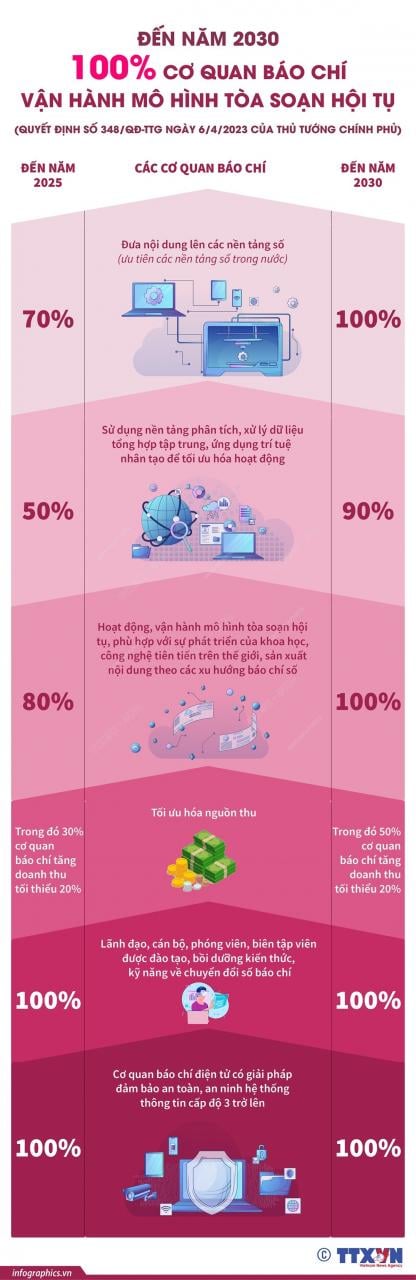
Affirming that digital transformation is the inevitable path for journalism, journalist Tran Anh Tu, Deputy Editor-in-Chief of the Information and Communication Magazine, stated that the Journalism Digital Transformation Strategy to 2025, with a vision to 2030, is of great significance. In the past, some media outlets have not been determined or decisive in digital transformation because they felt no need to change, still had income, and had not experienced a decline in revenue, or if they did, the decline did not pose a major risk. The approval of the journalism digital transformation strategy has created a "runway," providing direction for media organizations. The strategy has set clear and specific goals for 2025, as well as a vision for 2030. Accordingly, the goal by 2030 is for 100% of media outlets to put their content on digital platforms (prioritizing domestic digital platforms). 90% of media organizations use centralized data analytics and processing platforms, applying artificial intelligence to optimize operations. 100% of media organizations operate using converged newsroom models and other models aligned with the development of advanced science and technology worldwide, producing content according to digital journalism trends. Media organizations optimize revenue streams, with 50% increasing their revenue by at least 20%.
In particular, building digital platforms and optimizing revenue sources is a crucial strategic direction for media organizations. The creation of this strategy serves as both a goal and a guiding light, as well as a driving force for digital transformation. Through this strategy, it has been affirmed that digital transformation is no longer a choice but a necessity for every media organization, to meet the demands of readers, the requirements of developing communication technology in the new era, and to optimize resources and achieve higher efficiency in media revenue – said Mr. Tran Anh Tu.
To help the press quickly adapt to the digital transformation, Mr. Tran Anh Tu, Deputy Editor-in-Chief of the Information and Communications Magazine, stated: Digital transformation is a new issue not only in Vietnam but also for the press worldwide. Currently, many newspapers are still hesitant, worried, and pondering, like "walking in the middle of a stream or a crossroads," unsure of what to choose in their digital transformation activities. Press agencies need a lot of support. Therefore, the establishment of the Digital Transformation Support Center by the Ministry of Information and Communications is extremely important. More than ever, the press needs the support of relevant agencies in developing a digital transformation strategy, because each press agency has its own unique characteristics and personnel, such as the Vietnam News Agency (VNA) being different from the Voice of Vietnam, different from Vietnam Television, and different from many other newspapers. Through the Center for Digital Transformation in Journalism, media organizations will be assisted in developing digital transformation strategies that are appropriate to their conditions, characteristics, and readership.
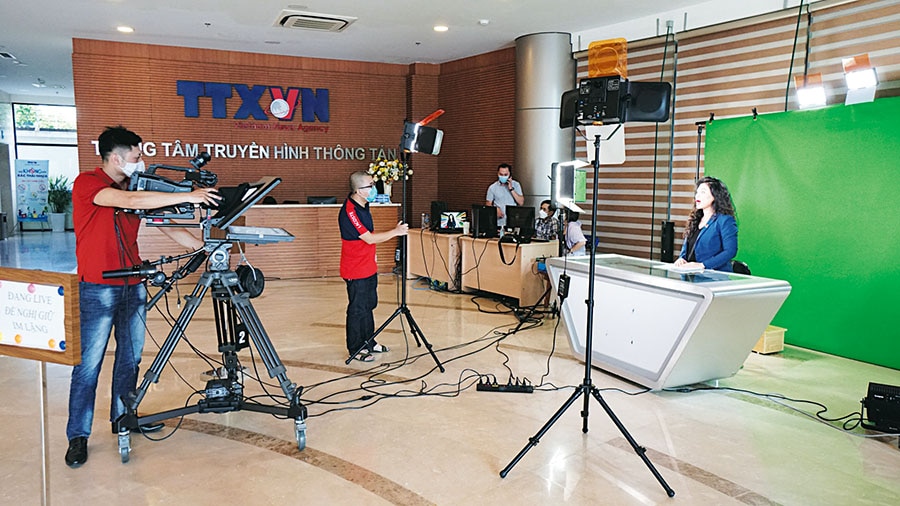
The filming took place at the News Agency Television Center.
According to journalist Tran Anh Tu, one issue hindering the digital transformation of the press is related to funding. Funding is also a crucial aspect that press agencies need support from state management agencies and their governing bodies. The published strategy for digital transformation in journalism clearly states the need to strengthen the role of governing bodies in providing financial support to press agencies for implementing digital transformation. This support, along with the establishment of the Ministry of Information and Communications' digital transformation support center, will be essential for each press agency, enabling each agency and journalist to gain a better understanding and immediately implement the necessary measures within their organization.
The final point that media organizations need now is training. There are two core issues related to human resources in digital transformation: public demand and the capacity of information providers – journalists. While current journalists, especially young people, have had significant exposure to technology, they still need continued training and development to become modern journalists. This requires young people not only to learn professional skills and information gathering skills, but also to be professionally equipped with knowledge and skills in digital transformation. State management agencies and journalism training institutions can develop training programs on journalism and digital transformation tailored to each trainee, such as editors-in-chief, editorial secretaries, reporters, etc. – journalist Tran Anh Tu stated.
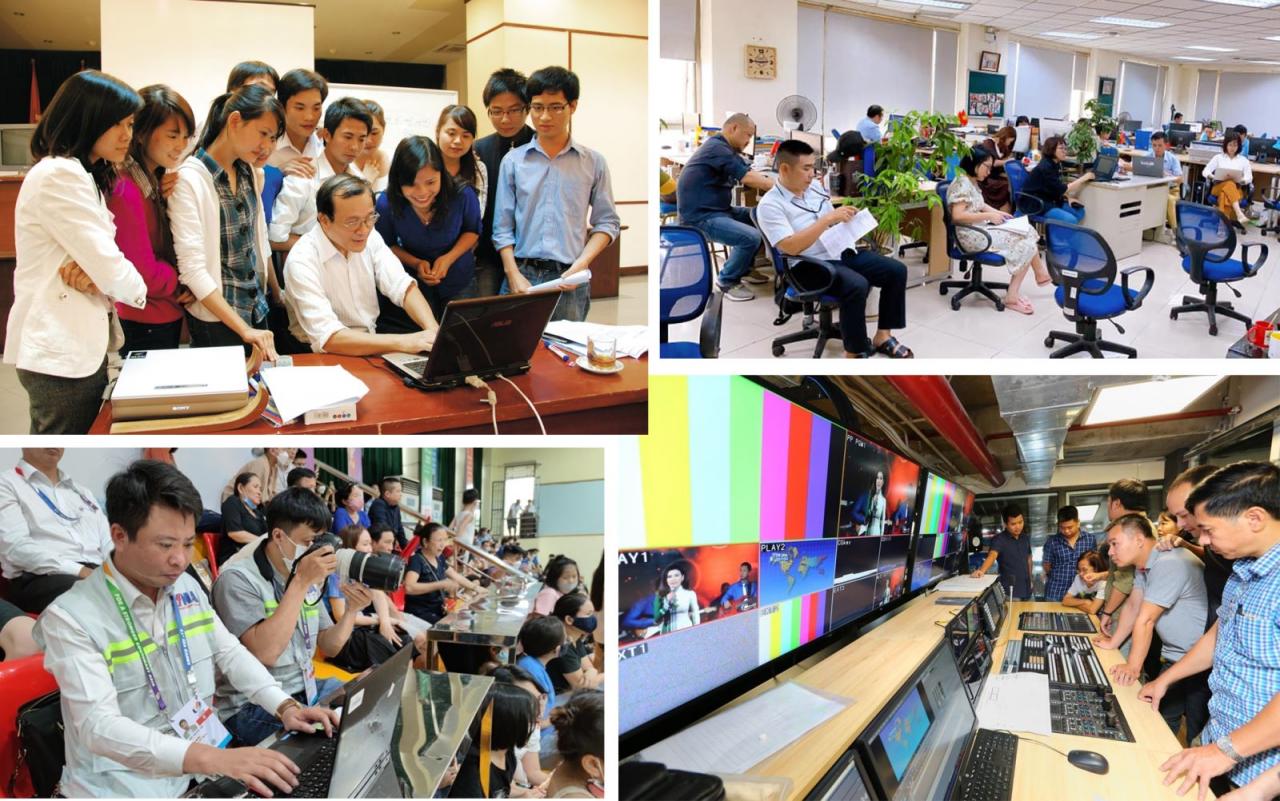
The information units and publishing units of VNA are constantly striving to innovate the content and form of information, applying many new types of information, and diversifying methods of information presentation.
According to many experts, the most important factor in digital transformation is people. In the current trend of strong media convergence, traditional journalism and technology-based journalism tend to integrate, interact, and support each other through diverse and complex methods. This is also an opportunity for journalists to showcase their youthful energy and creativity, while also posing a challenge, requiring each individual to constantly learn, improve their knowledge and skills, and be ready to adapt to become a journalist in the 4.0 era. Associate Professor, Dr. Do Thi Thu Hang, Head of the Professional Affairs Department of the Vietnam Journalists Association, believes that: The increasing development of technology will create great opportunities for journalism, but the challenges are even greater. If journalists do not quickly grasp modern technology, overcome limitations and challenges that threaten media security, and address issues related to fake news, it will be difficult for them to better fulfill the function of guiding public opinion.
"Modern technology and the development direction of journalism on current digital platforms pose a major test for journalists and media managers. It requires detailed strategies, projects, and continuous innovation and creativity, forcing us to change rapidly. These are the major challenges that journalists must overcome at all costs," said Associate Professor, Dr. Do Thi Thu Hang.
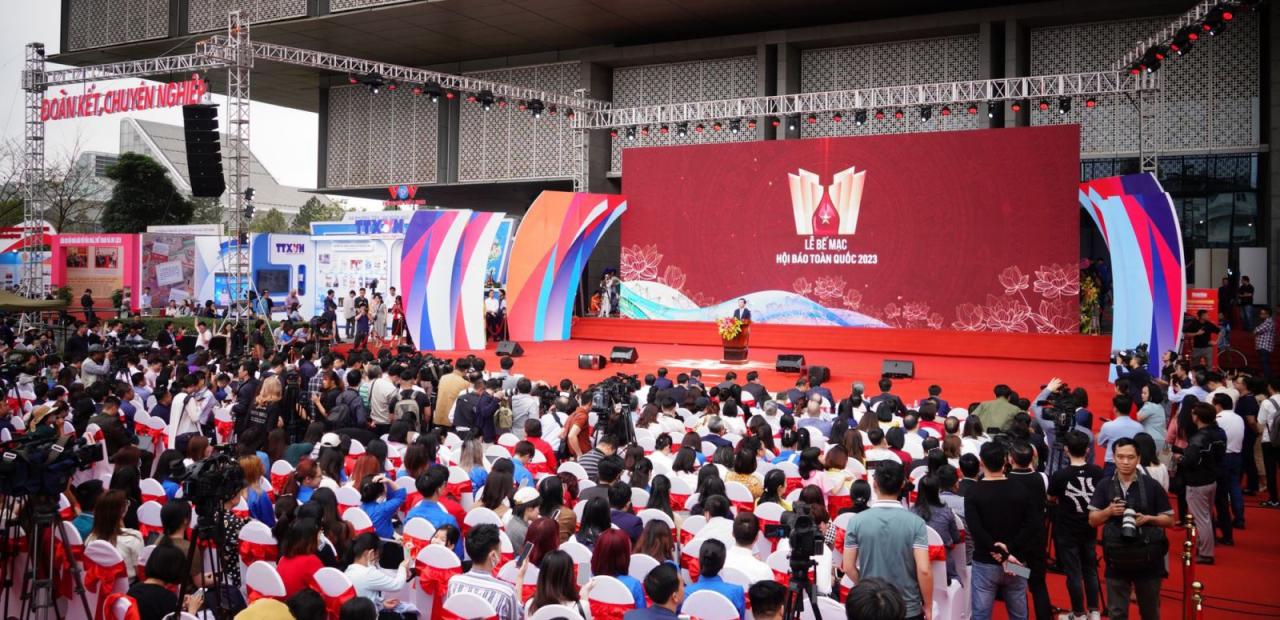
Closing ceremony of the 2023 National Press Conference.
The team of journalists must possess strong political and ideological principles, becoming increasingly modern, professional, and internationally integrated. The press needs to further enhance its role as a sharp communication tool of the Party, the State, and the people; and at the same time, as an effective means of social monitoring and criticism. This was also the reminder given by Deputy Prime Minister Tran Hong Ha at the 2023 National Press Conference, held from March 17-19.
According to Deputy Prime Minister Tran Hong Ha, given the explosion of information technology, online platforms, and social networks, press agencies cannot stand outside the trend of digital transformation and must move towards producing and providing information in a multimedia, multi-platform, multi-device manner, diversifying markets and revenue sources. Most importantly, this requires a change in mindset and approach, combining high-quality content with modern technology to master digital platforms and social media.
Article: Phuc Hang - Xuan Cuong; Photos and graphics: VNA - VNA publishing - Ministry of Information and Communications; Video: Vnews; Edited by: Ha Phuong; Presented by: Ha Nguyen






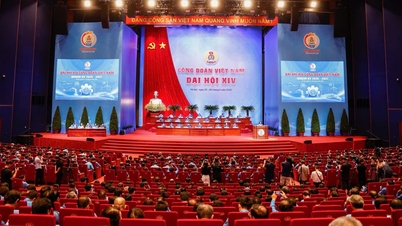
![[Photo] First session of the 14th Congress of the Vietnam Trade Union](https://vphoto.vietnam.vn/thumb/1200x675/vietnam/resource/IMAGE/2026/06/03/1780465947883_ndo_br_img-3852-jpg.webp)
![[Photo] General Secretary and President To Lam presides over a meeting with the Central Organizing Committee.](https://vphoto.vietnam.vn/thumb/1200x675/vietnam/resource/IMAGE/2026/06/03/1780482764658_a1-bnd-4741-3342-jpg.webp)


![[Photo] Secretary of the National Assembly Party Committee, Chairman of the National Assembly presides over the meeting of the Standing Committee and Executive Committee of the National Assembly Party Committee.](https://vphoto.vietnam.vn/thumb/1200x675/vietnam/resource/IMAGE/2026/06/03/1780480353201_ndo_br_bnd-2585-jpg.webp)







































![[Video] Sunset at Lap An Lagoon – Where the sun sets over the fishing nets](https://vphoto.vietnam.vn/thumb/1200x675/vietnam/resource/IMAGE/2026/05/31/1780192137701_beach-landscape-sea-water-nature-grass-745871-pxhere-com.jpeg)



































Comment (0)