

From restoration to trend
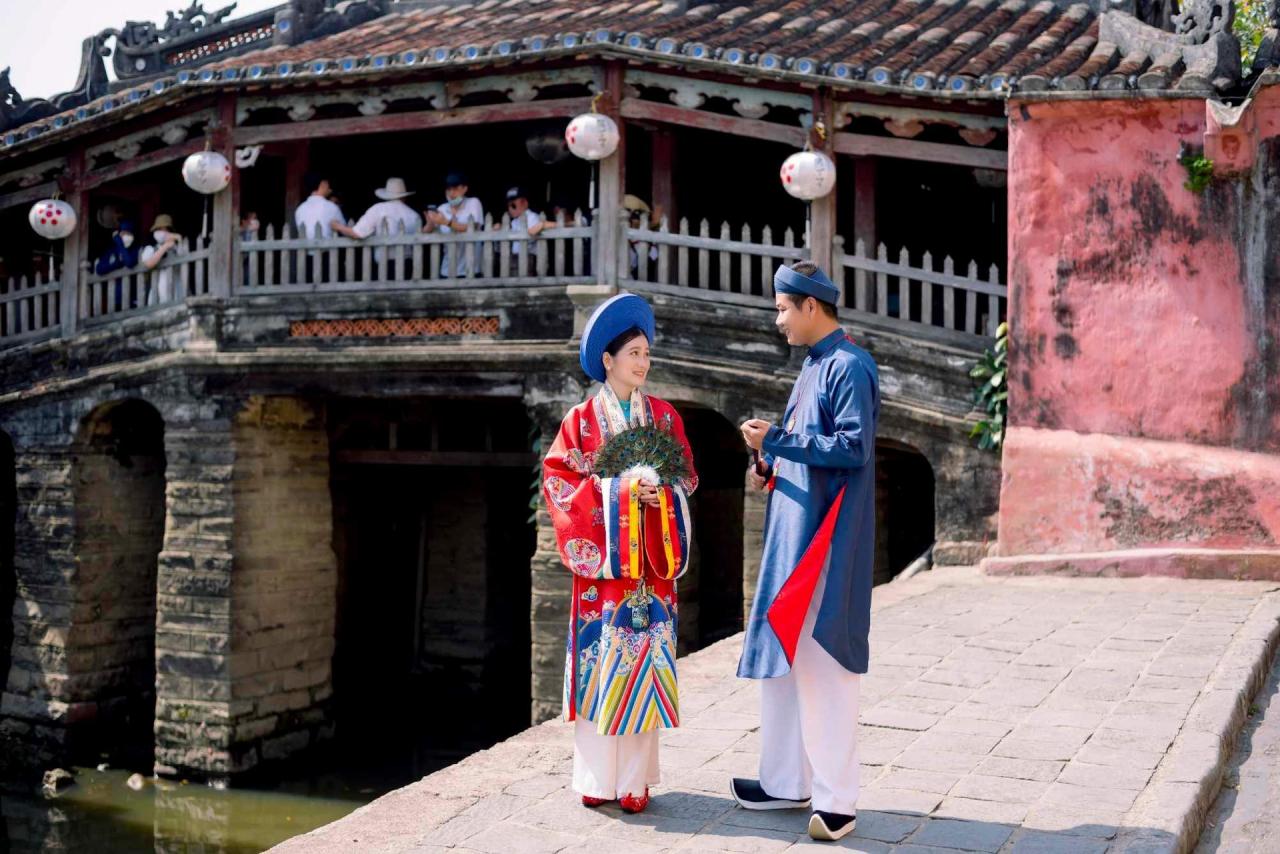
Beginning around 2018, traditional Vietnamese clothing has gradually become popular and increasingly familiar to Vietnamese people. The research and restoration of traditional clothing has been ongoing for a long time. However, it was only when it gained the support of urban youth that traditional clothing became a trend, developing strongly and even creating its own promising market.
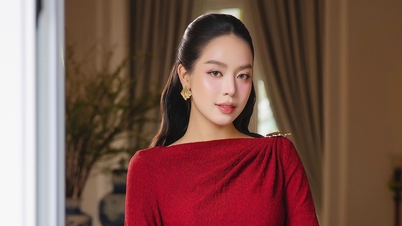
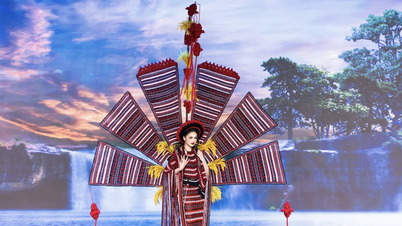
From brides and grooms wearing traditional costumes at engagement and wedding ceremonies, to actors, beauty queens, and models appearing on stage, traditional costumes are also incorporated into historical dramas and worn by many young people abroad with a sense of national pride…
Dozens of groups dedicated to traditional Vietnamese clothing have sprung up on social media. They exchange and share research on traditional costumes, old documentary images with captions, patterns, sewing techniques, reputable traditional costume tailors, and locations/concepts for taking photos in traditional costumes to make them beautiful and distinctly Vietnamese, so as not to be confused with Han or Korean-style clothing.
This shows that Vietnamese traditional clothing is not just a trend in terms of quantity, but also ensures quality. From its humble beginnings, some styles of traditional clothing have now been reconstructed as accurately as possible based on ancient documents. At the same time, there has been moderate innovation to suit modern life. Vietnamese traditional clothing has also found momentum to develop and create its own unique identity.
Spread
The enduring appeal of traditional Vietnamese clothing has brought numerous benefits and values, ranging from cultural preservation and fostering national pride to developing the domestic fashion market.
Moreover, this trend revives old vocabulary used to describe traditional clothing, bringing them closer to the general public in a familiar and natural way. The understanding of Vietnamese traditional clothing is also gradually becoming more accessible to all generations.
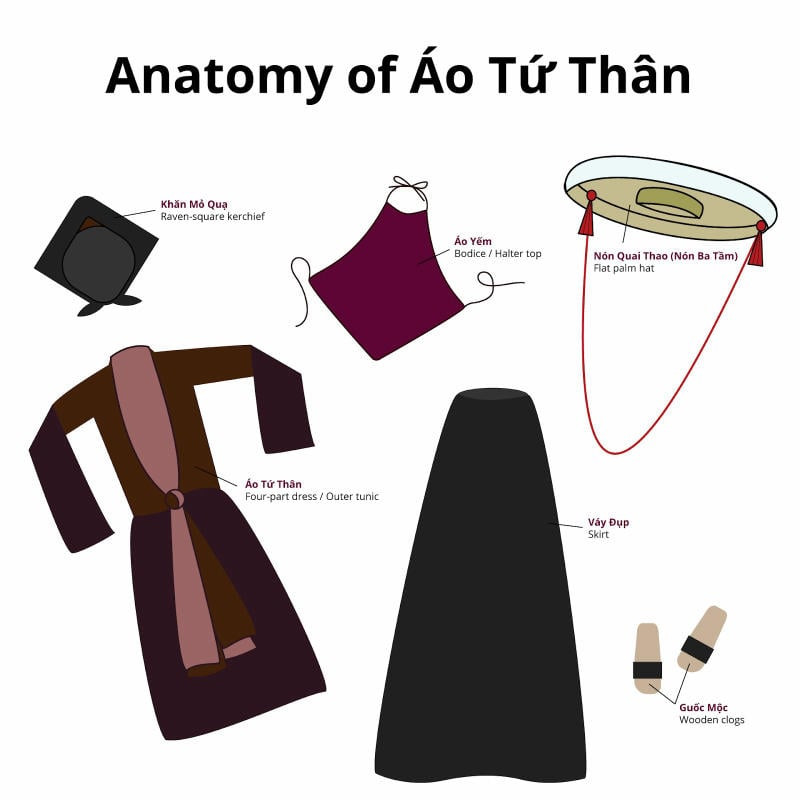
From the áo dài – a famous traditional garment with two flaps, extending below the knees, and buttoned from neck to armpit – to the áo tứ thân – considered a symbol of the women of ancient Kinh Bắc, with two flaps in the front and back symbolizing the four parents (parents of the husband and parents of the wife).
In the traditional four-panel dress, the front panel is split into two, which, when tied together, symbolizes the close bond between husband and wife and is also convenient for daily activities. Underneath, a bodice is worn, followed by a black skirt, wooden clogs, a headscarf, and a conical hat with chin straps.
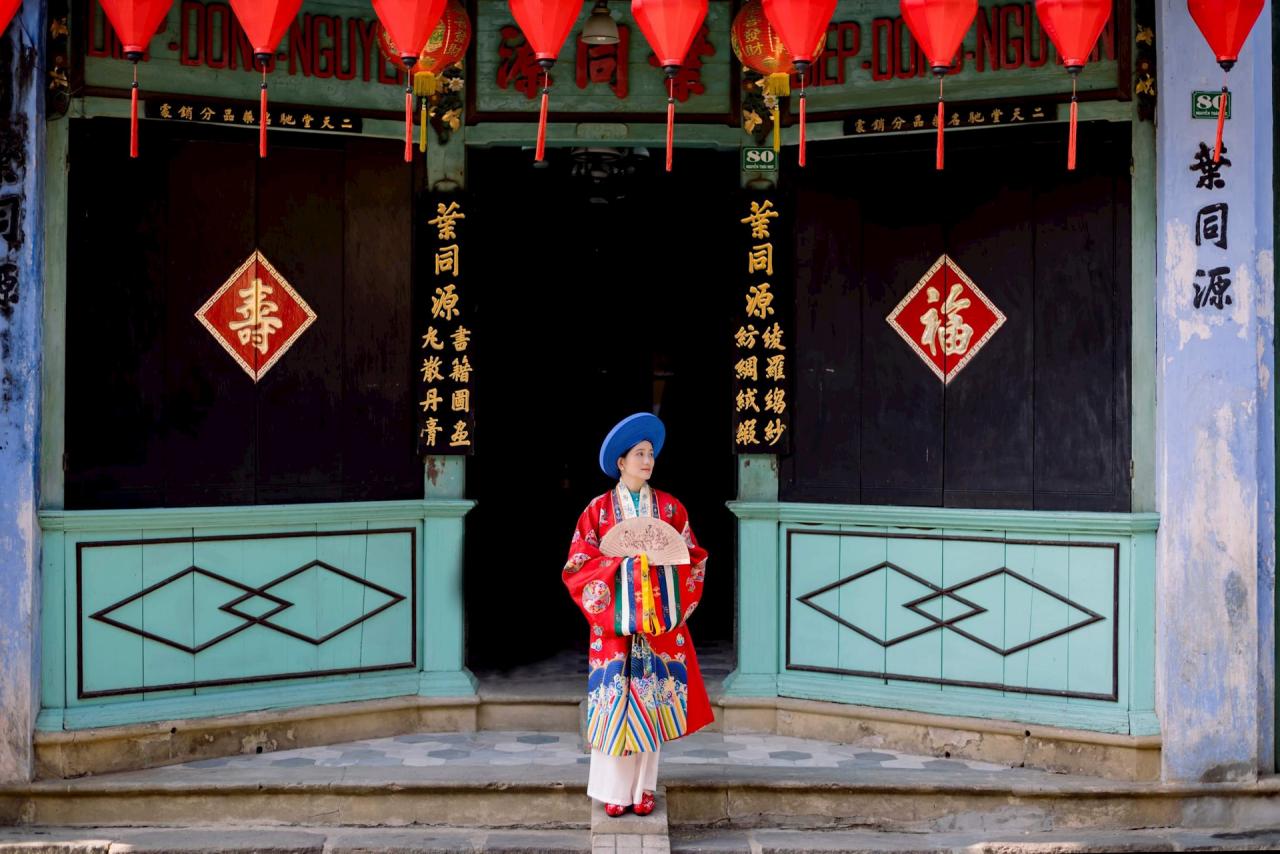
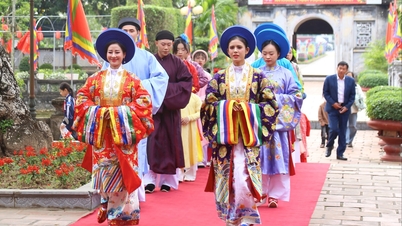
The five-panel tunic, believed to have originated in the 17th or 18th century during the Nguyen dynasty and becoming increasingly popular from the reign of Emperor Minh Mang onwards, is currently the most favored, restored, and worn garment.
Similar to the four-panel dress, the five-panel dress has an additional inner panel, symbolizing another body, making it five panels in total. The five buttons symbolize the five virtues: benevolence, propriety, righteousness, wisdom, and trustworthiness, or the five relationships: ruler-subject, father-son, husband-wife, brothers-sisters, and friends.
The five-panel robe has wide panels that flare out towards the bottom. Additionally, men's five-panel robes have a standing collar (lập lĩnh), which is square and tall, symbolizing the integrity of a gentleman. Women's robes have lower collars and longer panels. The five-panel robe is worn by people of all social standing; differences in status lie in the material, patterns, and accompanying accessories such as gold medals and badges.
In the world of "traditional Vietnamese clothing," people often mention Y Van Hien - a group of people who recreate traditional Vietnamese clothing through numerous cultural events.
Connecting numerous artisans from various craft villages to create products such as shoes, fans, and folding pillows, Y Van Hien, together with artisans from the craft villages of La Khe, Van Phuc, Ma Chau, and Lan My A, has successfully restored and recreated many different ancient costumes. From the costumes of the Tran and Nguyen dynasties to the traditional costumes of various regions, they are beginning to have a contemporary life.
Source
![[Photo] National Assembly Chairman Tran Thanh Man working with the Standing Committee of the National Assembly's Delegation Affairs Committee.](https://vphoto.vietnam.vn/thumb/1200x675/vietnam/resource/IMAGE/2026/05/20/1779294340023_ndo_br_1-1691-jpg.webp)
![[Photo] General Secretary and President To Lam works with the Party Committee of the Ministry of Health on the work of Vietnamese traditional medicine.](https://vphoto.vietnam.vn/thumb/1200x675/vietnam/resource/IMAGE/2026/05/20/1779294323718_a1-bnd-2978-3319-jpg.webp)
![[Image] "Journey of Hope" promotes the organ and tissue donation movement in Vietnam.](https://vphoto.vietnam.vn/thumb/1200x675/vietnam/resource/IMAGE/2026/05/20/1779294400833_1-8910-jpg.webp)













































Comment (0)