

Through the survey, how do you evaluate the potential for community tourism development in Dien Bien province?
Dien Bien , the land bordering the Northwest of the Fatherland, is not only famous for its heroic history but also a place where the cultures of 19 ethnic groups converge and exchange. In the context of global tourism shifting strongly towards the trend of seeking authentic and sustainable experiences, community-based tourism (CBT) has emerged as a strategic solution for Dien Bien.
In the socio -economic development strategy of Dien Bien province, tourism is identified as a key economic sector, in which community tourism plays an important role in poverty reduction and new rural development. Unlike mass tourism which often focuses on famous destinations and high-end services, community tourism is based on the core foundation of local people's participation and the exploitation of indigenous cultural values.
In Dien Bien, this potential is enormous with the presence of the Thai, Mong, Kho Mu, Ha Nhi, Lao, Si La... communities. Each ethnic group possesses a huge cultural treasure, from house architecture, costumes, cuisine to festivals and folk knowledge.
However, the reality shows that the exploitation of these values in Dien Bien still has many limitations. Many community tourism models only stop at providing simple accommodation and food services, lacking profound cultural experiences, leading to monotonous tourism products, lacking the attraction to retain long-term tourists and stimulate spending. The question for managers and tourism businesses is how to "breathe life" into primitive cultural resources, turning them into sophisticated tourism products, both bringing high economic value to the community and preserving the soul of the nation.
To exploit effectively, first of all we need to clearly identify the cultural resource system that Dien Bien possesses from the perspective of "input materials" for the tourism product production process.
The most noticeable tangible cultural values in Dien Bien are traditional residential architecture and village landscapes. For the Black Thai and White Thai people in areas such as Muong Lay, Muong Thanh..., the stilt house is not only a place to live but also an architectural masterpiece that adapts to nature. The stone-roofed stilt houses in Muong Lay town or the wooden houses with typical khau cut in Che Can and Phieng Loi villages (formerly Dien Bien Phu city) are "living museums".
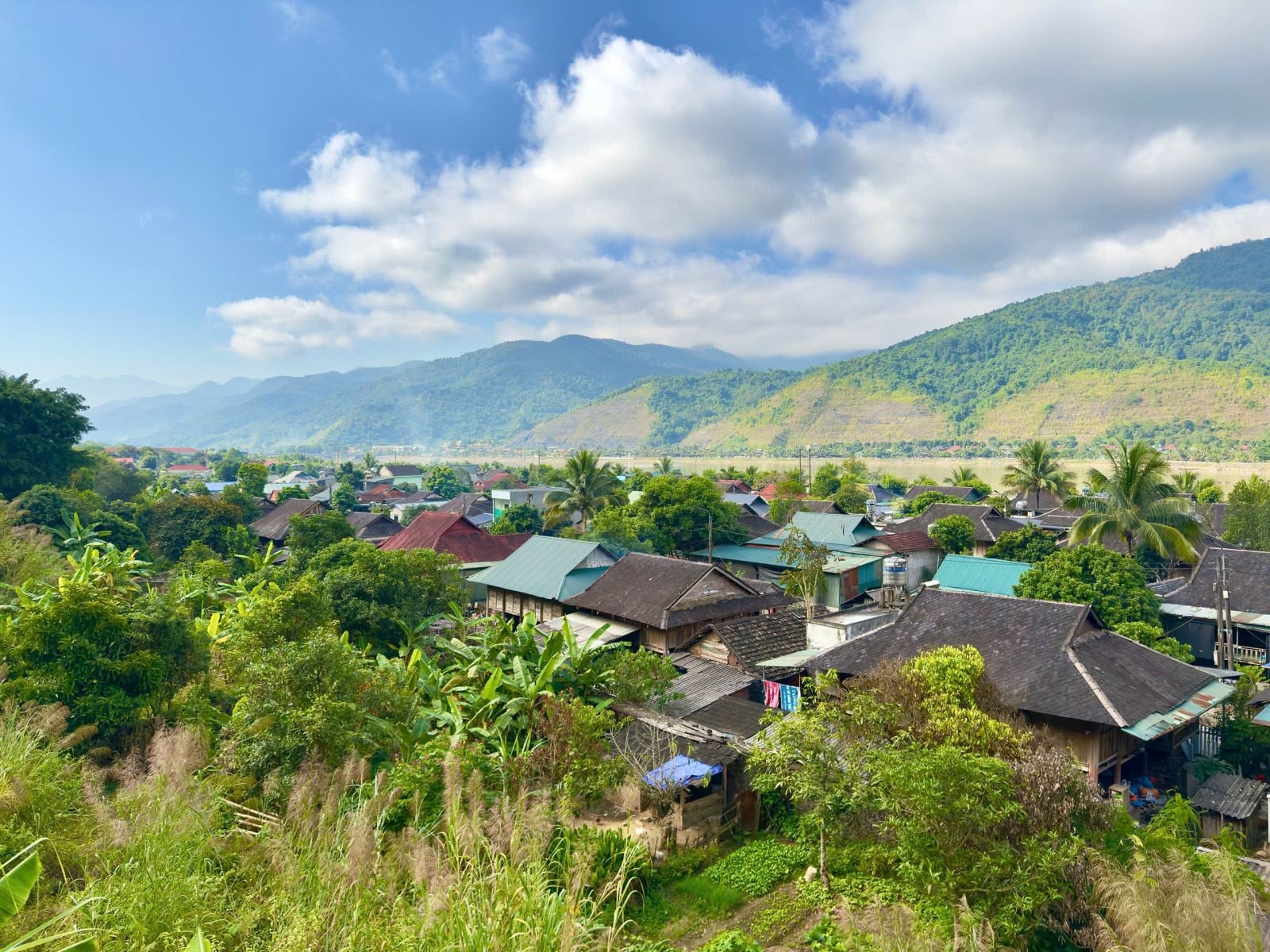
Meanwhile, in the former highland districts such as Tua Chua and Dien Bien Dong, the architecture of the Mong people's rammed earth houses or the Ha Nhi people's houses in Muong Nhe with thick earthen walls, warm in winter and cool in summer, brings a completely different architectural beauty, reflecting indigenous knowledge in coping with harsh climates.
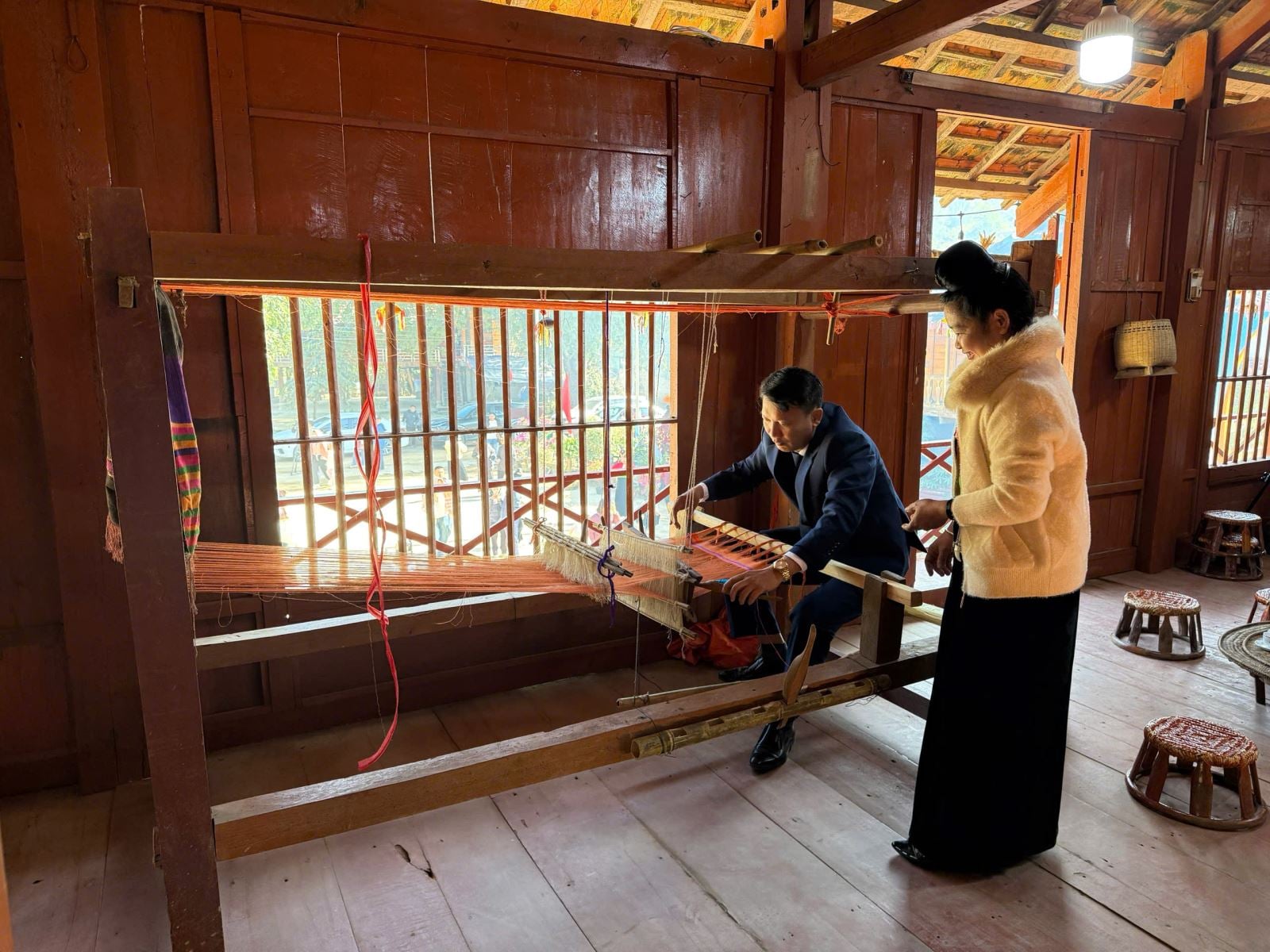
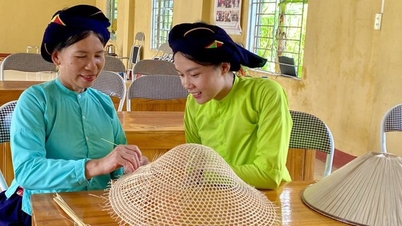
Besides architecture, traditional costumes and handicrafts are invaluable physical resources. The art of creating patterns on costumes of the Mong Hoa people in Cong Troi village (Muong Cha) or the brocade weaving of the Lao people in Na Sang II village (formerly Dien Bien district) not only creates goods but also creates a brilliant visual experience space for tourists. The system of terraced fields, water wheels and primitive production tools are also physical elements that create a unique cultural landscape, an indispensable backdrop for community tourism activities.
If material culture is the "body", then intangible culture is the "soul" of community tourism. Dien Bien possesses national and international intangible cultural heritages with strong appeal. The Thai Xoe art and Then practice of the Tay, Nung, and Thai people have been recognized by UNESCO as representative intangible cultural heritage of humanity. This is the core resource for building community art performances.
In addition, traditional festivals such as: Hoa Ban Festival, Thanh Ban Phu Festival, Nao Pe Chau Festival of the Mong people, Ga Ma Thu Festival of the Ha Nhi people, or Water Festival of the Lao people contain profound spiritual, religious and social values.
Not only stopping at festivals, folk knowledge of traditional medicine, culinary arts with dishes using typical spices such as mac khen, doi seeds, or folk songs, folk dances, ethnic musical instruments (Hong flute, tinh tau) are all rich sources of ingredients. In particular, the hospitality, peaceful lifestyle and legendary stories associated with the history of defending and building the country of the ethnic groups in Dien Bien are the most important intangible factors to create emotional connections with tourists.
According to you, what should Dien Bien do to transform culture into tourism products?
The core issue that businesses and local governments are concerned about is "how?".
With the homestay model, it is not simply about renting a place to sleep for guests. To exploit the cultural and architectural value, households doing tourism in cultural villages such as Men village, Ten village, or Che Can need to keep the traditional stilt house structure intact but must renovate the interior to meet the minimum hygiene and comfort standards. The space inside the stilt house needs to be decorated with local materials such as rattan, bamboo, brocade, creating a cozy and indigenous feeling.

More importantly, the host needs to turn the house into a storytelling space. Each item in the house, such as the loom, the fireplace, or the cushion, has its own story. The host living together, chatting, and explaining to visitors the meaning of the arrangement of the altar, the living room, or the living habits will turn the accommodation service into a profound cultural experience. Lessons from the localities show that when people are trained in hospitality skills and keeping the house clean, combined with the inherent friendliness, the value of the accommodation service will increase many times over compared to just providing a simple place to sleep.
Cuisine is the shortest way to the heart of tourists and an important source of income in community tourism. Instead of just serving ready-made meals, community tourism destinations in Dien Bien need to build culinary experience tours "from farm to table". Tourists can be invited to participate in the process of picking wild vegetables, catching stream fish, or learning how to cook sticky rice, grill Pa Pinh Top fish, and make cham cheo.
The cultural value here lies not only in the taste of the food but also in the local knowledge in the use of ingredients and processing. People need to be guided on how to explain the uses of herbs in dishes, the meaning of dishes during holidays. Community tourism sites need to organize tours to take visitors to pick wild vegetables, catch stream fish, and learn about herbs.
During meals, people need to be equipped with the skills to explain the origin, meaning and how to enjoy the food. For example, grilled fish Pa Pinh Top is not only a dish but also represents the philosophy of life about harmony between couples; five-color sticky rice represents the concept of the five elements.
In Tua Chua, enjoying Mong Pe wine or ancient Shan Tuyet tea needs to be elevated to an art form, where visitors can hear about the process of distilling wine or picking tea from hundreds of years old trees on the top of high mountains. When the dishes are "seasoned" with cultural stories, visitors will be willing to pay a higher price, thereby increasing direct income for the community.
One of the weaknesses of Dien Bien tourism is the lack of typical souvenir products. To solve this problem and create more income, it is necessary to restore and develop traditional craft villages associated with tourism. However, it is not enough to just sell products, it is necessary to organize demonstration activities and vocational training for tourists.
At Cong Troi village (Muong Cha) or Na Sang II village, visitors not only buy a piece of brocade fabric but they are willing to pay to sit directly at the loom, or to draw beeswax on the fabric themselves under the guidance of the artisans. The products they make, although not perfect, are priceless souvenirs to them.
This is a way to exploit indigenous knowledge to create added value (experience guide services) in addition to the real value of the product. Tourism businesses need to coordinate with the community to design compact, sophisticated, highly applicable product models (wallets, handbags, scarves) suitable for modern tourist tastes while still retaining traditional patterns and motifs.
Folk art is a "specialty" of Dien Bien community tourism. However, to avoid boredom, the village art troupes need to choreograph highly interactive performances. Instead of just performing on stage, invite visitors to join in xoè dance, bamboo dance, or learn how to play the flute. This interaction blurs the gap between host and guest, creating a joyful and cohesive atmosphere.
For festivals, there should be plans to periodically organize or reenact typical festival excerpts (such as the Harvest Festival, the Coming of Age Ceremony) according to the requests of large groups of visitors, but must ensure solemnity and traditional standards. This reenactment helps visitors better understand the spiritual life of the people, while creating regular jobs for artisans and art troupes.
So, do you think there is a market solution to attract customers and increase income for the community?
To realize the potential into economic benefits, two big problems need to be solved: Market access and revenue diversification.
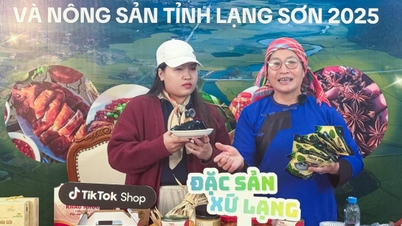
In the digital age, the way community tourism approaches customers needs fundamental innovation. Tourist villages cannot just passively wait for visitors to come but need to proactively promote their image to the world. The government and support organizations need to train people in using social networks and online booking platforms (OTA). Stories about culture, authentic images of daily life, and majestic natural landscapes need to be digitized and spread on platforms such as TikTok, Facebook, and YouTube. The initial success story of Na Su village (Nam Po) thanks to the effect of social media is a vivid proof of this direction.
A tourist village cannot exist in isolation. It is necessary to create close links between households in the village, between villages and between the community and travel agencies. Households need to specialize: households providing accommodation, households providing food, households doing handicrafts, households providing transportation services (motorbike taxis, bicycles), households acting as local tour guides.
This division of labor helps improve service quality and ensures that everyone in the community benefits, avoiding unhealthy competition. At the same time, signing cooperation agreements with travel agencies in Hanoi, Ho Chi Minh City and neighboring provinces to bring tourists back on stable tour routes is a vital factor.
For tourism to truly become a sustainable livelihood, people cannot rely solely on accommodation fees. It is necessary to diversify the service ecosystem to make the most of tourists' "wallets". In addition to room and meal fees, additional services such as: Dao herbal baths, herbal foot baths, local guides leading trekking tours, renting photo costumes, selling clean agricultural products (Dien Bien upland rice, honey, dried meat) need to be strongly developed.
The financial management model also needs to be professionalized in a collective direction. Lessons from successful community tourism models show that it is necessary to establish a Tourism Management Board or Tourism Cooperative in each village. This unit will be responsible for coordinating visitors, ensuring fairness in benefit sharing, setting up community funds to reinvest in infrastructure and environmental protection, and supporting poor households that cannot directly engage in tourism. This mechanism helps to unite the community, limit unhealthy competition and ensure that all people benefit from tourism development.
In the process of tourism development, what do you think we need to do to preserve indigenous cultural identity?
One of the biggest concerns when developing tourism is the risk of commercialization and loss of cultural identity. The biggest challenge when developing community tourism is the risk of cultural loss and conflicts of interest. To solve the problem of "how to preserve identity", it is necessary to thoroughly understand the viewpoint: Culture is a non-renewable resource, losing culture means losing livelihood. To preserve identity when doing tourism, it is necessary to adhere to the following principles:
Firstly, "preserve to develop, develop to preserve". It is necessary to educate the community to understand that culture is their asset, their "fishing rod". If they lose their culture, they will lose their difference and will no longer be attractive to tourists. Therefore, preserving their home, costumes, language and customs is not only a responsibility to their ancestors but also to protect their own livelihood.
Second, avoid over-theatricalization. Cultural activities presented to tourists should be based on authenticity. They should not be hybridized, borrowed from other cultures, or distorted for the sake of entertainment. Respect for authenticity will help community-based tourism develop sustainably and attract responsible, high-paying tourists.
Third, build a community management regulation. It is necessary to establish a tourism management board in each village with the participation of village elders, village chiefs and household representatives. This management board is responsible for monitoring the implementation of regulations on environmental protection, benefit sharing, and especially monitoring compliance with cultural codes of conduct, preventing acts that violate traditional customs.
Finally, it is necessary to develop a tourism code of conduct for both tourists and locals. Tourists need to be guided to respect local customs and practices, while locals need to be equipped with civilized communication skills, avoiding soliciting and excessive commercialization that tarnishes the image of the destination.
Developing community tourism based on exploiting national cultural values is the right and inevitable direction for Dien Bien. To realize this potential, there needs to be a strong shift from the mindset of "doing tourism according to the trend" to the mindset of "doing tourism professionally, systematically and with cultural depth".
Exploiting national cultural values in developing community tourism in Dien Bien is a process that requires a close combination of economic thinking and cultural awareness. It is the process of transforming potential values into real assets, turning heritage into assets, turning culture into special goods without losing its authenticity and soul.
Local authorities need to play a role in creating and supporting planning, infrastructure (electricity, roads, clean water, telecommunications) and human resource training. Tourism businesses play the role of companions, consultants in product development and market connection. But above all, the subject of this process must be the ethnic minority community. Only when people truly understand and are proud of their culture and are empowered to take ownership and benefit adequately from tourism, will community tourism in Dien Bien truly take off and develop sustainably, contributing to making Dien Bien an unmissable destination on the Northwest tourism map.
Cultural exploitation is not "selling" culture, but sharing and spreading values, so that culture is both a spiritual foundation and a material driving force, helping the ethnic people of Dien Bien rise up to become rich on their homeland.
Thank you very much!
Article ordered by the Department of Legislation, Ministry of Culture, Sports and Tourism.
Source: https://baotintuc.vn/du-lich/khai-thac-cac-gia-tri-van-hoa-dan-toc-trong-phat-trien-du-lich-cong-dong-20251202113348612.htm


![[Photo] General Secretary To Lam receives the Director of the Academy of Public Administration and National Economy under the President of the Russian Federation](/_next/image?url=https%3A%2F%2Fvphoto.vietnam.vn%2Fthumb%2F1200x675%2Fvietnam%2Fresource%2FIMAGE%2F2025%2F12%2F08%2F1765200203892_a1-bnd-0933-4198-jpg.webp&w=3840&q=75)
































































Comment (0)