

Three pillars of small modular nuclear power development
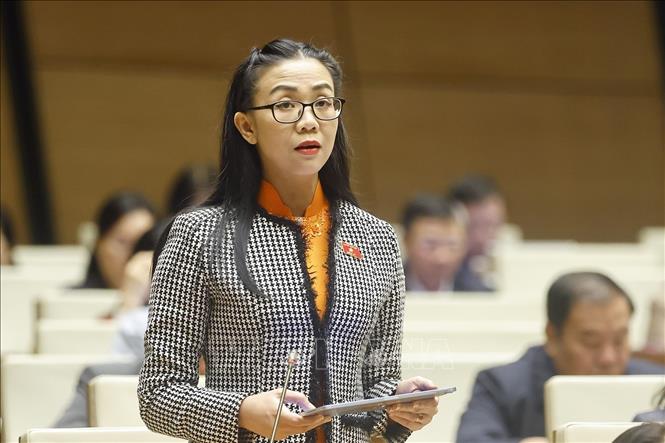
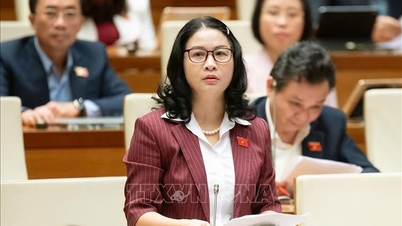
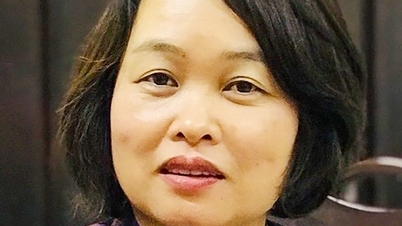
Discussing at the conference, delegate Trinh Thi Tu Anh (Lam Dong) said that Vietnam is entering a period of profound energy transition, while the requirements for energy security, emission reduction and maintaining high growth are becoming increasingly urgent. These challenges require long-term strategic choices, in which small modular nuclear power (SMR) is a direction worth considering and suitable for Vietnam's conditions.
Believing that "SMR is no longer a pilot story", delegate Trinh Thi Tu Anh emphasized: "With SMR, the new approach allows mobilizing technical innovation, increasing localization capacity and technology initiative".
Delegate Trinh Thi Tu Anh explained that this field requires large resources, high technology, and a long-term supply chain. If we only rely on the state budget, we cannot create a modern nuclear industrial ecosystem. Mobilizing state-owned enterprises and private enterprises will diversify resources, share risks, and promote innovation.
In addition, many countries have proven that the public-private model is highly effective. Private enterprises have the motivation to invest and access technology quickly, while state-owned enterprises play a leading role, ensuring security and safety and strategic orientation. This combination helps shorten the time for research, testing and project implementation. Encouraging enterprises to research and invest in SMRs also means opening up opportunities to form a domestic module manufacturing industry, creating high-quality jobs and raising Vietnam's position in science and technology in the global nuclear value chain.
However, delegates said that the development of SMR must be accompanied by the following conditions: safety - responsibility - transparency because nuclear power requires the highest standards of safety, security and risk management. Encouraging businesses to participate does not mean "complete opening", but must be based on three pillars. These are: Building a separate legal framework for SMR, including design licensing, technology appraisal, operational supervision and radioactive waste control; requiring clear financial capacity, technological capacity and environmental responsibility for all participating businesses, ensuring the State plays the role of ultimate control; implementing cautiously, with a roadmap, starting from research - testing - demonstration projects, carefully assessing social and environmental impacts, and transparently soliciting public opinions.
"Encouragement is not laxity, but creating a corridor for truly capable entities to develop new technology, while the State plays the role of supreme regulator and supervisor," said delegate Trinh Thi Tu Anh.
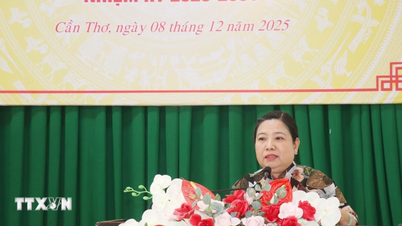
Sharing the same view, delegate Nguyen Thi Lan (Hanoi) stated that developing small-scale nuclear power in the current period is appropriate. However, the delegate said that this module mainly serves research, human resource training and gradually mastering nuclear technology, and cannot expect high economic efficiency in the short term. Therefore, the initial stage requires the leading role of the State because it is very difficult to attract the private sector when the investment cost is large, the recovery period is long and the risk is high. When Vietnam has accumulated enough experience, safety, perfected the legal framework and mastered the core technology, it is completely possible to gradually expand the scale to attract private enterprises to participate in investment.
"The roadmap from small modules to large modules is a cautious approach, in line with international practices and Vietnam's actual conditions," delegate Nguyen Thi Lan emphasized.
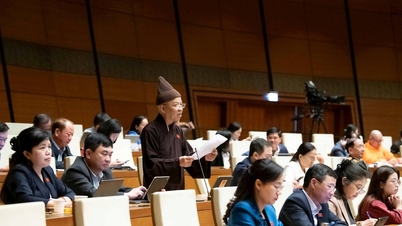
Regarding this issue, delegate Pham Van Hoa (Dong Thap) said that developing small modular nuclear power is a very new content in Vietnam, but the draft Resolution, encouraging state and private enterprises to participate in research/investment, is currently too general and not specific. According to the delegate, nuclear power, whether large or small, is very dangerous if an accident occurs, greatly affecting people's lives and property. Therefore, the draft Resolution needs stricter regulations, and should initially be piloted to gain experience before encouraging enterprises to participate on a large scale.
Commenting on this content, delegate Nguyen Thi Le Thuy (Vinh Long) said that, compared to the Electricity Law, the policy for developing small-scale nuclear power stipulated in Article 10 of the draft Resolution has been expanded for private participation "but it has only stopped at slogans, is general, and does not have a specific framework policy".
The Government's explanatory report stated that this is a new issue, currently in the research phase, awaiting proposals from investors; this makes implementation difficult within the 5-year period of the Resolution - delegate Nguyen Thi Le Thuy stated.
Tightening safety of small and medium hydropower plants
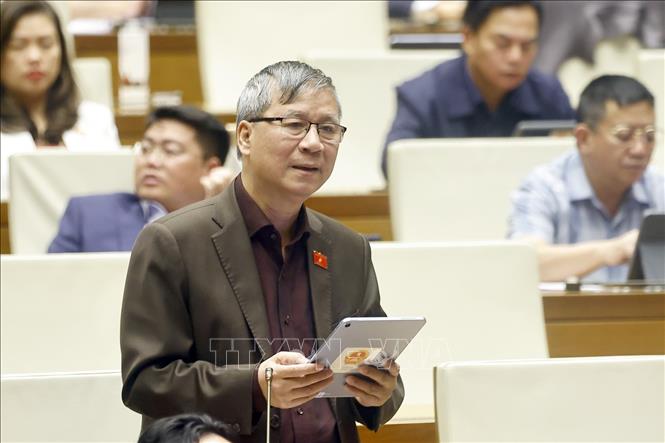
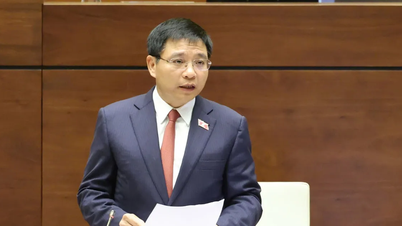
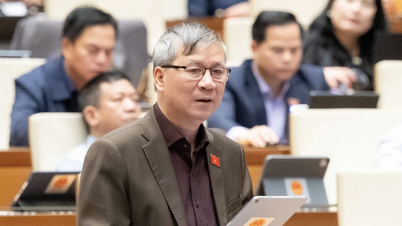
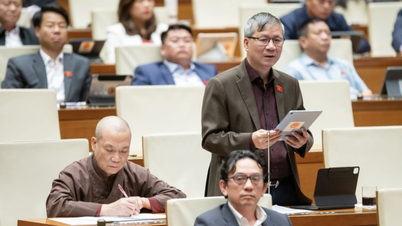
Discussing at the Hall, delegate Nguyen Anh Tri (Hanoi) emphasized that electricity is an essential need, energy development is an important task. However, electricity development must put safety first, not causing harm to the environment, national security, people's lives and human lives. However, in reality, there are nearly 20 small and medium-sized hydropower plants that have discharged floodwaters, causing significant damage to downstream areas, mainly hydropower plants located in high mountainous areas, steep terrain, prone to flash floods when discharging floodwaters. Small reservoirs, poor regulation capacity, when heavy rains are forced to discharge floodwaters quickly. Poor operating procedures, untimely flood discharge notices, leaving people with no time to respond.
"However, in the draft Resolution, there is no content about hydropower, especially small and medium hydropower," said delegate Nguyen Anh Tri.
Therefore, delegates suggested that it is necessary to review all small and medium hydropower plants nationwide. If flood discharge causes damage, adequate compensation must be paid; if it causes damage to people's lives, criminal prosecution must be considered. At the same time, review all small and medium hydropower projects, requiring absolute safety before operation; encourage investment in large hydropower plants; and prioritize renewable energy sources such as wind power, solar power, etc. to reduce dependence on small hydropower plants.
Delegate Nguyen Anh Tri proposed to include the above contents in legal documents such as the National Assembly's Resolution on the mechanism and policy for national energy development in the 2026-2030 period.
Source: https://baotintuc.vn/thoi-su/vai-tro-dan-dat-va-giam-sat-cua-nha-nuoc-khi-phat-trien-dien-hat-nhan-modun-nho-20251208171616428.htm









































































Comment (0)