

Recently, the cold weather and temperature differences between day and night have caused many health problems, especially for the elderly and children with weak immune systems.
Recently, the cold weather and temperature differences between day and night have caused many health problems, especially for the elderly and children with weak immune systems.
These conditions also create favorable conditions for disease-causing bacteria and viruses to thrive, posing a potential risk of outbreaks in the community. Health experts have issued numerous recommendations on how to protect health during this period.
 |
| The Ministry of Health anticipates that during the 2025 Lunar New Year and the festival season, trade and tourism demand will increase, and the winter-spring weather will easily create favorable conditions for disease-causing agents. |
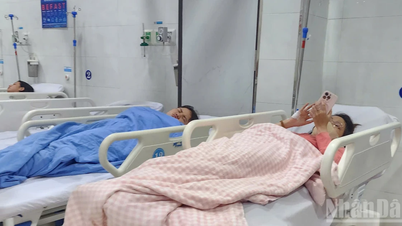
In recent days, Ha Dong General Hospital has received a large number of patients, especially the elderly and children.
The proportion of hospitalized patients was 18.9%, mainly those with underlying conditions such as high blood pressure, cardiovascular disease, diabetes, chronic obstructive pulmonary disease (COPD), and musculoskeletal problems.
Although these patients frequently experience relapses during seasonal changes, respiratory infections are making young children more susceptible to lung diseases.
According to Dr. Phi Thi Hai Anh, Head of the Outpatient Department at Ha Dong General Hospital, the cold weather is the reason for the increase in the number of patients.
The hospital has implemented effective treatment organization measures such as arranging patient rooms appropriately and enhancing counseling for patients and their families on health care and ensuring proper nutrition.
At the National Hospital for Tropical Diseases, nearly 20 patients are being treated for pneumonia, including several severe cases requiring mechanical ventilation and continuous hemodialysis.
One of them is Mr. NT, 62 years old, from Hanoi , who was hospitalized in serious condition after contact with someone infected with the flu. He was diagnosed with severe pneumonia, influenza A infection, and a secondary Aspergillus fungal infection, requiring mechanical ventilation to maintain respiration.
According to Dr. Tran Van Bac, Deputy Head of the Emergency Department at the Central Hospital for Tropical Diseases, pneumonia is not only a common disease but also very dangerous for people with underlying conditions or weakened immune systems. If not treated promptly, the disease can lead to respiratory failure and other dangerous complications.
In the first week of 2025, Hong Ngoc General Hospital examined and treated over 300 cases of influenza A, with more than 20% of cases experiencing severe complications such as pneumonia and bronchitis. Of particular concern is that many cases were brought to the hospital late and without prior professional examination, while parents self-medicated their children.
The Ministry of Health anticipates that during the 2025 Lunar New Year and the festival season, increased trade and tourism demand, coupled with favorable winter-spring weather conditions, will facilitate the spread of pathogens. The risk of increased respiratory and digestive infections, particularly measles, influenza, and zoonotic diseases, is high.
This sector also predicts that in 2025, many infectious diseases are likely to increase. Among them, dengue fever, seasonal influenza, hand, foot and mouth disease, measles, and vaccine-preventable diseases such as whooping cough are at risk of outbreaks, especially in areas with low vaccination rates.
Statistics from the Ministry of Health show that in 2024, the whole country recorded more than 141,000 cases of dengue fever and 28 deaths; more than 76,000 cases of hand, foot and mouth disease and 287,548 cases of seasonal influenza. In particular, the number of measles and influenza A cases increased sharply, while the vaccination rate has not yet reached the level of community protection.
According to a representative from the Ministry of Health, the increase in disease rates is primarily due to insufficient vaccination among a segment of the population, especially in large cities. Therefore, strengthening surveillance, vaccination, and disease prevention efforts is crucial to prevent further spread.
To minimize the risk of disease outbreaks, the Ministry of Health requires provinces and cities to effectively implement disease prevention and surveillance measures from the beginning of the year. Localities need to improve their preventive health care capacity, prepare contingency plans for emergencies, and ensure full vaccination coverage for their populations.
In addition, public awareness campaigns on disease prevention and control need to be intensified, especially targeting high-risk groups such as children, the elderly, and people with underlying medical conditions.
Each family needs to proactively monitor their own health, get all necessary vaccinations, and practice good hygiene to protect their own health and the health of the community.
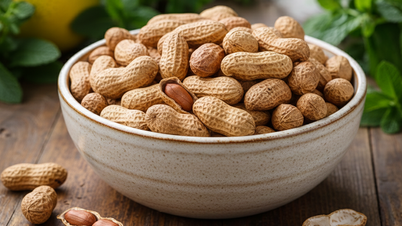
To protect their health during this time, experts recommend that individuals ensure they get enough nutrients, especially vitamins C, D, and A, as well as zinc and magnesium, which are abundant in green vegetables, fresh fruits, nuts, fish, eggs, and milk.
Elderly people and children should eat smaller, more frequent meals, prioritizing easily digestible foods such as porridge and soup, and limiting fatty foods and alcoholic beverages. Drinking enough water (1.5 - 2.5 liters/day) is also very important for preventing respiratory illnesses.
To build up the body's resistance, in addition to a balanced diet, people also need to maintain light exercise, get enough sleep, and keep their living environment well-ventilated and clean to prevent the growth of bacteria and viruses.
Source: https://baodautu.vn/bao-ve-suc-khoe-truc-them-tet-nguyen-dan-d241593.html


![[Photo] Prime Minister Pham Minh Chinh presides over a meeting on private sector economic development.](/_next/image?url=https%3A%2F%2Fvphoto.vietnam.vn%2Fthumb%2F1200x675%2Fvietnam%2Fresource%2FIMAGE%2F2025%2F12%2F20%2F1766237501876_thiet-ke-chua-co-ten-40-png.webp&w=3840&q=75)













































































Comment (0)