

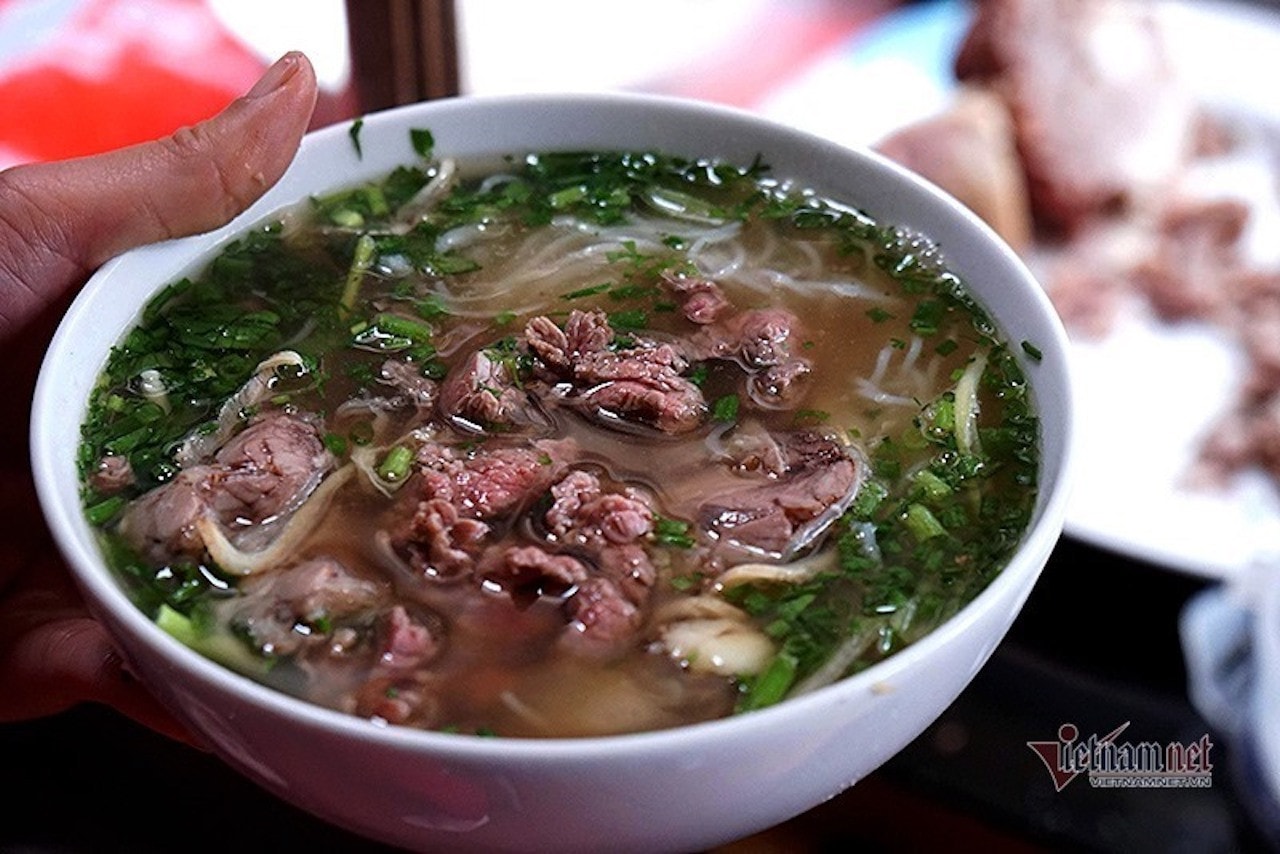
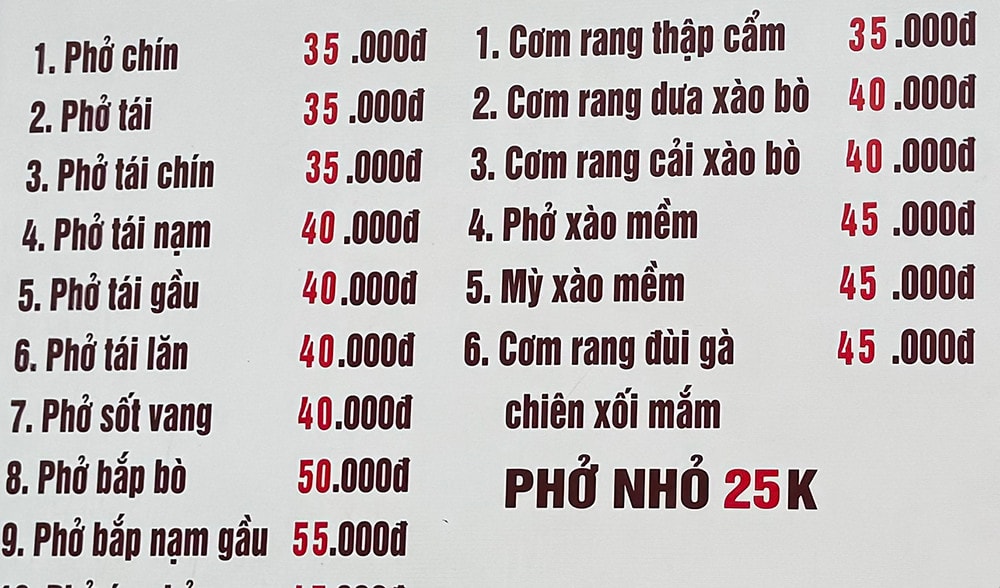
When ordering his usual bowl of pho at a street corner in Linh Dam (Hoang Mai district, Hanoi ), Mr. Nguyen Van Tuan was surprised to hear the new price of 35,000 VND per bowl. Looking at the restaurant's new price list, Mr. Tuan noticed that each bowl of pho had increased by 5,000 VND compared to before. The cheapest bowl of pho now costs 35,000 VND, while the most expensive one costs 55,000 VND.
Despite sympathizing with the restaurant, Mr. Tuan still complained: "Just the cost of breakfast alone has increased by several hundred thousand dong each month, which is a significant amount."
Explaining the price increase, a staff member said: "Previously, we used to source our goods from familiar suppliers without invoices or receipts. But now, with businesses required to declare taxes based on revenue, we are forced to source our raw materials from suppliers with valid documentation. This has significantly increased our costs."
In addition, the restaurant had to invest in a point-of-sale system to issue electronic invoices, directly connected to the tax authorities. "Many input costs have increased, and in the summer we have to use air conditioning, so electricity costs also go up. If we don't adjust the selling price, the pho restaurant will hardly be able to survive in this area with sky-high rental prices," this employee said.
A representative from a pho restaurant confirmed that the entire menu has been adjusted, with prices increasing by 5,000 VND per bowl. This new price has been in effect since the beginning of the week, and most customers understand. The restaurant is also struggling to find reasonably priced ingredients to maintain reasonable prices in the coming period.
Similarly, a noodle soup restaurant belonging to a well-known chain in Hanoi has also just announced a price increase. A staff member explained: "The restaurant now uses electronic invoices generated from a cash register directly connected to the tax authorities. This means we have to add VAT to the selling price for customers, instead of only adding it when customers request a red invoice as before."
"From onions and tomatoes to crab and even the bottle of fish sauce, taxes are added to everything, so the price increase for a bowl of vermicelli is unavoidable. We hope for your understanding," the staff member said.
The restaurant acknowledges that raising prices will result in higher costs for customers and may affect sales, but it is the only solution without reducing portion sizes or sourcing lower-quality ingredients.
Although the price increase is only 5,000 VND per bowl, for many customers, this is creating a significant burden.
Ms. Nguyen Thi Quynh (an office worker in Thanh Xuan, Hanoi) said: "I used to eat breakfast a few times a month, but now each meal costs an extra 5,000-10,000 VND, the difference is noticeable." In the context of stagnant income and rising living costs, Ms. Quynh said she will have to reconsider her habit of eating out.
Should we rush to raise prices?
Adjusting prices is a way for restaurant owners to maintain profit margins, offset increased costs, and improve service quality and customer experience. However, price increases can lead to decreased sales if not implemented cautiously and flexibly.
Mr. Nguyen Tuan Linh, the owner of a restaurant in Hanoi, believes that customers are usually only concerned with the price, such as how much a bowl of pho or a bowl of vermicelli costs. If prices are increased without any improvement in quality or service, customers will consider the increase unreasonable. As a result, the restaurant could lose a significant number of customers.
According to Mr. Linh, stores need to carefully study the impact of taxes on selling prices in order to make appropriate adjustments. They should not rush to increase prices immediately, as this will negatively affect customers who understand that they are bearing the tax burden on behalf of the store owner.
If a price increase is unavoidable, restaurant owners should clearly inform customers and specify the exact timeframe, avoiding any feelings of discomfort.
"Hasty price increases without any innovation can cause customers to turn away. Don't sacrifice a sustainable customer base for short-term gains," Mr. Linh said.
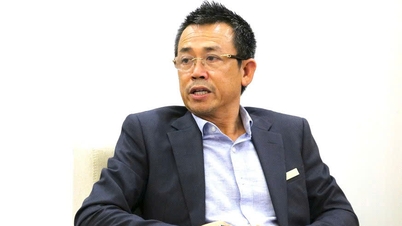
Sharing the same view, Mr. Nguyen Thai Binh , co-founder of Concepts Academy - VCS, analyzed that increasing product prices needs careful consideration due to rising input costs and weakening market purchasing power. Sudden price increases could affect sales as customers become increasingly cautious in their spending.
Instead of raising prices across the board, businesses should optimize costs by negotiating with suppliers, adjusting recipes, or adjusting product quantities. If a price increase is necessary, a flexible strategy based on region and customer group should be implemented, combined with enhancing product value to maintain attractiveness.
HA (according to Vietnamnet)Source: https://baohaiduong.vn/bat-bun-pho-dong-loat-tang-5-000-dong-chu-quan-noi-do-hanh-thit-cua-deu-ganh-them-thue-413639.html


![[Photo] Prime Minister Pham Minh Chinh presides over a meeting on private sector economic development.](/_next/image?url=https%3A%2F%2Fvphoto.vietnam.vn%2Fthumb%2F1200x675%2Fvietnam%2Fresource%2FIMAGE%2F2025%2F12%2F20%2F1766237501876_thiet-ke-chua-co-ten-40-png.webp&w=3840&q=75)



















































































Comment (0)