

How to handle a sudden asthma attack.
- How to handle a sudden asthma attack.
- 1. The first hour:
- 2. After 1 hour:
- Avoid traveling to places with disease-causing allergens.
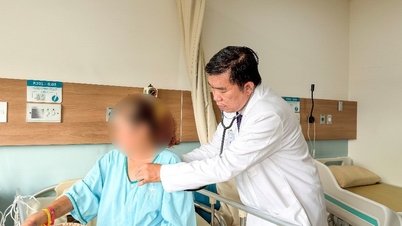
According to Assoc. Prof. Dr. Nguyen Van Doan, former Director of the Clinical Allergy and Immunology Center at Bach Mai Hospital, asthma attacks have four levels of severity, from mild to critical:
Mild dyspnea: Minimally affects daily activities; difficulty exhaling, wheezing, slightly rapid breathing and heart rate.
Moderate dyspnea: Significantly affects daily activities, requiring sitting to breathe; loud wheezing, retraction of the sternum and ribs; only able to speak short, hesitant, and uncomfortable sentences; relatively rapid breathing and heart rate.
Difficulty breathing.
Critical breathing difficulties.
When experiencing a sudden asthma attack, patients need to:
1. The first hour:
Ventoline 100 μg or Bricanyl 250 μg: Spray throat 3 times, 4-10 sprays each time, every 20 minutes during the first hour.
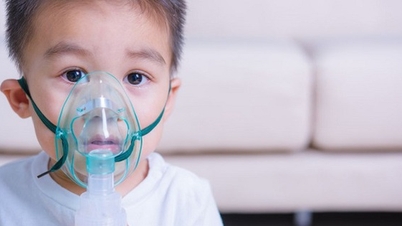
If using a nebulizer:
+ Ventoline: Nebulize 3 times, 5mg/2.5ml each time for adults; 2.5mg/2.5ml for children, every 20 minutes during the first hour, or:
+ Bricanyl: Inhalation 3 times, 5mg/2ml each time for adults; 2.5mg/ml for children, every 20 minutes during the first hour, or Combivent (Salbutamol/ipratropium): Inhalation 1 ampoule of 5ml/time for adults; 2.5ml/time for children x 3-4 times/day, or Theophylline 100mg fast-acting, 1-3 tablets orally.
+ Salbutamol 4mg x 1-2 tablets/dose (not the preferred medication).

If you are allergic to pollen, asthma sufferers should avoid traveling to places where flowers are in full bloom.
2. After 1 hour:
If shortness of breath improves: Use Ventoline or Bricanyl spray less frequently: every 3-4 hours, 4-10 sprays for adults; 2-4 sprays for children, or use Ventoline 5mg/2.5ml ampoule for adults; 2.5mg/2.5ml for children or Bricanyl 5mg/2ml ampoule for adults; 2.5mg/ml for children, for 1-2 days.
If breathing difficulties persist: Continue administering Ventoline or Bricanyl at a higher dose, or use Ventoline or Bricanyl 5mg ampoules for adults; Ventoline or Bricanyl 2.5mg ampoules for children, take additional corticosteroids, and see a doctor immediately.
If shortness of breath worsens: Use Ventoline or Bricanyl spray urgently, more than 4-10 sprays every 20 minutes, add Atrovent or Berodual, take oral corticosteroids, and seek immediate hospitalization.
Avoid traveling to places with disease-causing allergens.
According to Associate Professor, Doctor Nguyen Van Doan, asthma sufferers with pollen allergies should avoid traveling to places where flowers are in full bloom. Pollen grains are typically 0.01mm-0.05mm in size and contain many proteins, sugars, fats, and some vitamins, with protein being the main component. During the flowering season, each flower cluster releases tens of millions to billions of pollen grains into the air. These are allergens that cause many diseases, not only asthma but also other conditions such as allergies, allergic rhinitis, seasonal fever, and spring conjunctivitis.
Besides pollen, pet dander, mold, and cigarette smoke, these are also factors that can trigger asthma attacks in people with asthma. Therefore, when traveling, people with asthma should avoid close contact with dogs and cats and should stay in hotels where smoking is not allowed.
Associate Professor, Doctor of Medicine Nguyen Van Doan advises that if asthma patients experience a shortness of breath attack while traveling, they need to treat the attack immediately. In cases where an asthma patient experiences a shortness of breath with symptoms such as: loud wheezing, chest and rib retraction; only able to speak one word at a time or unable to speak; very rapid breathing and heart rate; cyanosis; gasping for breath, weak or inaudible wheezing; lethargy, confusion; unusually slow breathing, slow heart rate... then the patient needs to be taken to the emergency room immediately.
Source: https://suckhoedoisong.vn/bat-ngo-len-con-hen-khi-di-du-lich-can-lam-gi-16926043020382884.htm




































































































Comment (0)