

Bronchitis is a common respiratory illness in young children, occurring when the bronchial lining becomes inflamed due to viruses, bacteria, or environmental irritants. If detected early and properly cared for, most children with bronchitis can recover completely within 7-10 days.
However, many parents are still complacent or do not care for their children properly, causing the illness to prolong, recur many times, or lead to dangerous complications such as pneumonia and respiratory failure. Therefore, early recognition of the signs of the disease and application of appropriate care measures are essential to help children recover quickly and limit complications.
Signs and symptoms of bronchitis in children.
The bronchi are the tubes that carry air from the trachea into the lungs. When the bronchial lining becomes inflamed, swollen, and produces excessive mucus, it can cause symptoms such as coughing, shortness of breath, wheezing, and fatigue.
Bronchitis can occur at any age, but is most common in children under 5 years old due to their immature immune systems. The disease often increases during seasonal changes or when the environment is polluted.
The main causes of the illness are viruses such as influenza virus, RSV, rhinovirus, etc. In some cases, it may be caused by bacteria or by children's exposure to cigarette smoke, dust, and toxic chemicals.
In the early stages, bronchitis can resemble a common cold and is therefore easily overlooked. After a few days, children usually develop more pronounced symptoms such as:
- Signs and symptoms of bronchitis in children.
- Why are children more susceptible to bronchitis?
- How to care for a child with bronchitis at home.
- Nutritional guidelines for children with bronchitis.
- When should you take your child to the doctor?
- Dry cough or cough with phlegm;
- Runny nose, nasal congestion;
- Mild or high fever;
- Wheezing;
- Rapid breathing;
- Tired, fussy, and crying;
- Loss of appetite;
- Difficulty sleeping.
Some children may vomit after coughing or develop breathing difficulties as the illness progresses.
If a child exhibits symptoms such as chest retraction, cyanosis, refusal to feed, or lethargy, parents should quickly take the child to a medical facility as these could be warning signs of dangerous complications.
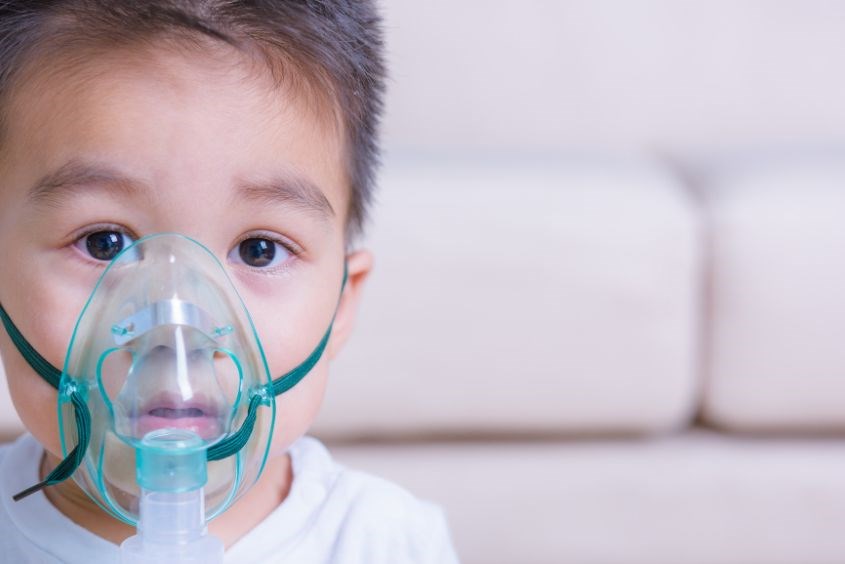
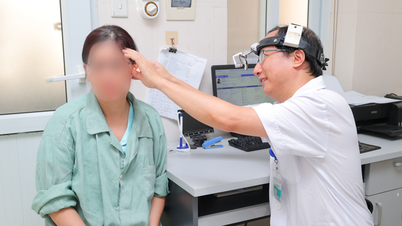
Bronchitis is a common respiratory illness in young children.
Why are children more susceptible to bronchitis?
Young children have underdeveloped immune systems, making them less able to fight off viruses and bacteria. Additionally, their respiratory tracts are narrower than adults, so inflammation of the mucous membranes can easily lead to airway obstruction.
Several factors increase the risk of bronchitis in children, including:
- The weather is unpredictable;
- Exposure to cigarette smoke;
- Environmental pollution;
- Children with allergic tendencies;
- Malnutrition;
- Not receiving adequate breastfeeding;
- Contact with someone who has a respiratory illness.
Children who frequently live in enclosed, damp, or crowded environments are also at a higher risk of developing the disease.
How to care for a child with bronchitis at home.
Proper nasal hygiene for children
Clearing the nose is one of the important measures to help children breathe easier and reduce mucus buildup in the respiratory tract.
Parents should use saline solution to instill or spray into their child's nose several times a day, especially before meals and before bedtime. After instilling the saline solution, a nasal aspirator can be used to remove mucus, helping to clear the airways.
However, gentle handling is necessary to avoid injuring the child's nasal mucosa.
Keep the child warm.
When children have bronchitis, keeping them warm is very important, especially the neck, chest, and feet.
Parents should dress their children appropriately for the weather, avoiding exposing them to cold temperatures or setting the air conditioner too low. At night or in the early morning, children should be kept warm when going outside to prevent their illness from worsening.
Monitor body temperature and reduce fever properly.
Fever is a common reaction when children have bronchitis. Parents should monitor their child's body temperature regularly, especially at night.
If a child has a mild fever, wiping their body with warm water can help lower the temperature. When a child's fever reaches 38.5 degrees Celsius or higher, fever-reducing medication should be used as directed by a doctor.
Do not combine multiple medications or overuse fever-reducing drugs as this can affect a child's liver and kidneys.
Do not use antibiotics without consulting a doctor.
Many parents have a habit of buying antibiotics for their children on their own when they see their children coughing or having a fever. However, in most cases, bronchitis in children is caused by viruses, so antibiotics are ineffective in treating it.
The misuse of antibiotics not only fails to improve the illness but also increases the risk of antibiotic resistance, digestive disorders, and long-term health problems for children.
Antibiotics should only be used when prescribed by a doctor after it has been determined that the child has a bacterial infection.
Make sure your child drinks enough water.
Adequate hydration helps thin mucus, reduce respiratory congestion, and effectively lower fever. Therefore, parents should give their children water regularly, in several small amounts throughout the day.
For breastfed babies, the number of feedings should be increased to provide sufficient water and nutrients.
In addition to plain water, you can give your child fruit juice, broth, or oral rehydration solution (ORS) as directed if they show signs of dehydration.
How to properly use honey to relieve coughs.
Honey is a natural ingredient that effectively soothes the throat and helps reduce coughs. Parents can mix honey with warm water or give it directly to children in appropriate amounts.
Besides soothing the throat lining, honey also has antibacterial properties and supports immune system enhancement. However, honey should absolutely not be given to children under 1 year old due to the risk of botulinum poisoning.
Nutritional guidelines for children with bronchitis.
When children are sick, they are often tired and have a poor appetite. Therefore, parents need to create a suitable nutritional plan to help them recover quickly.
It is advisable to prioritize soft, liquid, and easily digestible foods such as porridge, soup, broth, milk, and fruit juice.
In addition, it is necessary to increase the consumption of foods rich in vitamins A, C, and E to boost immunity.
Green vegetables, fresh fruits, fish, lean meat, eggs, and milk are foods that should be included in children's diets during this stage.
Limit your child's intake of greasy, fried foods, and foods that are too sweet or too salty, as these can cause indigestion and irritate the throat.
When should you take your child to the doctor?
Although most cases of bronchitis can be managed at home, parents should take their child to a medical facility immediately if the following signs appear:
- Persistent high fever;
- Shortness of breath;
- Rapid breathing;
- Chest retraction during breathing;
- Pale purple;
- Refraining from breastfeeding and eating.
- Sedation;
- Persistent cough;
- Continuous vomiting.
Early diagnosis allows doctors to accurately assess the severity of the disease and provide appropriate treatment, minimizing the risk of dangerous complications.
Source: https://suckhoedoisong.vn/cham-care-tre-bi-viem-phe-quan-dung-cach-giup-nhanh-hoi-phuc-16926051420593469.htm


![[Image] Hanoi's urban life under the challenge of a "scorching hot" environment](https://vphoto.vietnam.vn/thumb/1200x675/vietnam/resource/IMAGE/2026/05/25/1779706979265_nang-nong-t5-2026-minh-duy-7-4636-jpg.webp)






























































































Comment (0)