

 |
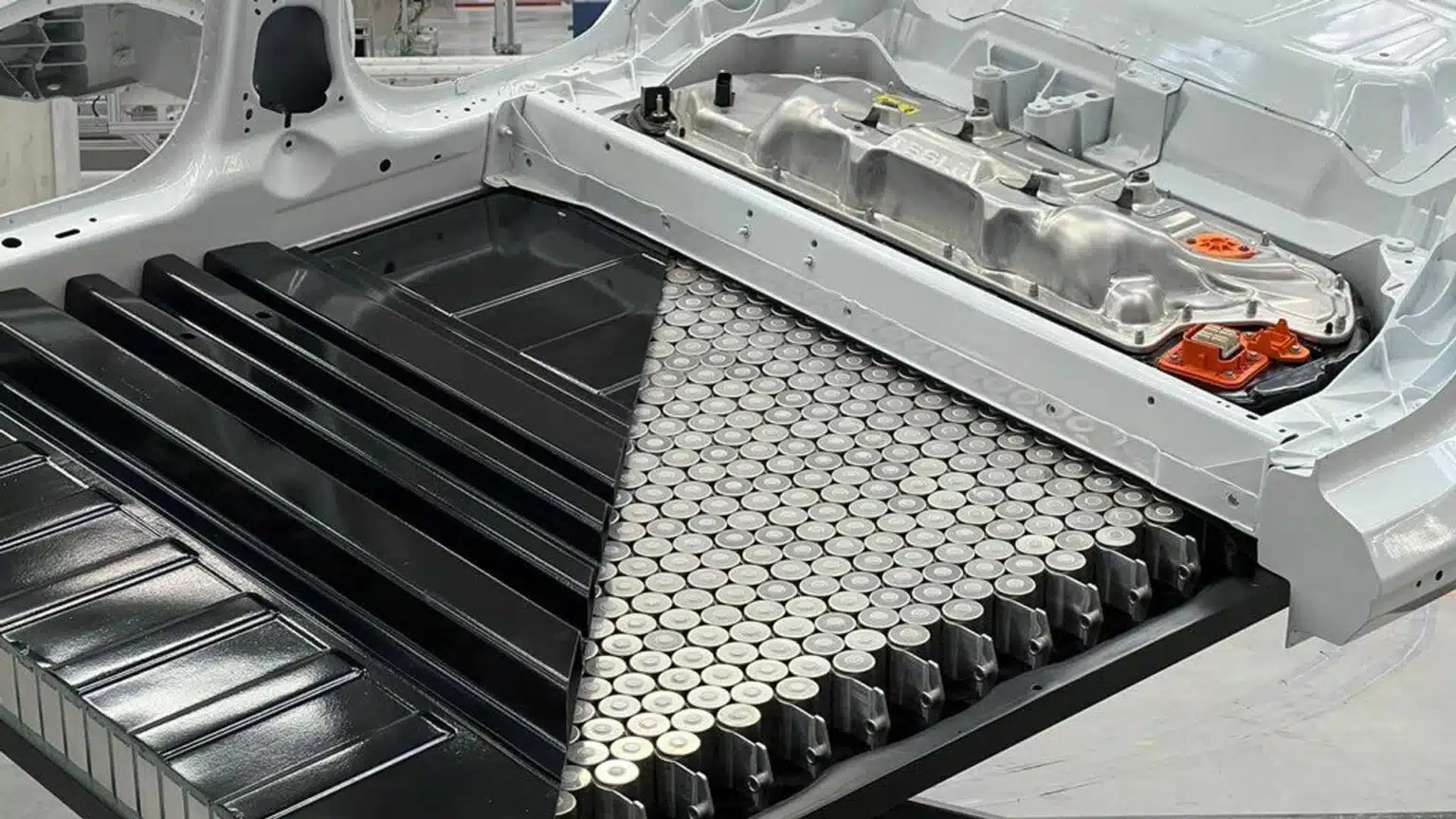
In a landmark move in energy storage technology, China has begun deploying a series of large-scale "gravity batteries," a move that has the potential to fundamentally change how renewable energy is stored worldwide .
This innovative approach is challenging the dominance of lithium-ion batteries and offers promising environmental benefits as nations race toward greener energy solutions.
"Gravity batteries"
"Gravity batteries" operate on the principle of lifting and lowering heavy materials to store and release energy. This energy is "invested" in a mass of material, such as a large concrete block or a body of water, as it is lifted to a higher level.
This energy is stored until the material is lowered. At that point, a generator or turbine converts the kinetic energy from the downward motion into electrical energy. The advantage of this technology over conventional batteries is that the energy does not degrade over time.
The most prominent example of this promising technology is the “Evx” project in China, a collaboration between the Chinese government and the Swiss energy company, Energy Vault.
This is a massive structure, over 120 meters tall, yet it has no doors or windows. Inside, 3,500 "bricks" weighing 25 tons each are moved up and down by a complex system of elevators and rails. These blocks are raised when renewable energy sources produce excess electricity and lowered when electricity demand increases.
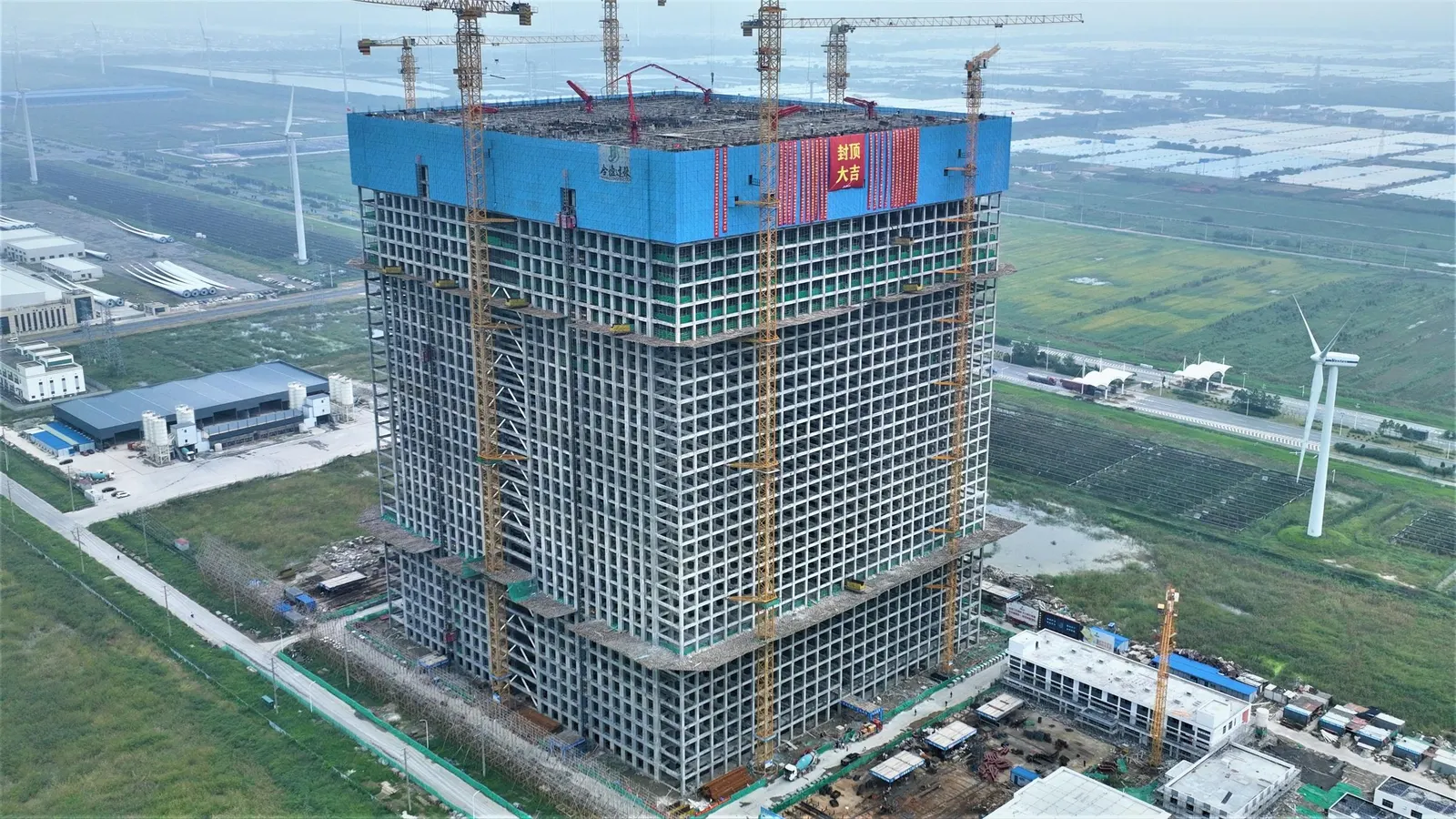 |
A 120-meter-tall "gravity battery" system in Rudong, Shanghai, China. Photo: EnergyVault. |
With a reported capacity of up to 100 MW/h, the EVx system clearly demonstrates China's commitment to alternative energy storage technologies, despite the country's dominance in the lithium-ion battery market.
Currently, China controls about 72% of global lithium-ion battery production, but remains aware of the strategic importance of diversifying energy storage methods.
Energy Vault's first commercial gravity battery system in China is built right next to a wind farm. With an impressive storage capacity of 100 megawatt-hours (MWh), once fully charged, the system is capable of powering approximately 4,600 electric vehicles for a distance of 100 km.
"We never imagined that our first plant would be built in China," Robert Piconi, CEO of Energy Vault, told SWI .
Yan Shengjun, chairman of China Tianying Group, asserted that Energy Vault's "revolutionary technology" will accelerate China's energy transition.
According to Forbes , Chinese policymakers appreciate the potential of using local raw materials to build this infrastructure, as well as its lifespan of over 35 years.
Currently, three similar gravity battery systems are under construction in China, and six more are in the planning stages. In total, they will have a combined storage capacity of up to 3,700 MWh.
Enormous potential
The operating principle of gravity-fed batteries is similar to that of pumped-storage hydroelectric power plants. These systems pump water up to upstream reservoirs when there is excess energy and release it through turbines during peak electricity demand periods.
According to the International Hydropower Association , these systems currently account for more than 94% of the total installed energy storage capacity globally. This demonstrates the enormous potential and proven reliability of using gravity for energy storage.
Despite their high performance and reliability, these systems require specific geographical features such as elevated reservoirs and large watersheds, which many regions lack.
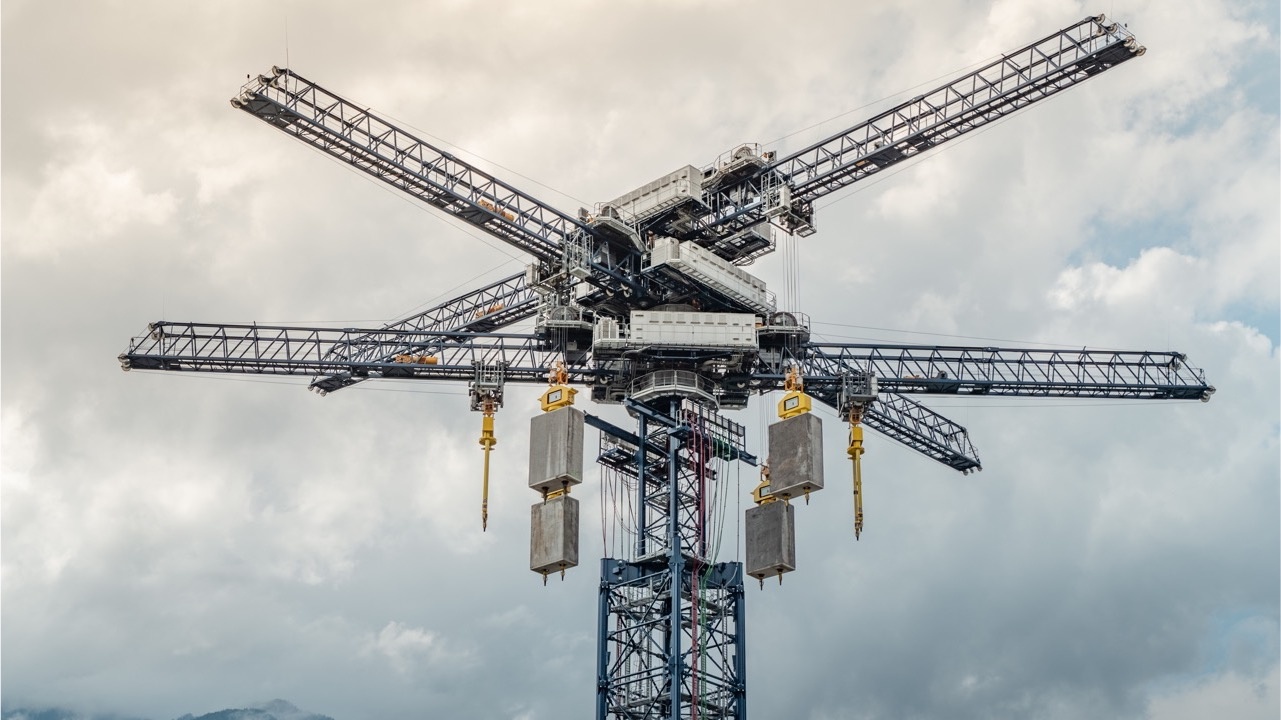 |
Energy Vault's EVx system is installed in a demonstration project in Switzerland. Photo: Energy Vault. |
Conversely, gravity cells, which utilize solid weights, can be constructed more flexibly, with the main limitation lying in the existing infrastructure for lifting and lowering the material. This opens up the potential for broader applications of gravity cell technology in various locations around the world, not constrained by natural topographical factors.
Furthermore, gravity batteries offer several environmental benefits compared to lithium-ion batteries. The EVx system uses building blocks made from readily available materials such as sand or recycled waste, significantly reducing reliance on rare minerals.
The social impact of gravity battery projects in China also shows positive signs. These projects create jobs for the local workforce and utilize available resources in the region, thereby reducing the need for transportation and related supply chain issues.
This localized approach contrasts sharply with the complex global supply chains necessary for lithium-ion battery production, which pose a risk of disrupting natural habitats and threatening vulnerable ecosystems.
Source: https://znews.vn/ben-trong-he-thong-pin-trong-luc-khong-lo-cua-trung-quoc-post1549060.html







































































Comment (0)