

Implementing policy mechanisms and providing business training.
Following the direction of the Ministry of Industry and Trade , the Import-Export Department is implementing a series of synchronized solutions, from developing policy mechanisms and training businesses to coordinating with customs authorities of importing countries, in order to create a transparent framework for the origin of goods and increase the percentage of Vietnamese goods meeting the rules of origin in FTAs, especially the EVFTA.
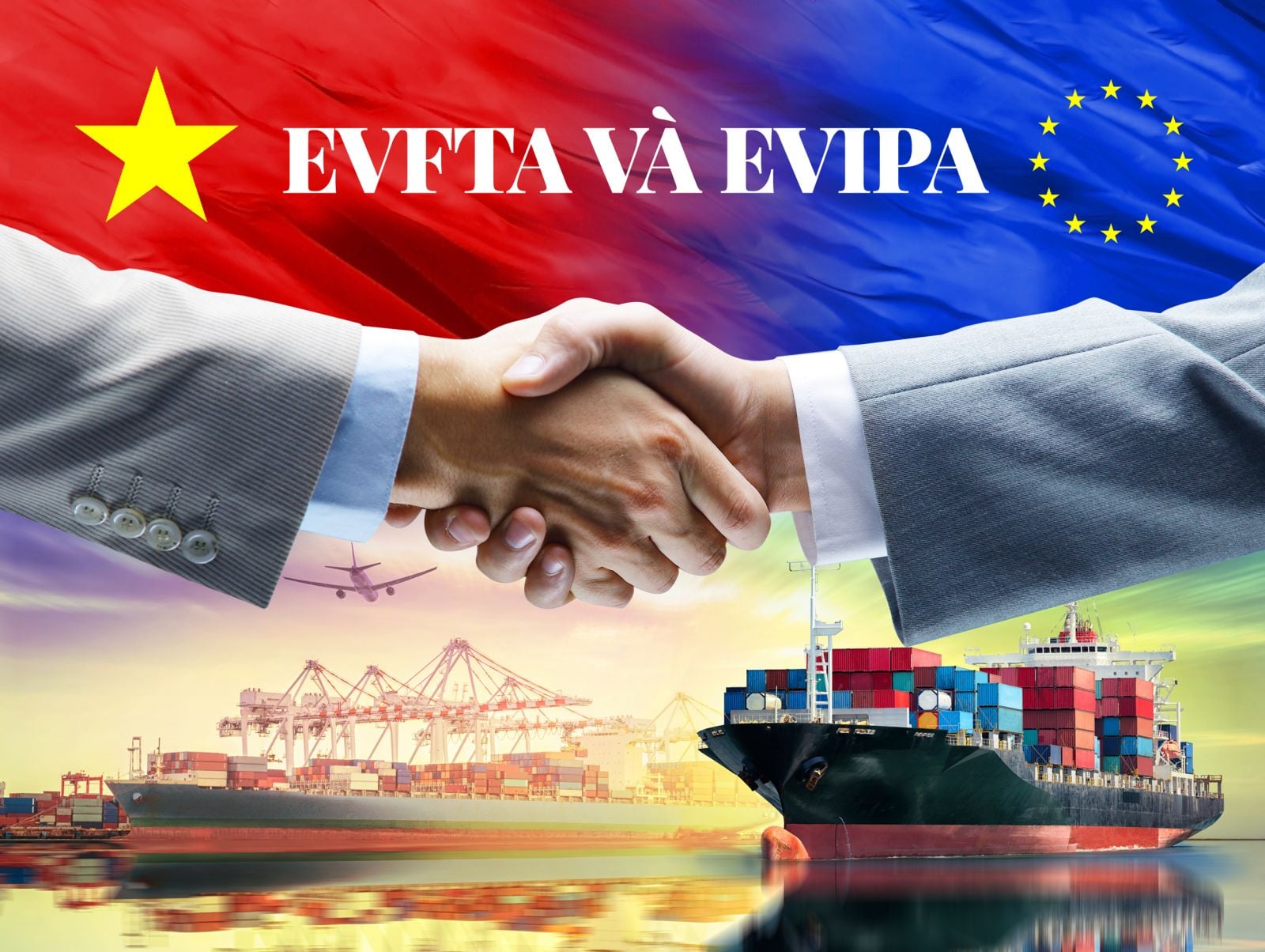
The rate of businesses and industries utilizing the rules of origin in the EVFTA is assessed as quite positive.
First and foremost, this agency focused on developing mechanisms and policies, most notably by leading the drafting of a new Decree on the origin of goods, replacing Decree No. 31/2018, with particular emphasis on measures to prevent origin fraud.
In addition, the Department implemented Decree No. 146/2025 and Circular No. 40/2025 on decentralization and delegation of authority in the field of origin of goods, guiding 34 localities on how to issue certificates of origin in accordance with regulations, ensuring that goods meet export standards to FTA markets.
Training and education are also given special attention by the Department. This activity is not only aimed at the agencies and organizations issuing certificates but also directly supports manufacturing and exporting businesses. The Department organizes training sessions and workshops, and also creates detailed instructional videos to help businesses understand the rules of origin for each product and market, while implementing production processes that comply with international commitments.
At the same time, the Department closely coordinates with the customs authorities of the importing country. When verification of origin is required, the Department acts as the liaison with the partner customs authority, while also clarifying with businesses and domestic certification bodies to ensure that goods qualify for preferential tariffs. In case of violations, appropriate measures will be applied.
Furthermore, the Department also conducts consultations on production processes for goods during FTA negotiations and the implementation of international commitments, focusing on ensuring that proposals closely align with actual production processes, are flexible and simple, yet still meet international requirements. In addition, the Department continues to reform administrative procedures, with its efforts in addressing difficulties for businesses and Certificate of Origin (C/O) issuing agencies being highly appreciated and welcomed by all stakeholders.
3 important points for businesses to consider.
According to the Import-Export Department, in the past, many businesses often followed the direct requests of their importing partners, producing only sample goods as requested without considering tariff preferences or rules of origin. After a period of training and guidance on the mechanisms and policies of the Import-Export Department, the awareness of businesses has changed significantly. Currently, many businesses know how to advise their partners on choosing product samples that optimize tariff preferences or better meet rules of origin requirements.
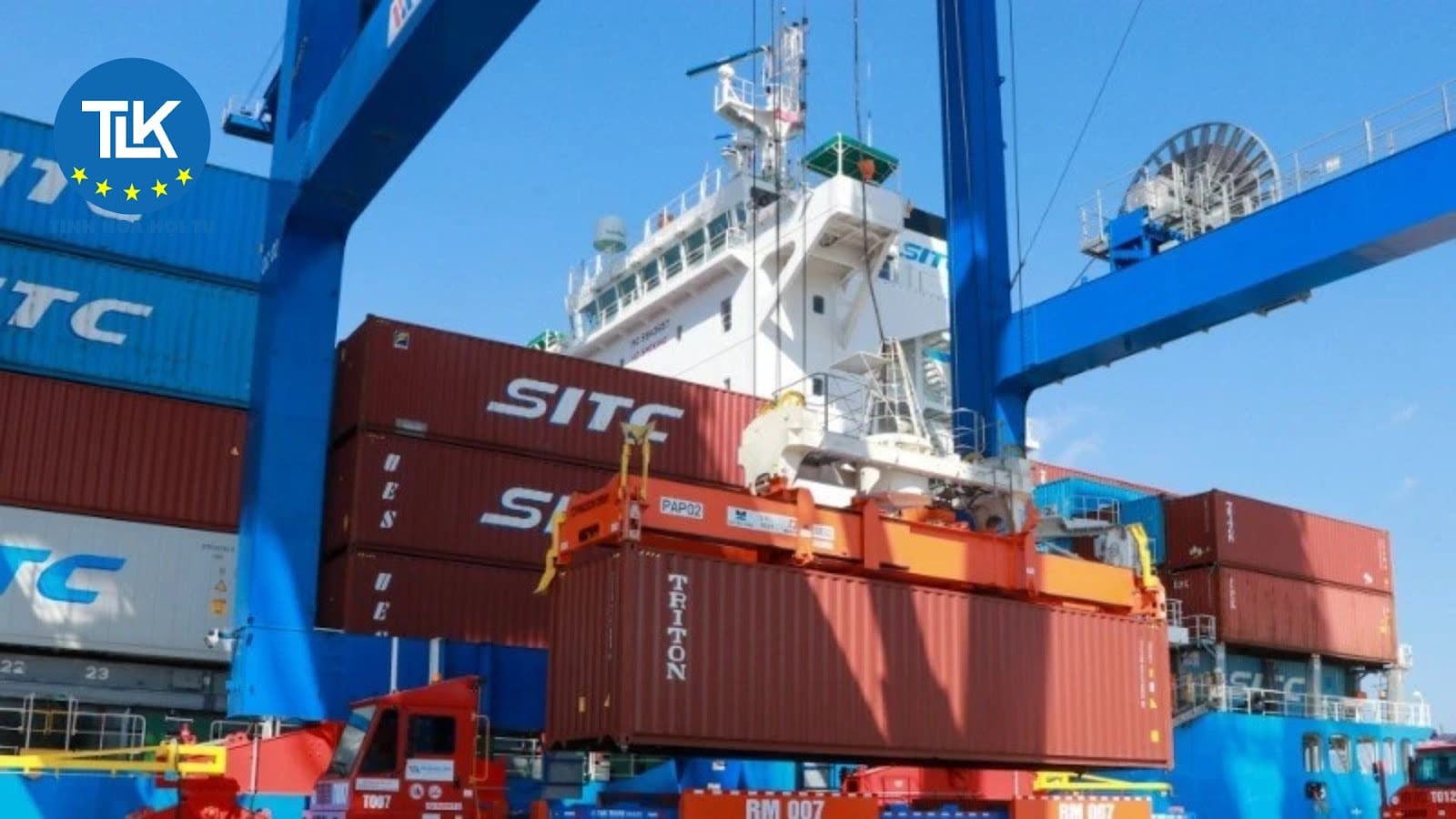
Since the EVFTA came into effect on August 1, 2020, the value of goods with self-certified origin reached approximately US$6 million in 2020 and is projected to increase to US$12 million in 2025.
Besides the proactive efforts of businesses, the Import-Export Department also provided three important notes to help businesses improve their compliance rate with rules of origin within the framework of FTAs.
Firstly, different markets and products require different rules of origin. For example, even though Vietnam exports agricultural products to Japan, it participates in various agreements such as ASEAN-Japan, Vietnam-Japan, CPTPP, and RCEP. Each agreement has its own preferential tariff rates and rules of origin. Therefore, businesses need to consider which agreement offers lower preferential tariff rates and rules of origin that are easiest to meet for their goods in order to choose the optimal solution.
Secondly, businesses need to proactively seek out official information. Currently, there are many information channels, but not all are reliable. Accessing official information from regulatory agencies such as the Import-Export Department, the Ministry of Industry and Trade, or official media channels like the Industry and Trade Newspaper helps businesses apply the rules of origin correctly and optimize their tariff benefits.
“When discussing with EU partners, they shared that many EU importers find Vietnamese businesses often search for information on rules of origin on the Internet. Even some EU policy officials are unsure about this information and have to rely on importers to relay it to the Vietnamese side. This shows that unofficial information can cause misunderstandings and is difficult to apply in practice,” the Import-Export Department cited, emphasizing that businesses need to prioritize official and up-to-date sources of information, including information on the decentralization and delegation of authority in the origin of goods in 34 provinces and cities, as well as new regulations that are about to be implemented.
Thirdly, preserving and storing origin records is crucial. The issuance of a certificate of origin does not immediately conclude the legal process. After the shipment is exported, the customs authorities of the importing country will examine the records to confirm eligibility for preferential tariffs. In some cases, customs authorities may conduct post-audits years later, requiring businesses to provide documents and certificates related to their facilities and production processes to prove origin.
Therefore, businesses need to maintain complete and accurate records, including self-certification of origin if they issue it themselves. When self-issuing certificates, businesses should note: Maintain complete and accurate records for each shipment to be able to prove origin when necessary; confirm the correct origin of the shipment so that the goods are eligible for preferential tariffs under the agreement; cooperate closely with foreign customs authorities when verification is required, and provide complete documentation to prove the validity of the shipment.
Following these three guidelines will help businesses optimize tariff preferences, minimize export risks, and enhance their competitiveness in the international market.
Regarding self-certification of origin, the Import-Export Department also noted that since 2020, when the EVFTA Agreement came into effect, the number of Vietnamese shipments with self-certified origin reached approximately 2,000 shipments per year. By 2025, the number of self-certified shipments is expected to increase to approximately 6,000 shipments per year. In terms of value, since the EVFTA came into effect on August 1, 2020, the value of goods with self-certified origin reached approximately US$6 million in 2020 and is projected to increase to US$12 million in 2025.
This shows that, along with the system of certificates of origin issued by state agencies, self-certification of origin by businesses is becoming increasingly common. In this context, maintaining complete and accurate records becomes a key factor, not only helping businesses secure preferential tariff treatment but also serving the verification of goods origin in the future.
With the synchronized solutions implemented by the Ministry of Industry and Trade, along with the guidance from the Import-Export Department, the percentage of goods meeting rules of origin and enjoying preferential tariffs under FTAs in general, and the EVFTA in particular, is expected to increase. This not only helps businesses maximize the advantages of FTAs but also contributes to enhancing the competitiveness and reputation of Vietnamese goods in the international market.
Exporting businesses are also encouraged to actively participate in training courses, workshops, and international trade fairs to stay updated on new regulations and proactively advise partners on the most optimal production and export options. This proactive approach, combined with synchronized solutions from the Import-Export Department, will help Vietnamese businesses not only meet the tariff preferences in FTAs and the EVFTA, but also build a solid foundation for expanding into other FTA markets in the future.
Source: https://moit.gov.vn/tin-tuc/thi-truong-nuoc-ngoai/dap-ung-quy-tac-xuat-xu-trong-fta-nhung-luu-y-tu-cuc-xuat-nhap-khau.html

![[Photo] Prime Minister Pham Minh Chinh presides over a meeting on private sector economic development.](/_next/image?url=https%3A%2F%2Fvphoto.vietnam.vn%2Fthumb%2F1200x675%2Fvietnam%2Fresource%2FIMAGE%2F2025%2F12%2F20%2F1766237501876_thiet-ke-chua-co-ten-40-png.webp&w=3840&q=75)




























































Comment (0)