

Hospitals are places where medical errors are a potential risk.
Each year, healthcare facilities nationwide see 170 million outpatient visits and over 10 million inpatient visits. Each inpatient visit may involve dozens, even hundreds, of clinical procedures, equivalent to hundreds of millions of clinical interventions (medical interventions related to patients) performed annually. Therefore, there are also many potential errors and risks.
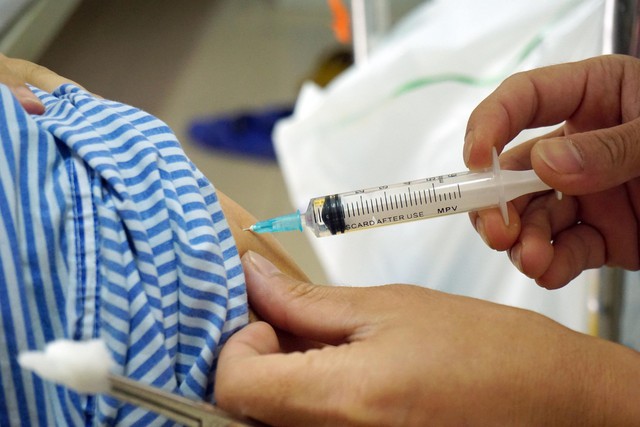
Hospitals are places with a high risk of medical malpractice, and the Ministry of Health requires proactive prevention measures.
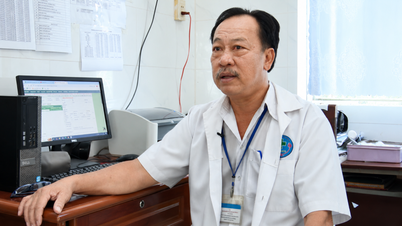
PHOTO: NGOC THANG
This information was provided by Dr. Ha Anh Duc, Director of the Department of Medical Examination and Treatment Management (Ministry of Health), at a training session on the pilot implementation of the medical incident reporting and risk management toolkit, organized by the Ministry of Health today, March 11th.
According to Mr. Duc, no matter how well healthcare workers perform, hospitals remain places where medical errors and professional mistakes are likely to occur. In low- and middle-income countries, it is estimated that an average of 134 million medical incidents occur in hospitals each year, causing approximately 2.6 million deaths, while about half of these incidents are preventable.
According to Mr. Duc, the pilot implementation of the online medical incident reporting and risk management toolkit, ensuring patient safety, helps hospital leaders and the Department of Medical Examination and Treatment Management to quickly become aware of medical incidents, so that they can work together to find timely solutions.
"In the long run, when hospitals submit reports, there will be more data to analyze incidents in each specialty, based on which to diagnose professional errors and prevent medical incidents for healthcare workers and hospitals, and minimize professional errors," Mr. Duc said.
You must take responsibility if you cause a medical incident.
According to statistics from the World Health Organization, more than 1 in 10 patients experience a medical incident, and about 12% of these incidents cause serious harm (permanent disability or death).
At the training session, Dr. Nguyen Trong Khoa, Deputy Director of the Department of Medical Examination and Treatment Management, requested that hospitals proactively prevent and respond to medical incidents; conduct assessments at least every six months; and evaluate potential risks in the process of medical care through inspection, supervision, and review of high-risk situations that may occur in departments and wards. Simultaneously, they should establish a rapid response team to handle medical incidents when they occur.
"In particular, when an incident occurs, in addition to ensuring patient safety, medical staff need to provide detailed information about the incident to hospital leaders or supervisors. Family members of patients need to be frank, open, and provide complete information; if at fault, they must admit their mistake and affirm their responsibility to rectify the consequences," Mr. Khoa emphasized.
Source: https://thanhnien.vn/benh-vien-tiem-an-nguy-co-su-co-y-khoa-185250311191608049.htm





![[Photo] General Secretary and President To Lam presides over a meeting on preparations for the review of one year of operation of the three-tiered government system.](https://vphoto.vietnam.vn/thumb/1200x675/vietnam/resource/IMAGE/2026/06/02/1780391821195_a1-bnd-4595-9717-jpg.webp)





















































































Comment (0)