

Start your day with health news; you can also check out these other articles: How to maintain lung health in cold weather?; How does weight affect blood pressure? ...
What happens to your body when you skip breakfast?
Studies show that eating a healthy breakfast leads to better nutrient absorption throughout the day. However, many people skip breakfast.
Below, nutrition experts share the potential health consequences of skipping breakfast.
Increased risk of diabetes. A 2019 analysis involving 96,175 participants showed that skipping breakfast 4-5 days a week increased the risk of developing diabetes by 55%.

Many people often skip breakfast.
Caroline Young, a registered dietitian and director of Whole Self Nutrition (USA), says: "Fasting overnight causes blood sugar levels to naturally drop after waking up. If you don't eat a balanced breakfast, blood sugar levels will continue to drop. Over time, this leads to significant fluctuations in blood glucose levels, which can result in prediabetes or diabetes."
Difficulty concentrating. Breakfast provides essential nutrients that help energize the brain. Skipping it can lead to difficulty concentrating throughout the workday.
A 2017 study found that skipping breakfast or eating an unhealthy breakfast reduced cognitive performance throughout the day.
Professor and Doctor Trista Best, a nutritionist working in the US, stated: Breakfast provides essential nutrients and energy for the body and brain. For some people, skipping breakfast can reduce cognitive performance, causing difficulty concentrating, remembering, and solving problems . Readers can find more information on this topic in the health section of this article on December 26th .
How does weight affect blood pressure?
Weight and blood pressure have long been known to be closely related. Being overweight significantly impacts blood pressure, increasing the risk of high blood pressure and other related health conditions.
Understanding the relationship between weight and blood pressure is crucial for maintaining cardiovascular health. When overweight, our bodies require more oxygen and nutrients to function properly. As a result, the heart has to work harder to pump blood throughout the body, leading to higher blood pressure.
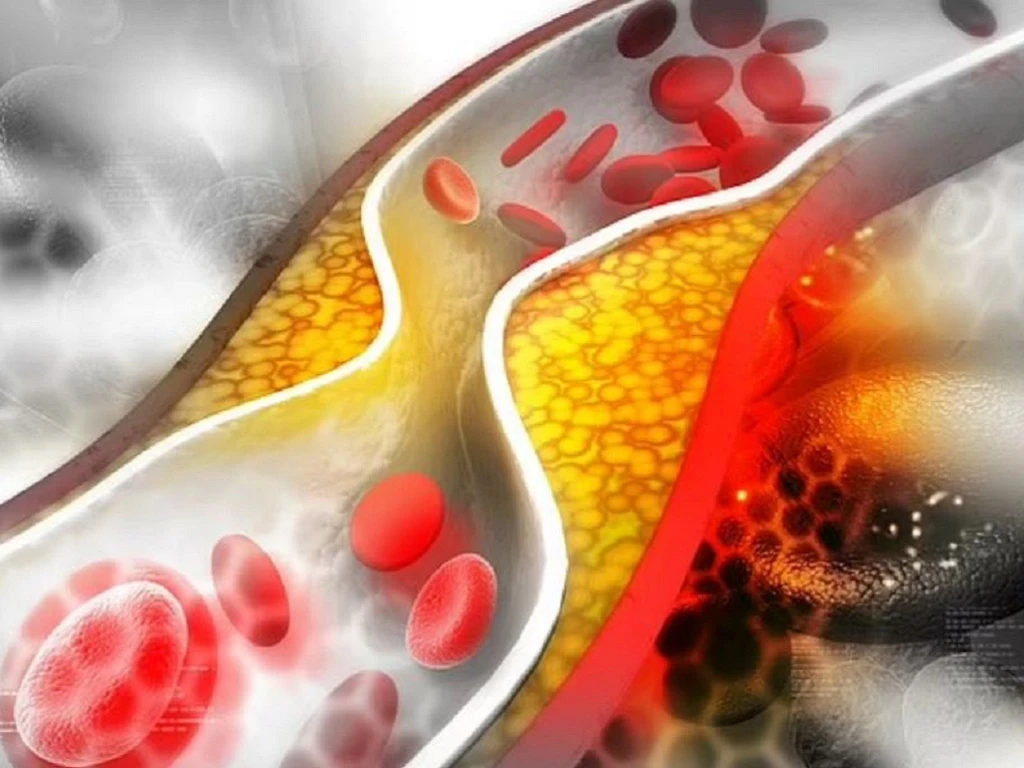
Weight gain causes more cholesterol plaque to build up in the blood vessels, thereby increasing blood pressure in the artery walls.
In addition, being overweight or obese makes it easier for atherosclerotic plaques to form in the walls of blood vessels, narrowing the blood vessels and causing fat to accumulate, thereby increasing blood pressure.
Furthermore, excessive body fat often leads to other risk factors for high blood pressure, such as insulin resistance, inflammation, and hormonal imbalances. These factors not only contribute to high blood pressure and diabetes, but also many other health problems.
At that time, weight loss was absolutely essential. Studies have shown that even modest weight loss can positively impact blood pressure, while also improving mobility and overall health. Further details of this article will be available on the health page on December 26th .
How can I maintain lung health during the cold season?
The lungs are the primary respiratory organs, responsible for absorbing oxygen and expelling carbon dioxide. Because they play such a vital role in the body, the lungs need protection against respiratory diseases, especially when air temperatures drop.
Taking care of your lungs is especially important during cold weather. Colder weather also means an increase in respiratory infections.

Colder weather makes the lungs more susceptible to respiratory illnesses.
To protect your lung health, the first thing to remember is to keep your body warm, especially when outdoors. Wearing multiple layers of clothing will help keep you warm and prevent exposure to cold air. Additionally, scarves and face masks will act as a barrier preventing cold air from directly entering your respiratory system.
Maintaining indoor air quality is also essential for protecting and maintaining respiratory health. On cold days, we tend to spend more time indoors, with windows and doors closed.
Using an air purifier not only helps ensure proper air circulation but also removes pollutants such as dust, allergens, and even toxins from your home. These are all factors that can irritate the lungs. Start your day with health news to read more in this article!
Source link


![[Image] Hanoi Police officially crowned champions of V-League 2025/2026](https://vphoto.vietnam.vn/thumb/1200x675/vietnam/resource/IMAGE/2026/05/31/1780244769054_ndo_br_039d561b692be875b13a-jpg.webp)
![[Photo] The General Secretary, President and his wife begin their state visit to the Philippines.](https://vphoto.vietnam.vn/thumb/1200x675/vietnam/resource/IMAGE/2026/05/31/1780230559452_anh-man-hinh-2026-05-31-luc-19-28-11.png)
![[Photo] Admire the coral "masterpiece" amidst the million-year-old heritage of Dak Lak province.](https://vphoto.vietnam.vn/thumb/1200x675/vietnam/resource/IMAGE/2026/05/31/1780221235105_anh-man-hinh-2026-05-31-luc-16-53-27.png)
![[Photo] Solemn bathing ceremony and Buddha procession in Hue](https://vphoto.vietnam.vn/thumb/1200x675/vietnam/resource/IMAGE/2026/05/31/1780228263543_1-jpg.webp)


















![[Video] Sunset at Lap An Lagoon – Where the sun sets over the fishing nets](https://vphoto.vietnam.vn/thumb/340x192/vietnam/resource/IMAGE/2026/05/31/1780192137701_beach-landscape-sea-water-nature-grass-745871-pxhere-com.jpeg)












































































Comment (0)