A historic step at the G20 Summit.
 Báo Quốc Tế•16/11/2024
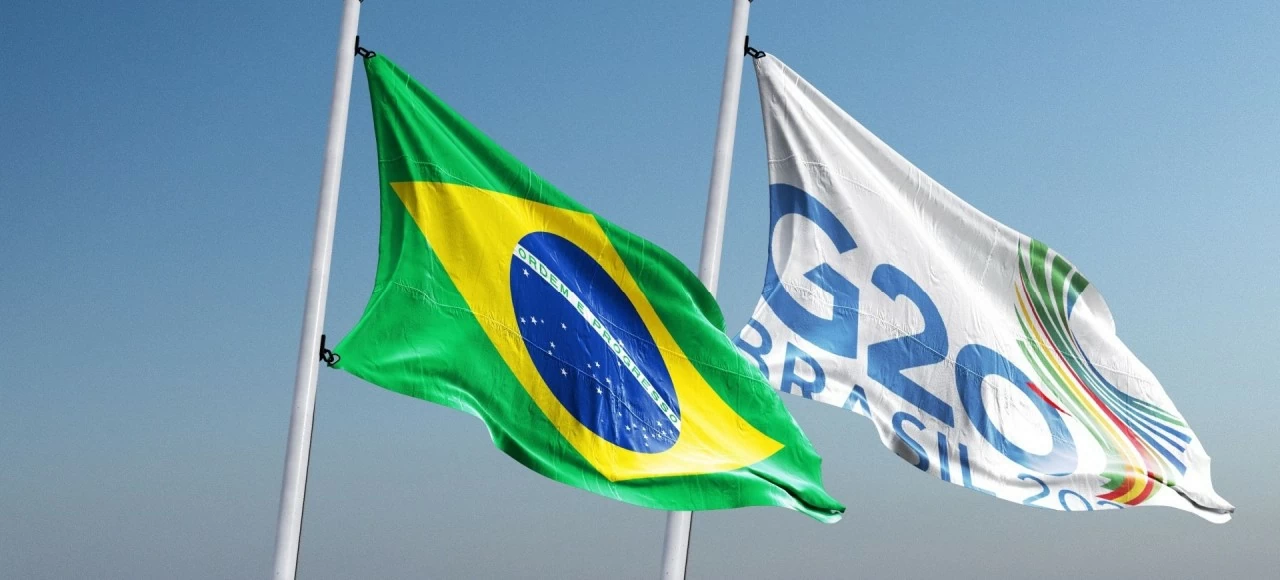 |
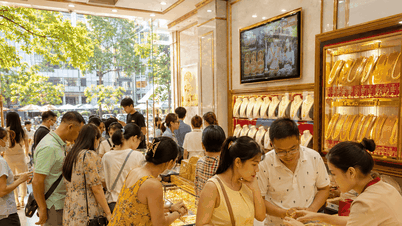
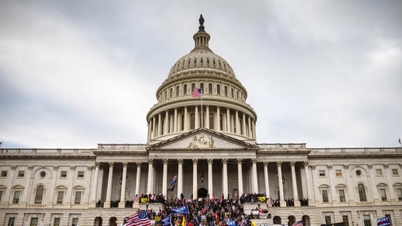
| As the G20 chair in 2024, Brazil proposed a minimum 2% annual tax on the world's 3,000 wealthiest individuals whose assets exceed one billion USD. (Source: Shutterstock) |
The super-rich are getting richer rapidly. According to statistics, by the end of 2023, the number of members of the world's ultra-rich club, which includes individuals with a minimum net worth of $30 million, had increased by 28% in just seven years. The wealth of the richest 1% of the planet also increased by $42 trillion over the past decade, nearly 36 times the total wealth of half the world's poorest population.
You may also like
Promoting cooperation between Vietnamese ministries, departments, and localities with Guangdong province.Deputy Minister Nguyen Minh Vu expressed his hope that both sides would continue to promote cooperation between Vietnamese ministries, departments, and localities with Guangdong in particular and the Guangdong-Hong Kong-Macau Greater Bay Area in general.
Iran claims it has the right to decide how to use its frozen assets.The Iranian ambassador asserted that Tehran would be the sole party to decide how to use Iran's frozen assets once they are released under an agreement with the US aimed at ending tensions in the Middle East. This statement completely contradicts previous assertions from Washington.

At least 40 people have drowned in France amid a record-breaking heatwave.At least 40 people have died from drowning in France over the past five days, as a record-breaking heatwave has driven many to seek relief from the heat in rivers and lakes.
But paradoxically, the super-rich pay far less in taxes than the average person. Their assets are virtually untaxed, with effective tax rates ranging from 0% to 0.5%. In fact, for every dollar of tax collected from billionaires, less than 8 cents is property tax.
Furthermore, many billionaires are seeking to exploit loopholes in the tax system or transfer assets to countries with lower tax rates to increase their profits. Such practices are depriving countries of much-needed revenue, especially during the current economic downturn.
As the G20 chair in 2024, Brazil proposed a minimum 2% annual tax on the world's 3,000 wealthiest individuals with assets exceeding one billion USD. It is estimated that this revenue, ranging from 200-250 billion USD per year, would help address global issues such as education , healthcare, and climate change.
You may also like
America's ultra-rich are accumulating record amounts of cash.Many wealthy Americans are withdrawing money from financial markets and holding unprecedented levels of cash, reflecting the increased cautious sentiment in the US financial markets.
Prime Minister Pham Minh Chinh attends the opening ceremony of the G20 Summit.On the morning of November 22, 2025 (local time), in Johannesburg, South Africa, Prime Minister Pham Minh Chinh and other heads of delegations attended the opening session of the G20 Summit, themed "Solidarity, Equality and Sustainable Development".

As the country home to nearly 80% of the world's billionaires, the G20 will have a decisive say in the plan to tax the super-rich. If this initiative is passed in Rio de Janeiro, it would be a historic step in efforts to reduce development inequality around the world.
Source: https://baoquocte.vn/buoc-di-lich-su-tai-hoi-nghi-thuong-dinh-g20-293730.html

![[Photo] Prime Minister Le Minh Hung presides over the thematic session on promoting science and technology development and innovation.](https://vphoto.vietnam.vn/thumb/1200x675/vietnam/resource/IMAGE/2026/06/23/1782207872934_ndo_br_dsc-1724-jpg.webp)