

| Cocoa prices surge to record highs, confectionery businesses struggle to avoid losses. Strengthening cooperation within ASEAN for sustainable cocoa development. |
Cocoa prices are continuously rising.
Cocoa is considered one of Dak Lak 's key crops. It also has the largest cocoa growing area in the country. Currently, the province has approximately 1,140 hectares of cocoa plantations, with an average annual production of 1,525 tons, mainly concentrated in the districts of Ea Kar, Ea Sup, Krong Ana, and Ea H'leo.
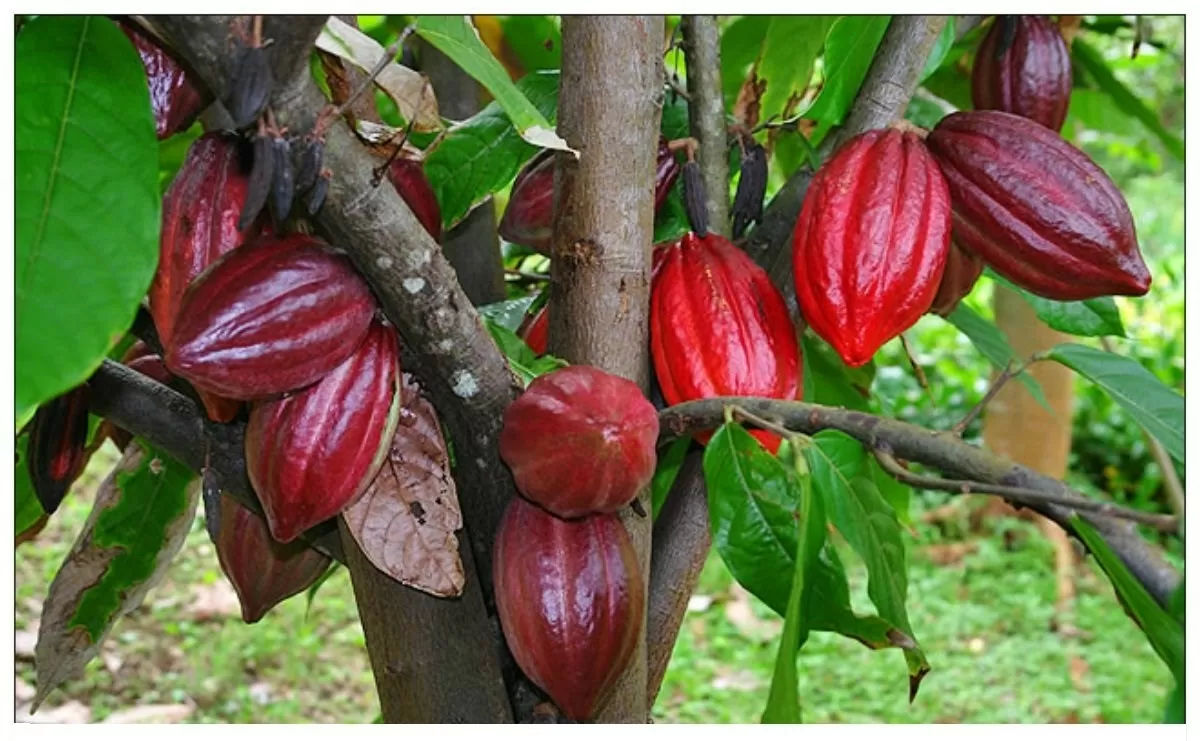 |
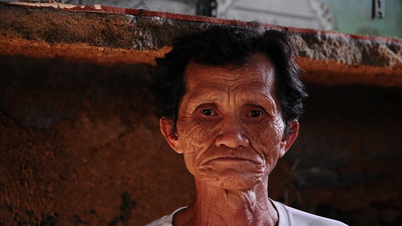
| Cocoa prices rise, farmers rejoice (Photo: Ethnic Minorities and Development Newspaper) |
This year, cocoa is one of the crops that has brought high economic returns to farmers in the province. The fact that cocoa prices have consistently remained high recently has made cocoa growers very happy.
As one of the cocoa farmers in Dak Lak, Mr. Nguyen Van Dung (Ea Na commune, Krong Ana district) said that his family has 2 hectares of cocoa trees, with an expected yield of over 1.5 tons of dried beans. Although this year's yield is about 500 kg lower than last year, the selling price has doubled. After deducting expenses, households like Mr. Nguyen Van Dung's are earning about 40% more profit compared to last year.
Currently, Ea Na commune has over 60 hectares of cocoa, with a production of nearly 100 tons of dried beans per year (yield of 1.5 tons/ha). Besides the local advantage of suitable soil conditions for growing cocoa, most cocoa farmers now participate in cooperatives and link with businesses to receive technical support, helping them achieve high yields, quality, and stable output and prices.
Ms. Mai Thi Hang, Chairwoman of the Farmers' Association of Ea Na commune, said that in March-April 2024, when cocoa trees entered the harvest season, the price of cocoa beans on the market increased sharply, bringing joy to local cocoa farmers. The increase in cocoa prices helped people increase their income, improve their lives, and thus gave them more motivation to stay committed to their plantations and focus more on investing in and caring for cocoa trees to improve quality and ensure sustainable production.
Notably, in the province's key cocoa-growing areas, a production-consumption linkage chain has been established, contributing to increasing the value of cocoa and providing people with a stable income of 100-130 million VND/ha/year.
Organic production, strengthening linkages, and increasing value.
Cocoa was introduced to Vietnam in 1960. However, the area under cocoa cultivation in Vietnam has continuously decreased from 2012 to the present. In 2012, the total area was 25,700 hectares, while in 2023, the cocoa area in Vietnam was 3,471 hectares, with a harvested area of 2,836 hectares, yielding 4,786 tons of dried beans, and a productivity of 16.9 quintals of dried beans per hectare.
To guide the development of cocoa in Vietnam, the Ministry of Agriculture and Rural Development approved the Cocoa Development Plan until 2015 and orientation until 2020, with the overall goal of sustainably developing cocoa cultivation, increasing production and marketable products, improving economic efficiency per unit area of land, increasing people's income, and protecting the environment. Vietnam also issued cocoa bean quality standards in 2006 to gradually standardize and improve the quality of cocoa beans in Vietnam.
Like several other countries in the region, Vietnam is facing several challenges that are limiting cocoa development, including fluctuations in global cocoa prices and markets, the risk of declining cocoa bean quality, and food safety and hygiene. Particularly concerning for cocoa products is competition from other crops that are more profitable than cocoa, such as durian. Furthermore, there are issues related to plant pests and diseases, the sustainability of biodiversity, and the negative impacts of climate change and other factors on cocoa production.
Therefore, in order for the cocoa industry to overcome its weaknesses and become a leading cocoa industry in Vietnam, experts believe that linking farmers, small businesses, and large corporations to develop the cocoa industry comprehensively and sustainably in the future is extremely important.
From a local perspective, according to a representative from the Plant Protection and Crop Production Sub-Department (Dak Lak Department of Agriculture and Rural Development), the province aims to develop cocoa cultivation sustainably in the coming period, adapting to climate change and meeting the European Union's regulations on preventing deforestation (EUDR), as well as reducing carbon emissions in production.
Therefore, the province has agreed in principle to allow the agricultural sector to develop a plan for the development of the cocoa industry, with the goal of reviewing the growing areas, all stages from production and processing to marketing, and support policies.
Based on this, experts will assess and propose solutions to promote the sustainable development of the cocoa industry. At the same time, they will seek and attract capable businesses to participate in the local cocoa value chain to ensure stable output, helping farmers feel secure in their cultivation and remain committed to this crop in the long term.





































































Comment (0)