

Duck breast (skinless)
Duck breast is a lean, nutrient-rich meat that you can include as part of a balanced diet.
On average, 83g of boneless and skinless duck breast provides approximately 3.74mg of iron, 16.4g of protein, and 222mg of potassium, along with other important nutrients.
Lean beef is a rich source of heme iron.
Beef is the richest source of heme iron. In addition, it provides high-quality protein, B vitamins, zinc, and selenium.
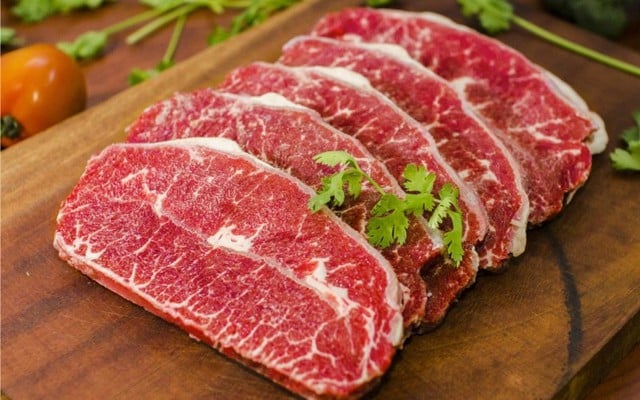
Beef is the richest source of heme iron.
100g of 80% lean ground beef can provide 17.2g of protein, 1.94mg of iron, and 270mg of potassium, along with other important nutrients.
Turkey eggs
One turkey egg (79g) provides 135 calories, 10.8g of protein, 3.2g of iron, and several other nutrients, such as selenium and phosphorus.
A medium-sized chicken egg (63g) provides 7.9g of protein and 1.1mg of iron, along with other essential nutrients.
Seafood
Seafood provides a significant amount of high-quality lean protein, omega-3 fatty acids, vitamin D, vitamin E, and B vitamins. On average, an 85g serving of salmon, tuna, and shrimp provides 0.68mg, 0.65mg, and 1.8mg of iron, respectively.
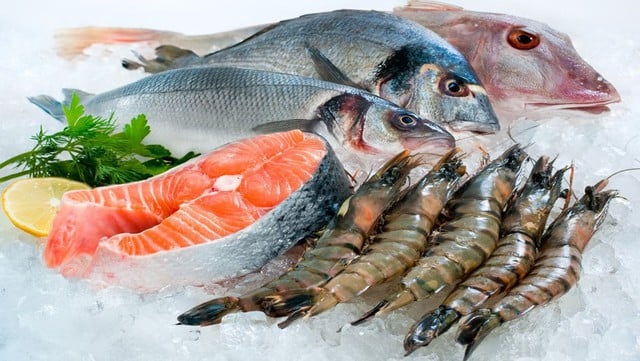
Seafood provides a significant amount of high-quality lean protein, omega-3 fatty acids, vitamin D, vitamin E, and B vitamins.
Other seafood options that children can enjoy in moderation to supplement their iron intake include crab, clams, oysters, and mussels.
Dark green leafy vegetables
Spinach, broccoli, bok choy, asparagus, Brussels sprouts, and kale are some dark green vegetables that provide iron and several micronutrients for your child.
Children aged 2 and older should consume 1-3 cups of vegetables per day. Curries, soups, stews, sandwiches, and wraps are good ways to incorporate plenty of vegetables into your child's meals.
Dried fruit
Dried fruits, such as prunes, raisins, apricots, dates, and figs, are nutrient-rich foods that provide a significant amount of iron.
You can add half a cup of dried fruit to your child's daily diet (equivalent to one cup of fruit) to ensure they get enough iron.
Bean
Beans and lentils are protein-rich foods that can provide your child with a significant amount of iron per serving.
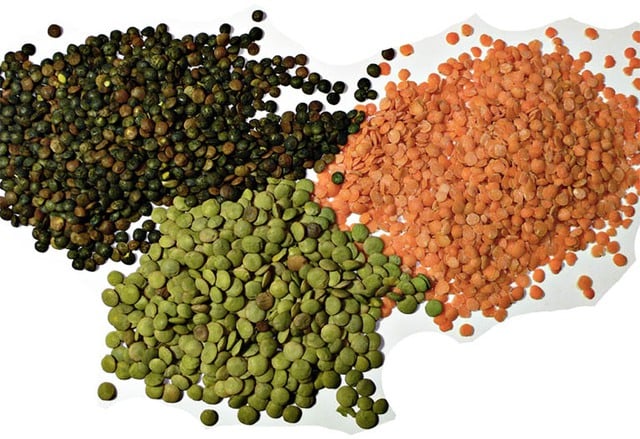
Beans and lentils are protein-rich foods that can provide your child with a significant amount of iron per serving.
For example, one cup of cooked white beans provides 4.2 mg of iron. One cup of cooked green beans provides 2.5 mg of iron, while cooked string beans provide 2.1 mg of iron.
Whole grains
Whole grains, such as whole oats, whole wheat, quinoa, and brown rice, have three parts—bran, germ, and endosperm. The bran is the outermost layer and contains several important micronutrients, including iron.
Mushroom
Mushrooms are a healthy food with a rich nutritional profile. One cup of cooked mushrooms provides 2.7mg of iron.
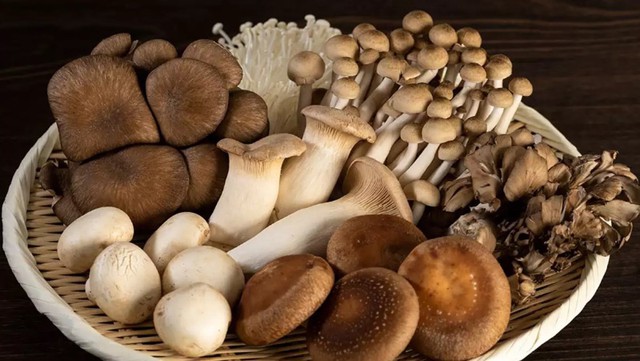
Mushrooms are a healthy food with a rich nutritional profile. One cup of cooked mushrooms provides 2.7mg of iron.
You can prepare mushrooms in many different ways and include them in your children's meals to meet their daily iron needs.
Dried fruit
Dried fruits, such as prunes, raisins, apricots, dates, and figs, are nutrient-rich foods that provide a significant amount of iron.
You can add half a cup of dried fruit to your child's daily diet (equivalent to one cup of fruit) to ensure they get enough iron.
Source: https://giadinh.suckhoedoisong.vn/cac-thuc-pham-giau-chat-dinh-duong-giau-chat-sat-cho-tre-172251226220507325.htm











































Comment (0)