

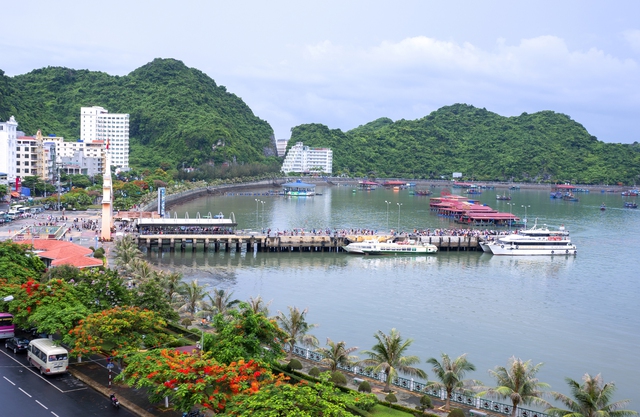
The winter-summer paradox
A highlight of Cat Ba tourism in the first six months of the year was the arrival of over 572,000 international visitors (more than 2.5 times higher than the same period in 2023). Total revenue from accommodation and food services reached nearly 1,500 billion VND (more than 1.5 times higher than the same period). This shows that Cat Ba tourism is gradually changing in both quality and quantity, attracting high-end tourists and foreign visitors with higher spending power.
However, in reality, the tourism balance in Cat Ba is heavily skewed towards the summer season. According to statistics, in June 2024, Cat Ba welcomed over 600,000 tourists. The number of visitors is projected to continue increasing in the remaining two summer months (July and August) thanks to the effect of the World Natural Heritage status of Ha Long Bay - Cat Ba Archipelago, as well as the resolution of traffic congestion to the island, a 50% reduction in cable car ticket prices, and the operation of new ferries. Compared to the annual target of 3.6 million visitors, it is clear that the majority of tourists to Cat Ba still come during the summer.
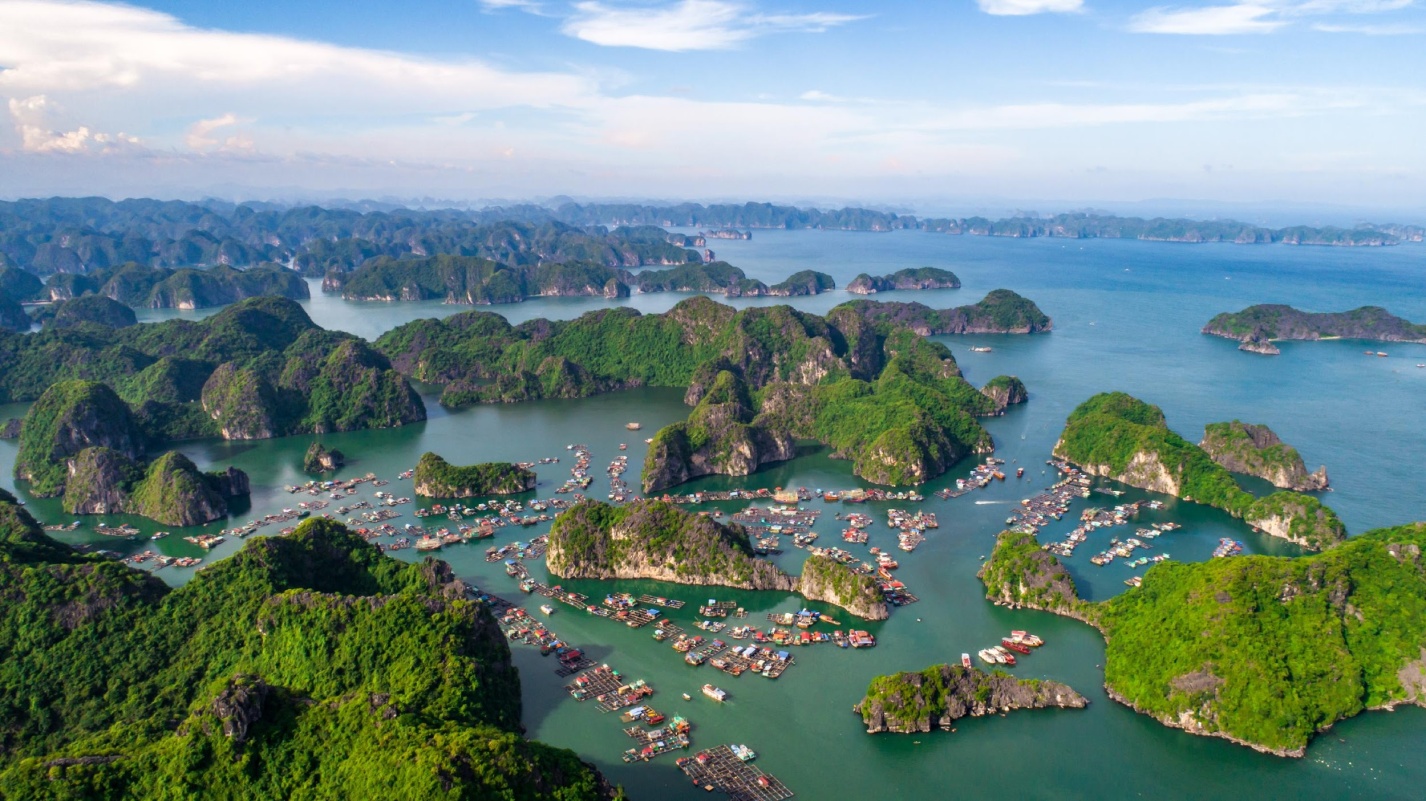
The Cat Ba Archipelago, along with Ha Long Bay, has been recognized as the first inter-provincial World Natural Heritage site in Vietnam.
Meanwhile, Cat Ba boasts many favorable natural conditions, making it a year-round destination offering diverse experiences for tourists. Visitors to Cat Ba can not only enjoy swimming in the summer but also experience trekking in the national park, admiring the scenery along the winding coastal roads, savoring fresh seafood, exploring caves and islands, and relaxing at any time of the year.
With its strengths including a national park, a World Biosphere Reserve, and being ranked among the world's most beautiful bays by the Association of the Most Beautiful Bays in the World, Cat Ba has the potential to become an international-level eco-tourism destination. This can be achieved through research and development of a green, zero-emission, environmentally friendly tourism model, combining exploitation with conservation to target high-income luxury tourists.
Currently, compared to domestic "formidable competitors" like its neighbor Ha Long or further afield like Phu Quoc and Nha Trang, Cat Ba still has a significant gap in terms of accommodation facilities and service quality, especially 5-star resorts or high-class entertainment complexes that meet the needs of tourists at all times of the year. To address this, Cat Ba needs a systematic approach, attracting businesses with a sustainable development mindset to solve the problem of the lack of high-quality accommodation, develop unique tourism products of the island, and preserve the natural landscape and ecosystem of Cat Ba National Park.
Filling the gap in tourism products.
According to the Hai Phong City planning for the period 2021-2030, with a vision to 2050, Cat Ba is oriented to develop into a high-class "green" tourist destination, befitting its natural potential. The plan identifies the goal of building and developing the Cat Ba – Do Son tourism complex, combined with Ha Long Bay, into an international-class marine tourism center.
With many years of experience bringing international tourists to Cat Ba, Ms. Nguyen Lan, Head of Sales at a tourism company in Hai Phong, said that to make Cat Ba an international tourism center, the most urgent task is to "facilitate" access for tourists. Next, there must be many groundbreaking, high-quality, distinctive tourism products with high added value, such as: beach and island resort tourism, sports tourism, community-based ecotourism, and commercial tourism combined with promoting local products…
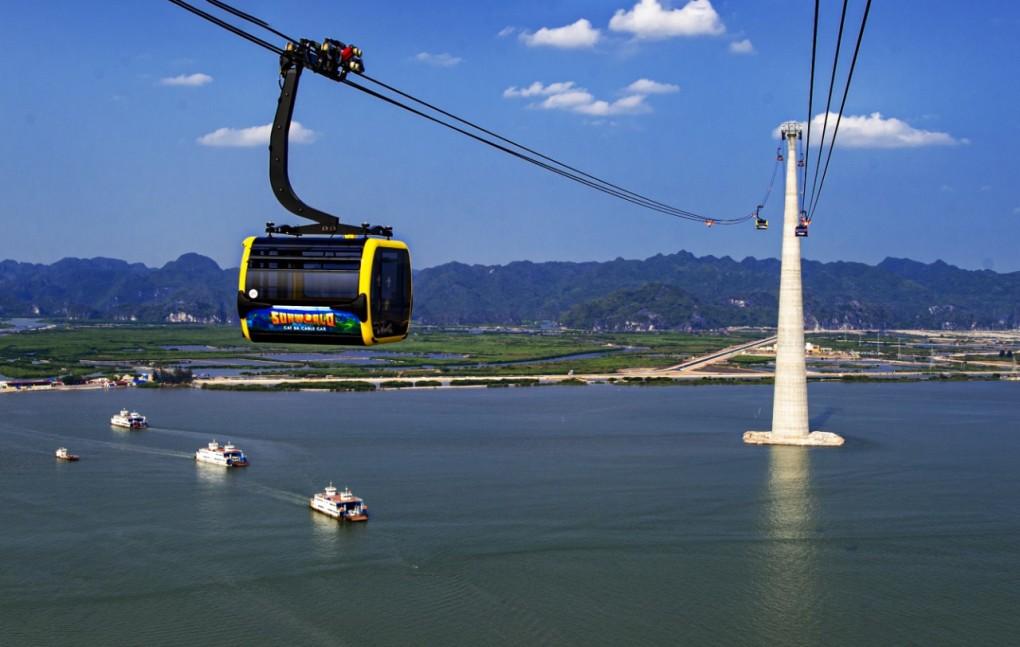
Cat Ba develops an environmentally friendly transportation system.
Currently, traveling from the mainland to the island has become much more convenient for tourists since the Cat Hai – Phu Long cable car line came into operation. Tourists no longer have to wait for the ferry for hours; instead, they can admire the bay from the cable car cabin very conveniently and quickly. In the future, Hai Phong City plans to cease operation and replace gasoline and diesel-powered vehicles with clean, environmentally friendly vehicles, gradually transforming Cat Ba into a pristine and tourist-friendly island.
Most recently, in giving opinions on the overall plan for tourism development in Hai Phong until 2025, with a vision to 2030, the city directed that focus be placed on the following task: "Developing specific solutions linking green tourism with environmental protection. Proposing mechanisms to encourage, motivate, and promote models, practices, and actions for the environment; limiting emissions; building a roadmap to limit gasoline-powered vehicles and prioritize electric vehicles"...
To achieve this, Hai Phong needs to create mechanisms to attract reputable and worthy investors, upgrade infrastructure, and add unique experiences, especially ecotourism products linked to nature conservation. These will be the "trump cards" to attract tourists because only in Cat Ba can visitors experience these things. Looking at the world, Japan and China are very successful countries in preserving and promoting tangible and intangible cultural values in ecotourism areas such as Tokyo, the ancient capital Kyoto, or cities like Kobe, Fukushima... the ecotourism city of Tianjin or the "Luo Man Di" ecotourism area in Guilin…
In Europe, the model of tranquil island retreats – where both tourists and locals rely on sustainable modes of transportation such as bicycles, electric vehicles, or walking – is increasingly popular, attracting visitors with its combination of convenient infrastructure and fresh air.
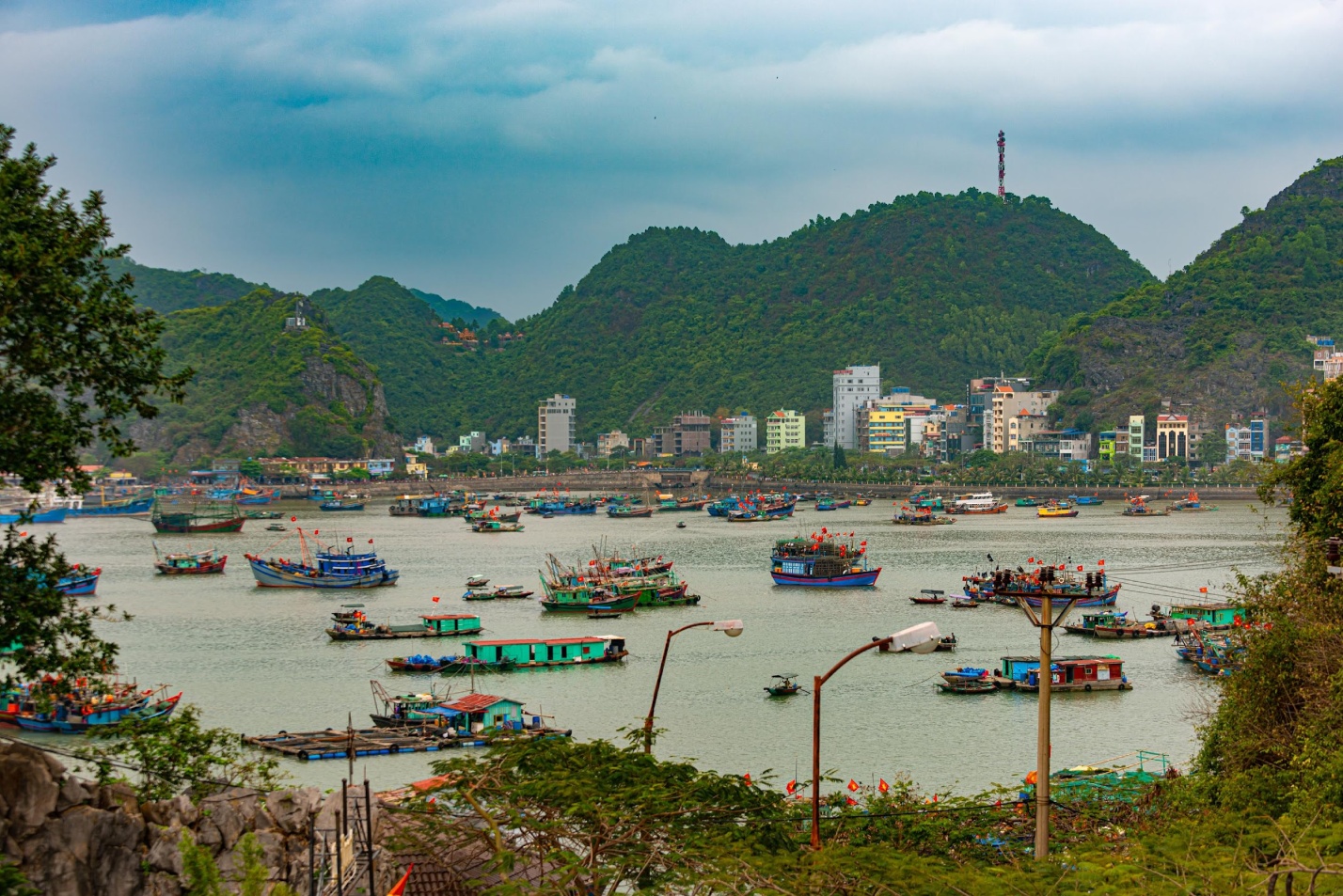
Cat Ba aims to upgrade infrastructure and reduce emissions.
With its inherent potential, Cat Ba has the potential to become the first ideal and well-planned ecotourism model in Vietnam. This will be a new experience for global tourists who want to connect with nature and explore local culture.
The recognition of Cat Ba Archipelago, along with Ha Long Bay, as the first inter-provincial World Natural Heritage site in Vietnam is considered a huge boost for the local tourism industry. According to experts, Cat Ba must seize this opportunity immediately if it wants to elevate its tourism to an international level, aiming to welcome 10.4 million visitors, including approximately 4.4 million international tourists, by 2050. Otherwise, the World Heritage site will remain just a name.
Source: https://toquoc.vn/cat-ba-cach-nao-huong-toi-diem-den-4-mua-20240715114455459.htm
















































































Comment (0)