

 |
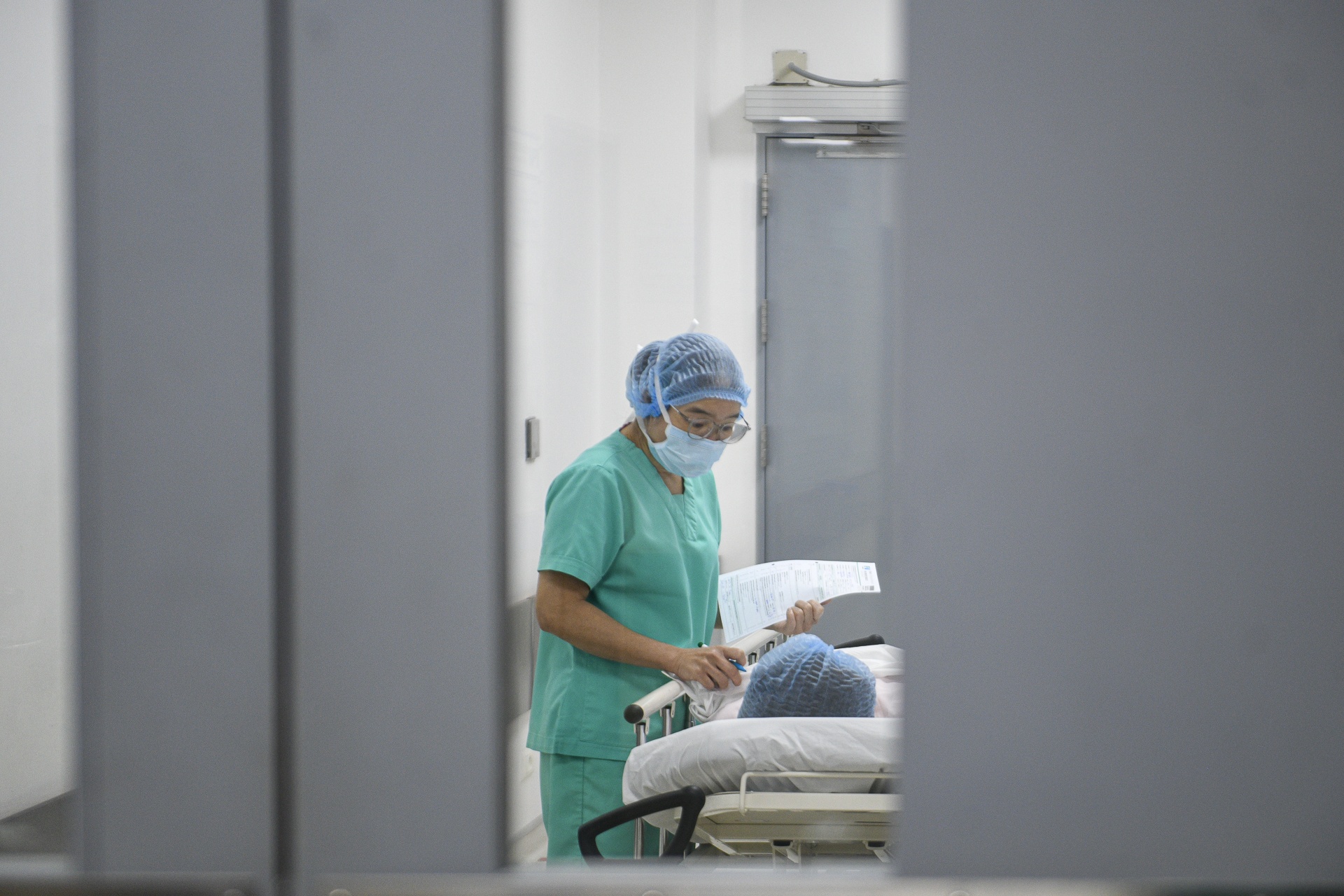
Lying in the pre-operative room, Mrs. Nguyen Thi Bich (73 years old, Ho Chi Minh City) couldn't hide her nervousness mixed with anticipation before undergoing major lung cancer surgery. With a 13 mm nodule in the upper lobe of her left lung, she was the first patient to undergo surgery using the 4th generation Da Vinci Xi robotic system at FV Hospital (Ho Chi Minh City). Her trust was placed entirely in the team of doctors and the world's most advanced robotic system. |
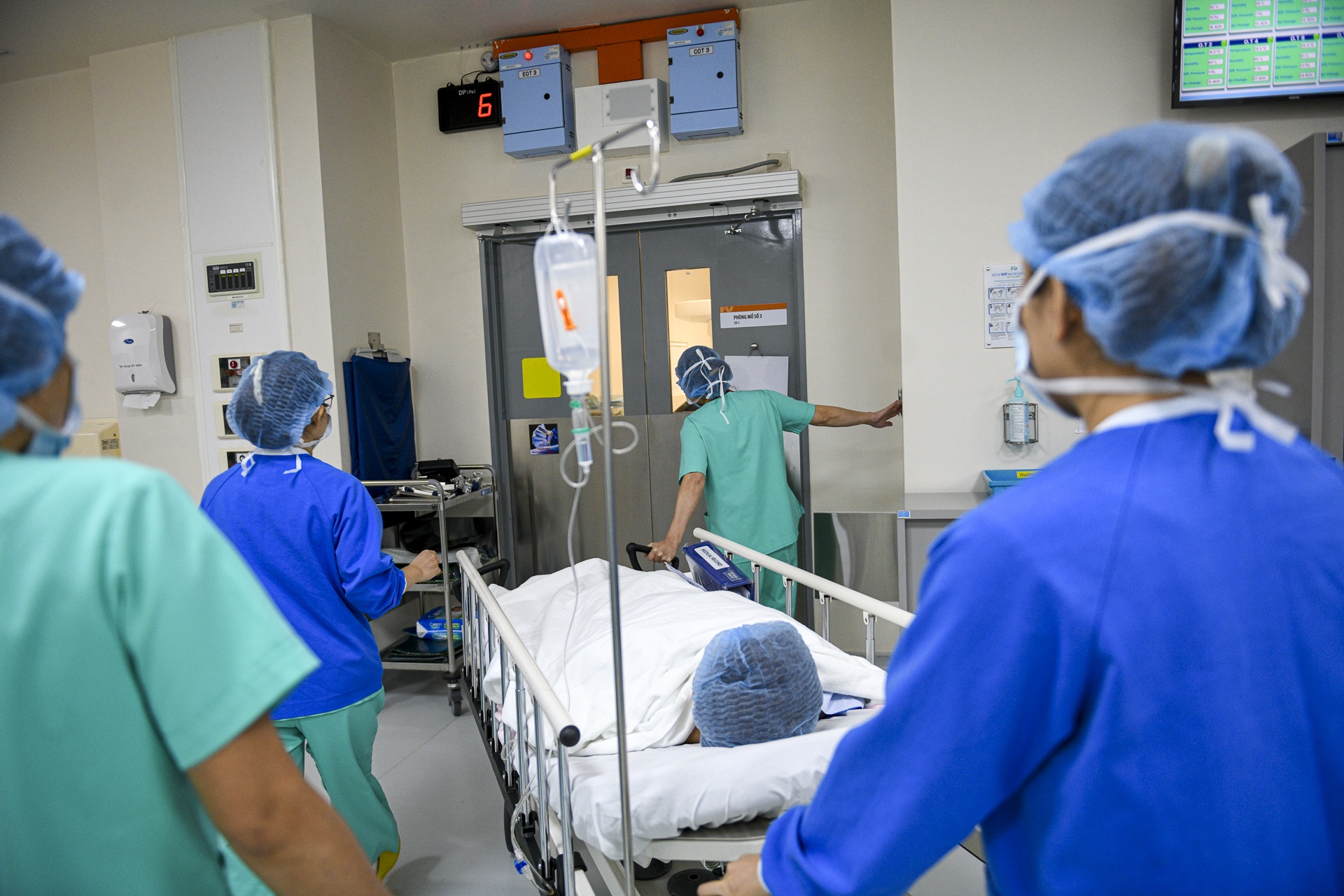 |
In the preparation area, the entire surgical team conducts a rigorous technical "rehearsal" before operating the Da Vinci Xi system. Unlike conventional surgery, Dr. Dang Dinh Minh Thanh, Head of the Thoracic Surgery Department and Head of the Robotic Surgery Center, and his colleagues meticulously check everything from the placement of the robotic arms to the instrument coordination process. Every scenario, from treating benign lesions to radical lobectomy, is calculated in detail to ensure no errors occur. |
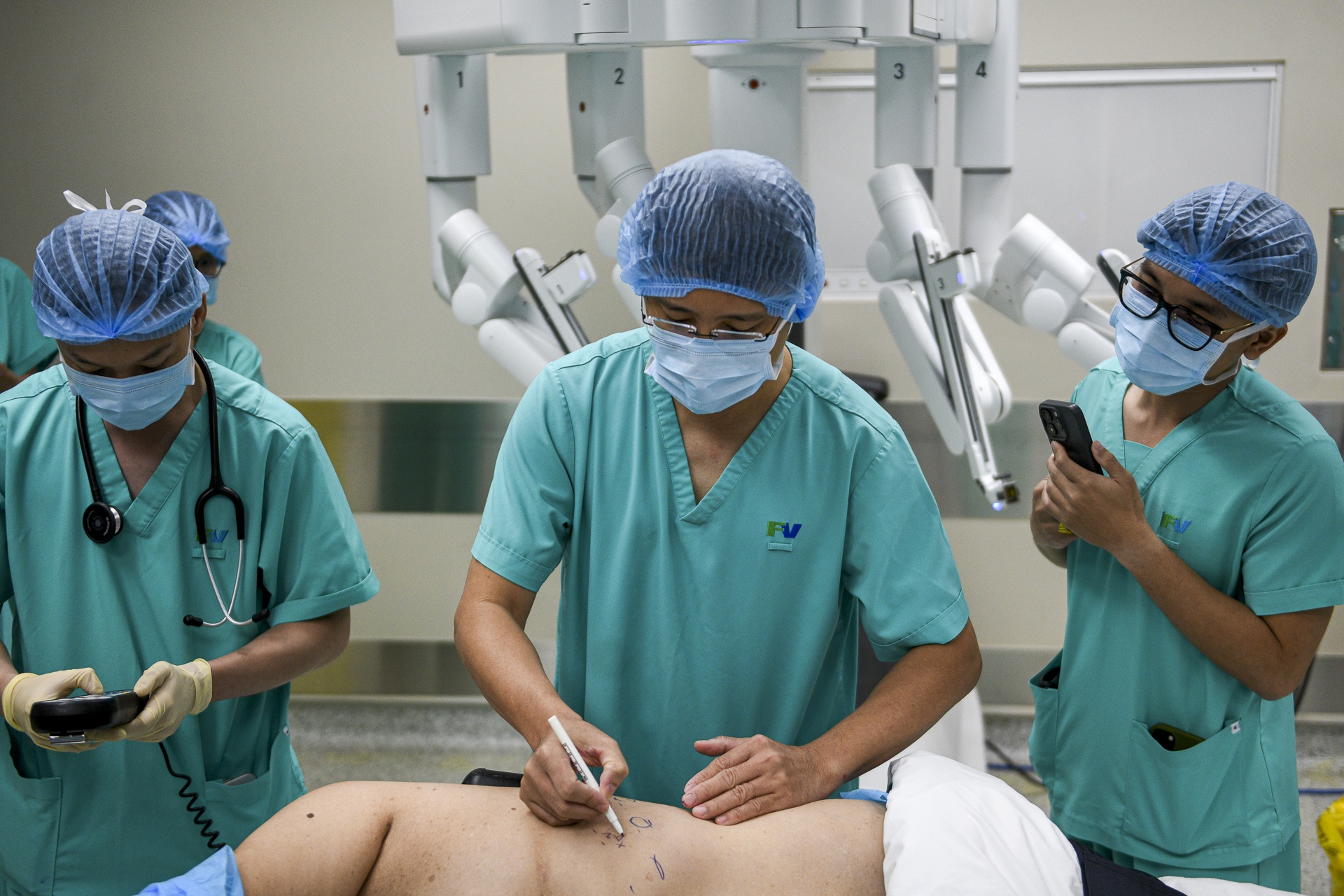 |
Immediately after the patient was stabilized under endotracheal anesthesia, Dr. Thanh meticulously used a specialized pen to draw a diagram of the positions for placing the robotic arms on Ms. Bich's chest. These drawings were precisely calculated based on CT images, aiming to determine the "golden coordinates" so that the robotic arms could access the tumor most effectively. |
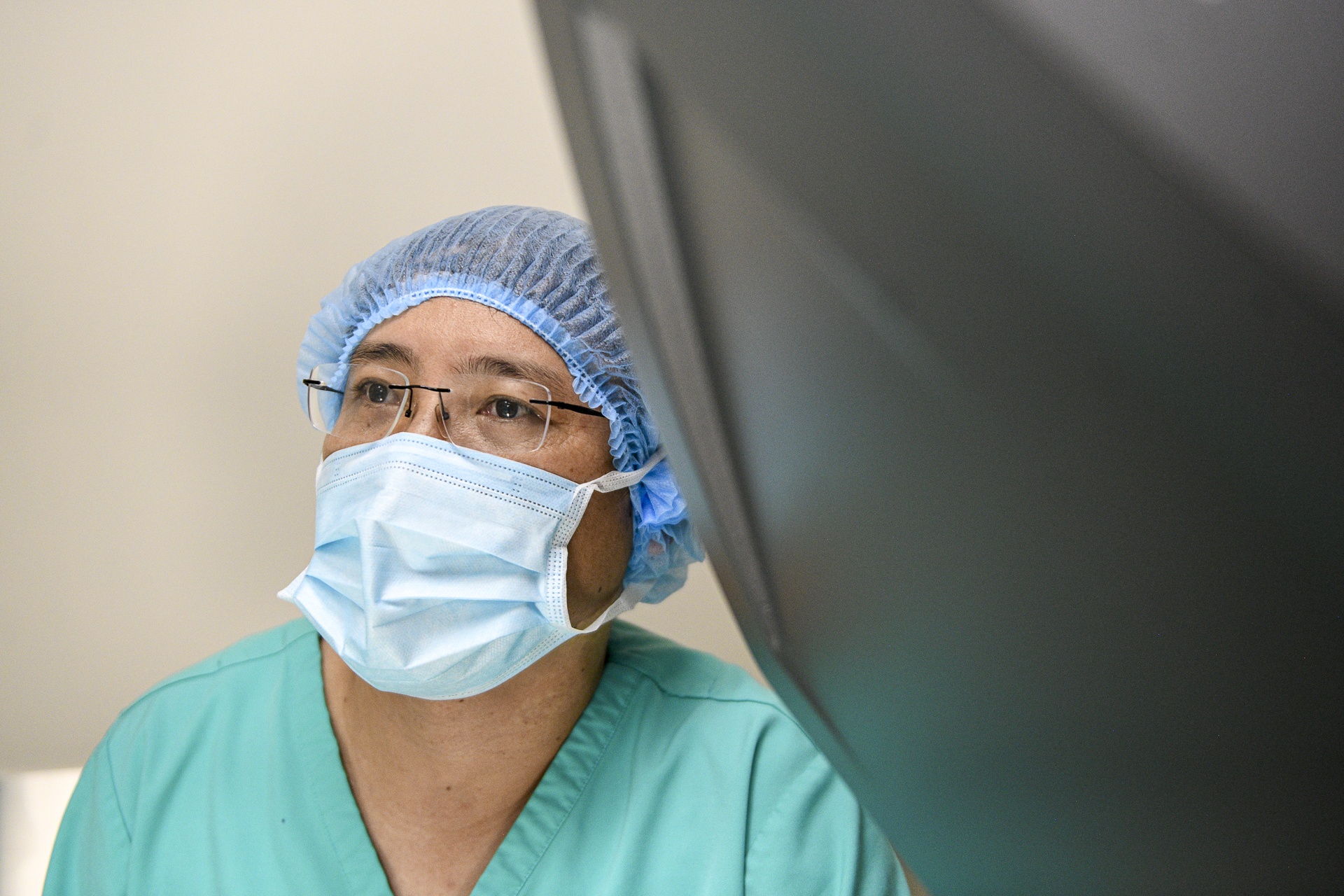 |
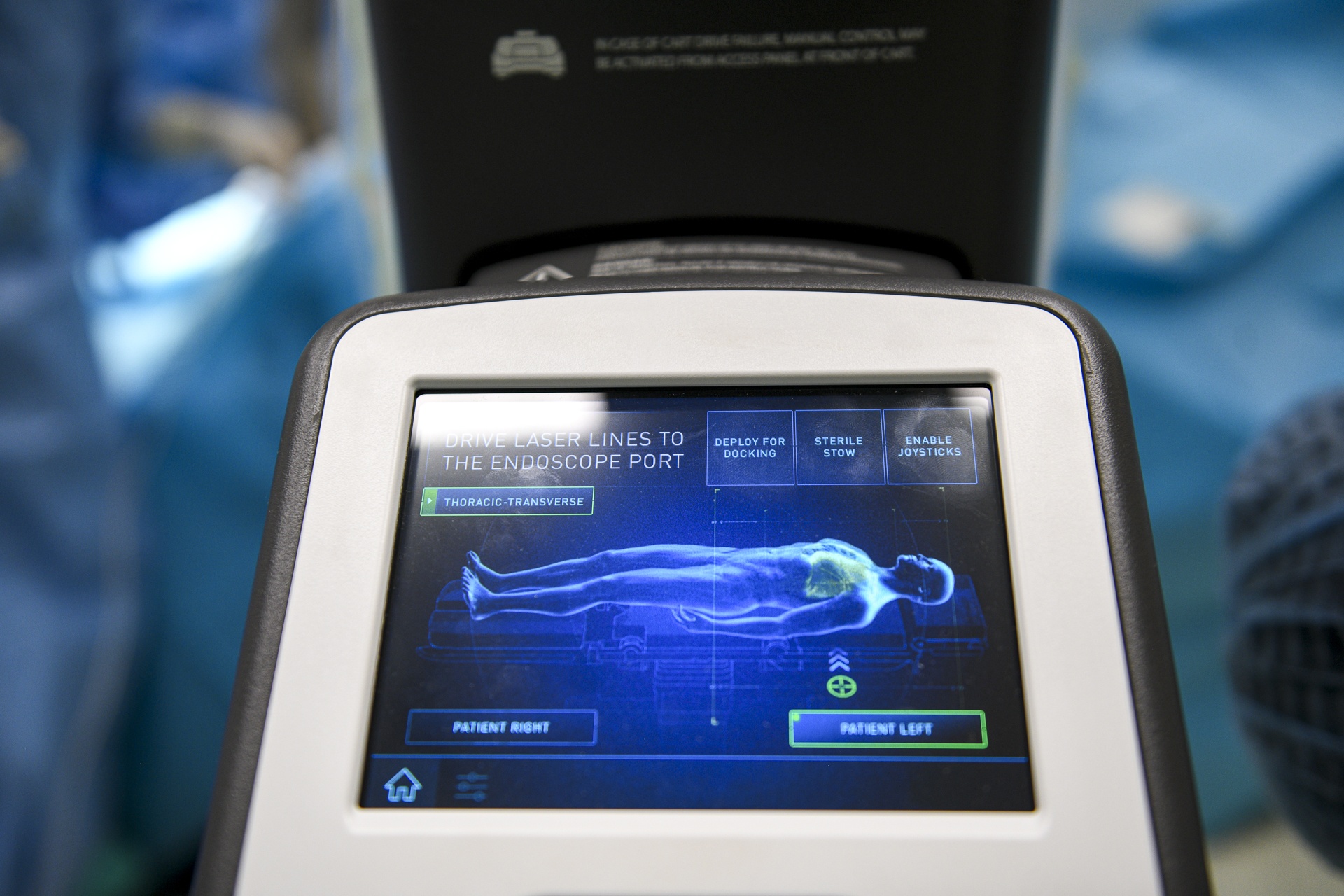
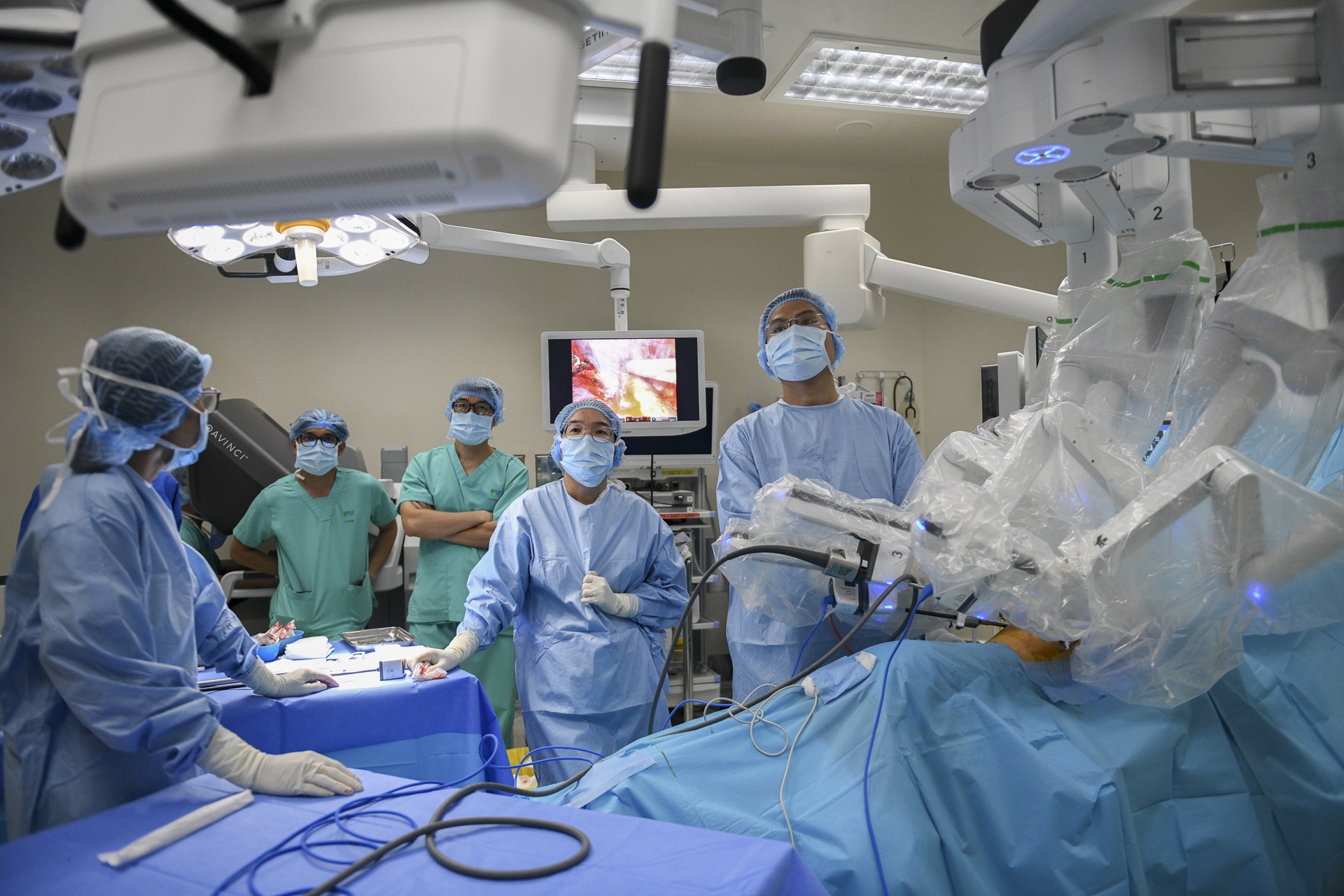
Before the actual surgery, Dr. Thanh performs the "docking" process, connecting the robotic system to the patient's body. This is a crucial step to successfully connect the robotic arms to the instrument tubes (trocars) that have been pre-placed in the chest cavity. |
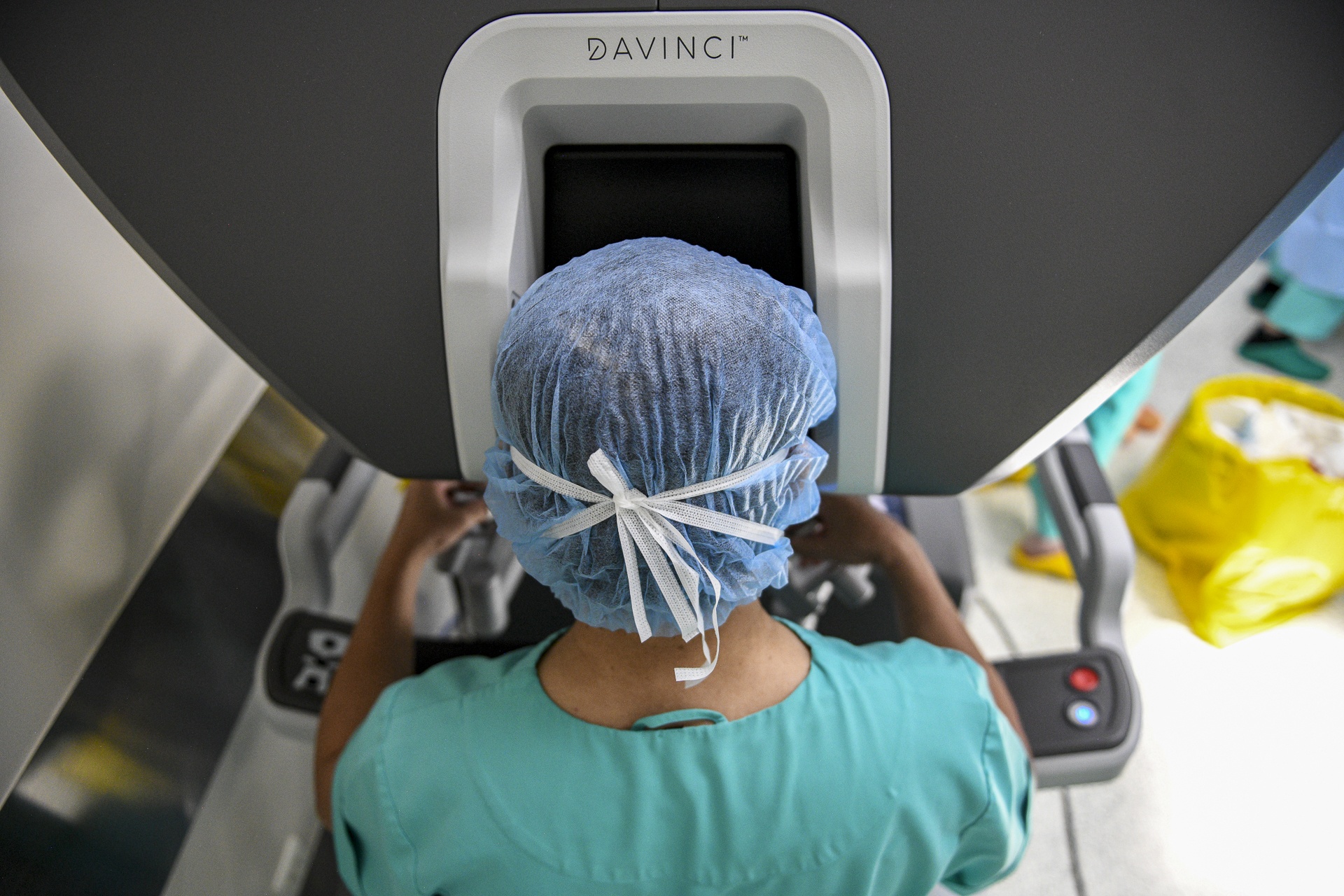 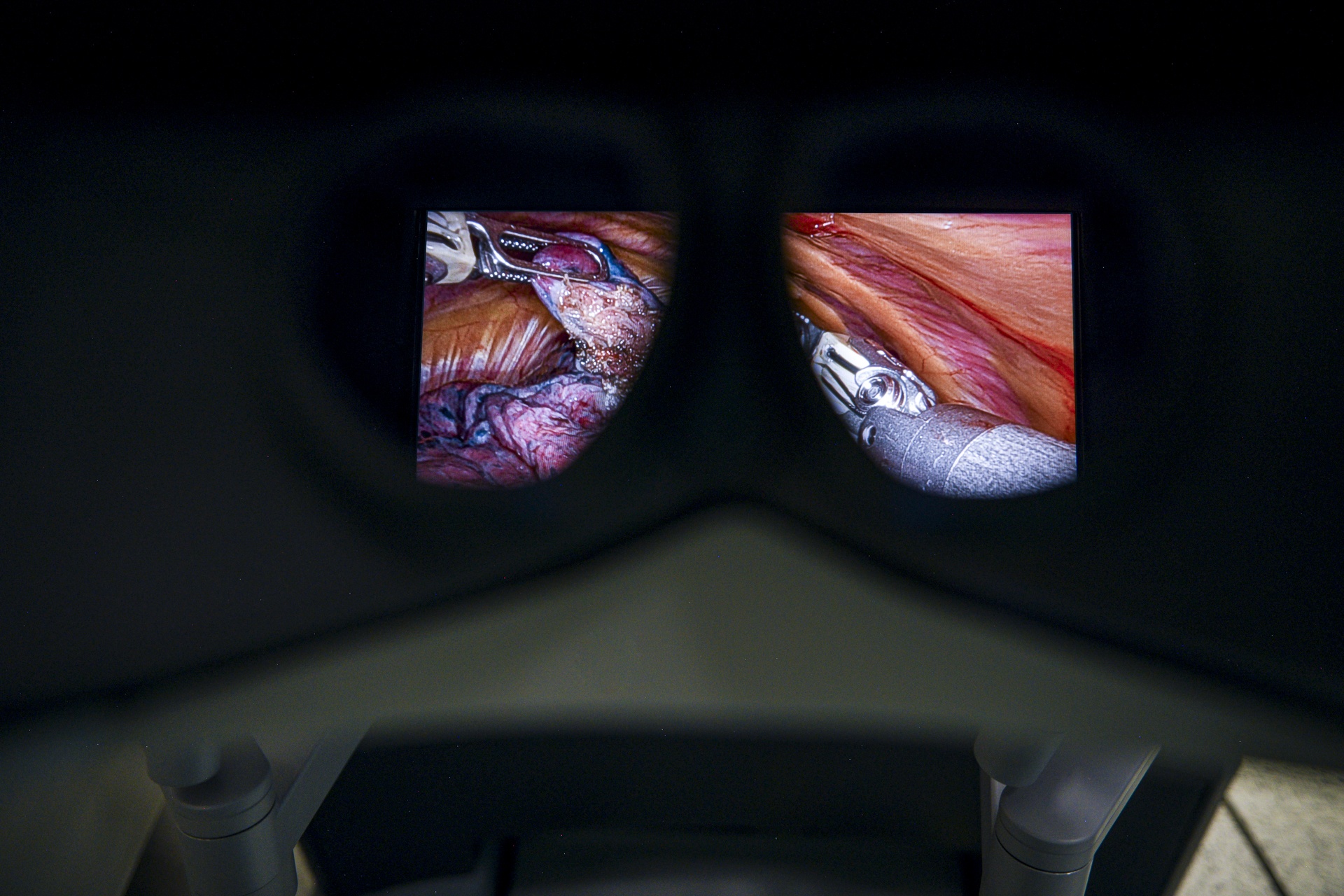 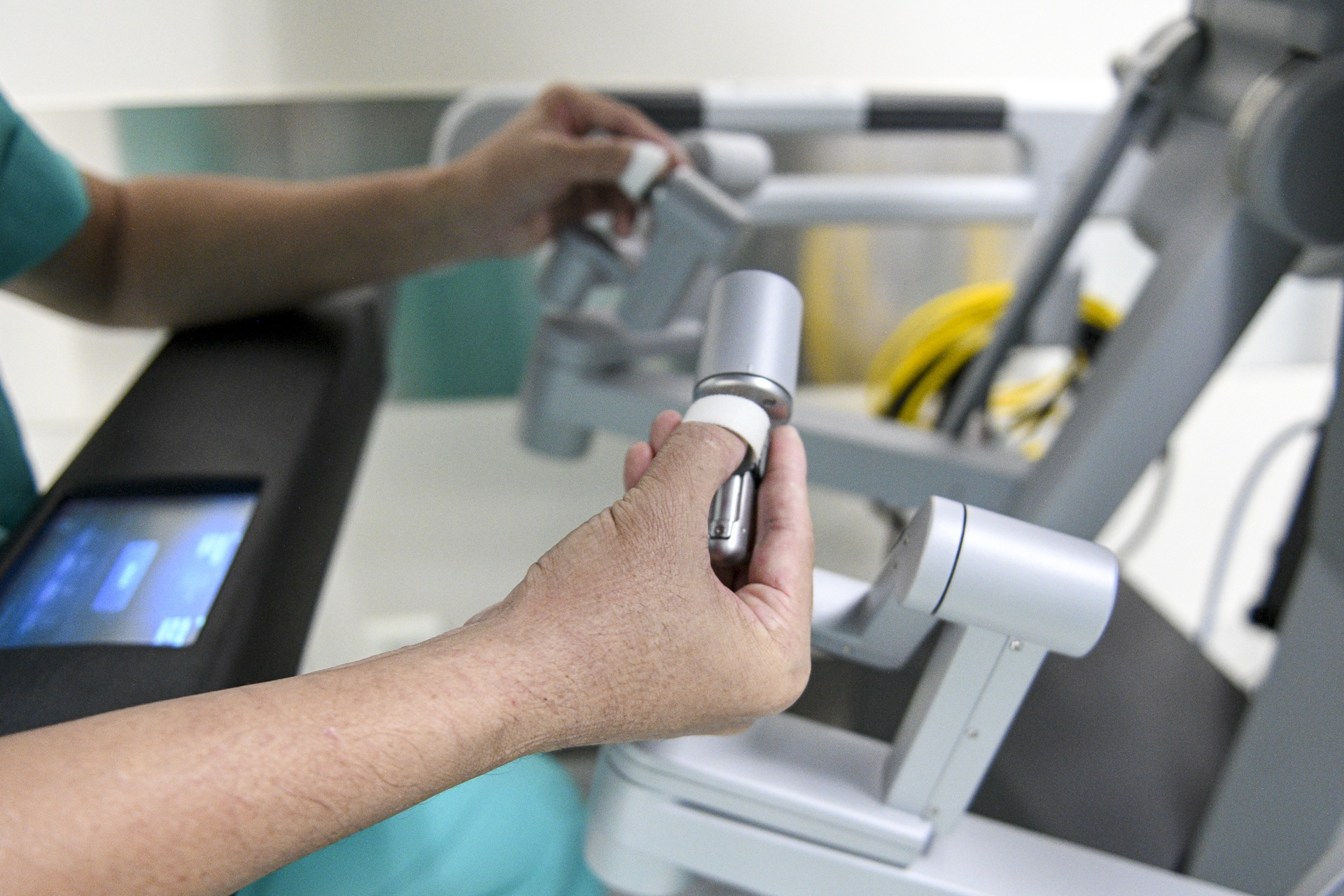  |
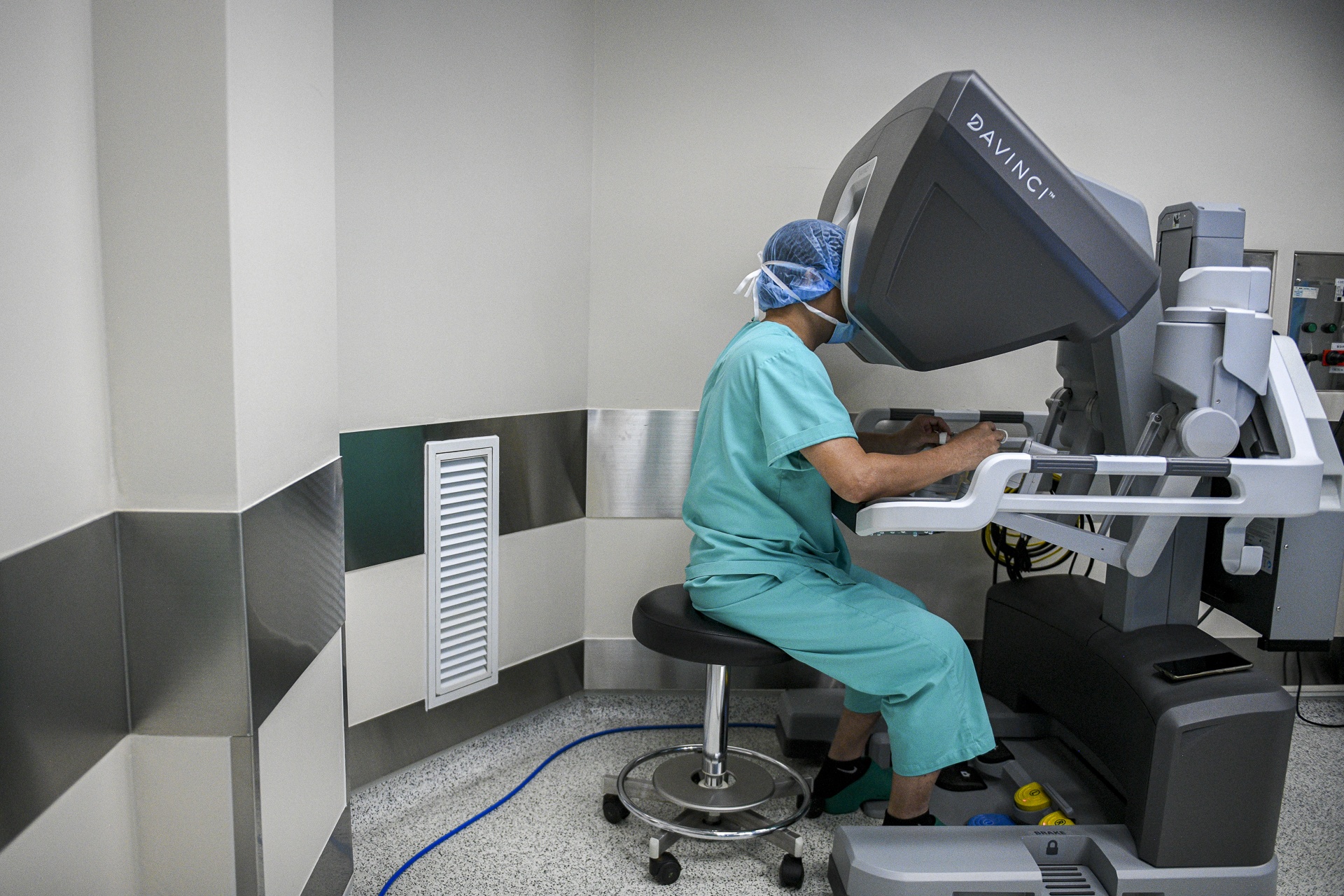
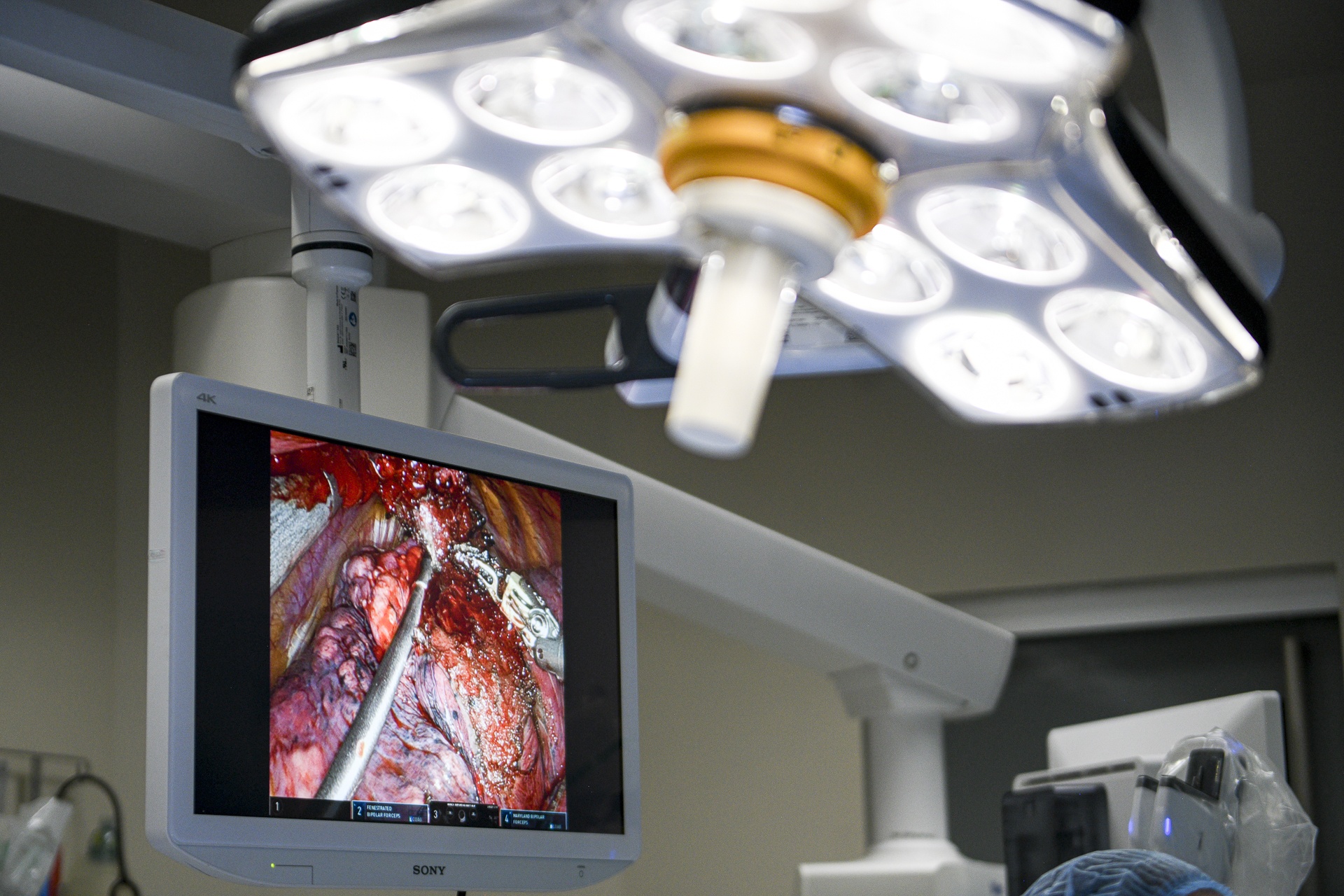
At the central control panel, Dr. Thanh began controlling the robot via a sophisticated system of levers and pedals. The surgery began as four slender robotic arms were inserted into the chest cavity through incisions as small as 8mm, significantly smaller than those used in conventional laparoscopic surgery. Immediately, a high-resolution 3D camera system transmitted images magnified 10 times, providing sharp detail down to individual capillaries and muscle fibers. This hyper-realistic vision allowed Dr. Thanh to clearly observe even the smallest lesions that are difficult to detect with the naked eye. |
 |
The robotic arm demonstrates absolute superiority with its ability to rotate 540 degrees, far exceeding the range of motion of a human wrist. Within the cramped space of the chest cavity, the robot subtly maneuvers through the ribs to reach the first lesion in just 20 minutes. |
 |
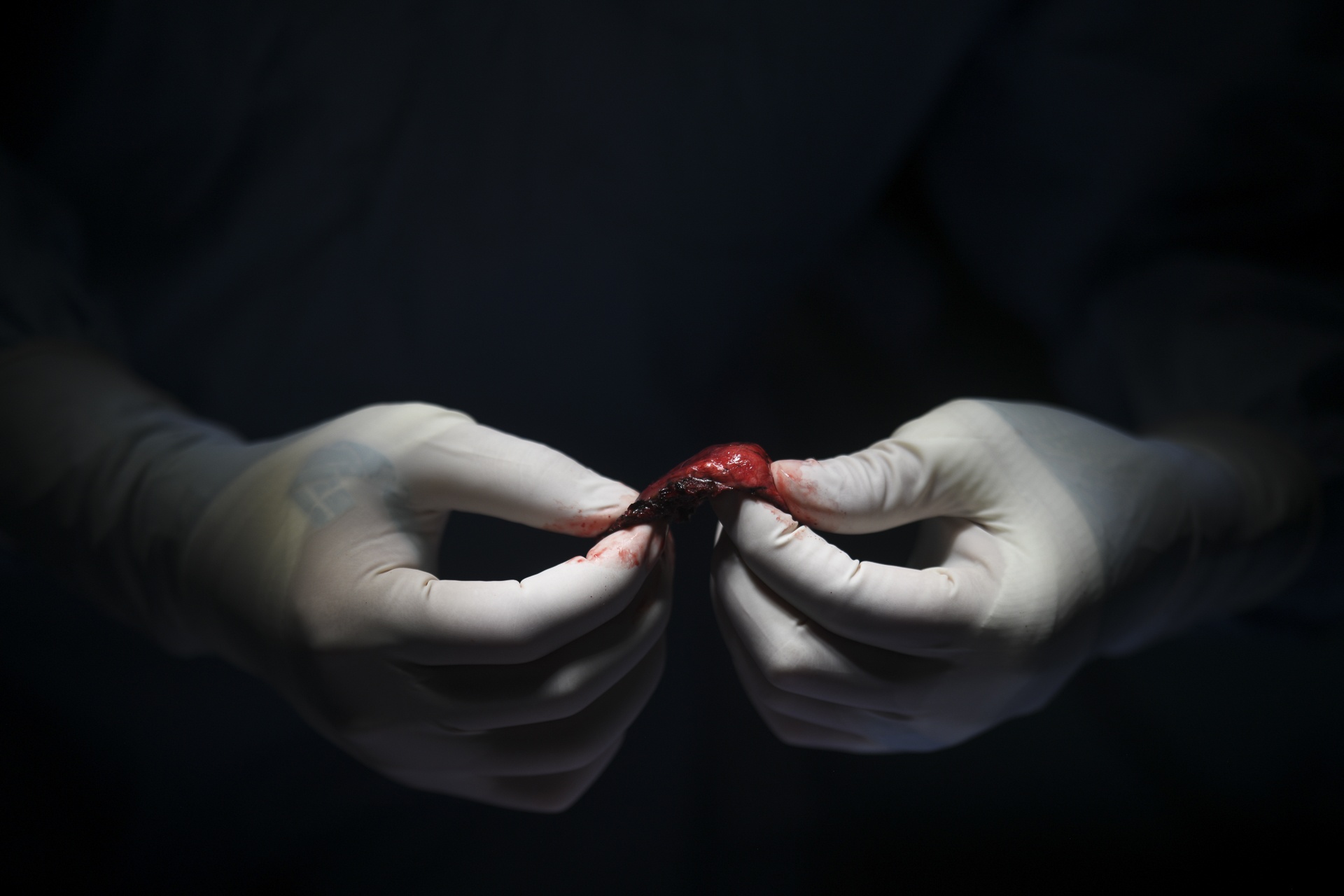
The biggest challenge arose when the team had to locate the second lesion hidden deep within the left lung parenchyma. This was the most stressful phase, lasting nearly an hour because the tumor was so small and located in an extremely difficult position. Dr. Thanh skillfully maneuvered the robotic arm to carefully separate each thin layer of lung tissue with utmost patience and meticulousness to obtain the tissue sample. |
 |
After the sample was taken, the team anxiously awaited the results of the frozen section biopsy in the operating room to decide the next step. When the results confirmed non-small cell lung cancer, the surgery immediately moved to the most difficult stage: removing the upper lobe of the left lung. This is the most "frightening" area for thoracic surgeons due to its extremely complex anatomical structure and dense network of blood vessels. Dr. Thanh began controlling the robot to perform the procedures of handling the layers of blood vessels. |
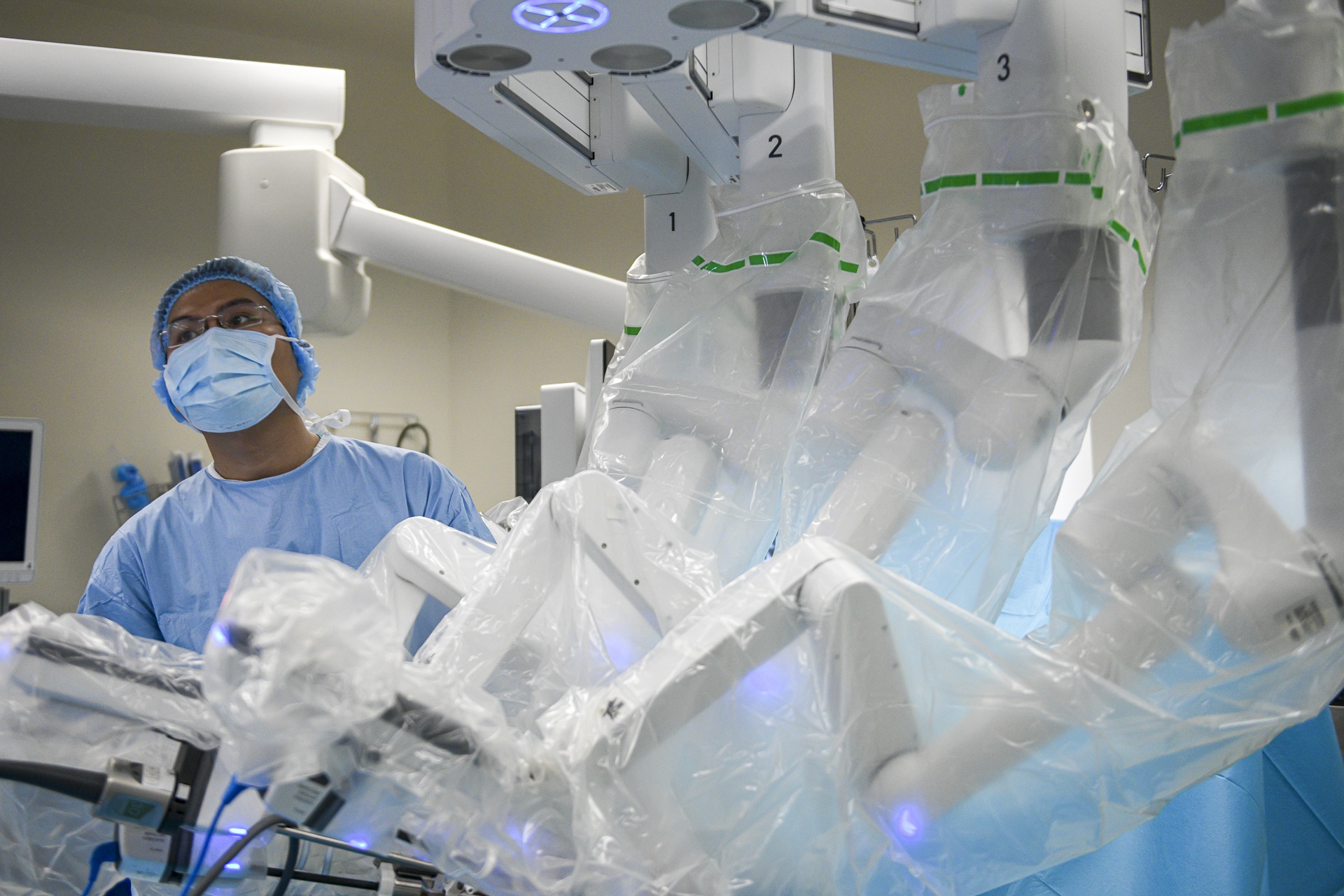 |
The da Vinci surgical robot has undergone several generations of development, including Standard, S, Si, and the current 4th generation da Vinci Xi, launched in 2014, which is still considered a modern model in circulation in Vietnam and Southeast Asia. With its magnifying 3D "eye" system, flexible robotic arm, and advanced positioning and ICG fluorescence support technologies, the da Vinci Xi represents a major breakthrough in minimally invasive surgery, allowing surgeons to precisely access lesions within millimeters. Currently, three 4th generation da Vinci robotic systems are in use in major hospitals in Vietnam. Operating the robot requires surgeons to undergo rigorous training and certification from the manufacturer, as well as maintain a consistent surgical frequency to ensure skill and patient safety. |
 |
Beyond simply removing the tumor, the robot further assists the surgeon in thoroughly dissecting five groups of lymph nodes located deep near the bronchial tubes and major blood vessels. The robot's precise access allows for gentle and clean lymph node dissection, minimizing the risk of residual cancer cells. This is a significant advantage of robotic surgery in treating early-stage lung cancer, significantly increasing the chances of complete recovery. |
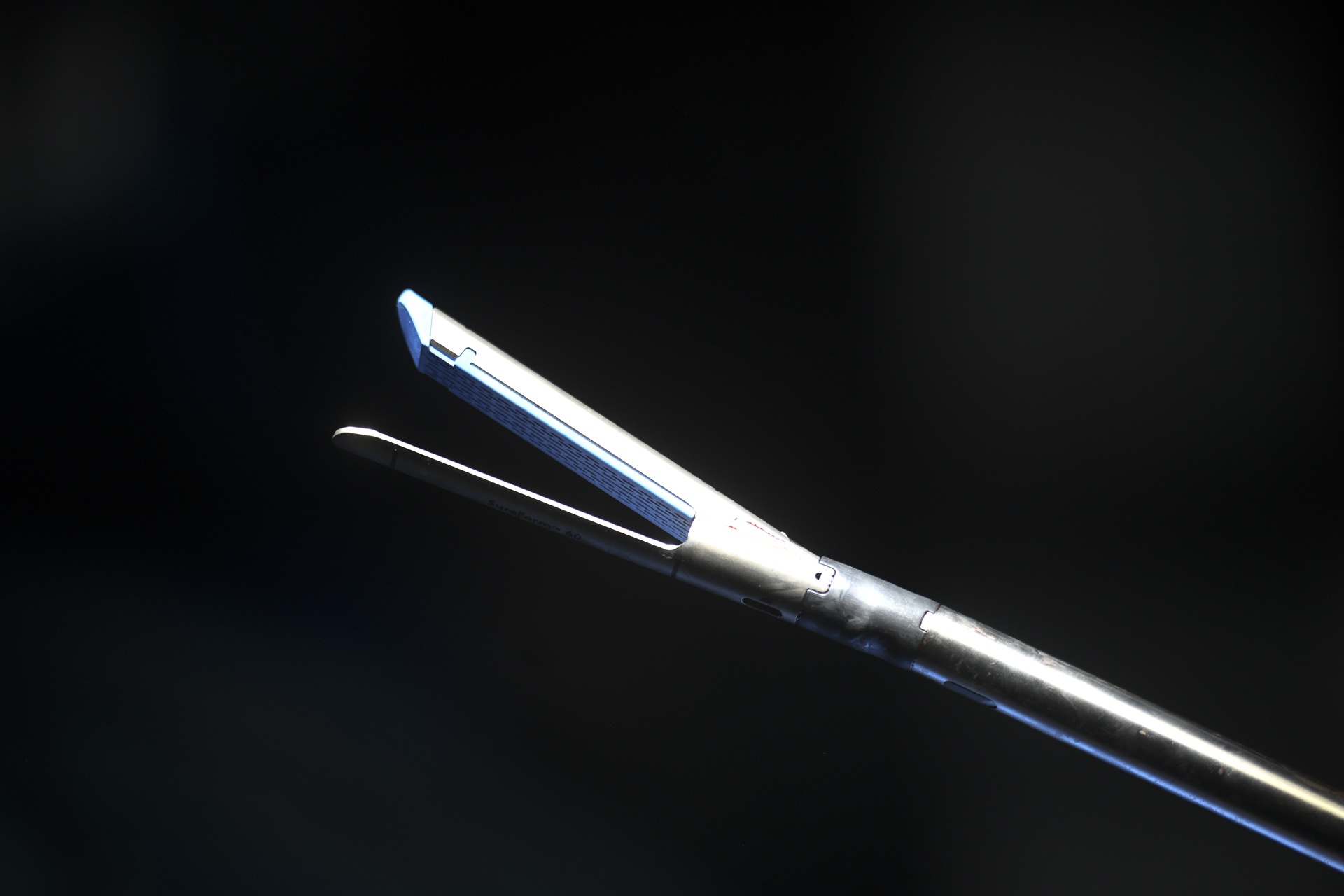 |
The highlight of the fourth generation of robots is its tissue stapler, which can flexibly bend like a hand joint. This tool allows doctors to access blood vessels hidden behind vital structures, cutting and stopping bleeding immediately. The surgical field remains dry as a result. |
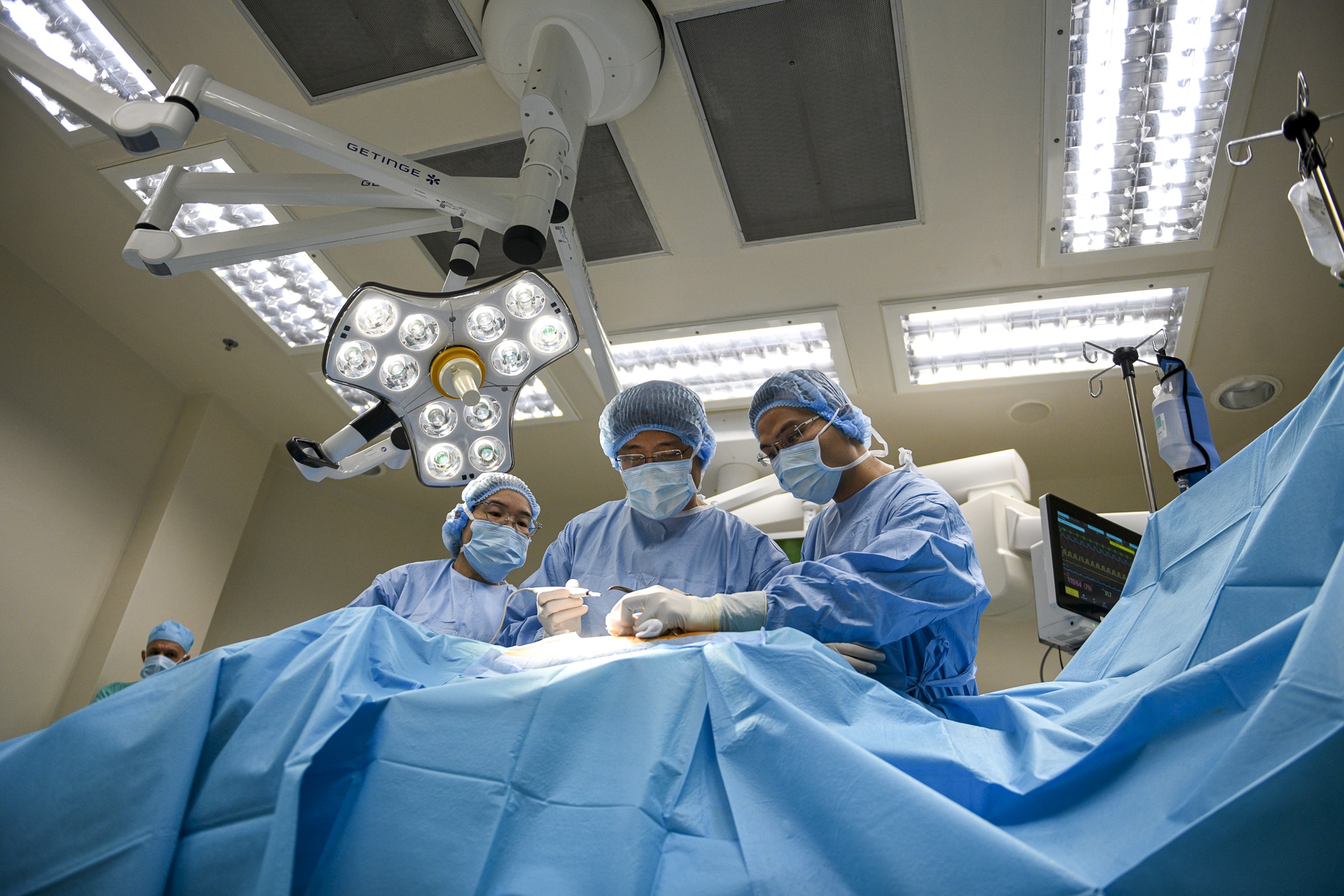 |
Throughout the 3.5-hour surgery, the fourth-generation robotic system eliminated "downtime" by allowing for flexible changes in viewing angle and instrumentation. The small 8mm incisions not only enabled precise manipulation by the surgeon but also minimized nerve and soft tissue damage to the patient. The combination of the surgeon's expertise and cutting-edge technology transformed this major surgery into a highly effective, minimally invasive procedure. |
 |
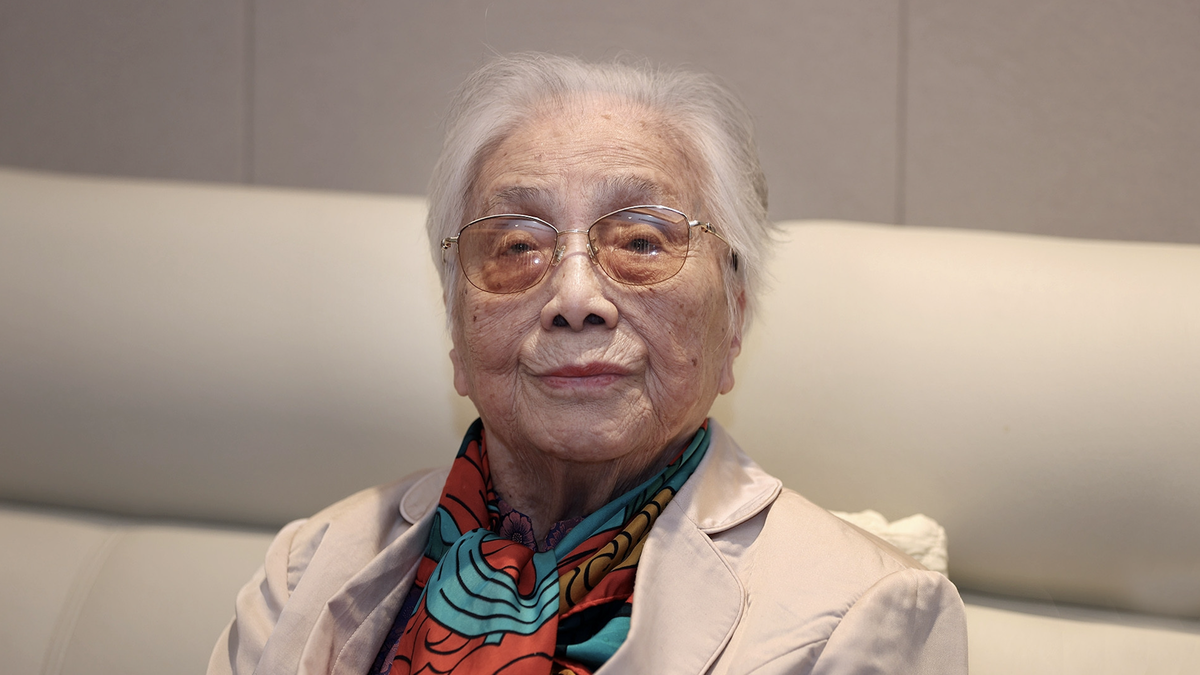
Just a few hours after the surgery, Mrs. Bich was awake and able to converse gently with her relatives. The post-operative pain was minimal, far from what she had feared about a complex thoracic surgery. Only three days later, Mrs. Bich was discharged from the hospital in completely stable health. |
Source: https://znews.vn/can-canh-sieu-robot-dan-duong-bac-si-tphcm-mo-ung-thu-post1619211.html































































































Comment (0)