

The US airstrikes targeting the Bandar Abbas port area in southern Iran are attracting international attention, but many experts believe this development is not enough to derail the peace negotiations between Washington and Tehran.
There is still room for negotiation.
Speaking to Al Jazeera , former US War Department official and diplomat Adam Clements said he was not surprised that Washington confirmed it had carried out an attack in the area. According to him, what happened around the Strait of Hormuz and Bandar Abbas is not something to be taken lightly, especially if it leads to further military action.
However, he argued that tactical military operations should be separated from long-term strategic goals.
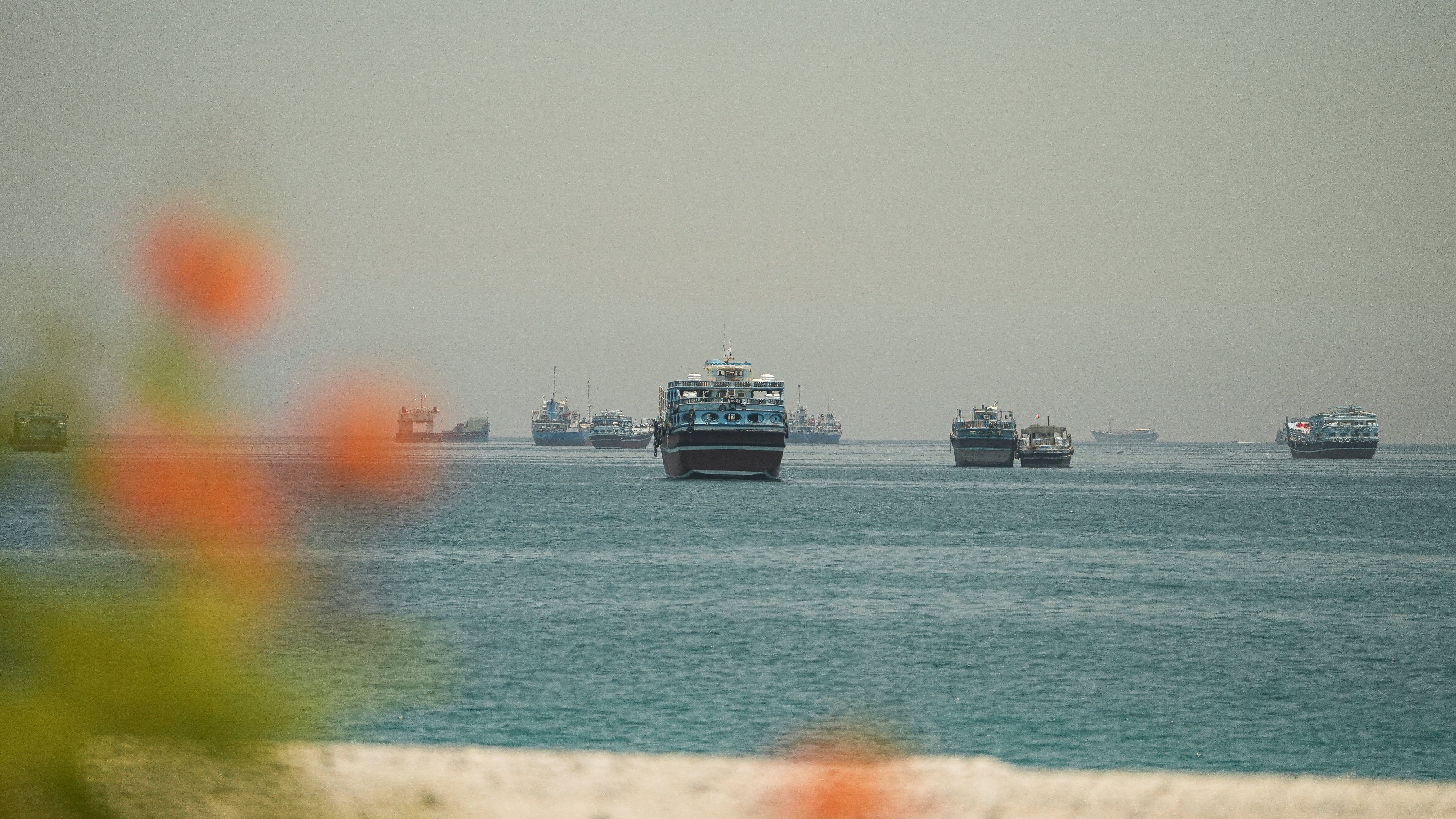 |
The US launched airstrikes on the port area of Bandar Abbas near the Strait of Hormuz amid ongoing negotiations with Iran, raising questions about whether military tensions could hinder the reconciliation process. Photo: Reuters. |
According to Clements' assessment, diplomatic contacts between the US and Iran are still ongoing and there are no signs that the incident will cause the entire process to break down. While the current outcome may not meet everyone's expectations, it is still seen as a more positive direction than the risk of renewed conflict.
One hypothesis is that the US operation may have aimed to gather intelligence and assess Iran's maritime capabilities in the Strait of Hormuz – a strategically important energy shipping route for the world .
Clements noted that Washington appeared to have acted on reports that Iranian forces were deploying missile launchers and using ships to try to lay mines along this shipping lane.
According to him, if Iran were to carry out such an operation, it would be predictable that it would face a strong military response from the United States.
Short-term test
On the US side, Washington described the attacks in Bandar Abbas as an act of "self-defense," aimed at protecting US forces from threats from Iran. US officials said the operation targeted Iranian missile sites and naval assets, while emphasizing that they acted with a high degree of restraint and there were no US casualties.
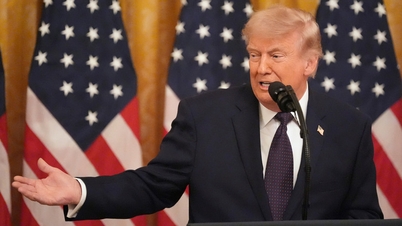
According to sources in Washington, similar small-scale clashes had occurred after the ceasefire was previously established. At that time, US President Donald Trump did not consider these incidents to be violations of the ceasefire agreement.
Although information on the actual scale of the campaign is limited, analysts believe this is currently only a short-term setback, not enough to reverse the ongoing diplomatic efforts.
On May 26, US Secretary of State Marco Rubio confirmed that negotiations with Iran were continuing in Qatar despite renewed military tensions.
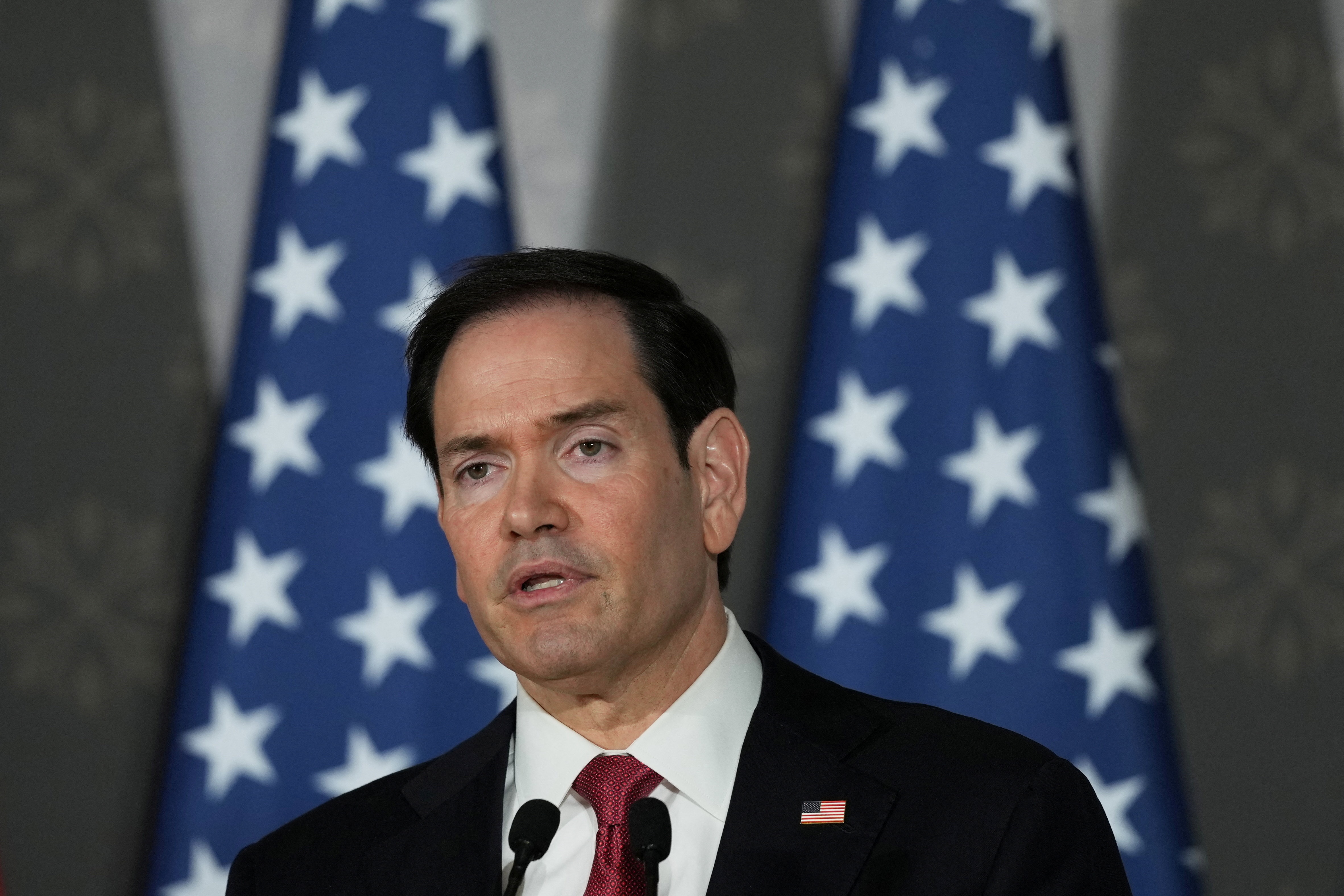 |
US Secretary of State Marco Rubio speaks during his official visit to India on May 26. Photo: Reuters. |
Speaking during his official visit to India, Rubio said that the parties were focusing on discussing the specific terms of the initial document and that this process might take a few more days to finalize.
He also emphasized that President Trump still wants to reach an agreement, but it has to be "a good deal or no deal."
Referring to the Strait of Hormuz – the world's most important oil shipping route – the US Secretary of State affirmed that keeping this waterway open is in a strategic interest and "will be ensured one way or another."
Recent developments indicate that military tensions and diplomatic negotiations are continuing simultaneously, with Bandar Abbas potentially becoming a crucial test of the US-Iran dialogue's ability to sustain it in the coming period.
Source: https://znews.vn/don-danh-cua-my-kho-lam-do-vo-thoa-thuan-voi-iran-post1654216.html


![[Photo] Ba Lang An Lighthouse - the "eye of the sea" amidst the "rock museum" of Quang Ngai province.](https://vphoto.vietnam.vn/thumb/1200x675/vietnam/resource/IMAGE/2026/05/29/1780038698840_anh-man-hinh-2026-05-29-luc-14-10-42.png)














![[Image] Pleasant weather helps students enter the 10th grade entrance exam with confidence.](https://vphoto.vietnam.vn/thumb/1200x675/vietnam/resource/IMAGE/2026/05/29/1780034401612_ngay-1-thi-lop-10-minh-duy-8-5009-jpg.webp)































































Comment (0)