

Asia's leading security forum, the Shangri-La Dialogue 2026, opened in Singapore on May 29th amidst a world shaken by strategic competition between major powers, escalating conflicts in the Middle East and Europe, and questions about the US's long-term commitment to the Indo-Pacific region.
This year's conference brings together defense ministers, military leaders, and security experts from 44 countries, including 54 ministerial-level delegates and more than 42 chiefs of staff and senior defense officials from the Asia-Pacific and Europe.
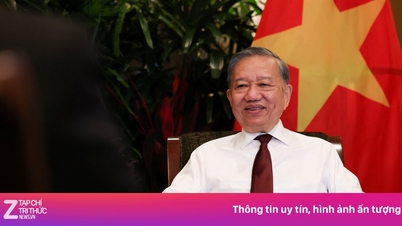
General Secretary and President To Lam delivered the keynote address at the opening session on the evening of May 29.
This morning (May 30), US Secretary of War Pete Hegseth will speak at the plenary session titled “The US Strategy for Peace in the Indo-Pacific.” This is considered the most closely watched event at the forum.
The role of the US in Asia amidst the Iran crisis.
One of the biggest focuses of the conference will be Washington's Indo-Pacific strategy, as the administration of US President Donald Trump simultaneously grapples with crises in the Middle East and lingering tensions in Europe.
Regional allies are reportedly awaiting clear commitments from Washington to reassure them that the U.S. remains a priority for its presence in Asia, rather than having its resources diverted by global hotspots.
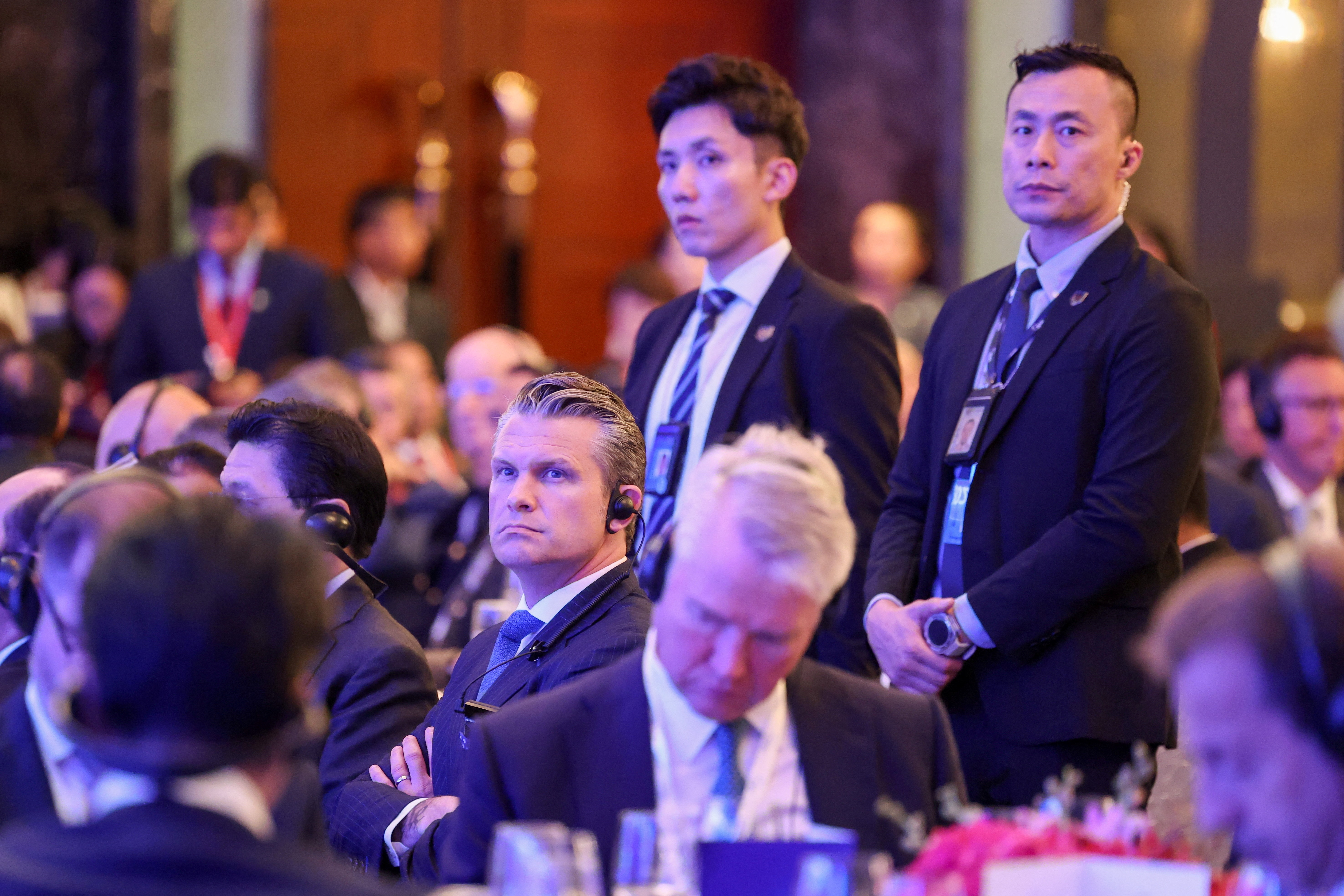 |
US Secretary of War Pete Hegseth listens to the keynote address by General Secretary and President To Lam at the Shangri-La Dialogue 2026. Photo: Reuters. |
Observers believe the conflict in Iran has caused new shocks to the global economy, driving up oil prices and increasing inflationary pressure in many Asian economies that depend on energy imports.
Security experts believe the big question at this year's Shangri-La Dialogue is not just about the U.S. military commitment, but also directly relates to energy security, trade flows, and the region's economic growth prospects.
US-China relations continue to cast a shadow over the forum.
Strategic competition between the US and China is expected to continue to be a recurring theme throughout the conference, similar to previous Shangri-La Dialogues.
Last year, Pete Hegseth warned of an “imminent threat” from China, drawing a strong reaction from Beijing. However, the atmosphere this year is somewhat different following President Donald Trump’s recent visit to China, with both sides sending cautious but more positive signals about bilateral relations.
However, the continued absence of Chinese Defense Minister Dong Jun for the second consecutive year has limited prospects for high-level US-China military dialogue at Shangri-La. Beijing has instead sent a delegation from the National Defense University of the People's Liberation Army.
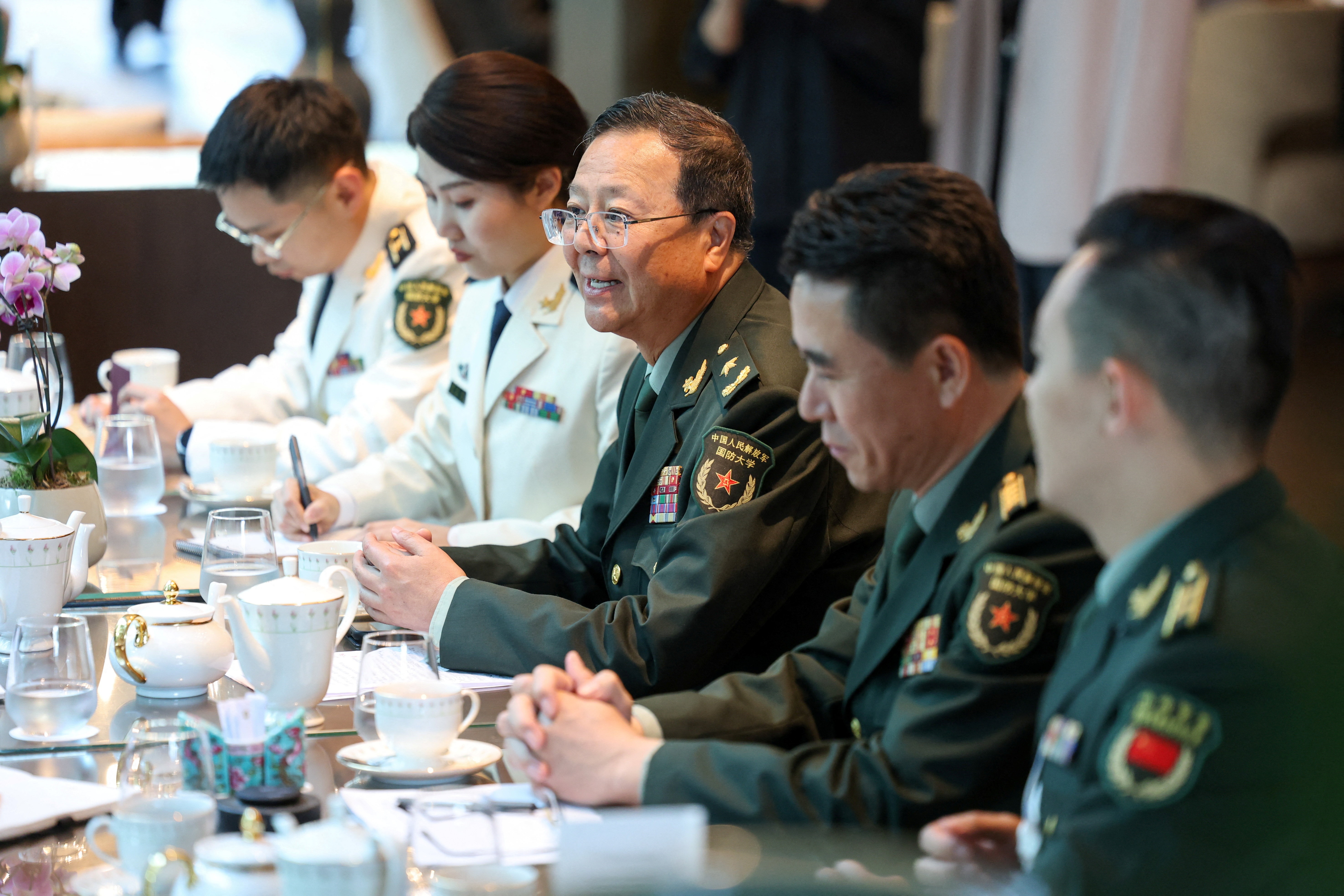 |
Major General Meng Xiangqing of the National Defense University of the People's Liberation Army of China and the Chinese delegation attend a meeting on the sidelines of the IISS Shangri-la Dialogue security summit in Singapore on May 29. Photo: Reuters. |
Discussions are expected to remain focused on how small and medium-sized nations respond to US-China competition, as well as maritime hotspots such as the South China Sea and the Malacca Strait.
Japan shifts its defense focus.
The dramatic shift in Japan's security policy was also a topic of intense discussion at this year's conference.
Under Japanese Prime Minister Sanae Takaichi, Tokyo is pushing for military modernization and strengthening defense cooperation with regional partners amid concerns.
Last April, Japan announced the biggest overhaul in decades of its defense export regulations, lifting many restrictions on overseas arms sales and paving the way for the export of warships, missiles, and other military equipment.
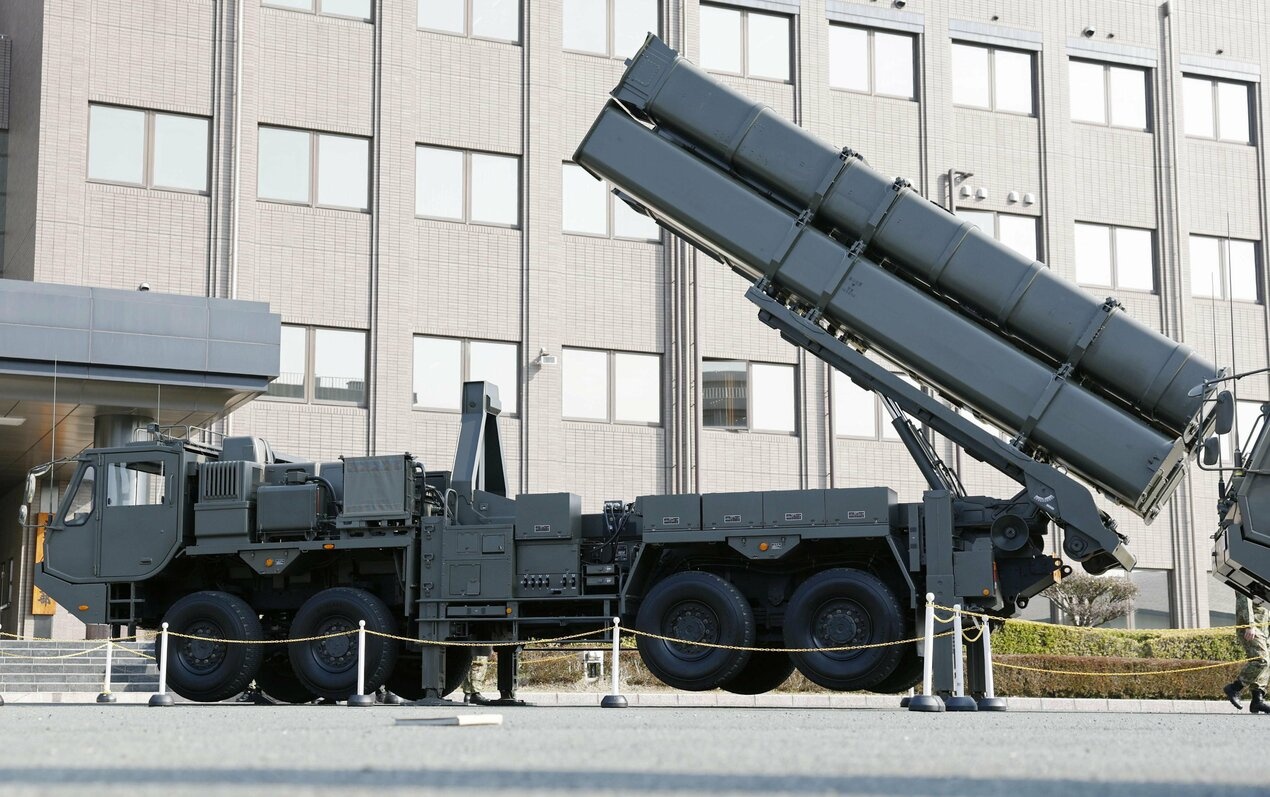 |
Japan is planning to reopen its largest arsenal since World War II. Photo: Kyodo News . |
This move was welcomed by the Philippines but met with a strong reaction from Beijing, with China warning it would be "on high alert" for any signs that Japan was returning to militarization.
Tensions between Asia's two largest economies are also rising over the issue of Taiwan. With Tokyo preparing to announce a new security strategy and plans to further increase defense spending, observers will be watching how Japan balances its expanding security role with its complex relationship with China.
Maritime security and freedom of navigation are heating up again.
Maritime security continues to be a prominent theme at Shangri-La 2026, spanning across the world's strategic shipping lanes.
Concerns are growing as shipping through the Strait of Hormuz – a vital global energy artery – remains fraught with uncertainty due to ongoing conflicts in the Middle East.
The issue of freedom of navigation is also expected to feature prominently in discussions, as many countries reaffirm their opposition to any attempts to alter the status quo by force in strategic waters.
Singapore also stressed that freedom of navigation on international shipping lanes is an "inherent right," not a "privilege," amid growing concerns about the risk of disruption to global shipping bottlenecks.
In addition, the Strait of Malacca could also become a topic of concern following previous statements by an Indonesian minister about the possibility of imposing fees on ships passing through, although Jakarta later affirmed that it had no plans to implement such a policy.
Source: https://znews.vn/cac-van-de-nong-phu-bong-doi-thoai-shangri-la-2026-post1655388.html

![[Image] Nearly 125,000 Hanoi students completed the Literature exam for the 10th grade entrance exam.](https://vphoto.vietnam.vn/thumb/1200x675/vietnam/resource/IMAGE/2026/05/30/1780117233041_ndo_br_thiet-ke-chua-co-ten-2-png.webp)











































































Comment (0)