

Ensuring resources and fairness in cultural investment.
- To ensure that the target of allocating at least 2% of the total annual budget to culture is achieved, what mechanisms should be designed to allocate resources, especially to disadvantaged localities that have significant responsibilities in heritage preservation?
- I fundamentally agree with and highly appreciate the efforts of the Drafting Committee in submitting to the National Assembly for approval this important and groundbreaking Resolution on cultural development at this session.
Regarding the guarantee of substantial financial resources and budget allocation mechanisms, the draft sets the goal of "the State ensuring that spending on culture accounts for at least 2% of the total annual budget expenditure." This is a strong political commitment; however, to ensure this figure is met during implementation, I suggest that the Government clarify the structure of this spending source within the Resolution itself.
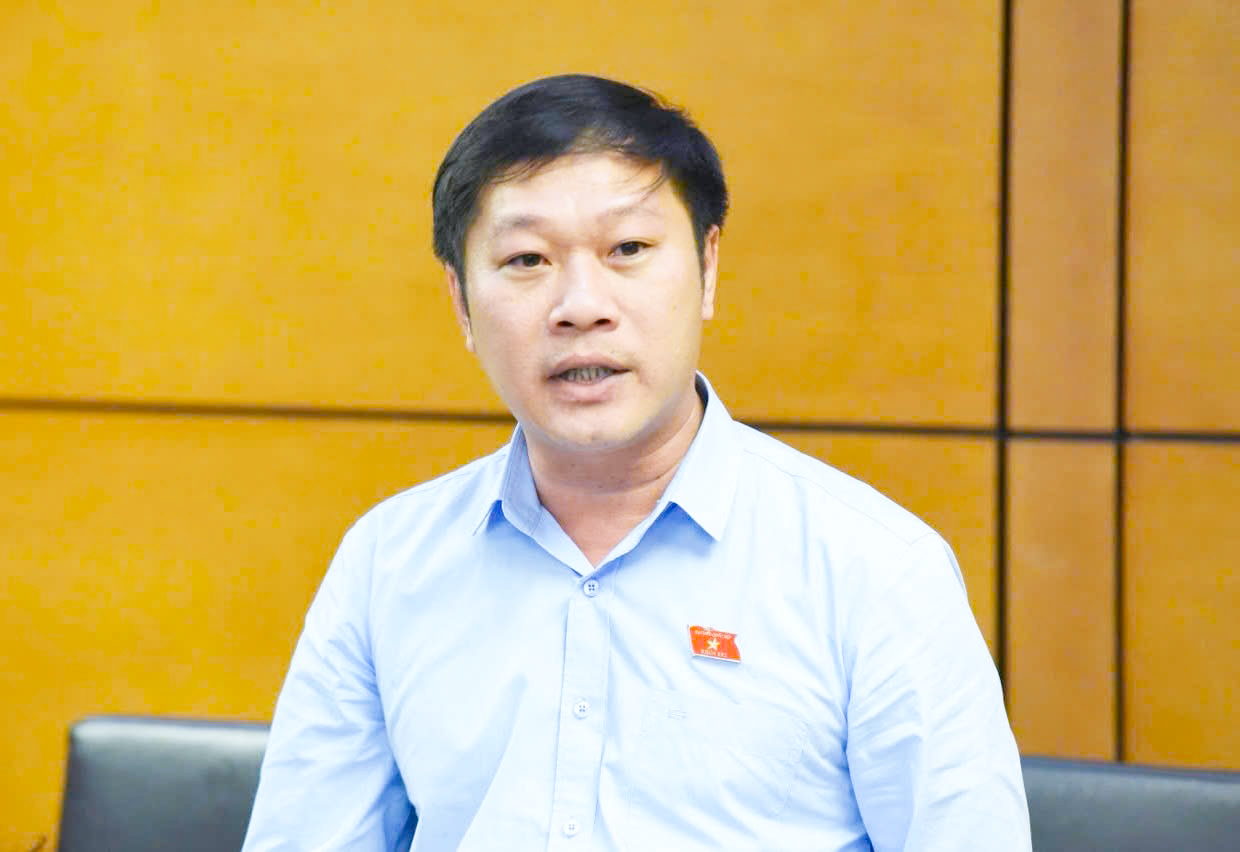
Specifically, the 2% target should be established on the total consolidated state budget expenditure, including both central and local budgets. However, in practice, there is a significant disparity in the self-balancing budget capacity among localities. If only general regulations are in place, disadvantaged localities and remote areas – which preserve immense tangible and intangible cultural values – will not be able to bear this target on their own.
Therefore, I propose that the central budget should play a leading role in implementing key national projects, museums, projects for the preservation of special-grade heritage, and investing in large-scale new cultural models.
For localities, there needs to be a mechanism of "targeted supplementary funding" from the central government for areas with low revenue but significant responsibility for heritage preservation, such as heritage cities and revolutionary base areas. Without clearly defining the responsibilities for allocation between "central government regulation" and "local implementation," we will inadvertently create inequality in cultural development between regions.
- Delegates mentioned the need to define and standardize new models such as "cultural creative industrial clusters" and "cultural creative complexes." Why is this important for the Resolution to be effectively implemented in practice?
- I believe this is a very important point. We are proposing new concepts such as "cultural creative industrial clusters" or "cultural creative complexes." These are advanced models, but they are not currently included in the land classification catalog or the existing economic sector system.
Therefore, the draft needs to establish clear technical criteria and legal definitions. Without specific definitions, localities will be very confused when applying the Land Law to allocate land, lease land, or apply corporate income tax incentives.

We need a precise legal system so that investors can see a safe path forward, avoiding situations where policies are good but difficult to implement due to conflicts with other specialized laws.
Furthermore, with a clear legal framework, ministries, sectors, and localities will find it easier to manage state affairs, plan development spaces, and allocate investment resources. This is also an important basis for attracting businesses to participate in the development of cultural industries, innovation, and knowledge-based economic sectors.
I believe that standardizing new models not only aims to resolve immediate obstacles but also creates a long-term foundation for the formation of a modern cultural innovation ecosystem, contributing to the early implementation of the Resolution's guidelines.
Special welfare programs to ensure cultural workers can dedicate themselves to their work with peace of mind.
- For artists, athletes, and those working in creative fields, what kind of compensation policies, according to the delegates, should be designed to both recognize their contributions and ensure long-term sustainability?
- Culture is a product of human beings. Allowing specialized recruitment and increasing professional incentive allowances from 40% to 60% is a well-deserved recognition of the contributions of artists and athletes. However, I suggest that the beneficiaries and the professional lifespan of each type of activity need to be clearly defined to ensure the policy is applied appropriately. Furthermore, I want to emphasize the sustainability of the policy.
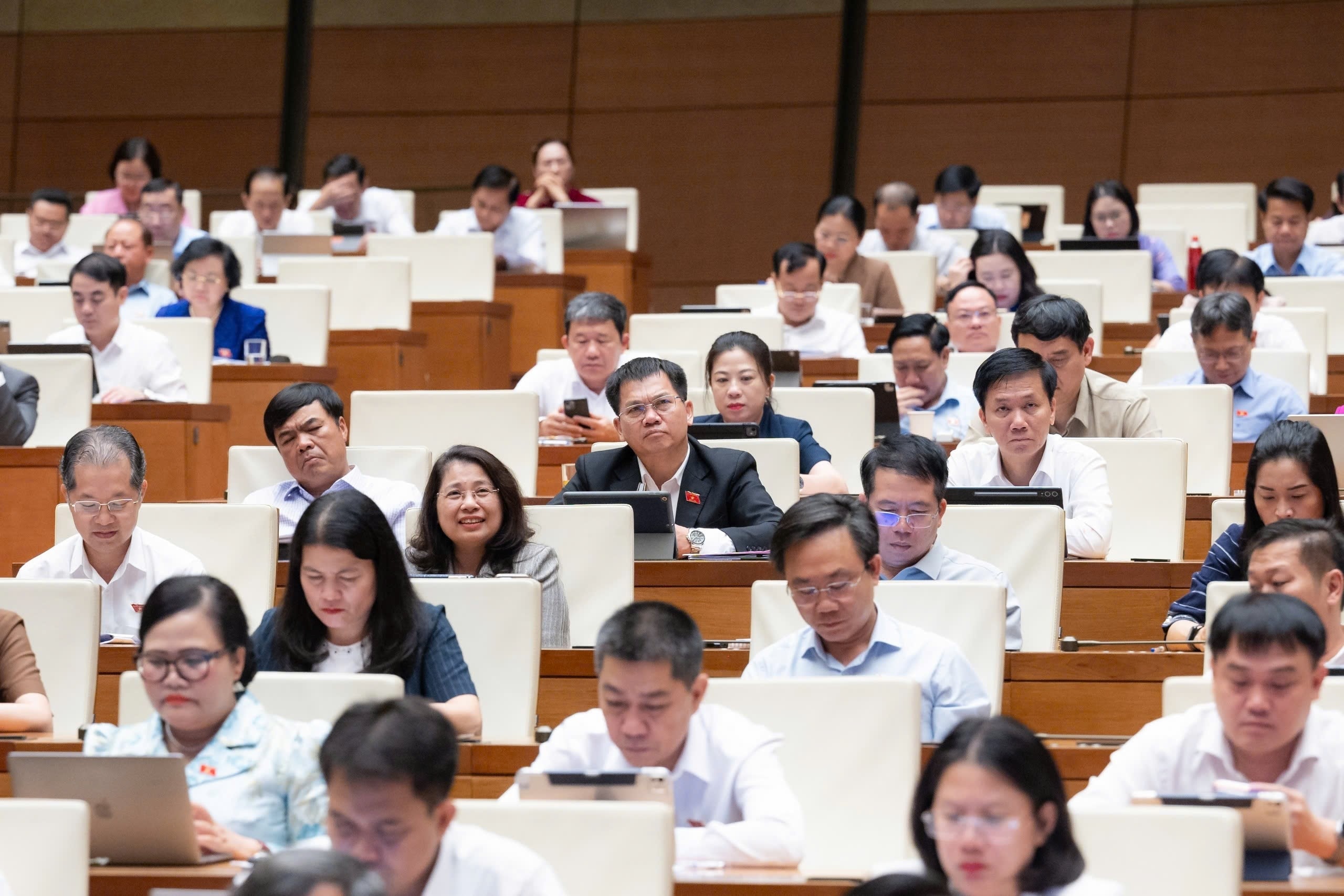
Careers in the performing arts often have short lifespans, requiring rigorous training from a young age, but the time dedicated to direct service is limited. Therefore, simply offering compensation during the working years is not truly comprehensive.
Therefore, it is necessary to add to the Resolution a mechanism for "special occupational security," including policies on vocational retraining and post-career support after retirement. This is a necessary solution to ensure that professionals can feel secure in their long-term commitment, continue to pass on their skills, and contribute to society after their peak performance years.
Investing in culture is investing in the spiritual foundation of society, creating intrinsic strength for the country's sustainable development... I expect this Resolution will truly be a major "boost," making culture a solid pillar, commensurate with the country's economic and political position in the new era.
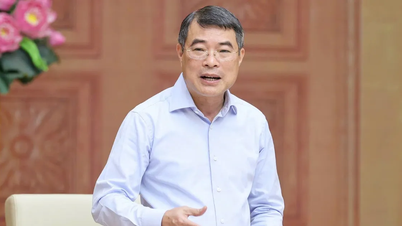
National Assembly Deputy Nguyen Khanh Vu (Quang Tri)
Source: https://daibieunhandan.vn/can-co-che-du-manh-de-van-hoa-tro-thanh-tru-cot-phat-trien-dat-nuoc-10414629.html

![[Image] Hanoi's urban life under the challenge of a "scorching hot" environment](https://vphoto.vietnam.vn/thumb/1200x675/vietnam/resource/IMAGE/2026/05/25/1779706979265_nang-nong-t5-2026-minh-duy-7-4636-jpg.webp)


![[Image] Close-up view of the interchange connecting the two expressways and Long Thanh Airport.](https://vphoto.vietnam.vn/thumb/1200x675/vietnam/resource/IMAGE/2026/05/25/1779703378210_ndo_br_z7863716673926-224453a31600126cce10622af6290afd-4549-jpg.webp)









































































Comment (0)