

The 2025 festival season marked a significant transformation as digital technology was widely applied to organizational and management activities. Not only did it enhance the visitor experience, but technological applications such as e-tickets, cashless payments, and virtual reality contributed to a more transparent, safe, and modern festival season.
However, according to experts, applying technology to festivals also needs to be done thoughtfully, avoiding overuse that could detract from the original spirit and meaning of the festival…
Fast, accurate , and transparent.
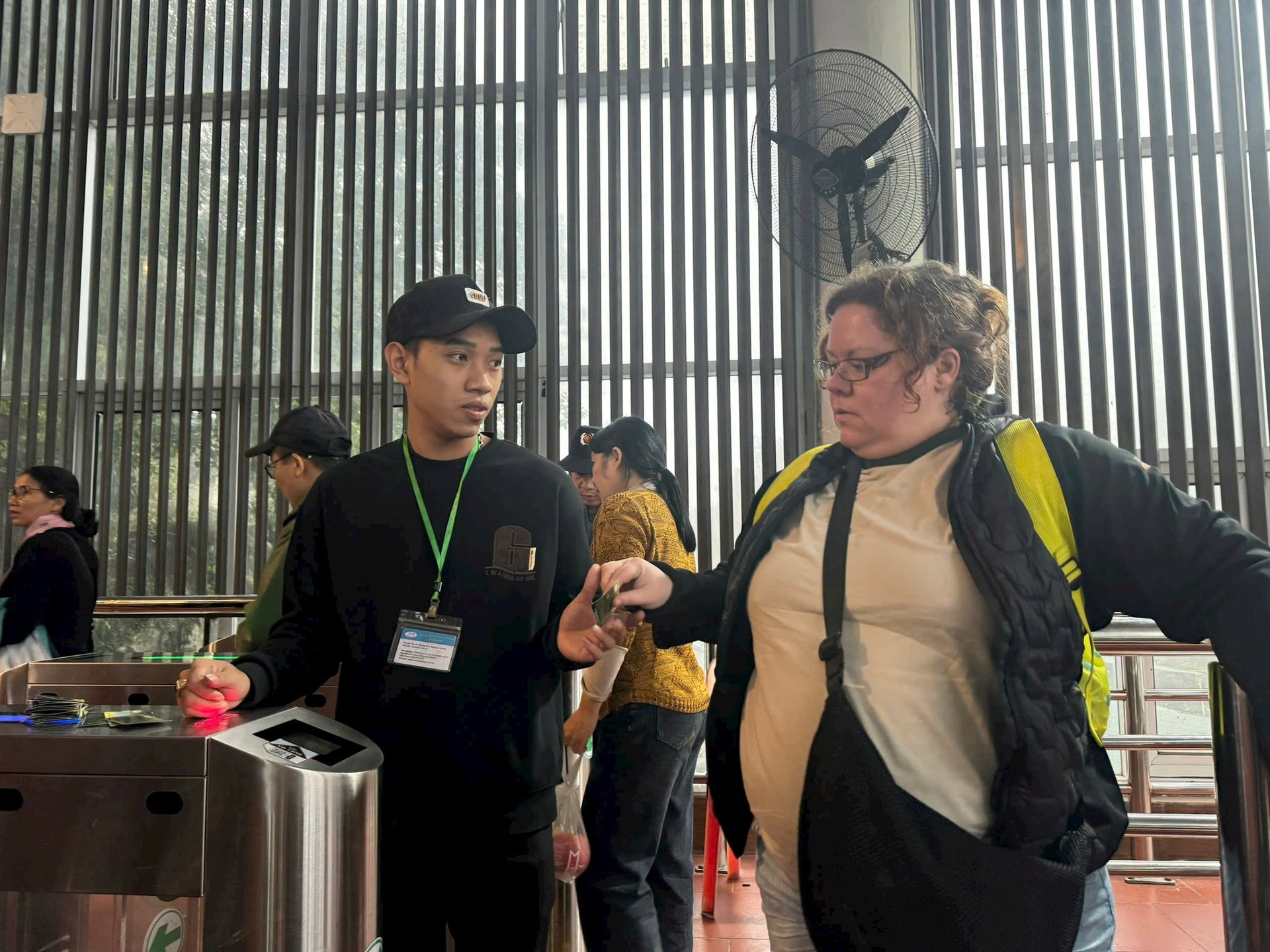
This year's Huong Pagoda Festival (My Duc, Hanoi ) was more orderly, with no more congestion on the Yen Stream and Thien Tru Pagoda. The problems of touting, harassing tourists, and forcing them to pay extra for boat rides also disappeared thanks to the well-managed and operated boat system.
The Organizing Committee has integrated entrance tickets and boat services into a single QR code, ensuring convenience for visitors, minimizing ticket issuance and control points, and strictly enforcing legal regulations. Boat operators only need to use an app to scan the QR code from passengers' tickets. This means visitors can travel to the festival without using cash.
Speaking with reporters, Mr. Bui Van Trieu, Head of the Management Board of Huong Son historical and scenic site, said that this is a very important task for the Organizing Committee of the Huong Pagoda Festival in 2025. By applying digital transformation to management, the service for tourists visiting the pagoda has become more thoughtful and civilized. Tourists can access services accurately and quickly, with greater transparency, and receive timely and optimal support.
At the Tran Temple Seal Opening Ceremony in the Spring of the Year of the Snake (2015), according to reporters' observations, the ceremony was well-organized, solemn, safe, and economical, ensuring traditional rituals and bringing positive feelings to those attending the ceremony at the beginning of the Spring. The seals were engraved with the words "Tran Dynasty Anecdotes" and "Accumulating Boundless Blessings." The four words "Accumulating Blessings" on the seal represent the blessings bestowed by the Tran Dynasty upon its descendants, teaching them and all people to uphold moral qualities, accumulate blessings well, and the greater the blessings, the more enduring the prosperity. To avoid crowding and pushing in one area, this year the organizing committee also livestreamed the seal opening ceremony on a large screen so that people who could not enter the ceremony area could watch it live.
Meanwhile, at Tay Ho Temple in Tay Ho District (Hanoi), the Tay Ho Temple Management Board has also applied digital technology in parking and sales services, aiming for a cashless system. Visitors only need to use QR codes to pay and learn about the historical value of the site. This has helped the Tay Ho Temple Management Board control visitor numbers, manage service prices, and revenue...
Mr. Duong Thanh Hai, Vice Chairman of the Quang An Ward People's Committee, said that the Ward People's Committee has developed a very systematic plan for managing historical sites in the area, as well as a digital transformation plan. The implementation of digital transformation at Tay Ho Temple has been highly appreciated by the people, bringing convenience to tourists when visiting and paying respects.
Many cultural experts and organizing and managing units believe that the application of digital technology like this deserves recognition and widespread adoption. Applying technology in the organization and management of festivals not only helps control visitor numbers, manage service prices and revenue, but also provides a solution to mitigate shortcomings, negative aspects, and chaos during peak seasons at historical sites.
Dr. Tran Huu Son from the Institute of Applied Folk Culture Research highly appreciated the positive changes resulting from the application of digital transformation in the management and organization of festivals this year. “This year's festival season has seen many places applying digital transformation in the management and organization of festivals, which is a very good and necessary step. Digital transformation not only contributes to promoting festivals but also helps improve management, making the experience much more civilized and convenient for people participating in festivals,” said Dr. Son.
Enhance the user experience.
The application of digital technology in festival organization also contributes to enhancing the visitor experience and creating a strong appeal for the tourism industry. Many festivals now utilize virtual reality (VR) and augmented reality (AR), giving visitors a more intuitive and vivid view of the festival space. In addition, mobile applications and digital maps provide detailed information and directions, making it easier for visitors to access the event. Cashless payment methods and online ticketing also offer convenience and reduce congestion.
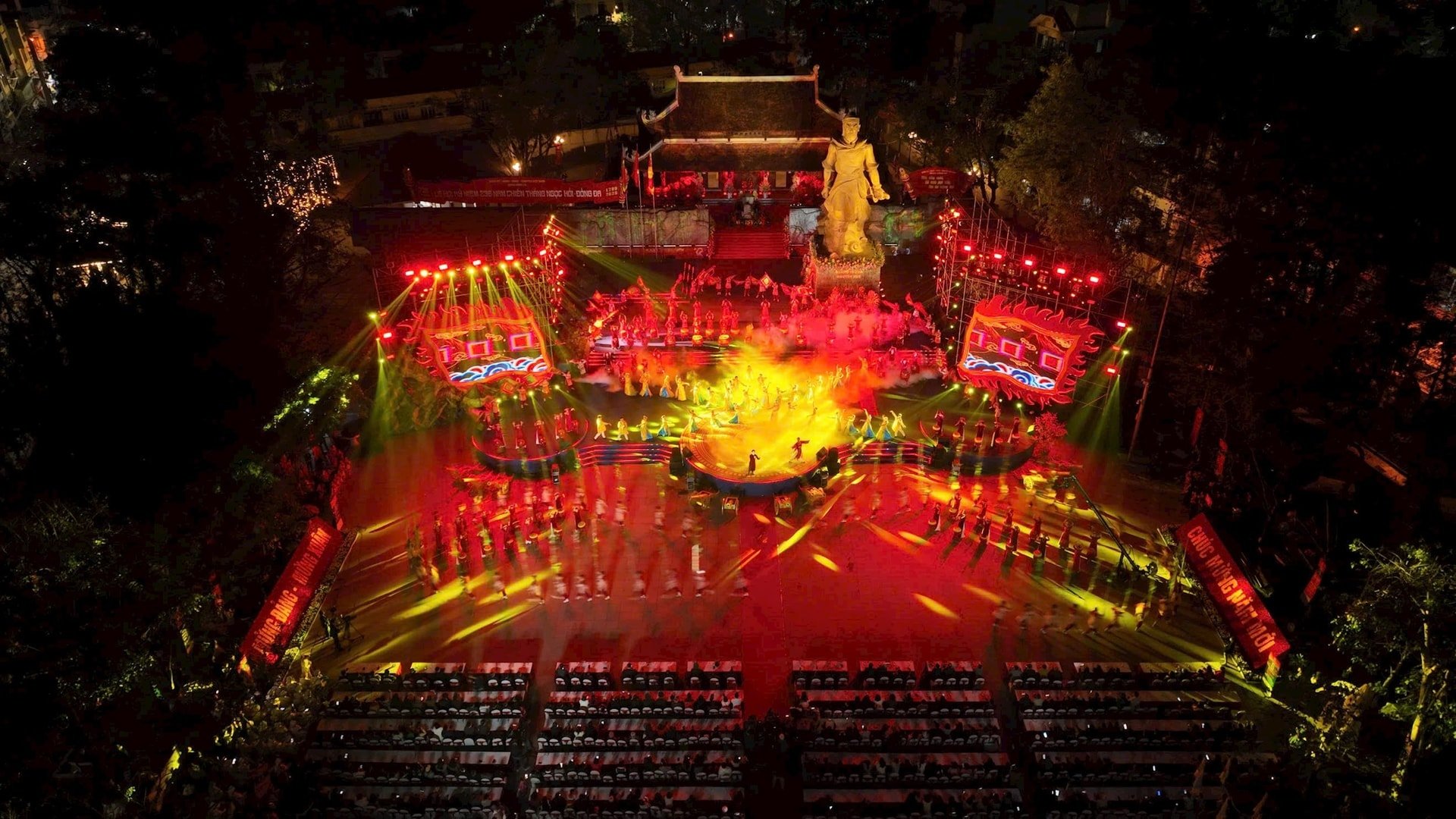
On the evening of March 8th, at the Truong Lam temple and pagoda complex (Viet Hung ward, Long Bien district, Hanoi), the program "Linh Lang - Sacred Spirit Convergence - Long Bien Shines Brightly" will take place. This artistic exchange program will showcase the intangible cultural heritage of the relics dedicated to Linh Lang Dai Vuong, presented in a semi-realistic format, combined with unique 3D mapping technology, aiming to promote heritage values and develop the cultural industry of the Capital city.
The show's general director, Mai Thanh Tung, shared that the program is presented in a semi-realistic format combined with 3D mapping technology. The music, with its blend of folk and modern influences, and the lighting technology depicting the historical flow across various periods, promise to bring locals and tourists a unique and exciting experience.
The festival commemorating the 236th anniversary of the Victory of Ngoc Hoi - Dong Da (Dong Da district, Hanoi) is held on the 5th day of the first lunar month. This year, for the first time, the opening ceremony will take place in the evening, featuring a semi-realistic art program that utilizes modern technology to vividly and engagingly recreate history.
Among the highlights, the art program themed "Dong Da - A Golden Legacy - A Steadfast Future" stands out, combining semi-traditional live performance art with advanced 3D mapping technology. Details of the swift march, the heroic battle, and the triumphant victory are realistically recreated through lighting effects, music, and spectacular artistic performances.
Ms. Dang Thi Mai, Chief of the Office of the People's Council and People's Committee of Dong Da District, stated that digital transformation is an inevitable trend and a necessary step in the current era of Industry 4.0 development. Culture is a fundamental and core issue, and it cannot lag behind other fields. "Digital transformation and the application of new scientific and technological achievements to the preservation, protection, development, and dissemination of cultural values in general and cultural heritage in particular open great doors for the world to learn more about Vietnam's advanced culture with its rich identity," Ms. Mai shared.
Preserving the spirit and essence of the festival.
The application of technology in organizing and managing festivals is a new approach that should be maintained and expanded. However, according to experts, the application of technology to festivals also needs to be done thoughtfully, avoiding overuse to the point of losing the inherent traditional aspects.
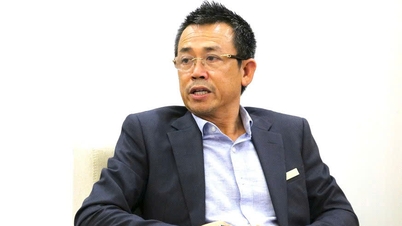
According to Master's degree holder Nguyen Dac Toi, former Head of the Heritage Research Department (Institute for Cultural and Development Studies), festival organizers need thorough research before implementing technology, consulting with cultural researchers, folk artisans, and the local community. Technology should be used as a tool to support the experience and help spread traditional cultural values, not to replace or distort the original meaning of the festival.
“Preserving traditional cultural identity in the context of digital transformation is not about eliminating technology, but about skillfully using technology to support the preservation and promotion of cultural values. Digital technology can help enhance experiences, optimize organization and heritage preservation, but it needs to be applied thoughtfully so as not to lose the original spirit and meaning of the festival. Only when modern technology and traditional values are harmoniously combined can festivals develop sustainably in the digital age,” Mr. Toi said.
According to Dr. Tran Huu Son, during the digital transformation process, the application of digital technology needs to preserve the cultural identity of each locality and ethnic group. Organizational methods must respect the community. Knowledge from one region should not be imposed on another; instead, it must be based on the characteristics and features of the local community.
Despite the challenges, it must be acknowledged that applying digital technology to festivals is an inevitable trend, helping to improve organization, ensure transparency, and provide new experiences for visitors. In the future, a harmonious combination of modern technology and traditional values will be key to festivals both preserving cultural identity and meeting the increasingly high demands of tourists in the digital age. However, as experts advise, we must proceed very carefully, avoiding any distortion of the original meaning of the festival.
Support, not control.
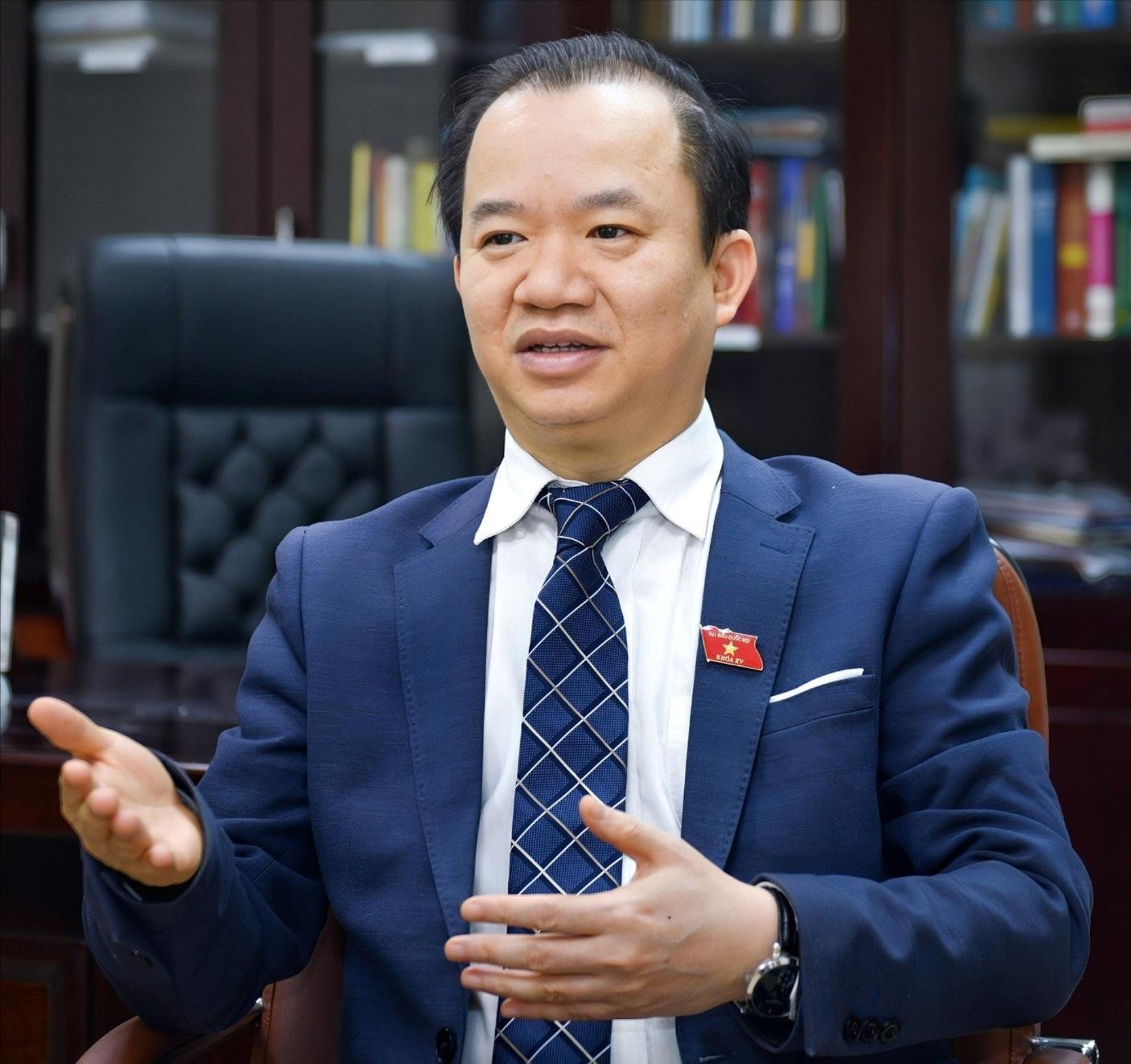
Dr. Bui Hoai Son, Standing Member of the National Assembly's Committee on Culture and Education, believes that applying technology to festival activities is an inevitable trend in modern society. Some traditional festivals are little known, confined to a single village or region, but thanks to the support of technology, especially online media and social networks, these festivals are gradually gaining wider recognition.
Some localities have applied virtual reality (VR) and augmented reality (AR) to recreate the atmosphere of traditional festivals. For example, at the Thang Long Imperial Citadel, visitors can use AR technology to see scenes of ancient royal festivals right on their phone screens. This is a very creative approach, preserving traditional values while creating new experiences.
However, if technology is misused without control, festivals can lose their authenticity and become detached from their original values. Some places turn festivals into extravagant events with too many modern stage performances and dazzling lights, to the point of overshadowing important traditional rituals. Therefore, the important thing is not whether or not to use technology, but to use it harmoniously and selectively.
We can apply technology to better manage and preserve heritage, but we shouldn't let technology overshadow the original value of the festival. Technology needs to be placed in its proper position as a supporting tool, not a dominant factor.
Human beings remain the core of all creativity and cultural transformation.
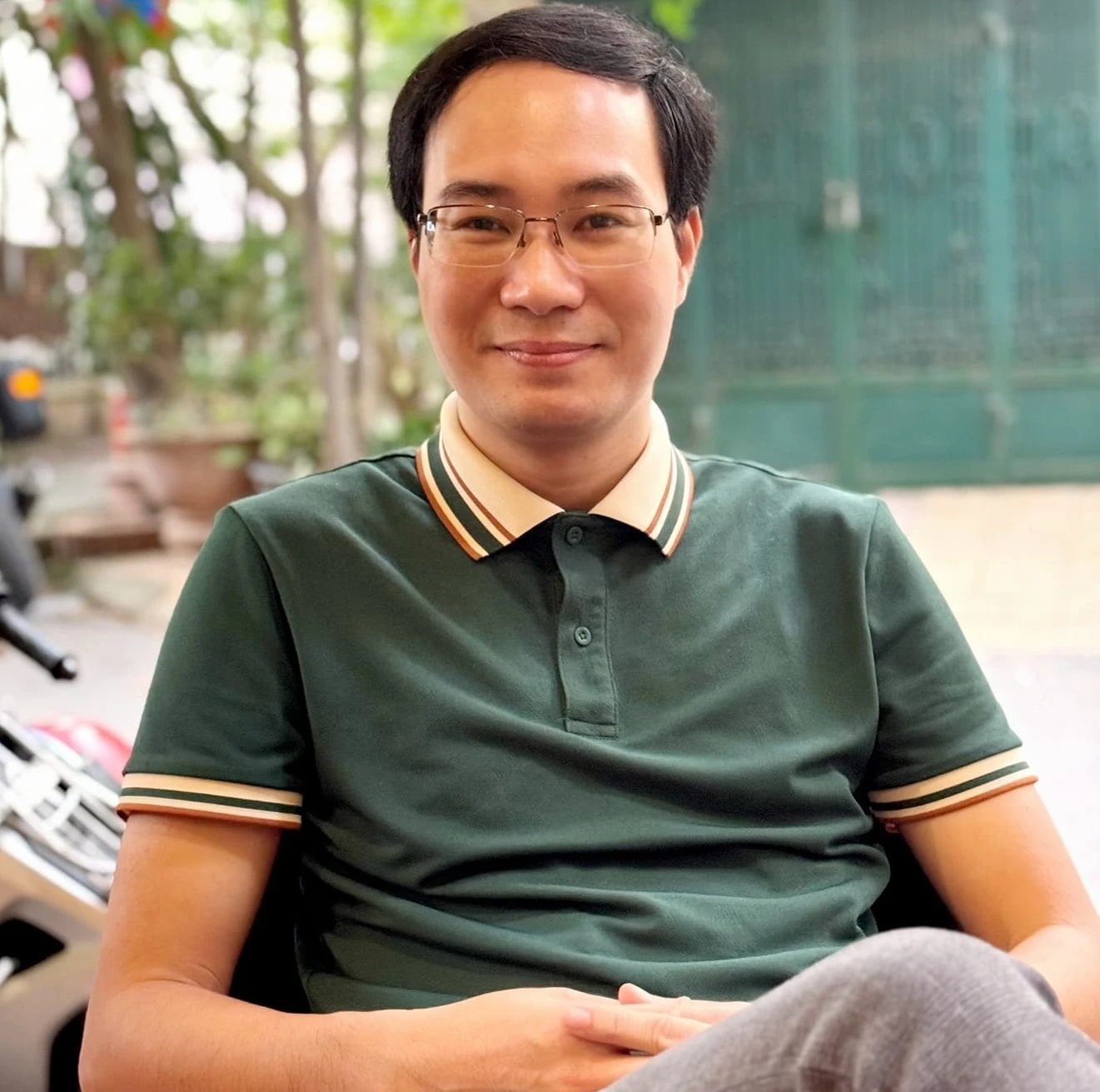
Cultural researcher Ngo Huong Giang believes that applying digital transformation to management is an inevitable and objective trend, especially in the cultural sector. This application contributes to reducing bureaucracy in the management of cultural activities, creating a more favorable legal framework for business activities related to festivals. It also enhances transparency in managing cultural resources from local festival activities. Furthermore, it opens up opportunities for cross-regional connectivity, thereby promoting cultural exchange and adaptation across regions.
However, digital transformation creates a new environment and creative space where creativity is unrestricted, making control more difficult compared to traditional cultural management methods. Therefore, to preserve the unique cultural identity of local festivals, each cultural worker needs to enhance their creativity based on the practical development of local culture, linking creativity with preservation.
Digital transformation should be understood as a means to bring local culture closer to other regional cultures, as well as to help people in neighboring provinces and regions access it. However, it is not the decisive factor in determining the value of regional culture. Humans remain the core of all cultural creation and transformation. Today, artificial intelligence (AI) can help a locality simulate cultural activities in the form of promotional videos, but without constant human supervision, it is very possible that one day, the value of that region's cultural identity will be "transformed" in ways that are difficult to control.
Source: https://daidoanket.vn/ap-dung-so-hoa-can-trong-de-giu-tinh-nguyen-ban-cua-le-hoi-10301140.html

![[Photo] Prime Minister Pham Minh Chinh presides over a meeting on private sector economic development.](/_next/image?url=https%3A%2F%2Fvphoto.vietnam.vn%2Fthumb%2F1200x675%2Fvietnam%2Fresource%2FIMAGE%2F2025%2F12%2F20%2F1766237501876_thiet-ke-chua-co-ten-40-png.webp&w=3840&q=75)




































































Comment (0)