

The Ministry of Health reported no new cases of whooping cough or diphtheria; and no outbreaks or clusters of dangerous infectious diseases spreading in the community were recorded during the 6-day Tet holiday.
The Ministry of Health reported no new cases of whooping cough or diphtheria; and no outbreaks or clusters of dangerous infectious diseases spreading in the community were recorded during the 6-day Tet holiday.
No clusters of dangerous infectious diseases have been recorded during the Tet holiday.
According to the Ministry of Health's report on health work during the Lunar New Year of the Year of the Snake, based on reports from the Institutes of Hygiene and Epidemiology/Pasteur Institutes and the Centers for Disease Control/International Health Quarantine in provinces and cities, the infectious disease situation in the 24 hours from the morning of January 29th to the morning of January 30th saw 33 new cases of dengue fever recorded nationwide. In total, over the 6 days from January 25th to 30th, the country recorded 266 new cases of dengue fever, with no deaths.
 |
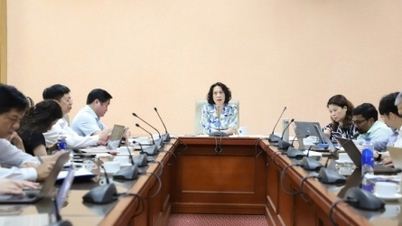
| Illustrative image |
Regarding hand, foot, and mouth disease, 12 new cases were recorded on January 29-30. In total, over the 6 days from January 25-30, the whole country recorded 91 new cases of hand, foot, and mouth disease, with no deaths.
Regarding measles, on January 29-30, 151 cases of fever and rash suspected to be measles were recorded. In total, during the 6-day Tet holiday from January 25-30, the whole country recorded 988 cases of fever and rash suspected to be measles, with no deaths.
The Ministry of Health also stated that no new cases of whooping cough or diphtheria have been recorded; and no outbreaks/clusters of dangerous infectious diseases spreading in the community have been observed during the 6-day Tet holiday.
The Ministry of Health warns that the Lunar New Year (Tet) holiday in 2025 and the early year festival season will create an increase in trade and tourism , as well as the consumption of food from livestock and poultry.
In addition, the cold, dry weather characteristic of the winter and spring seasons creates favorable conditions for the easy spread of respiratory and digestive diseases.
In addition, common infectious diseases such as avian influenza, severe pneumonia, dengue fever, hand, foot and mouth disease, rabies, and measles may also increase during the Lunar New Year and early year festivals.
To address this situation, the Ministry of Health has requested the People's Committees of provinces and centrally-administered cities to seriously implement infectious disease prevention and control measures, especially during the Lunar New Year and festival seasons. The Ministry of Health has directed relevant agencies to implement several specific measures to protect public health during this period.
One of the important tasks is to thoroughly understand and implement the directives of the Party Central Committee, the Prime Minister, and the Minister of Health on the prevention and control of infectious diseases.
Provinces and cities need to direct relevant agencies and local authorities to strengthen their roles and responsibilities in disease prevention and control, and mobilize the participation of departments, organizations, and socio-political groups to effectively implement infectious disease prevention and control and vaccination during the holiday period.
The Ministry of Health also requested that provincial and city health departments urgently advise on the development and submission of the 2025 Infectious Disease Prevention and Control Plan to the People's Committees of provinces and cities for promulgation.
Local authorities need to allocate funds to proactively implement the plan, while closely monitoring and supervising the situation of infectious diseases in their areas.
In particular, respiratory illnesses such as severe viral pneumonia and infectious diseases commonly seen during the Lunar New Year holiday, such as avian influenza, dengue fever, hand, foot and mouth disease, measles, and rabies, need to be given special attention.
The Ministry of Health also requested provinces and cities to ensure the implementation of expanded immunization programs and to launch measles vaccination campaigns to control the disease situation.
In particular, healthcare facilities need to be prepared with plans to treat patients promptly, minimizing the number of cases that worsen and deaths during the Lunar New Year holiday.
Healthcare facilities must strictly adhere to procedures for screening, triage, and isolation of patients, while also implementing infection control measures and preventing outbreaks within hospitals.
To prevent disease outbreaks, localities need to ensure health quarantine at border gates, while effectively implementing regular and event-based surveillance to detect suspected cases early.
Animal disease control, especially in poultry, also needs to be prioritized to prevent the risk of zoonotic transmission. Authorities need to monitor, detect, and promptly handle animal disease outbreaks, while also controlling the transportation and consumption of poultry and poultry products of unknown origin.
The Ministry of Health also requested media outlets, newspapers, and grassroots communication systems to strengthen their efforts in disseminating information about the prevention and control of infectious diseases and vaccination.
Media messages should aim to change people's behavior and raise awareness about disease prevention measures, especially for vulnerable groups such as children, the elderly, and people with underlying medical conditions.
The Ministry of Health emphasizes that the prevention and control of infectious diseases during the Lunar New Year and festival season is extremely important to protect public health, especially in the context of potentially complex disease outbreaks under changing weather conditions and increased trade activity.
The risk of food poisoning from improper thawing, especially during Tet (Lunar New Year).
According to Dr. Le Van Thieu, a specialist in the Department of General Infectious Diseases at the Central Hospital for Tropical Diseases, improper thawing of food, especially protein-rich foods like meat, fish, shrimp, and seafood, can create ideal conditions for the growth of dangerous bacteria such as Salmonella, E. coli, and Listeria. This is a major cause of food poisoning and serious health problems.
Dr. Thieu said that many people have a habit of letting food thaw at room temperature for many hours without knowing that this is one of the common causes of foodborne infections. "Room temperature creates an ideal environment for these bacteria to grow, especially on the surface of protein-rich foods like meat, fish, shrimp, and seafood," the doctor emphasized.
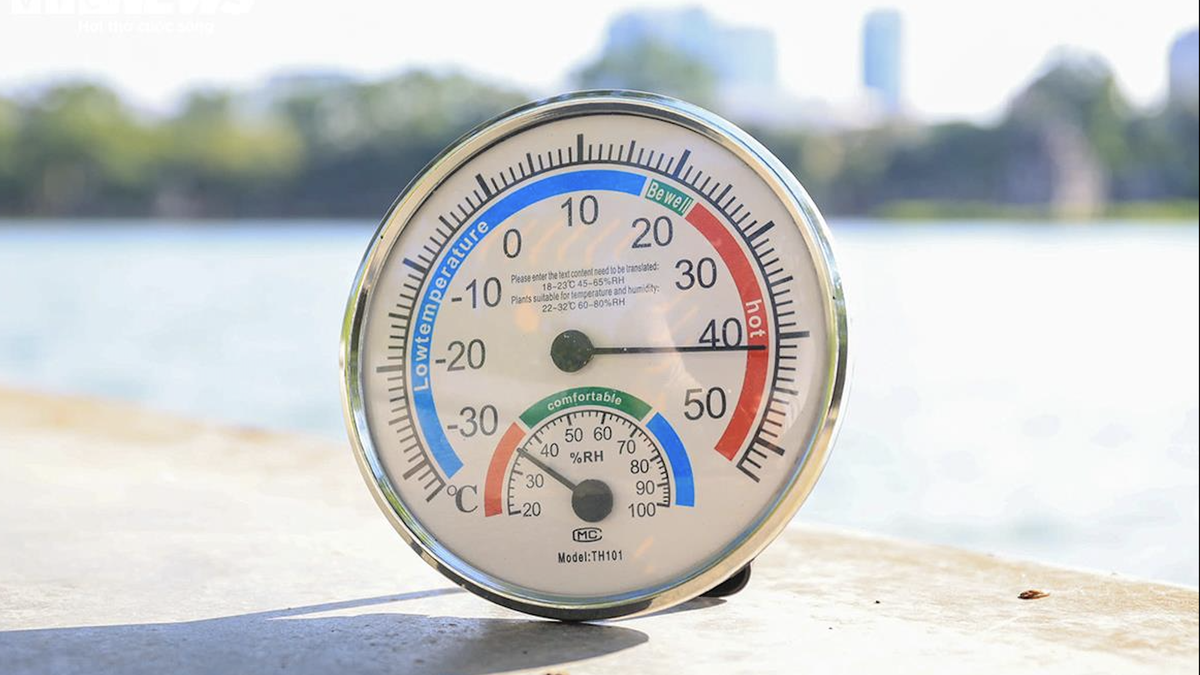
Storing food at temperatures between 5-60⁰C, also known as the "danger zone," creates conditions for bacteria to multiply rapidly. Within two hours at room temperature, the number of bacteria can increase many times over, leading to a risk of food poisoning.
During the Lunar New Year holiday, the demand for frozen food typically increases, forcing many families to process large quantities. However, thawing food hastily and without following proper procedures can increase the risk of bacterial contamination.
Dr. Thieu noted that many families thaw food by leaving it exposed to the air for hours or soaking it in water, which not only increases the risk of bacterial contamination but also reduces food quality.
"Using unsanitary water to soak food can allow bacteria from the water to contaminate the food, posing a high risk of food poisoning," the doctor warned.
Shrimp and other seafood are particularly susceptible to bacterial contamination when thawed improperly. While alive, shrimp's natural immune system prevents bacterial growth. However, once dead, the shrimp no longer have this protective immune system, creating an opportunity for bacteria such as Vibrio parahaemolyticus (which causes acute diarrhea), Listeria monocytogenes, and Salmonella to thrive on their surface.
"This is why shrimp and other seafood spoil so quickly if not stored properly," Dr. Thieu explained.
To minimize the risk of bacterial contamination, Dr. Thieu recommends the following safe thawing methods: Thawing in the refrigerator's cooling compartment: This is the safest method, helping food retain its freshness and limiting bacterial growth. Food should be moved from the freezer to the refrigerator 12-24 hours in advance, depending on the size of the food.
Use cold water: If you need to thaw food quickly, you can place it in a sealed bag and immerse it in cold water. Change the water every 30 minutes to maintain a cold temperature and limit bacterial growth. Absolutely do not use hot water as it will put the food in a "danger zone" and create conditions for bacteria to grow.
Using a microwave: Select the defrost setting on your microwave to quickly defrost food while maintaining hygiene. However, food defrosted in a microwave must be cooked immediately afterward to prevent bacterial growth.
Proper thawing not only helps protect your family's health during Tet but also contributes to improving food quality.
Two brain-dead donors give organs that revive three patients right at the beginning of the new year.
According to information from Viet Duc Friendship Hospital, on January 30th and 31st (the 2nd and 3rd days of the Lunar New Year), the hospital successfully carried out organ donation from two brain-dead patients, resulting in one heart and two kidneys being transplanted, giving new life to three patients in the early days of the new year.
Specifically, on January 31st (the third day of the Lunar New Year), patient VTPL (20 years old, from Phu Tho province), after a long battle with end-stage renal failure and requiring regular dialysis, successfully received a kidney transplant from a brain-dead donor.
A kidney donated by a stranger who was brain-dead helped L. recover her health and continue her studies at university. This special Lunar New Year gift is not only a new lease on life but also a source of hope and faith in a bright future.
Besides L.'s case, Ms. NTTH (41 years old, from Nghe An) also suffered from end-stage kidney failure and successfully underwent a kidney transplant on January 31st.
Previously, Ms. H. had to endure challenging months undergoing dialysis three times a week, with her condition progressing rapidly and severely impacting her health.
With a family of self-employed individuals and two young children still in school, Ms. H. not only had to cope with her illness but also shoulder family responsibilities. However, her resilience and optimistic spirit helped her overcome all difficulties.
This special Tet gift is not only an opportunity for Ms. H. to regain her health, but also brings hope to the whole family for a brighter future.
Previously, on January 30th, Viet Duc Friendship Hospital successfully performed a heart transplant for Mr. NTC (37 years old, from Vinh Phuc).
Mr. C has been living with cardiomyopathy for 10 years. It's been a long and difficult journey, but he has always bravely faced the disease.
Thanks to a heart donated by a brain-dead donor, Mr. C has a new chance to continue caring for his family and continue the path of helping the community that he has followed for so many years. A new lease on life arrived just in time for Tet (Vietnamese New Year), bringing with it hope and boundless gratitude for these compassionate hearts.
Tet is a time for family reunions, but not everyone is fortunate enough to be with their loved ones. Amidst loss and separation, some have chosen to transform grief into hope – donating their loved ones' organs to give others a chance at life.
It is a noble gesture, a sacred act of sharing, helping those patients on the verge of death to be revived. And in the early days of the new year, this miracle becomes even more meaningful than ever.
Source: https://baodautu.vn/tin-moi-y-te-ngay-12-cap-nhat-tinh-hinh-dich-benh-dip-tet-d243806.html



























































































Comment (0)