

According to CBL, experts are increasingly encountering devices with discarded memory chips and erased manufacturer information, as well as USB flash drives using microSD card adapters soldered onto the circuit board. This indicates a decline in the quality of portable flash drives.
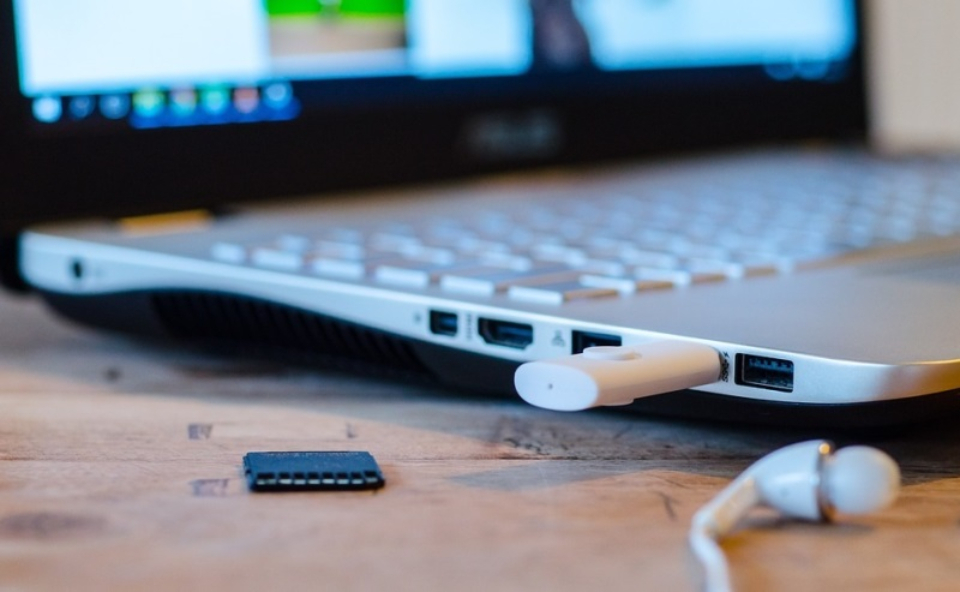
The reliability of USB flash drives is getting worse.
"When we opened up faulty USB flash drives last year, we discovered an alarming number of low-quality memory chips, reduced capacity, and erased manufacturer logos. The faulty microSD cards were also soldered into the USB flash drives and controlled by an external controller on the flash drive board instead of the microSD card's own internal controller," said Conrad Heinicke, CEO of CBL Datenrettung GmbH.
According to CBL, these are NAND memory chips that haven't passed quality control, most likely manufactured by major producers like SanDisk and Samsung. Instead of being recycled, these chips somehow ended up on the market. When examining these low-quality drives, in some cases, CBL experts noticed the manufacturer's name was faded on the memory chips, but they could still be identified as SanDisk products.
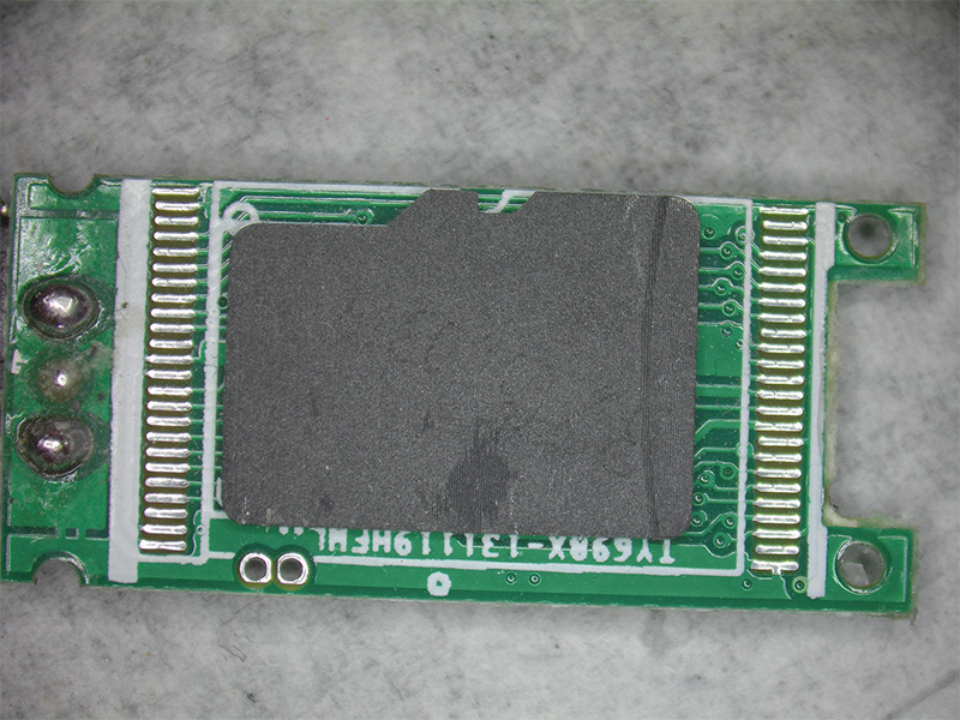
Many flash drives use memory chips from microSD cards, which are of lower quality.
In other cases, the name and logo of the memory chip manufacturer were completely removed. Typically, low-quality USB flash drives are identified among "promotional gifts," but in some cases, they come from "branded products," although CBL does not specify which particular company is supplying the low-quality flash drives.
CBL calls QLC technology, which allows for storing more data on a single flash memory chip, another ailment afflicting modern USB flash drives. QLC chips have become all too common in inexpensive flash drives. The combination of low-quality flash chips and QLC is exacerbating existing quality issues, so the company says users "shouldn't rely too heavily on the reliability of flash drives."
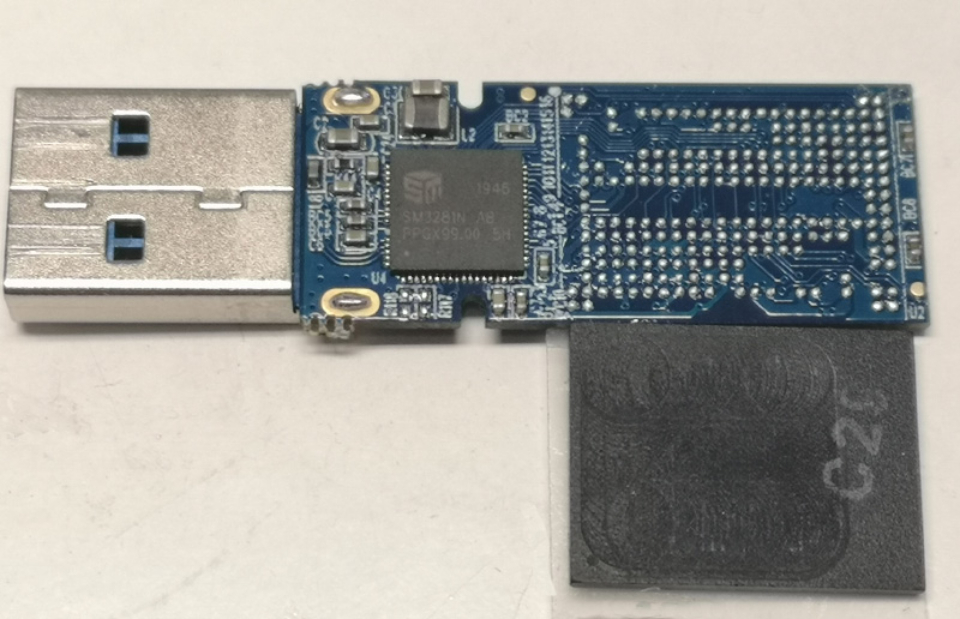
QLC memory chips are also a reason for the low reliability of USB flash drives.
The CBL report doesn't mention the issue of "fraudulent" USB flash drives that claim to have several hundred gigabytes (GB) of capacity but actually only contain 16 GB or even 8 GB of memory. Such devices are also very common and are designed using similar methods to the USB flash drives that CBL warned about, such as using microSD memory cards.
Source link







































































































Comment (0)