

 |
European summer hasn't even begun, but many Western European countries are already experiencing record-breaking heatwaves, even though it's only the end of European spring. The unusually early arrival of the heatwave has forced governments to issue warnings about the risks to public health. |
 |
Heatwaves in Europe have become increasingly frequent and severe in recent years. This week, much of Western Europe is experiencing temperatures 10-15 degrees Celsius higher than usual. |
  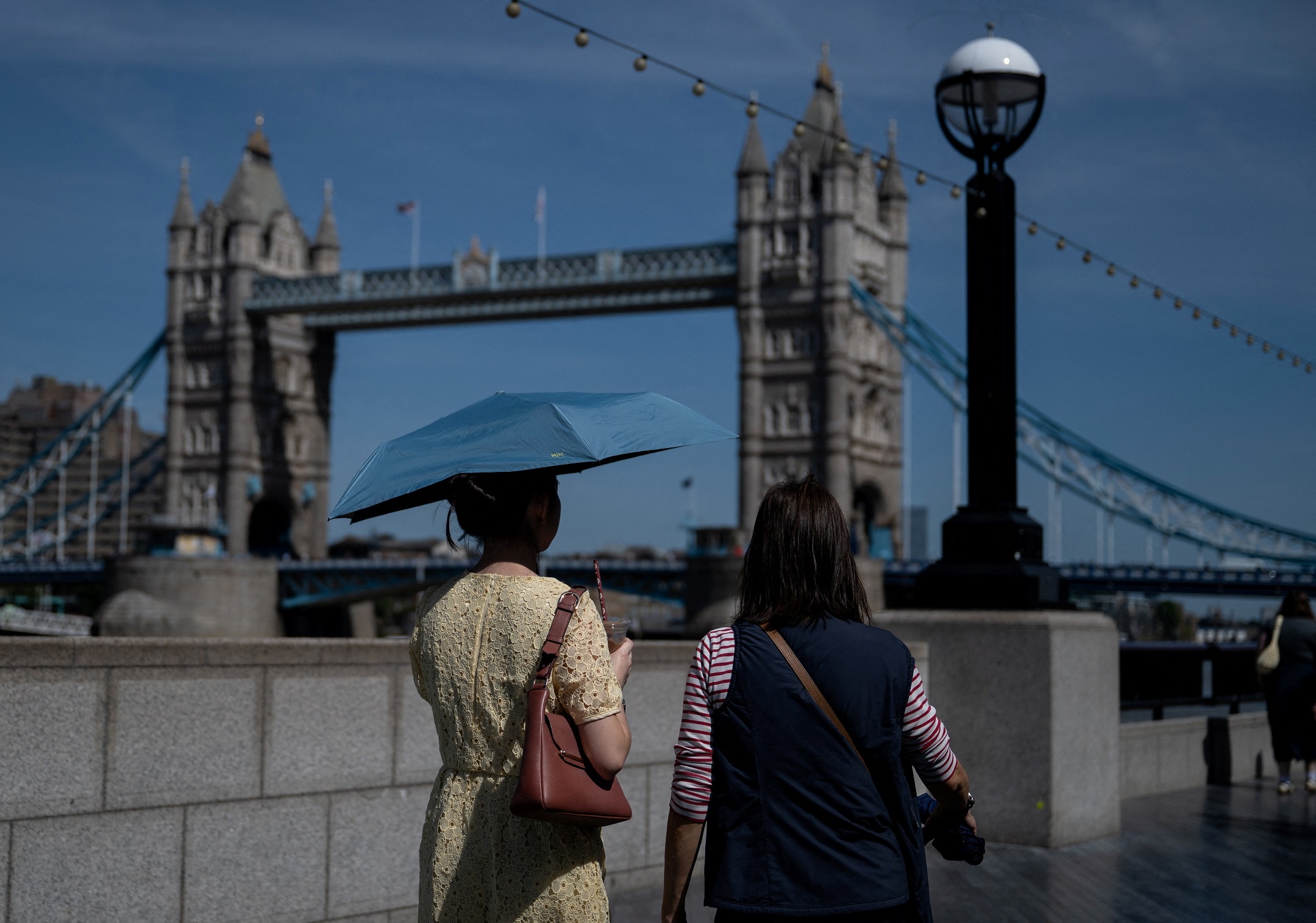  |
In the UK, May 25th was the hottest May on record, with temperatures in London reaching 34.8°C, surpassing the previous record by 2°C. On May 26th, the record was broken again, rising to 35°C. The average temperature in London at the end of May is usually around 20°C. The previous record of 32.8°C, set in 1922 and 1944, had stood for decades. |
 |
Nights are no more pleasant as the country experiences "tropical nights," a phenomenon where nighttime temperatures don't drop below 20 degrees Celsius. While not considered extreme in some parts of the world , these temperatures are uncomfortably hot, even dangerous, for the British. Most homes here are not designed to withstand the heat, and only about 5% of the population has air conditioning. |
 |
Last week, a report from the UK Climate Change Commission warned that buildings in the UK are becoming increasingly unsuitable for current weather conditions. Extreme temperatures can lead to heatstroke, which is particularly dangerous for people with chronic conditions such as high blood pressure or kidney disease. |
 |
The UK's Health Security Agency has issued an orange health alert – the second highest level – due to concerns about a serious impact on the health and social care system, including an increased risk of deaths, particularly among the elderly. |
    |
In France, unprecedented temperatures are also testing people's endurance. According to the French meteorological agency, May 25th became the hottest May day ever recorded in the country. The agency said that temperatures over the weekend were up to 13 degrees Celsius higher than the seasonal average in some areas. The current heatwave appeared unusually early, with unusual intensity and duration. |
 |
Extreme heat is having deadly consequences. According to statistics, France recorded at least 7 deaths in May suspected to be related to the heat. Of these, 5 were due to drowning, and 2 were sudden deaths while participating in sporting events. French Sports Minister Marina Ferrari emphasized that playing sports in extreme weather conditions requires absolute vigilance. |
 |
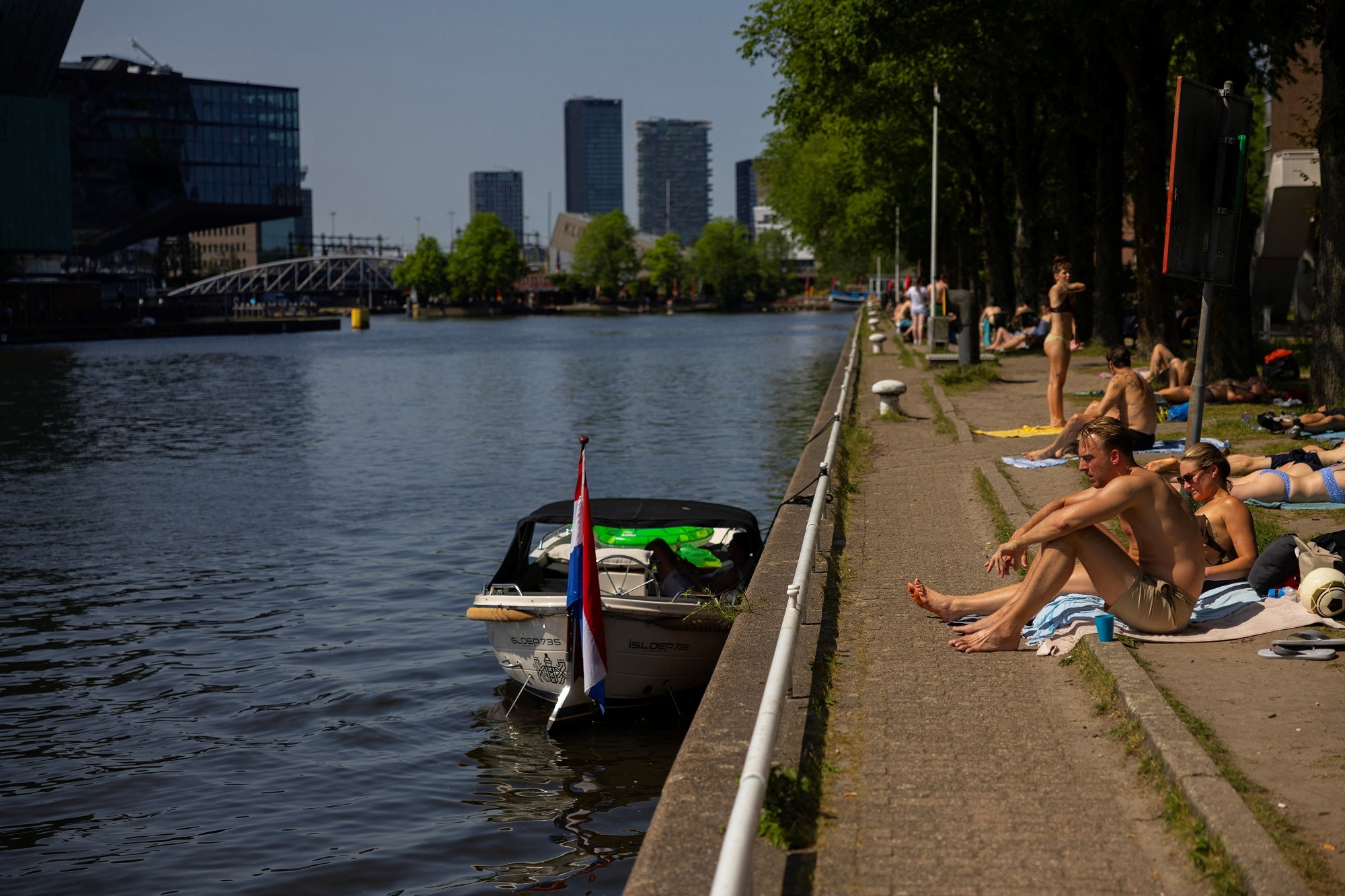
In Spain, people are also experiencing "unusually high" temperatures. Meteorological agency spokesperson Rubén del Campo said Seville recorded a temperature of 38 degrees Celsius over the weekend, while much of the Iberian Peninsula experienced temperatures 5-10 degrees Celsius higher than normal. Temperatures in southern Spain are forecast to reach 40 degrees Celsius in the coming days. In the central city of Valladolid, many outdoor tables and chairs are empty, a sight usually seen during the peak of the summer heat in mid-July, when people avoid going outside in the scorching sun. |
    |
Extreme heat is now considered one of the clearest signs of the global climate crisis. Scientists assert that climate change is increasing extreme heat waves, while Europe is the fastest-warming continent in the world. |
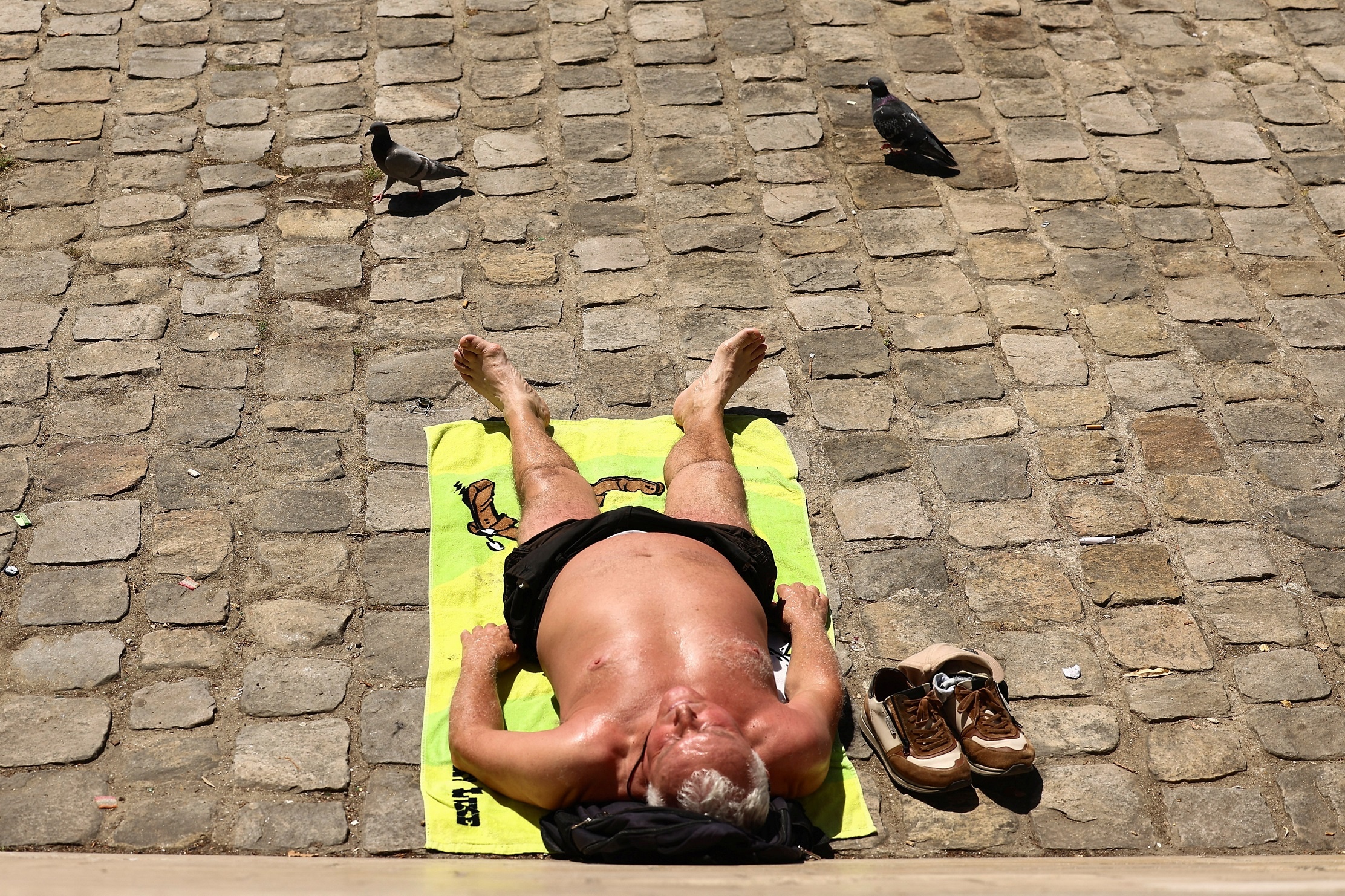 |
The consequences of extreme heat are very serious. In Europe, in 2024, more than 62,000 people died from heat-related causes. 2024 was the hottest year on record globally. |
 |
Scientists predict that more extreme heatwaves will continue in the coming years. While 2026 is also predicted to be among the hottest years on record, it will likely still be one of the "cooler" years compared to the weather in the years to come. |
Source: https://znews.vn/chau-au-chim-trong-dot-nong-38-do-c-post1654636.html

![[Photo] The heat at the fireworks display site on the opening night of the Da Nang International Fireworks Festival 2026](https://vphoto.vietnam.vn/thumb/1200x675/vietnam/resource/IMAGE/2026/05/27/1779889741485_ndo_br_z7872039145157-fecaba5112f39e8352544099d7ef4738-5140-jpg.webp)
![[Photo] The courage of new recruits of Brigade 144 on the training ground.](https://vphoto.vietnam.vn/thumb/1200x675/vietnam/resource/IMAGE/2026/05/27/1779881651341_anh-man-hinh-2026-05-27-luc-18-32-52.png)
























































![[Photo] The courage of new recruits of Brigade 144 on the training ground.](https://vphoto.vietnam.vn/thumb/402x226/vietnam/resource/IMAGE/2026/05/27/1779881651341_anh-man-hinh-2026-05-27-luc-18-32-52.png)





























Comment (0)