At the commune level, the pressure is even more apparent when the workload is large but there is a shortage of specialized personnel, leading to difficulties in tasks such as planning, public investment, and land clearance. Comrade Nguyen Van Duoc emphasized that the city has recognized this situation and will rectify it in the near future.
This reality necessitates a more comprehensive assessment of the capabilities of the workforce in this new development phase. "Choosing the right person for the job" is no longer merely an internal requirement of personnel management, but a governance standard, a measure of leadership capacity, and a condition for transforming sound policies into concrete results that serve the people.
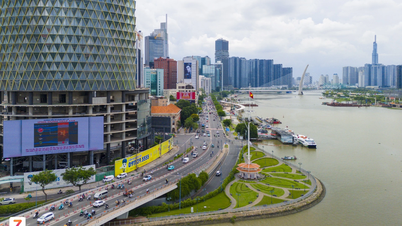
Ho Chi Minh City currently has 29 communes that meet the criteria to be converted into wards. The conversion from commune to ward is not just a change in the administrative unit model, but also places higher demands on urban governance, infrastructure improvement, resource mobilization and utilization, and public service provision. Accordingly, the capacity, mindset, and working methods of officials must also change. If officials continue to be assigned mechanically, the system will not be able to keep pace with the rate of development.



The new context and new model necessitate a regular review of the capacity, quality, and quantity of grassroots-level officials to proactively make adjustments. For positions that consistently fail to meet targets, it is necessary to promptly clarify the causes and responsibilities, and develop plans for training, support, reassignment, or replacement if the officials are truly unsuitable. Those who are suitable should be given greater responsibilities; those who are not should be reassigned.
Resolution No. 09-NQ/TW of the Politburo allows the city to increase its total staff by up to 20%. This is a condition for solving the problem of overcrowding in the locality. However, the increased staffing is only meaningful when the right people are selected for the right jobs, linked to specific tasks, specific outputs, and specific responsibilities.
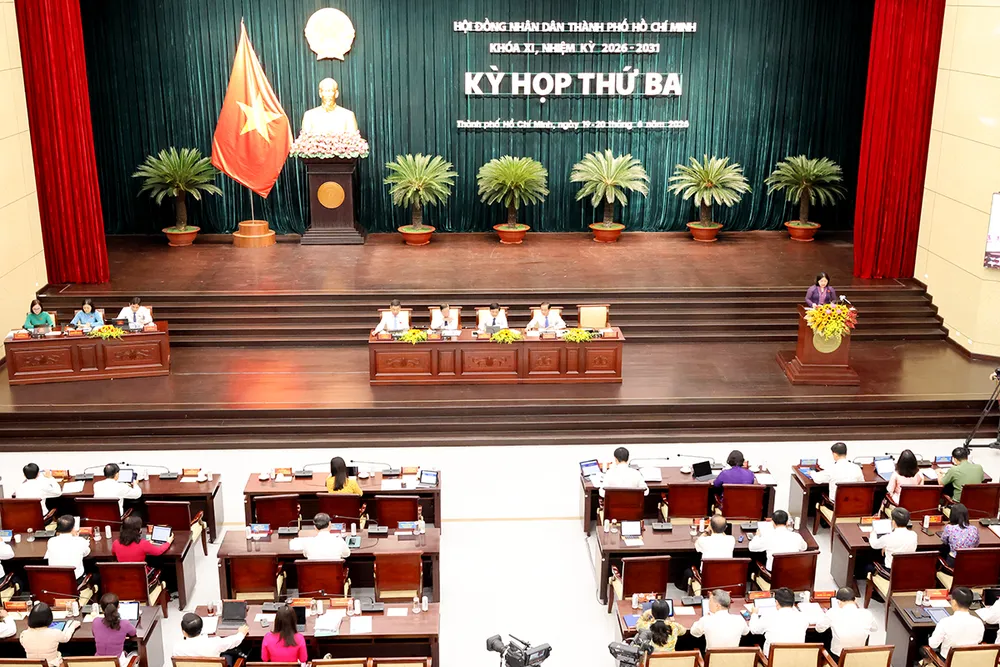
During working sessions and directives on this issue, Ho Chi Minh City Party Secretary Tran Luu Quang emphasized that the allocation of additional personnel should not be indiscriminate, but must be based on the requirements and workload of each locality; it is necessary to select capable and skilled individuals. The city also encourages competitive examinations, attracts outstanding graduates, and invites experts.
Choosing the right people is the first step. To enable officials to fully utilize their abilities, it is necessary to delegate authority clearly, define specific responsibilities, ensure the conditions for implementation, and protect those who dare to think, dare to act, and dare to take responsibility for the common good.
Ho Chi Minh City is facing a great opportunity stemming from Resolution No. 09-NQ/TW, the specific mechanisms and policies of the National Assembly , and the process of drafting the Law on Special Urban Areas. However, this opportunity will only become a reality when the administrative apparatus has capable individuals to handle the tasks; a team of officials who are competent, dedicated, professional, and willing to take responsibility for the common good.

When people are put in the right positions, difficult tasks will be overcome, new endeavors will be paved the way, and the people's issues will be resolved thoroughly. This is the foundation upon which Ho Chi Minh City transforms opportunities into extraordinary driving forces, turning aspirations for development into concrete results in the lives of its people.
Source: https://www.sggp.org.vn/chon-nguoi-cho-cong-viec-post858519.html




![[Photo] Prime Minister Le Minh Hung presides over the thematic session on promoting science and technology development and innovation.](https://vphoto.vietnam.vn/thumb/1200x675/vietnam/resource/IMAGE/2026/06/23/1782207872934_ndo_br_dsc-1724-jpg.webp)