

Most cases of acute lower back pain are not dangerous and can be resolved with proper treatment. However, neglecting the condition or using the wrong treatment methods can prolong the condition, or even lead to chronic pain.
- Common causes of acute lower back pain
- Proper treatment for acute lower back pain.
- Ways to prevent acute lower back pain
Common causes of acute lower back pain
The spine is the body's main supporting axis, composed of many vertebrae stacked on top of each other, with intervertebral discs between them that absorb shock and provide flexibility during movement. The lumbar region alone consists of 5 vertebrae, bearing most of the body's weight and pressure during daily activities.
Acute lower back pain is a condition characterized by sudden onset of pain in this area, often associated with mechanical factors such as muscle strain, poor posture, or overuse. In many cases, the specific cause is difficult to pinpoint.
Many factors contribute to acute lower back pain, the most common of which are unhealthy lifestyle and work habits:
- Incorrect posture during daily activities: Sitting for long periods, bending over, or standing with an unbalanced center of gravity.
- Lifting heavy objects incorrectly puts a lot of pressure on the spine.
- Lack of exercise weakens back muscles, reducing their ability to support the spine.
- Sitting for long periods continuously (common among office workers and drivers).
- Excessive physical activity: Playing high-intensity sports or doing heavy labor.
In addition, certain medical conditions such as herniated discs or sciatica can also cause acute lower back pain.
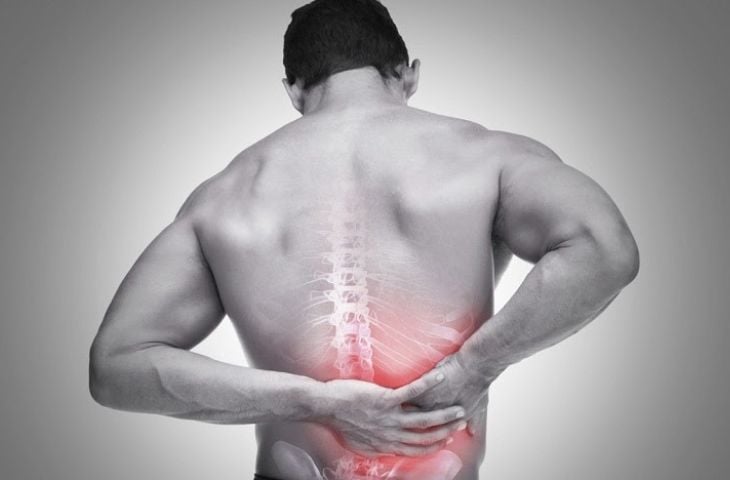
Acute lower back pain is a common condition in modern life.
Acute lower back pain typically presents with characteristic symptoms such as:
- Sudden onset of pain in the lower back
Pain may be localized in the middle of the spine or radiate to both sides.
- A dull or intense pain that worsens with movement.
- Muscle stiffness in the back, limiting bending and twisting movements.
In some cases, the pain may radiate down the buttocks or legs if it involves a nerve.
If the pain lasts for more than 3 months, it is classified as chronic lower back pain. Conversely, if the pain lasts for more than 72 hours without any signs of relief, the patient should see a doctor for an accurate assessment.
Proper treatment for acute lower back pain.
Approximately 90% of acute lower back pain cases are benign and can improve with conservative treatment. However, some cases require special attention if warning signs appear:
- Severe pain that does not subside with rest.
- Numbness and weakness in the legs
- Urinary disorders
- Fever or unexplained weight loss.
This could be a sign of serious medical conditions that require early intervention.
Proper treatment from the outset helps to quickly reduce symptoms and limit the risk of recurrence.
Get adequate rest.
Patients should rest for short periods when pain occurs. However, they should not remain immobile for too long as this can weaken the back muscles. After the pain subsides, they should gradually resume gentle exercise.
Apply heat and take a warm bath.
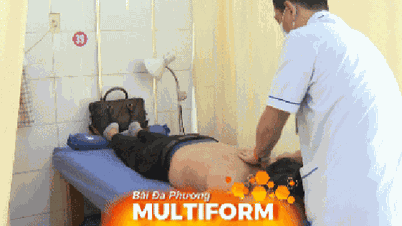
Applying heat helps relax muscles, reduce stiffness, and improve blood circulation in the lower back. This is a simple but effective measure during the acute phase.
Use assistive devices.
Back braces or spinal supports can help reduce pressure on the lower back and maintain proper posture while working. However, these devices should not be used excessively for extended periods.
Take the medication as prescribed.
Patients may be prescribed medications such as painkillers, anti-inflammatory drugs, and muscle relaxants by their doctor. Medication use must follow the doctor's instructions to avoid side effects.
Physiotherapy
Rehabilitation exercises help strengthen back muscles, improve spinal flexibility, and prevent recurrence. This is a safe, effective method that can be applied long-term.
Surgery is only indicated in a few cases, when medical treatment is ineffective or complications arise, such as cauda equina syndrome or severe nerve compression.
Ways to prevent acute lower back pain
Prevention is always better than cure. To reduce the risk of lower back pain, everyone should:
- Adopting a healthy lifestyle: Maintain correct posture; Sit with a straight back and good support; Avoid bending over for too long; When lifting heavy objects, bend your knees instead of bending your back; Exercise regularly...
- Activities such as walking, yoga, and swimming help strengthen back muscles and improve spinal flexibility.
- Weight management: Being overweight increases pressure on the spine, especially the lower back. Maintaining a healthy weight helps reduce the risk of back pain.
- A balanced diet: Include plenty of foods rich in calcium, vitamin D, protein, and fiber. Foods such as beef, goat meat, fish, green vegetables, and fruits are very good for the skeletal system.
In summary: Acute lower back pain is a common but entirely manageable condition if detected and treated correctly. The majority of cases will recover well with conservative treatment and lifestyle changes.
Proactively taking care of your spinal health, maintaining reasonable exercise, and not ignoring any unusual signs are key to effectively preventing this condition and maintaining an active, healthy life.
Source: https://suckhoedoisong.vn/chua-dau-that-lung-dot-ngot-dung-cach-169260409164423292.htm




















![[Video] Sunset at Lap An Lagoon – Where the sun sets over the fishing nets](https://vphoto.vietnam.vn/thumb/340x192/vietnam/resource/IMAGE/2026/05/31/1780192137701_beach-landscape-sea-water-nature-grass-745871-pxhere-com.jpeg)









![[Image] A brilliant symphony and explosive power in the skies of Da Nang.](https://vphoto.vietnam.vn/thumb/1200x675/vietnam/resource/IMAGE/2026/05/31/1780196945787_anh-man-hinh-2026-05-31-luc-10-08-51.png)


































































Comment (0)