

Regarding the capital allocated in the previous year and carried over to 2026, total disbursement reached over 12,588 billion VND, equivalent to 15.7% of the plan. This is not a high level of implementation, requiring more decisive solutions to complete the disbursement of the remaining large portion of the carried-over capital in the coming months.
Eight central ministries and agencies and 16 localities achieved disbursement rates at or above the national average; 27 ministries and agencies and 18 localities had disbursement rates below the national average, and as many as 14 ministries and agencies had almost no disbursement or a rate below 1%.
Thus, compared to the same period in 2025, the disbursement of public investment capital increased by nearly VND 12,616 billion in absolute terms, but the disbursement rate was 1.7% lower. The main reason is that the capital plan for 2026 was allocated at a very high level, increasing by 22.7% compared to the previous year, while the end of April coincided with a long holiday period, which somewhat affected the construction progress and disbursement of many projects.
Overall, the disbursement progress in the first months of 2026 shows that this pace is not yet sufficient to create a significant breakthrough, especially in the context of striving to achieve double-digit economic growth. According to Prime Minister Le Minh Hung, the reasons for the slow disbursement are both subjective and objective, but subjective reasons are the main ones. With the same legal framework and regulatory system, why do some localities disburse funds very quickly and achieve very high rates, while others are very slow, and especially why have some ministries, sectors, and localities not disbursed any funds at all? This is a very serious issue that needs attention," Prime Minister Le Minh Hung emphasized.
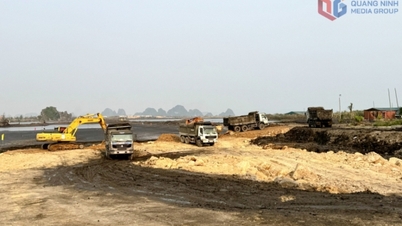
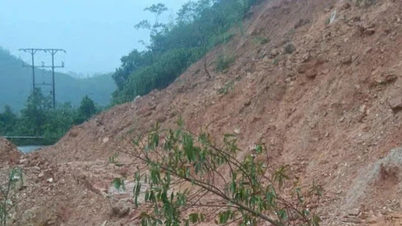
Objective reasons include the scarcity of construction materials such as soil, sand, and stone; slow land clearance due to issues related to determining land ownership, compensation rates, and relocating technical infrastructure. Other reasons include delays in completing investment procedures for many projects due to lengthy appraisal and approval processes, and obstacles in regulations related to land, environment, and planning. The capacity of some investors, project management boards, and contractors is limited; and some localities, especially at the grassroots level, lack specialized personnel for public investment.
In fact, over the past period, mechanisms and policies related to public investment have been reviewed, amended, and supplemented relatively comprehensively, especially important contents that have been adjusted to maximize convenience for project implementation. Specifically, regulations on decentralization and delegation of authority have been further strengthened; bidding and direct contracting procedures have been improved; and capital allocation, payment, and settlement have been enhanced. Issues related to planning, land, and resources have also been reviewed to ensure smooth implementation of public investment projects.
However, why is the disbursement of public investment capital – identified as one of the key political tasks, a macroeconomic management tool, and an important driver of growth – always slow? There is no thorough answer to this question. As Deputy Minister of Finance Nguyen Duc Chi noted, the policy mechanisms and legal system related to public investment have never been as favorable and effective as they are now. Therefore, if implementation fails, it is due to the organizational aspects of the implementation process…
Therefore, the most satisfactory solution to this problem is for ministries, departments, and localities to resolutely and strictly deal with investors, project management boards, organizations, and individuals who intentionally create difficulties, obstruct progress, or show irresponsibility that slows down the allocation, adjustment of capital, project implementation, and disbursement of funds. They should promptly replace incompetent officials who cause harassment and corruption. At the same time, solutions should be implemented to assign and appoint qualified personnel with sufficient expertise to meet the requirements of project management and implementation. Only then will the "bottleneck" in disbursement be resolved.
Source: https://daibieunhandan.vn/chua-tao-but-pha-ro-net-10416171.html

![[Photo] General Secretary and President To Lam presides over a meeting on assessing national development resources.](https://vphoto.vietnam.vn/thumb/1200x675/vietnam/resource/IMAGE/2026/05/20/1779253785852_a1-bnd-2943-8519-jpg.webp)





















































































Comment (0)