

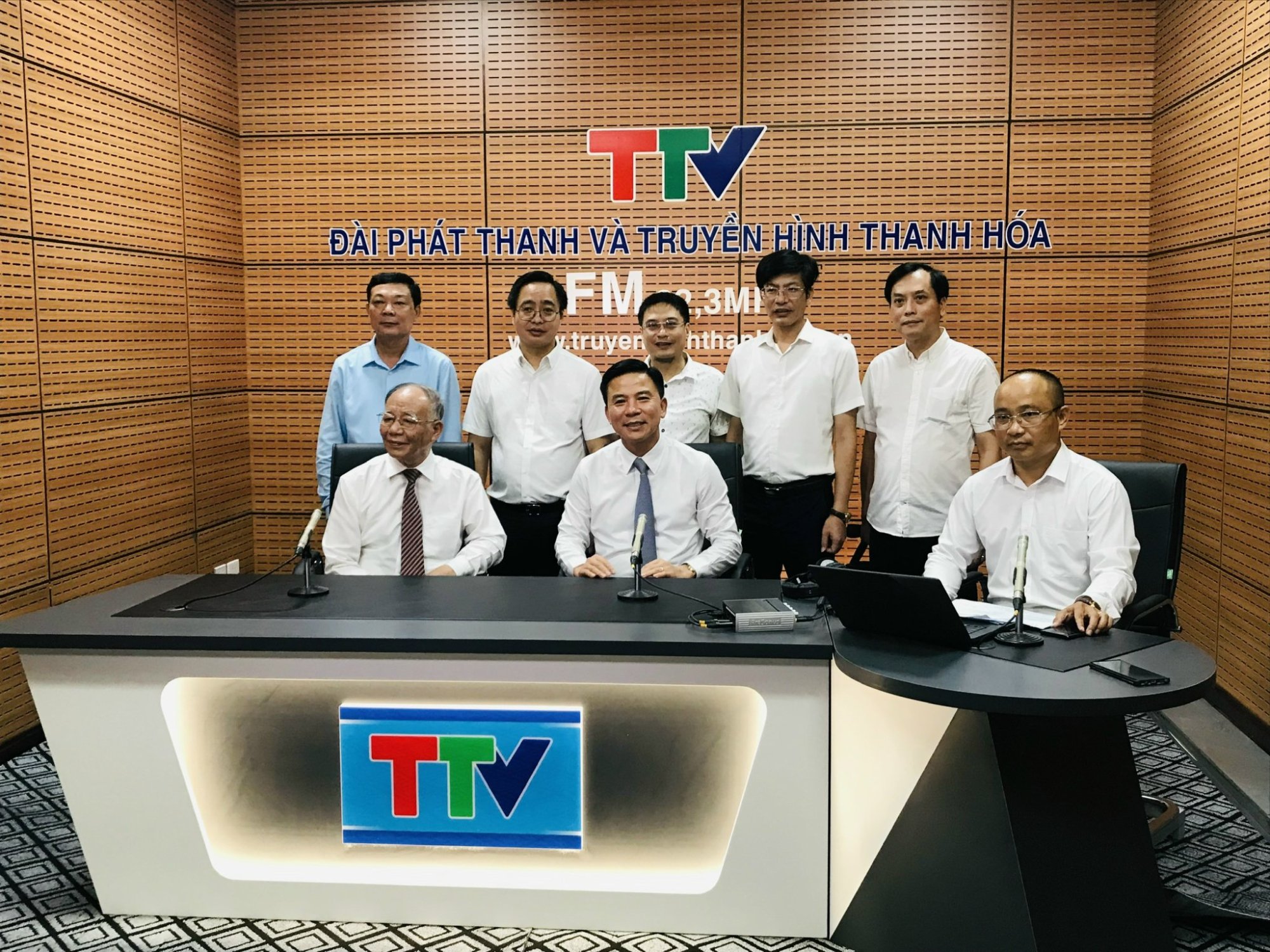
This was the assertion of journalist Pham Van Bau, Chairman of the Thanh Hoa Journalists Association and Director of Thanh Hoa Radio and Television Station, in a conversation with us about the digital transformation at the station. With over 20 years in the profession, journalist Pham Van Bau has held many roles from reporter to manager, and the young leader's biggest concern today is how to effectively keep pace with the digital transformation of journalism.
Digital transformation is arguably the top keyword on the list of strategies for media organizations today. In your opinion, what factors contribute to the success of digital transformation in media organizations?
- Digital transformation in journalism and media is a combination of many factors, but in my opinion, the human element remains the most important because it combines both content and technology, both of which are closely related to people. Media organizations need to clearly understand that changing the mindset in digital transformation is not just about leaders, content departments, or technical departments; everyone must participate. Because digital transformation is not simply about digitizing content and uploading it to digital platforms; it must create a new production process, innovative information products, and even a newsroom culture that is compatible with the digital transformation environment. And to achieve that, the participation of all departments within a media organization is necessary.
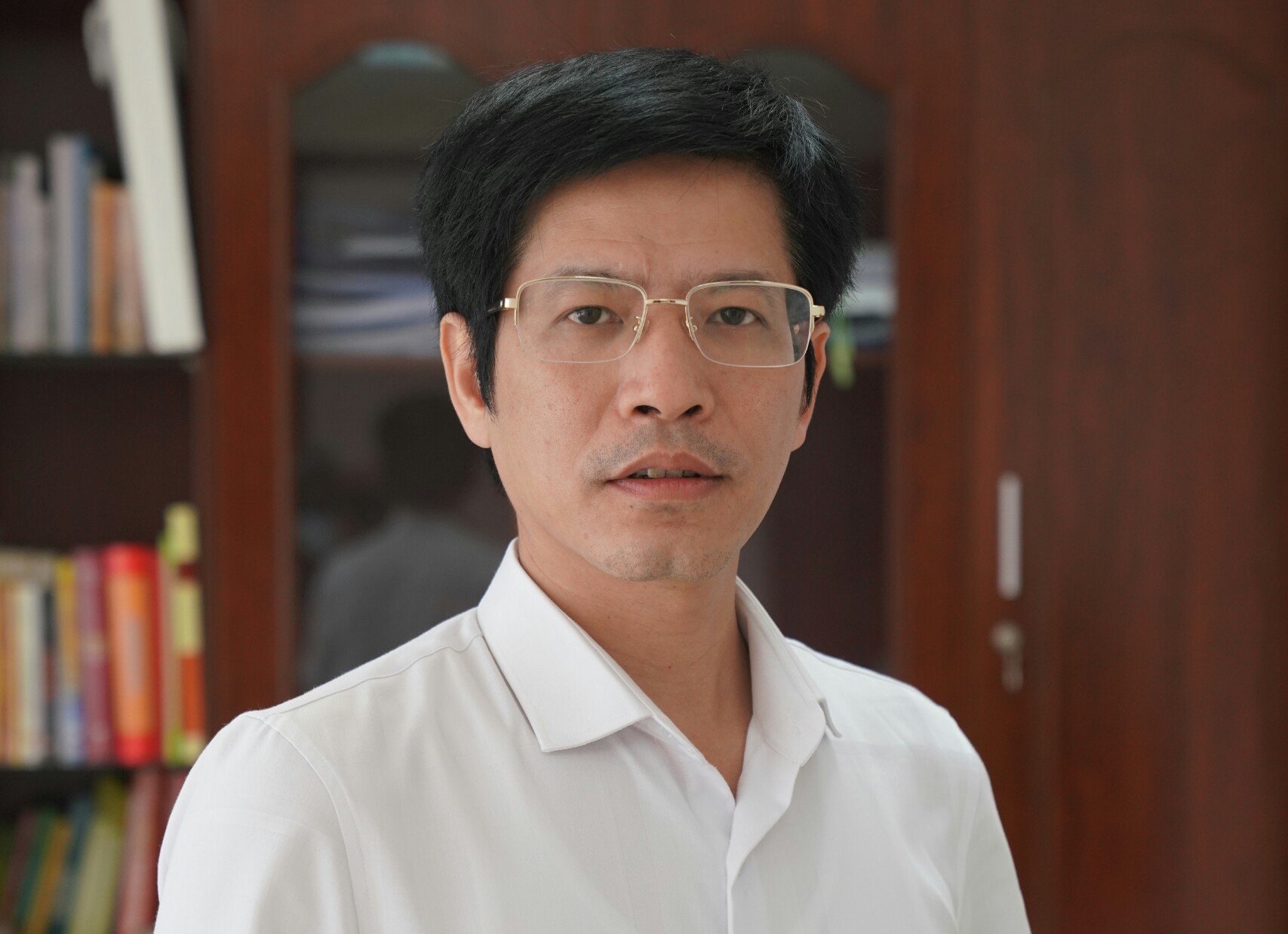
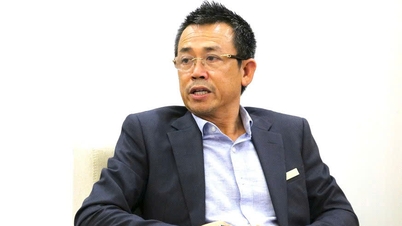
Journalist Pham Van Bau - Chairman of the Thanh Hoa Journalists Association, Director of Thanh Hoa Radio and Television Station.
For media organizations today, successful digital transformation requires a workforce capable of proficiently using digital tools, as well as creating an environment that fosters creativity among journalists and reporters, ensuring they align with the organization's desired development direction.
+ How has Thanh Hoa Radio and Television Station (TTV) realized its digital transformation story, sir?
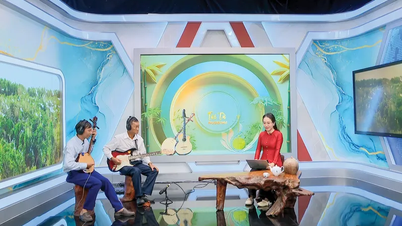
- As the leading media agency of the province, for many years, Thanh Hoa Radio and Television Station has been gradually building the image of a dynamic station, integrating with media in the region and the whole country. Thanh Hoa Radio and Television Station is the only local station in the country with four types of media, including: radio, television, electronic information, propaganda, visual promotion, exhibitions and event organization. In recent years, Thanh Hoa Radio and Television Station has always strived to innovate and better meet the information and entertainment needs of its audience.
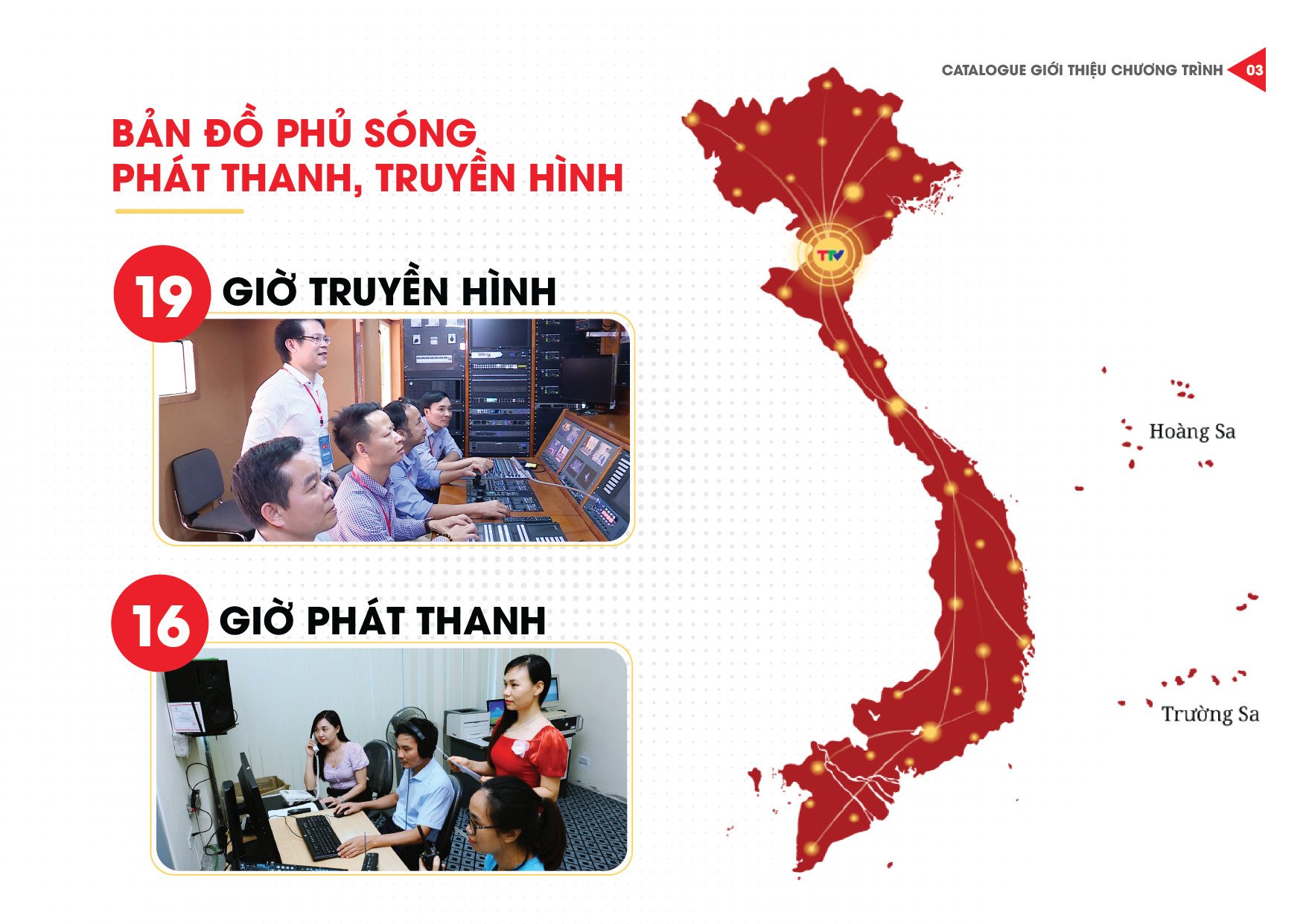
We are gradually adapting to the digital transformation trend by investing in modern technical infrastructure, applying new technologies, and progressively perfecting the TTV ecosystem with FM 92.3 MHz radio and the TTV television channel as the central hub, alongside the Thanh Hoa Television Application, the website, new transmission infrastructure, and social networks, with the criteria of: Authenticity - Responsiveness, to make the TTV brand increasingly loved and chosen by the public with the motto "Where there are viewers, there is TTV" .
To realize that goal, in 2022, we collaborated with internet companies to develop digital content to upgrade the website https://truyenhinhthanhhoa.vn with a modern, user-friendly interface, optimized publishing process, and large capacity, enabling viewers to watch television, listen to radio, and read news on multiple devices.
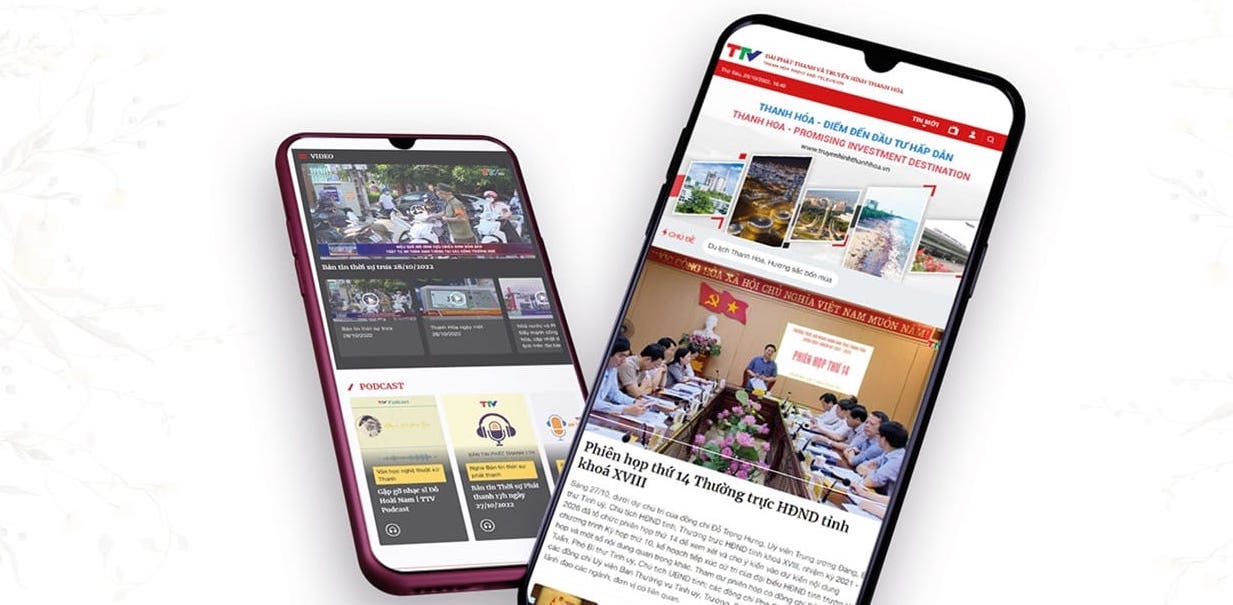
The station's website republishes radio and television programs in multimedia formats. In particular, it features infographics, e-magazines, longform articles, and podcasts, offering new and engaging experiences for TTV readers.
Alongside this, we have also developed the "Thanh Hoa Television" application, compatible with all types of smartphones, tablets, and smart TVs, featuring diverse content that is updated daily. Viewers can watch live television and radio broadcasts, and rewatch or re-listen to their favorite programs directly on their phones, while also receiving notifications when there is new information. Furthermore, we have invested in and developed social media platforms such as Facebook, Zalo, YouTube, and TikTok, in line with current trends.
Currently, Thanh Hoa Radio and Television Station basically has a complete media ecosystem, in line with the development trends of modern journalism and media, creating a foundation for the station's digital transformation process in the future.
+ Sir, on the journey of digital transformation, a local media organization like Thanh Hoa Radio and Television Station must have encountered quite a few difficulties?
- The trend of digital transformation is posing significant challenges for media organizations, especially local media outlets like Thanh Hoa Radio and Television Station. When implementing the model and operating methods after the National Plan for the Development and Management of the Press until 2025, media organizations face many difficulties, particularly in organizational restructuring and media economics , and must achieve financial self-sufficiency in a context of increasingly fierce competition for information among various media platforms.
Nowadays, more and more individuals and businesses are producing their own radio and television programs and providing them on internet transmission platforms via websites, applications, and social networks. As a result, advertising revenue has decreased sharply due to economic difficulties and the strong shift towards new media platforms.
The shift in how readers, listeners, and viewers access information from passive to active, and the rapid and dominant trend of technology guiding and directing users, requires media organizations to have sound strategies and operate and manage their activities according to new models (multi-platform, increased interactivity, etc.) in order to meet audience needs.
In this context, financial resources, human resource quality, and technological equipment are still limited. This situation demands that leaders of local media organizations develop specific strategies and proactively implement measures to change perceptions, approaches, and work processes, with particular attention paid to training in digital transformation for journalism.
During the digital transformation process, the main difficulties faced by Thanh Hoa Radio and Television Station are funding, human resources, and equipment. Currently, Thanh Hoa Station has to be self-sufficient in terms of operating expenses while advertising revenue has decreased significantly, leading to a lack of funds to invest in modern and synchronized equipment and technology.
While the workforce is large in quantity, its quality is limited, lacking high-quality personnel, especially journalists skilled in creating digital content. Therefore, time is needed to train, develop, and improve the quality of the workforce.
Currently, many journalists use social media to promote their articles and express their roles and opinions in society. However, many journalists do not understand the true role of social media. What are your thoughts on this situation?
- Along with the development of digital transformation, social media is considered a highly influential information channel, capable of disseminating information the furthest, widest, and fastest possible. As an open information platform, alongside its undeniable advantages, social media also has many dangerous downsides. These include the easy dissemination of fabricated and unverified information on social media sites.
Journalists, due to their unique profession, are also considered to have a wide-ranging influence on society. Currently, most modern journalists use social media. Beyond personal entertainment, the majority of journalists view it as a channel for receiving information, even a rich and diverse source of information covering all aspects of social life. Even comments from social media users can provide useful suggestions for a more multifaceted perspective.
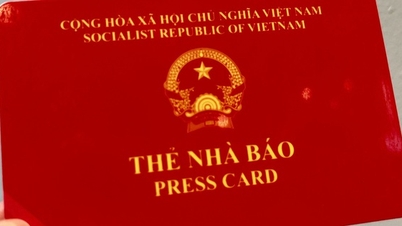
Furthermore, social media helps disseminate and promote information and journalistic works widely through its posting, sharing, and interaction features. However, the reality is that recently, some journalists have expressed negative personal opinions and made inappropriate statements on social media, causing public confusion. In particular, some information has steered public opinion in a negative direction, portraying society as rife with injustice, thus leading to a lack of faith in life. Some journalists have had their press cards revoked by the Ministry of Information and Communications because of statements they posted and shared on Facebook. This is truly regrettable.
We must recognize that journalism is also about culture, and therefore demands even higher standards of exemplary conduct, voluntariness, self-awareness, and adherence to cultural and ethical norms from those working in the profession. This includes preserving the purity of the Vietnamese language, avoiding slang and offensive or vulgar language online, as well as being mindful when sharing information on personal pages and preventing the spread of inaccurate or unverified information.
With issues of public concern, journalists need to be even more cautious when speaking on social media, avoiding offensive behavior during debates stemming from differing opinions; they should not use social media to incite public attacks against individuals or groups to resolve personal conflicts. Furthermore, they need to be mindful of spreading positive messages and inspiring stories that occur in daily life, thereby amplifying meaningful actions throughout society.
Vietnamese journalists are living and working in a multi-dimensional, borderless, and limitless information world. In this world, social media is increasingly widespread and asserting its "power." Therefore, journalists need to cultivate ethics and integrity, constantly supplementing and improving their knowledge and cultural conduct when using social media.
On December 16, 2016, the Vietnam Journalists Association issued 10 regulations on professional ethics for Vietnamese journalists. These regulations clearly outline what should and should not be done. These ethical guidelines represent a concentrated expression of culturally appropriate behavior within media organizations, thereby guiding the practice of journalistic culture. Each media organization needs to build a cultural environment within its workplace. This contributes to promoting positive values and strengthening the resilience of journalists against negative influences from the outside world.
Clearly, journalists, in addition to complying with the Press Law, are also citizens who must abide by legal regulations, especially those related to the use of social media. If ordinary citizens spread false information on social media, the consequences may be minor, but if journalists spread false information, the consequences can be very significant. Therefore, every journalist needs to constantly improve their sense of social responsibility, uphold professional ethics, fight against those who engage in wrongdoing, and fulfill their role and responsibilities on social media.
Thank you very much, sir! We wish TTV continued success in its digital transformation journey.
Ha Anh (Editor)
Source

![[Photo] Prime Minister Pham Minh Chinh presides over a meeting on private sector economic development.](/_next/image?url=https%3A%2F%2Fvphoto.vietnam.vn%2Fthumb%2F1200x675%2Fvietnam%2Fresource%2FIMAGE%2F2025%2F12%2F20%2F1766237501876_thiet-ke-chua-co-ten-40-png.webp&w=3840&q=75)

























































Comment (0)