

Why are oysters risky?
Oysters are the natural filters of the sea. They obtain nutrients by pumping water through their digestive system. In the process, they filter harmful substances out of the water.
That filtering process makes eating oysters dangerous for humans because harmful bacteria, viruses, or other pathogens can accumulate in the oyster tissues. If you eat raw or undercooked oysters, those pathogens can be transmitted to you.
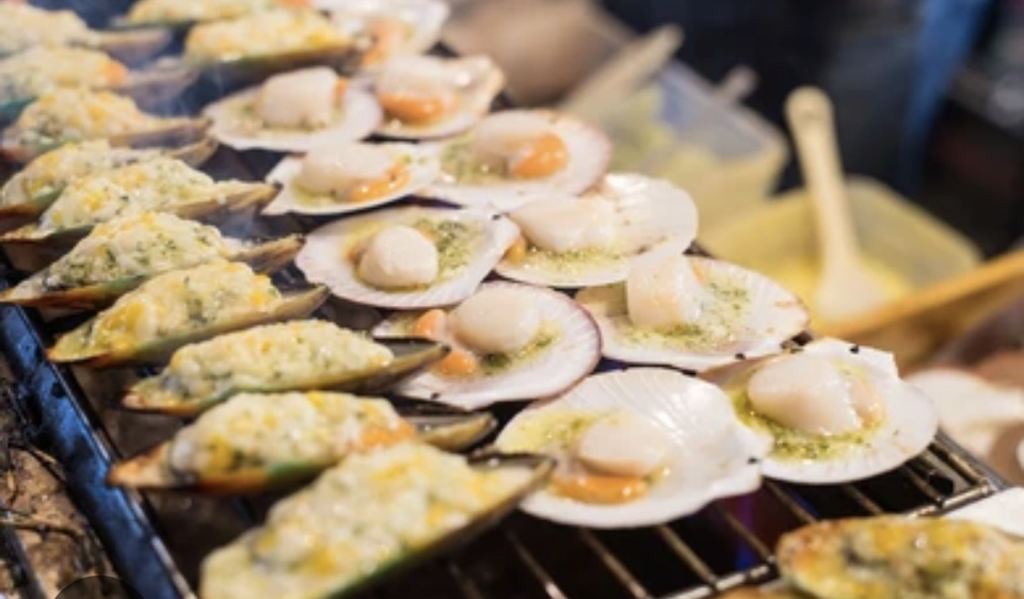
Oysters should be cooked thoroughly before eating to avoid foodborne illnesses.
Vibrio bacteria and raw oysters
Recently, a man in the US died after eating raw oysters, possibly due to the bacterium Vibrio vulnificus.
Vibrio vulnificus infection can cause symptoms such as nausea, vomiting, abdominal pain, fever, and chills. In severe cases, such as when fluid from raw oysters comes into contact with an open wound, it can cause serious flesh-eating infections. However, death from Vibrio vulnificus infection is quite rare.
The best way to eat oysters safely.
Dr. Mary Ellen Phipps, a registered dietitian and founder of Milk & Honey Nutrition (USA), explains: Eating raw oysters poses a risk of foodborne illness, and there is no way to detect which oysters carry disease-causing bacteria.
According to Dr. Phipps, the only way to reduce the risk of illness is to cook oysters to 63 degrees Celsius before eating them, according to Verywell Health.
Oysters that have opened their shells should be discarded before cooking. Oysters in their shells can be boiled or steamed until they open. Shucked oysters should be grilled or boiled for at least 3 minutes to ensure they reach the proper temperature.
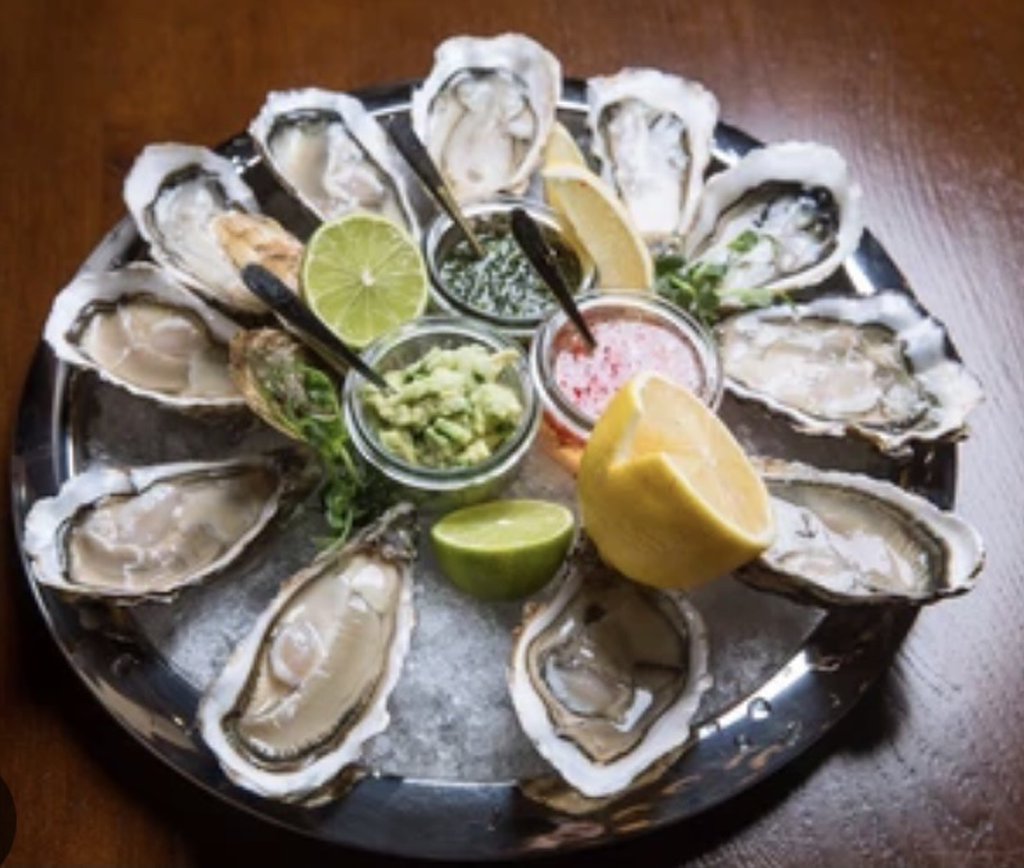
Spicy or acidic seasonings like mustard, chili sauce, and lime juice cannot completely eliminate the bacteria and viruses that cause disease from oysters.
Is it safe to eat raw oysters?
Dr. Phipps warns that all the "tricks" for eating raw oysters – such as adding hot sauce, lemon juice, or alcohol – do not kill the Vibrio vulnificus bacteria.
Spicy or acidic condiments like mustard, chili sauce, lime juice, vinegar, and alcohol cannot completely eliminate the bacteria and viruses that cause disease from oysters.
According to nutritionist Toby Amidor, a food safety consultant based in New York, some people should avoid raw oysters altogether, including the elderly, children under 6 years old, pregnant and breastfeeding women, people taking medication, and those with sensitive guts or weakened immune systems, according to Verywell Health.
Source link



































































































Comment (0)