

 |
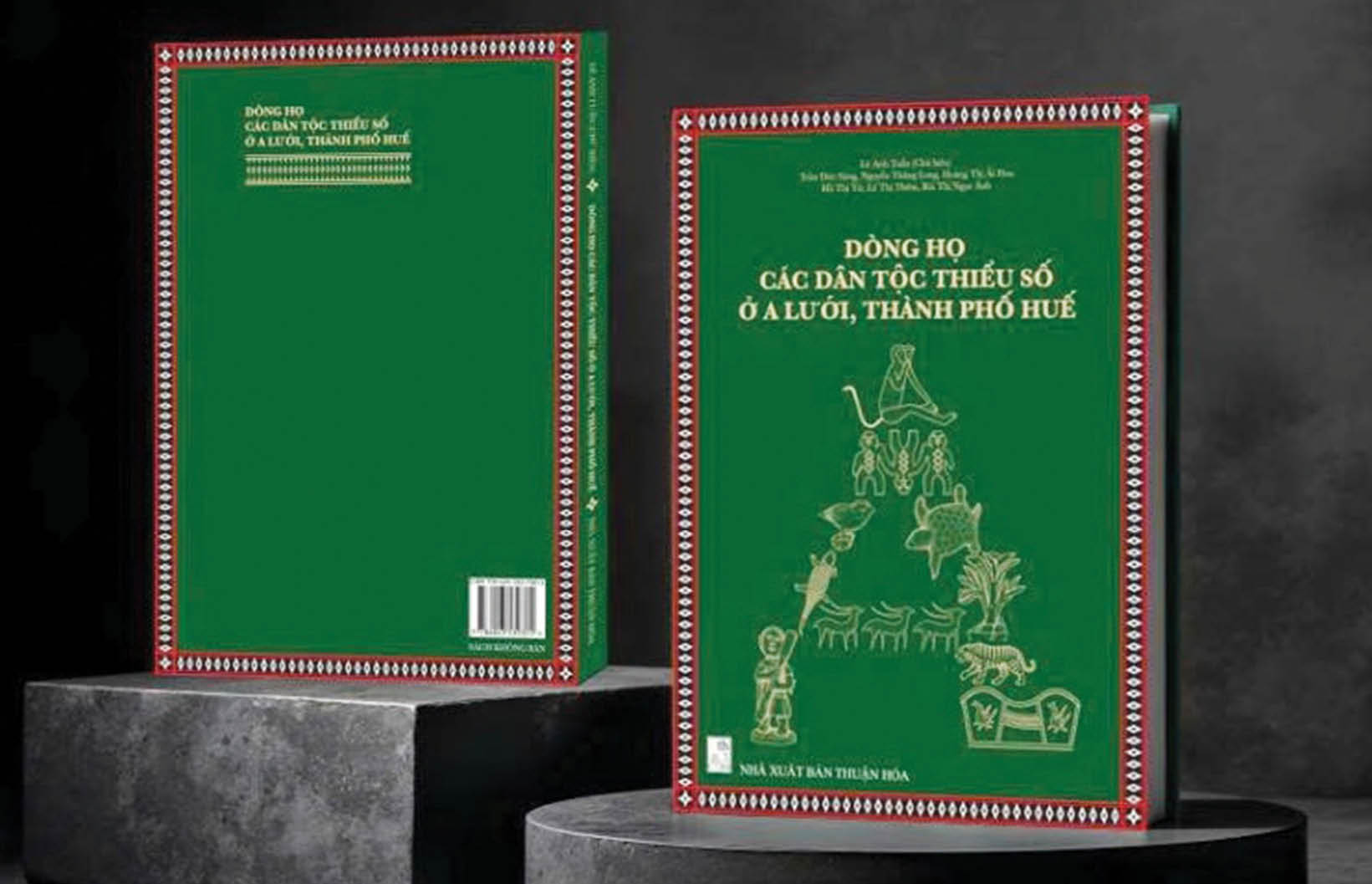
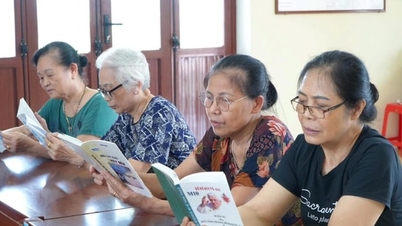
| The book "Clans of Ethnic Minorities in A Lưới, Hue City" (Thuan Hoa Publishing House) |
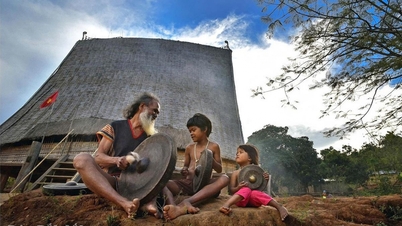
Delving into each page, the stories of the lineages, encompassing knowledge of history, beliefs, and the spiritual life and lifestyle of the Ta Oi, Pa Co, and Co Tu people, captivate the reader. Following each narrative reveals surprising and interesting details, bridging the past with the present, bringing what seemed to exist only in the memories of the elderly closer to the younger generation and those interested.
It's difficult to recount all those stories, but we can find a "common denominator" in the identity of the ethnic groups in A Lưới. For example, the Ra Pát clan of the Ta Oi people with their story of taboo. Long ago, a young man went into the forest to check his traps and accidentally came across an area with many A Pát trees. When he returned home, his whole body was covered in an allergic reaction, itching, and burning pain. He asked the village elder and was told that the A Pát tree was the cause. From then on, the young man vowed never to set foot in the forest with A Pát trees again, never to look at them again. And to remember and remind his relatives and descendants, he adopted A Pát as his surname and called himself Ra Pát. This clan avoids touching the A Pát tree.
Then we will also encounter stories of human kindness and mutual support when speaking of the A Dier clan of the Pa Co people. The story goes that long ago, there was a diligent and kind-hearted Kinh man who was orphaned and had no relatives. One day, he was trading rattan when he met men from the A Deeng clan – Pa Co people who had come down to the lowlands to sell rattan. Seeing the Pa Co people's gentle, honest, and lovable nature, the young man asked to be adopted into their village. Out of compassion for the young man's fate, the A Deeng people agreed. According to custom, although he was accepted as an adopted son, because he was from a different land, he had to change his surname. Therefore, the head of the A Deeng clan gave him the new surname A Dier to distinguish him. This young man was also married to a daughter of the A Deeng clan. Later, due to the exchange of clans, the descendants of these two clans did not intermarry.
Through fieldwork, research into contemporary figures, and study of historical documents, the authors of this book have presented numerous pieces of evidence and explanations, offering one surprise after another. Delving into each lineage of the Ta Oi people, we encounter stories about the origins of their names and totemistic beliefs related to animals, plants, and objects such as dogs, squirrels, bees, wild boars, birds, lizards, tree roots, the uoi fruit, and the mulberry fruit… In addition, some legends also appear with totemistic origins in place names, reflecting states of activity, psychology, and emotion.
As for the stories about the Pa Kô clans, they have their own unique characteristics, different from the approximately 30 original and branch clans. Most of these stories reflect the population size, names, and especially the stories about the origin of the totem and the taboos and prohibitions. For example, the A Deeng clan worships the A Deeng tree, believing it is thanks to it that they survive; the Kate clan avoids laziness, reminding people of the need for diligence in life…
Meanwhile, the Co Tu ethnic group currently comprises about 15 clans. Among them, the collected stories, origins of totems, and names include: A Rel, A Moong, A Rat, Go Ning, Rieyh, Pal Loong, Ra Pat, A Vo/A Vo, and Pe Hoih. The Co Tu clans in A Luoi are communities that migrated from the mountainous regions of Quang Nam (now Da Nang ) a long time ago, thus retaining many characteristics in their names associated with taboos related to animals, plants, and objects such as the gibbon (A Vo), the monkey (A Va), the golden crab (A Ting), the dog (Zo Ram), and the A Lang tree (A Lang)... The stories about the Co Tu clans in A Luoi mainly explain the origins and legends of their totems, names, and the need to adhere to religious taboos and prohibitions related to these totems.
Each story is like an important piece of the puzzle that creates a rich and distinctive portrait of each ethnic group, helping not only future generations but also readers to better understand their customs, beliefs, and way of life. They also contain moral lessons about the relationships between people, between people and nature, humane behavior within the community, and life experiences passed down from generation to generation.
The team behind this book consists of experts from the Central Vietnam Branch of the Institute of Culture, Arts, Sports and Tourism, in collaboration with the former A Lưới District Department of Culture, Science and Information. The work demonstrates that the clans and cultural traditions of the Ta Oi, Pa Co, and Co Tu ethnic groups play a crucial role in the socio -economic development of A Lưới, acting as key elements in creating the internal strength of the village community through the roles of clan leaders, village elders, and other respected individuals.
The book also points out the impact of many subjective and objective factors that have led to changes in surnames, creating significant variations in the lineage system of the Ta Oi, Pa Co, Co Tu... The current process of transformation of traditional lineages in A Luoi is taking place in many trends and is quite complex, leading to many difficulties and obstacles in administrative procedures in the work, education, and policy implementation for the people.
Source: https://huengaynay.vn/van-hoa-nghe-thuat/chuyen-ve-dong-ho-cac-dan-toc-oa-luoi-160638.html















































































Comment (0)