

 |
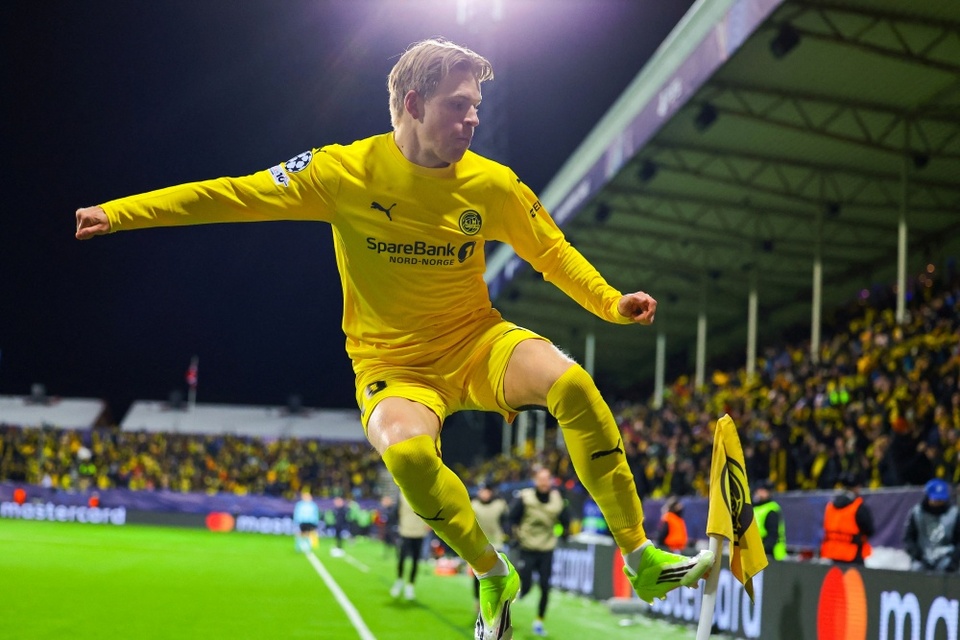
Bodo/Glimt built a sustainable system to consistently defeat European giants. |
When Jose Mourinho led AS Roma north to the Arctic Circle to face Bodo/Glimt in 2021, few imagined it would be a historic night. Roma had just won the Europa Conference League. Their squad was worth around £180 million, while Bodø's squad was only worth about £15 million.
The result was 6-1 in favor of the Norwegian team. Mourinho called it the worst defeat of his coaching career.
But that wasn't just a temporary shock.
Bodø then went on to defeat Porto, Braga, Manchester City, and Atletico Madrid. They reached the semi-finals of the Europa League and are currently in the Champions League play-offs for the 2025/26 season – where Bodø caused a sensation by beating Inter Milan 3-1 in the first leg. All this from a city of only 55,000 inhabitants, smaller than Celtic Park.
The question is no longer "how lucky were they?". The question is "how did they build it?".
The turning point of 2012: When identity was put on the negotiating table.
In 2012, Bodø/Glimt was still just a team "promoted and relegated" between Norway's two top leagues. It lacked a clear identity, a solid foundation, and a long-term strategy.
The leadership then decided to sit down and write a concrete strategic plan. Not a slogan. Not a vague statement. They defined three clear directions: cultural identity, financial sustainability, and professional excellence.
The first step is to focus on talent in Northern Norway. This has historical significance.
Before the 1970s, Northern Norwegian clubs were banned from participating in the national cup and the first division. Discrimination was openly practiced. When the ban was lifted, Bodø became a symbol of Northern pride.
They see themselves as the "keepers of cultural flame" for the three counties of Nordland, Troms, and Finnmark, which occupy a large part of mainland Norway.
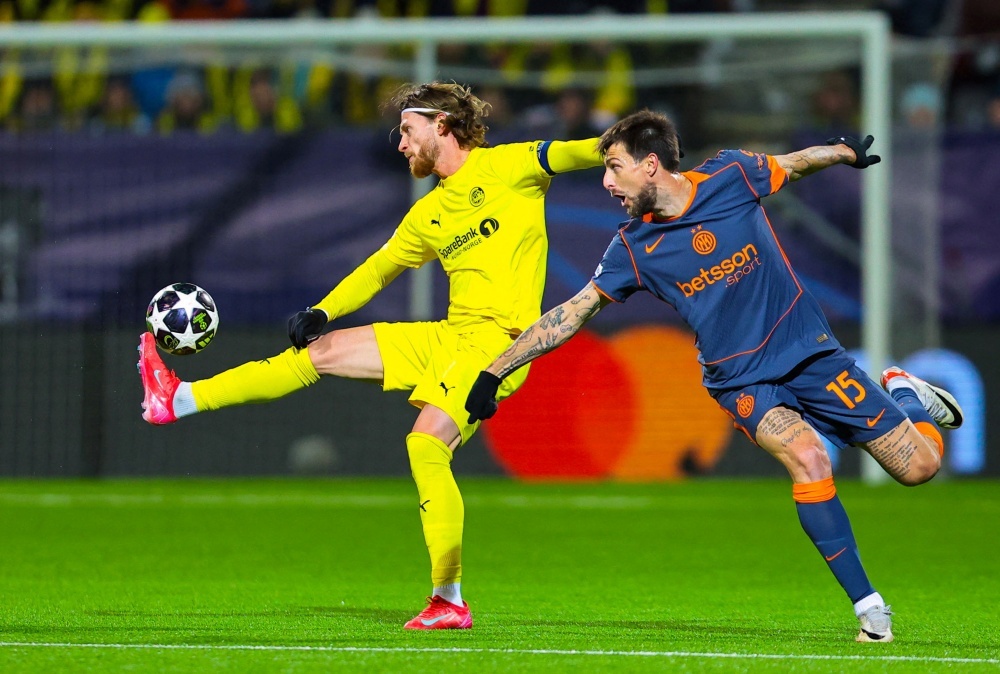 |
Many smaller clubs train players to sell them, then live off transfer fees. Bodø does the opposite. |
Currently, 15% of the city's population attends each match. That's comparable to the attendance rates of Leeds United or Newcastle United. For a city located within the Arctic Circle, that's a rare level of community engagement.
The club tracks the Northern Norwegian player's playing time at around 35%. But they don't make that a rigid quota. The management understands Goodhart's Law: when a metric becomes a mandatory target, it loses its meaning.
They prioritize developing people first, then developing players. When the identity is strong enough, the proportion of local players naturally increases.
The next step is financial.
Many smaller clubs develop players to sell, then live off transfer fees. Bodø does the opposite. They focus on European success to earn prize money. Then they reinvest that revenue.
UEFA campaigns bring in over 20 million euros annually. In the 2023/24 season, they spent more than they earned from selling players. This shows that the team is no longer a club that has to sell players to survive.
A budget of 4.2 million euros in 2017 has increased to a revenue of 60 million euros in 2024. The management asserts that they possess the strongest financial foundation in Norway.
The Arctic Arena stadium is being built using funds accumulated from past achievements. No borrowing is being used to gamble on the future.
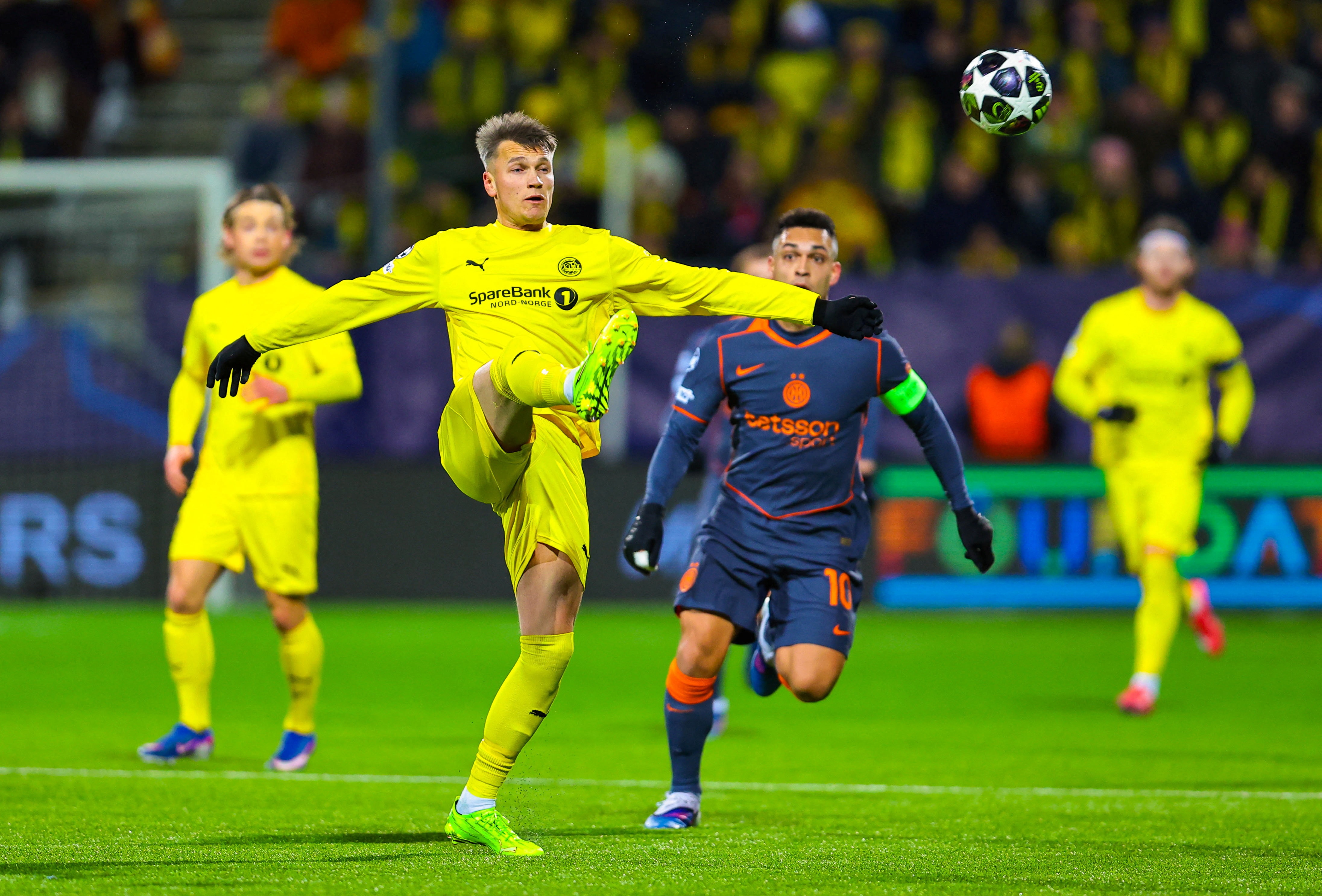 |
For Bodø, winning is a consequence, not the sole objective. |
Ultimately, expertise becomes the deciding factor. For Bodø, victory is a consequence, not the sole objective. They focus on the process. Coach Kjetil Knutsen is renowned for his philosophy of "living in the present." He doesn't look beyond the next training session.
The club even hired Bjørn Mannsverk, a former fighter pilot, as a psychologist. He didn't come from a football background. His philosophy was clear: winning or losing wasn't as important as adhering to the team's overall philosophy.
That consistency helped Bodø maintain their competitiveness for the title and European qualification for six consecutive years.
Synchronization systems are not magic.
What sets Bodø apart is its synchronization.
Culture drives recruitment. Recruitment serves development. Development creates achievement. Achievement generates revenue. Revenue protects the culture.
They built an internal data platform to support scouting. But the deciding factor remains fit with the team's identity. A talented player who doesn't fit in will not be selected.
The "boomerang" phenomenon has emerged. Patrick Berg once left and then returned. Many players understand that the greatest value lies in the environment.
Six consecutive years of European cup participation have provided a stable source of revenue. This revenue has allowed the club to avoid selling key players mid-season. They can be patient.
This system works because all the pieces fit together. If one pillar is missing, the structure will wobble.
Bodø doesn't rely on a genius. It doesn't rely on the climate. It doesn't rely on artificial turf. They rely on their organizational structure.
From Roma's 1-6 defeat to their victories against the big teams, Bodø/Glimt didn't work miracles. They created a pattern.
And that model, at this moment, is causing all of Europe to look towards the Arctic.
Source: https://znews.vn/clb-55000-dan-lam-dieu-ca-chau-au-khong-ngo-toi-post1629766.html



![[Photo] General Secretary and President To Lam presides over a meeting on preparations for the review of one year of operation of the three-tiered government system.](https://vphoto.vietnam.vn/thumb/1200x675/vietnam/resource/IMAGE/2026/06/02/1780391821195_a1-bnd-4595-9717-jpg.webp)
















































































Comment (0)