

Opportunities for collaboration
Vietnam and Canada are both members of the Comprehensive and Progressive Trans -Pacific Partnership (CPTPP). Through commitments on tariff reductions, market opening, and procedural reforms, many key export sectors of both countries have more opportunities to access partner markets, contributing to promoting import and export growth in a substantive and sustainable manner.
In recent years, trade relations between Vietnam and Canada have continuously expanded in both scale and depth. Vietnam is currently Canada's seventh largest trading partner and the leading ASEAN country, accounting for nearly 45% of Canada's total imports from the region. In 2024, bilateral trade reached approximately US$7.2 billion, with Vietnam exporting over US$6.3 billion to Canada and importing nearly US$0.8 billion from Canada. Vietnam's main export items include textiles, footwear, wood and wood products, seafood, coffee, electronic components, machinery and equipment, etc. Conversely, Canada is a reliable source of high-tech agricultural products, processed foods, fertilizers, and industrial raw materials.
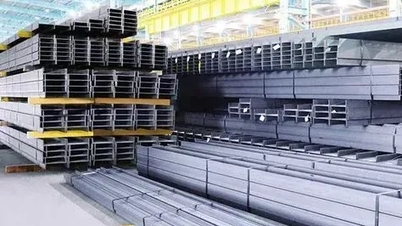
In Can Tho City, there are 2 FDI projects with investment capital from Canada, totaling approximately USD 1,230,769; 1 project from ODA funding of CAD 4,267,289; and 1 project from NGO funding of CAD 896,667. In the first six months of 2025, the value of goods exported to Canada was USD 27.01 million, mainly seafood, agricultural products and processed agricultural products, garments, steel, and some other items (paper, etc.); the value of imports was USD 0.68 million, mainly paper.
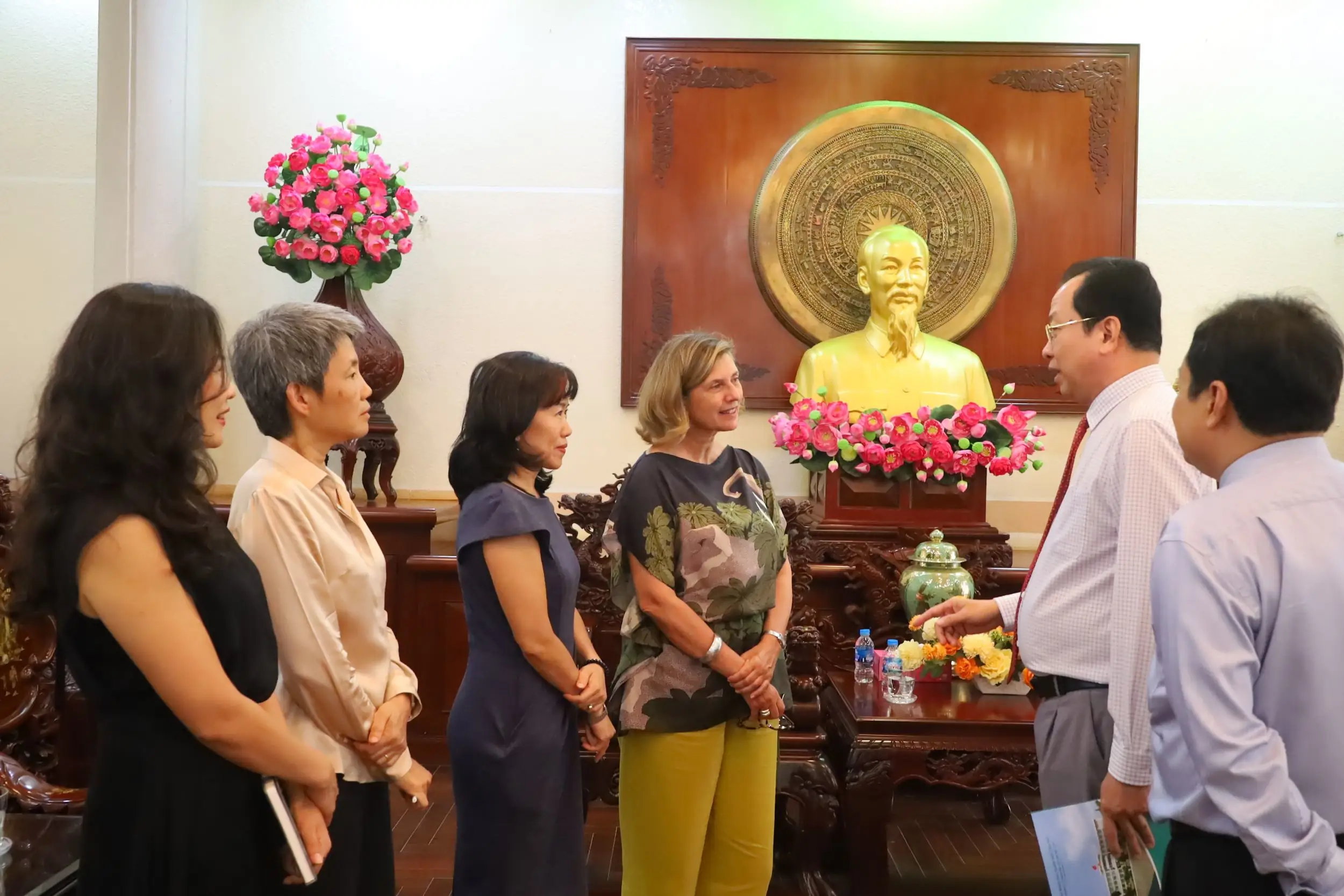
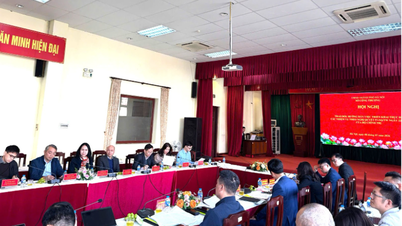
Mr. Vuong Quoc Nam (second from the right), Vice Chairman of the People's Committee of Can Tho City, exchanges views with Ms. Francesca Bellone (third from the right) and representatives from UNDP and Oxfam during a working session in Can Tho City.
Ms. Francesca Bellone, Head of Cooperation at the Canadian Embassy in Vietnam, remarked that Can Tho is a unique city with a diverse ethnic culture and great potential for economic development, and expressed confidence that the city will be a model of modern economic development in the future.
Alongside economic development cooperation, through various organizations, the Canadian government also provides financial and professional support programs for livelihood projects in many countries, including Vietnam, to increase income and improve the lives of communities. In Can Tho City, through various organizations, Canada implements four projects: the Vietnam Coastal Community Climate Change Smart Community (VCSCC) project; the Technical Support project aimed at building capacity to implement climate change mitigation plans and mobilize sustainable financing for forest protection and development, including a high-quality forest carbon market (C4G); the Green Rice Sector project: a gender-equivalent and low-carbon rice value chain in Vietnam (GORice); and the project to enhance access to vocational training and skills for ethnic minority and disadvantaged women (SIATS).
Towards sustainable development
Projects implemented in Can Tho City aim towards sustainable development. Specifically, the VCSCC Project, a project implemented by the Department of Agriculture and Environment in collaboration with the Canadian Government through the United Nations Development Programme (UNDP), was approved by the People's Committee of Soc Trang Province (formerly) in Decision No. 3154/QD-UBND dated December 10, 2024. The project's expected outcomes are to improve the effectiveness of the government and coastal communities in Vietnam, especially women, in applying gender-responsive climate change information and risk-based planning to adapt to climate change; and to enhance the effectiveness and leadership capacity of women-led organizations and women in initiating nature-based solutions for sustainable marine economic development and livelihoods. To enhance the effectiveness of governments and nature-dependent communities, particularly women-led organizations (WLOs), while restoring marine and coastal ecosystems to conserve biodiversity and address climate change in coastal areas.
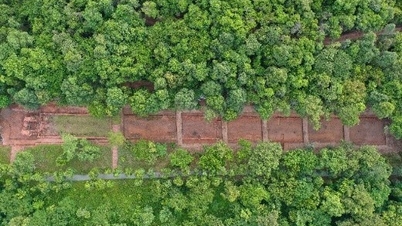
The C4G project, implemented through the CARE organization, was authorized by the People's Committee of Ho Chi Minh City under Decision No. 965/QD-UBND dated August 25, 2025. The project is expected to be implemented from 2025 to 2028. The project aims to enhance the capacity of local authorities, communities, and businesses in implementing national priorities on adapting to and mitigating the impacts of climate change, through forest protection and development, and to enable them to participate in the carbon market when the Government permits.
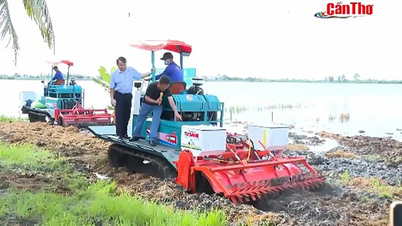
Through Oxfam, Canada is funding the GORice project, which is currently preparing project documents for submission to the People's Committee of Can Tho City for approval. The project is expected to be implemented from 2025-2030. GORice aims to contribute to the project of cultivating 1 million hectares of high-quality, low-emission rice in the Mekong Delta. Expected outcomes include strengthening rice production and business practices in line with climate-smart, low-emission agriculture and access to carbon markets; enhancing the leadership capacity and decision-making power of women and ethnic minorities participating in smart agriculture; consolidating cooperation among stakeholders at the national and provincial levels; and developing inclusive policy frameworks for CSRP and preparing for the development of future carbon projects.
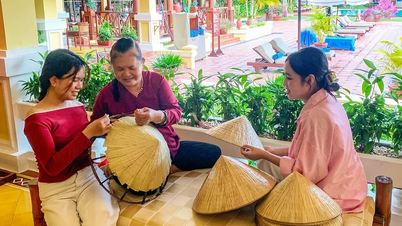
Regarding the SIATS project, the Can Tho City Women's Union held a meeting with Oxfam and received approval from the City People's Committee, which assigned the Union to continue implementing the project. The overall goal of the project is to improve access to vocational education for ethnic minority women and women in difficult circumstances in Vietnam, thereby enhancing their employment opportunities in green, sustainable economic sectors. Oxfam is also preparing documents to submit to the Can Tho City People's Committee for approval. The project is expected to be implemented from 2025 to 2029.
Mr. Vuong Quoc Nam, Vice Chairman of the People's Committee of Can Tho City, said that Can Tho City is entering a new phase of development with the official completion of the administrative reorganization. The merger of three localities (Can Tho City, Soc Trang Province, and Hau Giang Province) not only expands the population and development space but also combines economic potential, resources, and strategic location. The new Can Tho City is now well-equipped and ready to welcome domestic and foreign investors to cooperate in diverse fields. The city is committed to closely coordinating with partners to effectively implement projects, contributing to promoting green agriculture, gender equality, sustainable livelihoods, and enhancing climate change adaptation in the Mekong Delta.
Text and photos: KHANH NAM
Source: https://baocantho.com.vn/co-hoi-mo-rong-hop-tac-voi-canada-a190959.html

















































Comment (0)