

I've read a lot of information that shrimp shells contain a lot of calcium, so I always try to eat them all. But sometimes I wonder if it's okay to eat shrimp shells? (Hoang, 40 years old, Hanoi )
Reply:
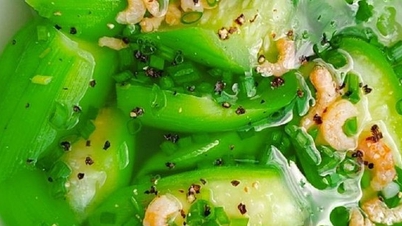
Many people don't know whether shrimp shells or shrimp meat contain more calcium. Quite a few people dislike shrimp shells but still try to eat them because they believe the calcium is mainly concentrated in that part. Some parents even force their young children to eat shrimp with the shells on, hoping their children will grow taller by ingesting more calcium.
In reality, shrimp shells don't contain as much calcium as we mistakenly believe. Shrimp shells are mainly composed of chitin, a substance that makes up the shells of many animals – a substance that is often difficult to digest. This is one of the reasons you shouldn't eat shrimp shells if you have digestive problems, especially if you are sick. For young children, eating too many shrimp shells can cause discomfort, potentially affecting absorption, and increasing the risk of choking and loss of appetite.
Shrimp is rich in calcium. This calcium is mainly found in the meat, legs, and claws of the shrimp. This is organic calcium, which is good for the body. Shrimp meat is not only a valuable source of calcium but also has a high content of vitamin D. Shrimp is also rich in magnesium and phosphorus in a balanced ratio, so the calcium in shrimp meat is more easily absorbed by the body.
In general, when eating shrimp, it's best to eat only the meat and avoid the shell.
Assoc. Prof. Dr. Nguyen Duy Thinh
Former lecturer at the Institute of Biotechnology and Food, Hanoi University of Science and Technology.
Source link




































































































Comment (0)