

I find that taking a hot bath helps me sleep better and relax, but would taking a bath late at night when it's cold affect my health? (Tung, 27 years old, Hanoi ).
Reply:
At night, the body slows down its metabolism, muscle tone, and contractions of the heart, blood vessels, and digestive tract to rest. Taking a late-night shower will disrupt the body's normal circadian rhythm.
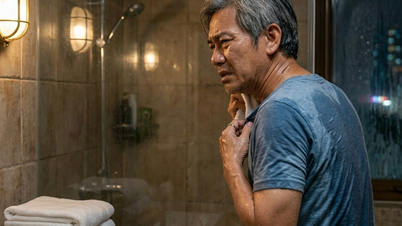
As night falls, the weather gets colder, creating a significant temperature difference between the environment and the body. Taking a hot shower, followed by the evaporation of hot water, further depletes the body's heat, making it susceptible to catching a cold. When heat is lost, the body constricts blood vessels to retain heat, causing blood pressure to rise and blood vessels to constrict. Showering at night can worsen chronic respiratory conditions such as chronic bronchitis and asthma, increasing the risk of stroke and heart attack.
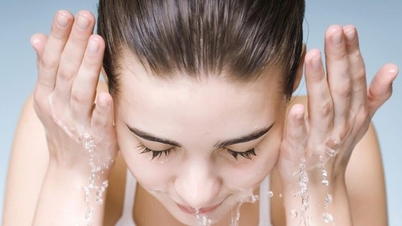
For skin and hair, showering at night with hot water dries out the skin, makes hair more prone to falling out, and can lead to fungal infections. Showering at night can also worsen irritable bowel syndrome or increase gastric acid secretion, causing epigastric pain.
To ensure safety, you should shower before 8 PM. Avoid showering at night or early in the morning as it can easily lead to strokes or other cardiovascular events. You should shower from the neck down first, allowing your hands and feet to get used to the water, then wash your hair. The shower time should only be about 10 minutes, not too long. The water temperature should not be too hot, as this dissolves the natural oils and dries out the skin, nor too cold, as this constricts blood vessels and is not good for the circulatory system. The ideal temperature is around 40 degrees Celsius.
After showering, you can shampoo your hair for 5 to 7 minutes; avoid soaking it for too long.
Do not shower when you are too hungry, too full, drunk, tired, or immediately after waking up. Avoid showering in areas that are too cold or windy. Dry your body and hair thoroughly and dress warmly to keep yourself warm after showering. Do not shower immediately after strenuous exercise that causes a sudden change in body temperature.
Doctor Nguyen Huy Hoang
Vietnam-Russia Hyperbaric Oxygen Center, Ministry of Defence
Source link

























































































Comment (0)