TPO - Right from the entrance to Me Tri village (Nam Tu Liem district, Hanoi ), you can hear the familiar sound of pestles pounding young rice grains, accompanied by the distinctive, fragrant aroma of sticky rice flakes. Me Tri sticky rice flakes are made from tender, milky young glutinous rice grains wrapped in lotus leaves, creating a delicious and famous specialty of Hanoi. Late September and early October is the time when villagers are busy preparing for the biggest sticky rice flake harvest of the year.
Me Tri rice flakes are "burning hot," with the rhythmic pounding of pestles marking the start of the new season. |
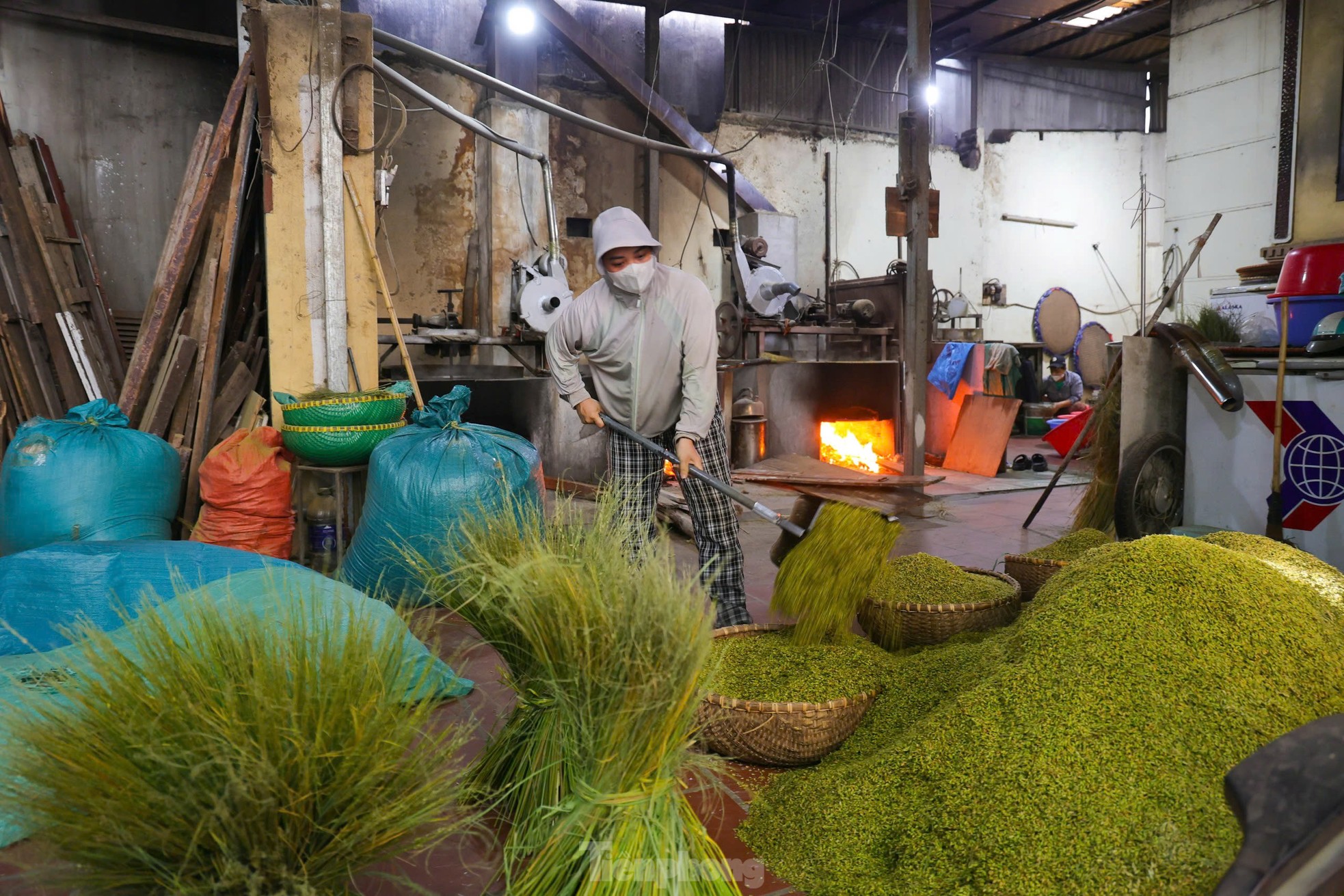 |
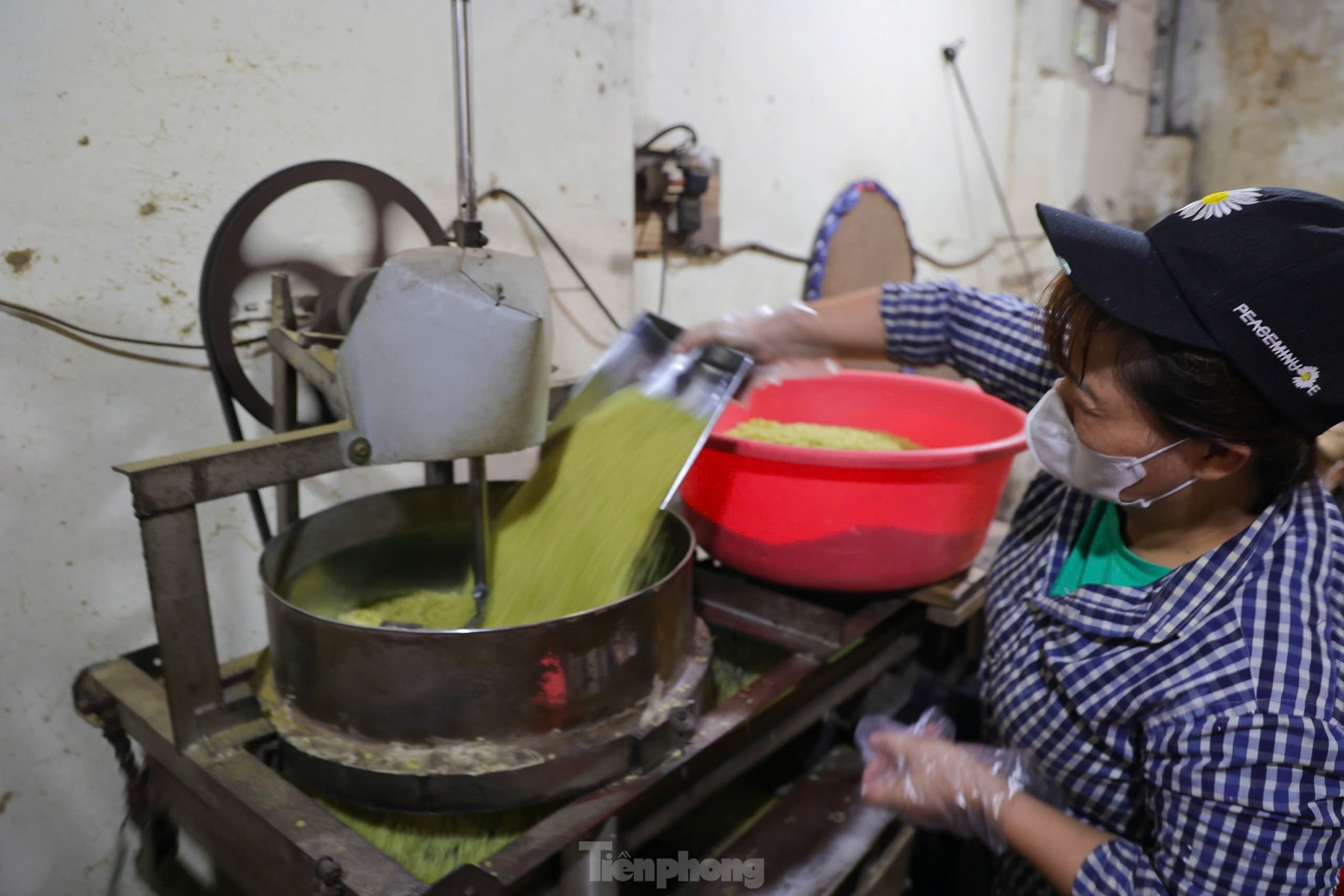
Me Tri has Thuong and Ha villages, with many families engaged in the craft of making puffed rice. From the end of June to October of the lunar calendar each year, the people here are busy preparing for the biggest puffed rice harvest of the year. From dawn until late at night, they are always working tirelessly to produce batches of fragrant and chewy puffed rice to meet consumer demand. |
   |
| The traditional craft of making sticky rice flakes in Me Tri (Nam Tu Liem district, Hanoi) has been included in the List of 17 National Intangible Cultural Heritage sites by a decision of the Ministry of Culture, Sports and Tourism. |


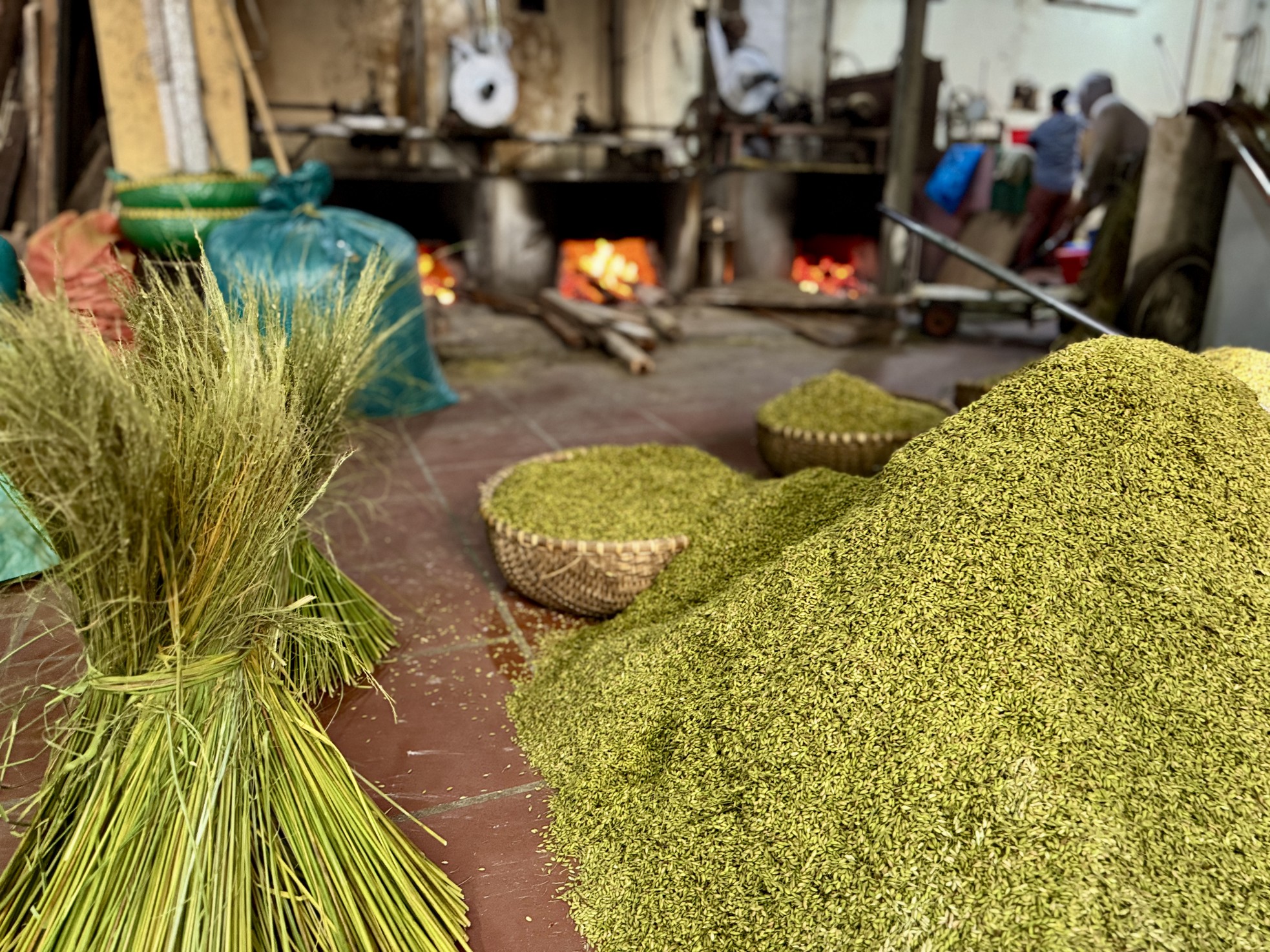 |
| The process of making cốm (roasted rice flakes) is quite elaborate, and the main ingredient is glutinous rice. There are many types of glutinous rice that can be used to make cốm, such as Luong Phuong glutinous rice, fragrant glutinous rice, Tan glutinous rice, Quynh glutinous rice, and Cai Hoa Vang glutinous rice… |
 |
Ms. Tu Lan (owner of a traditional rice flake making business in Me Tri Ha) shared about her family's rice flake making tradition: "My family has been making rice flakes since our ancestors' time, passed down from father to son until today. Currently, there are about one hundred households in Me Tri village still practicing the rice flake making craft." |
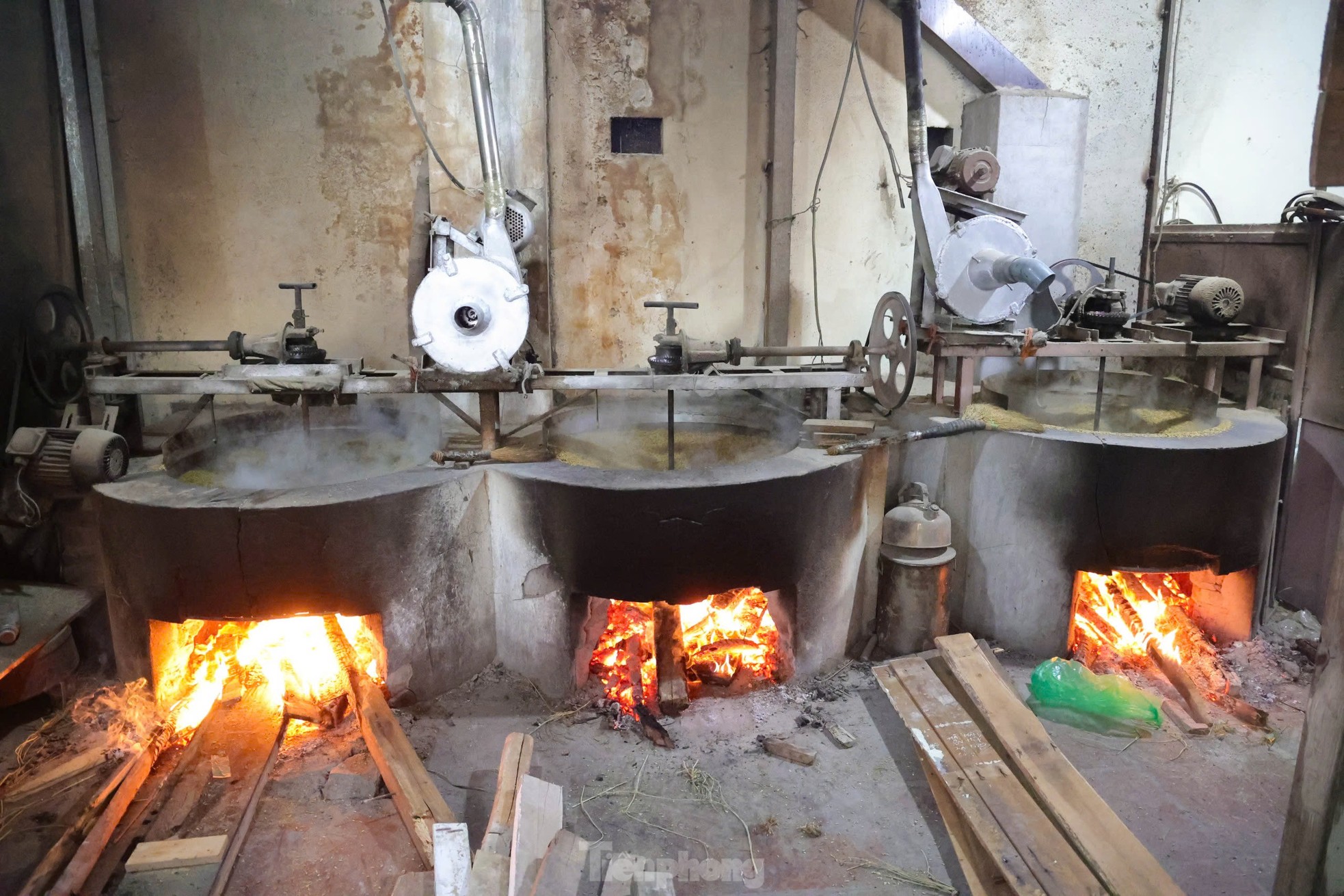 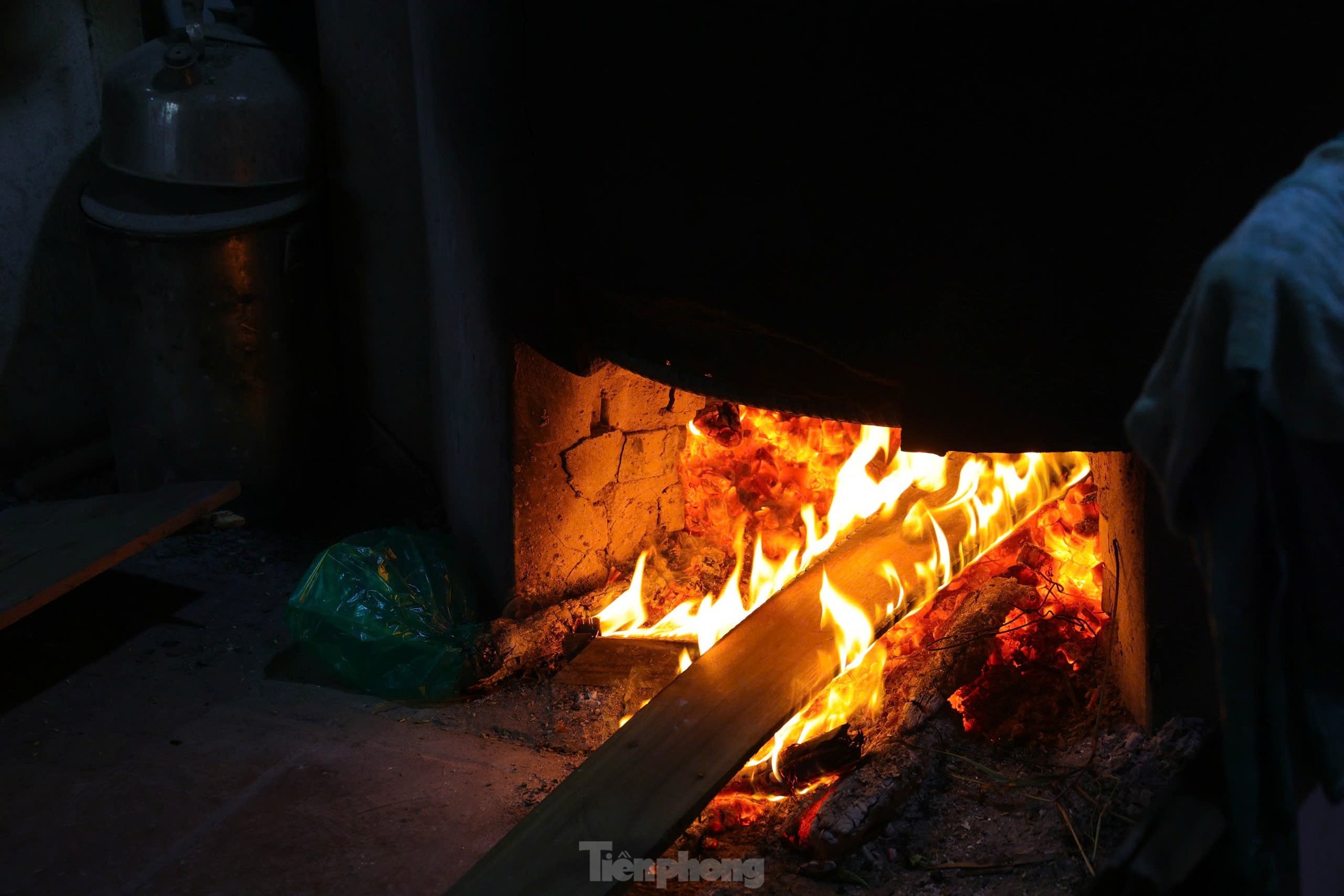 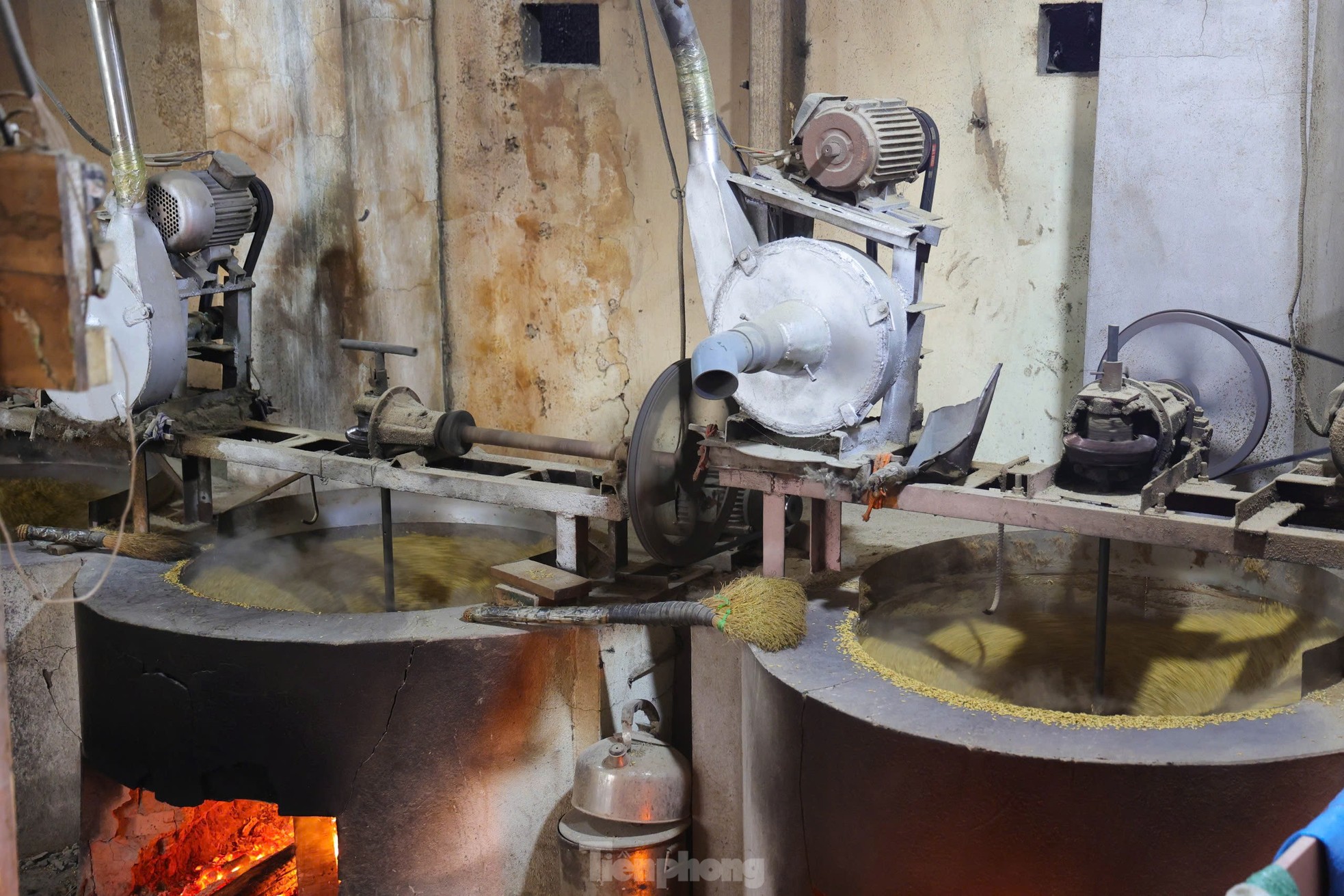 |
| When roasting rice flakes, the villagers use firewood instead of charcoal to preserve the original aroma. Initially, a high fire is used, but it must be reduced as the rice flakes begin to brown. Too much heat will burn the rice, and too little heat will result in unappetizing flakes. Each batch takes about two hours to roast. |
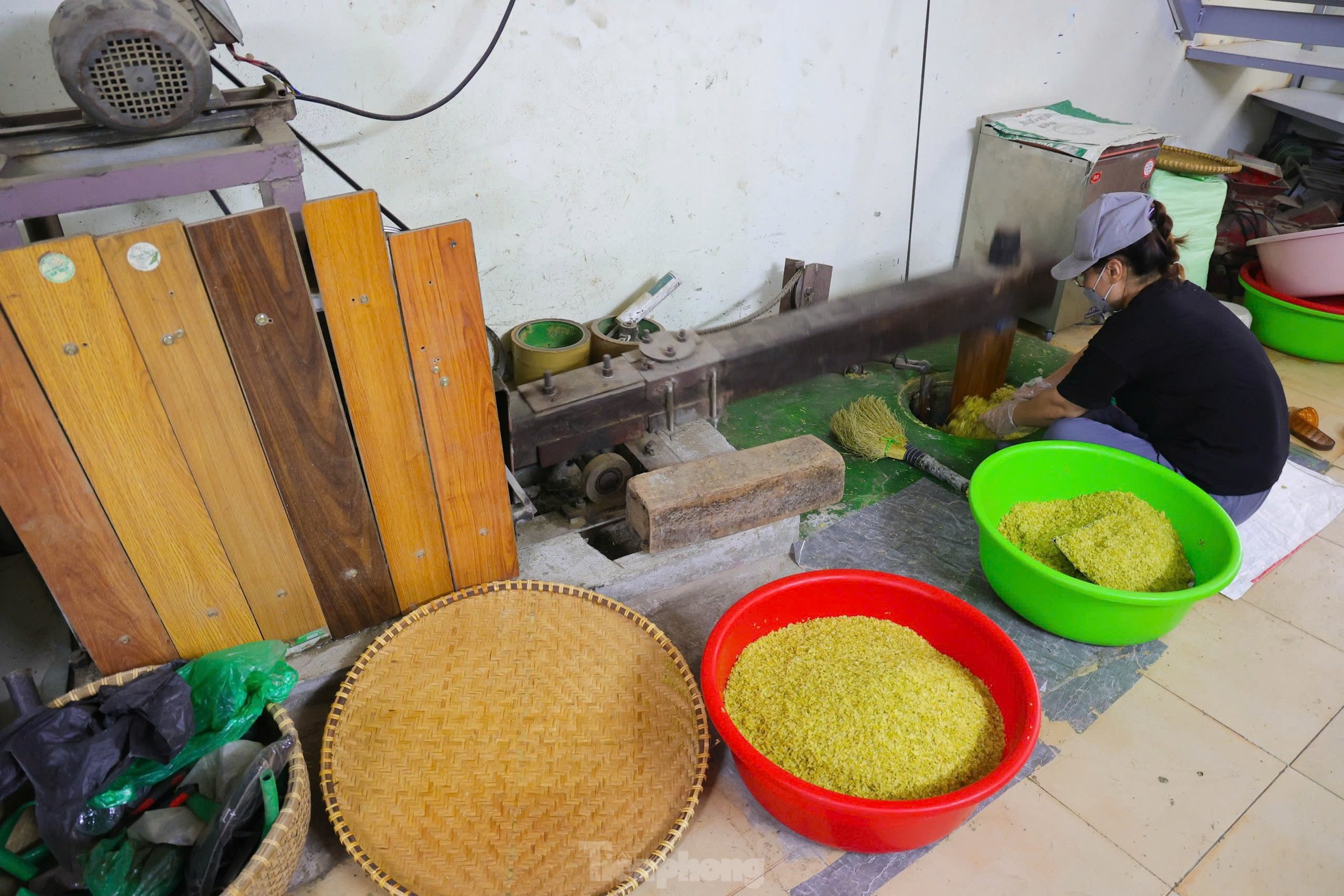 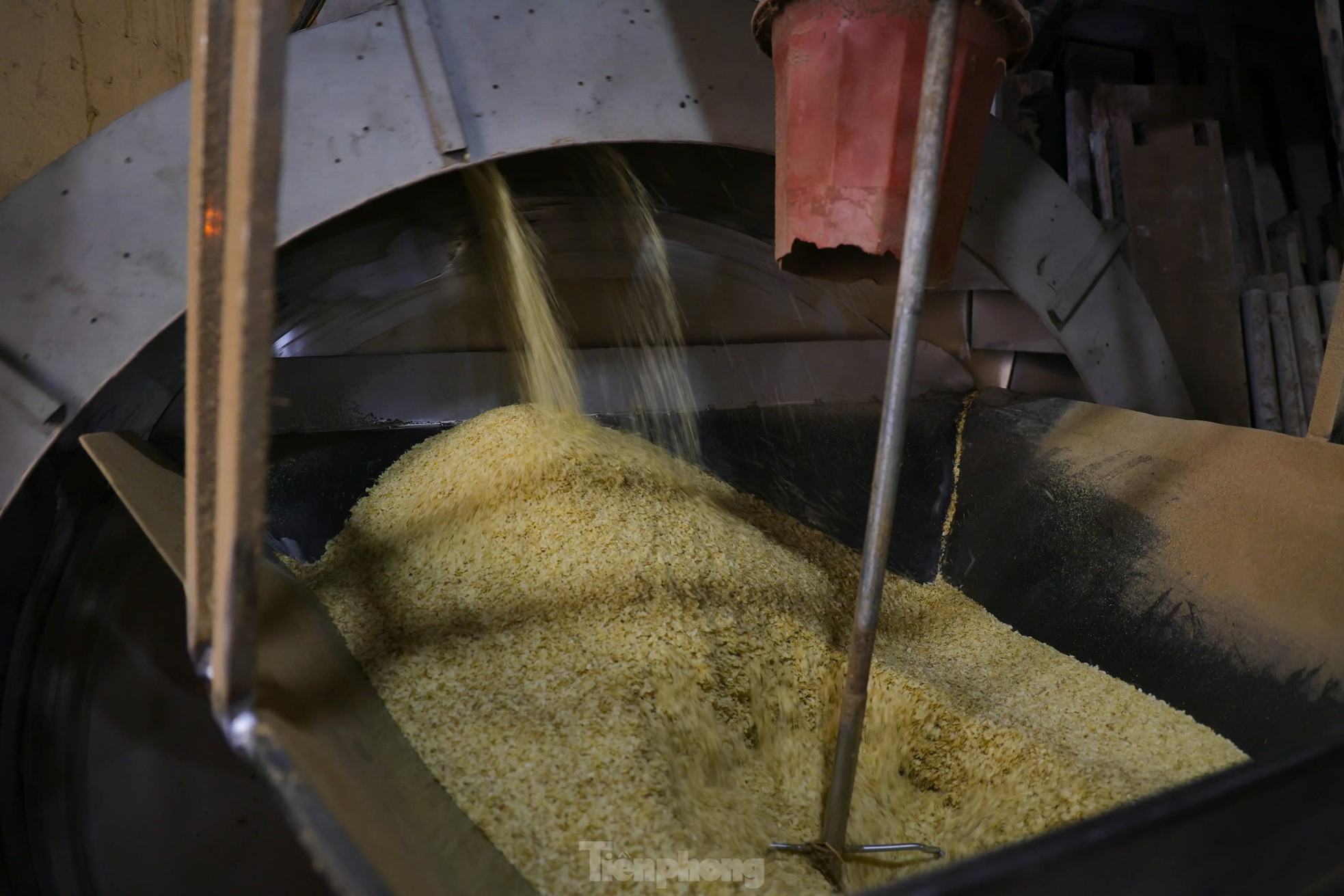 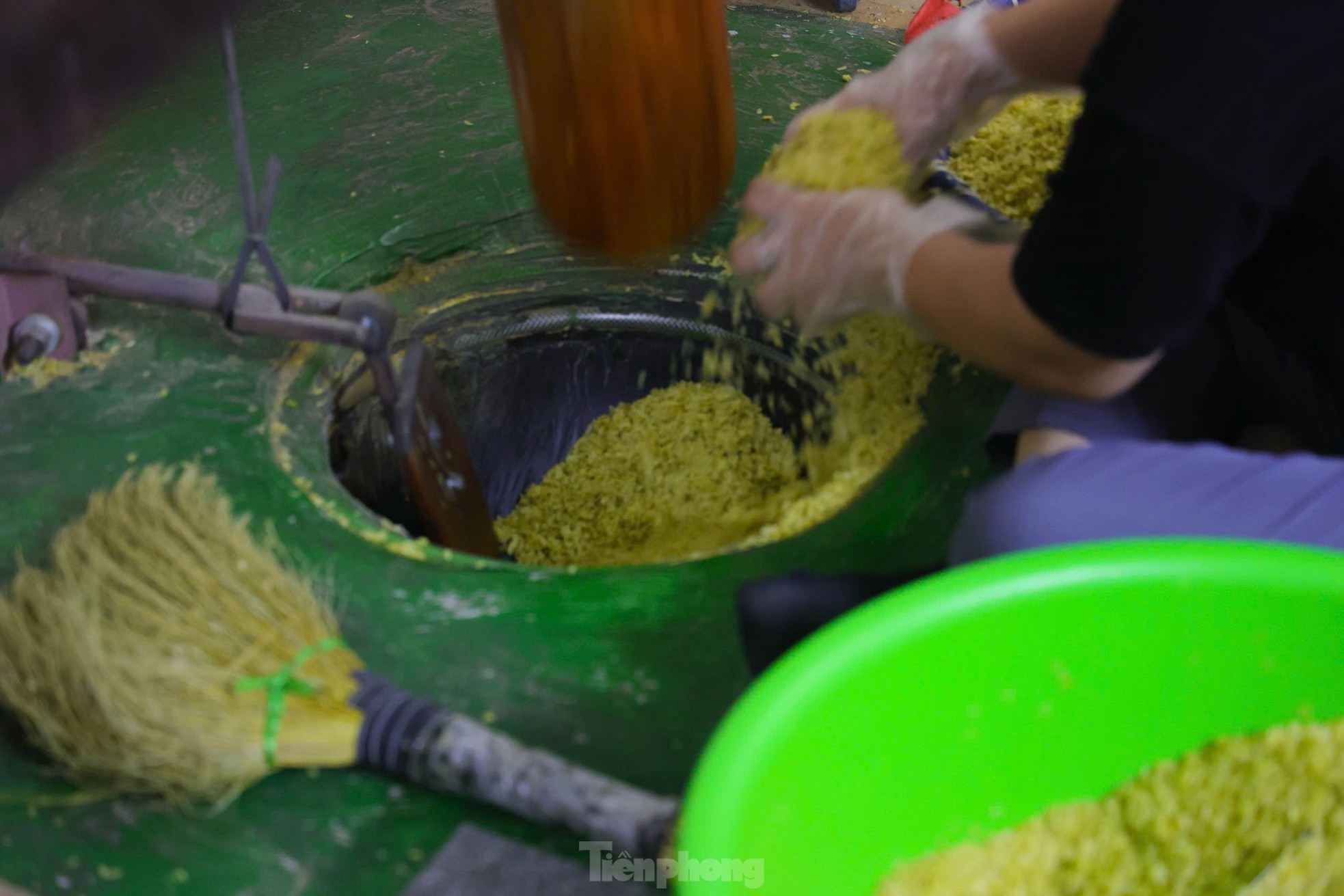 |
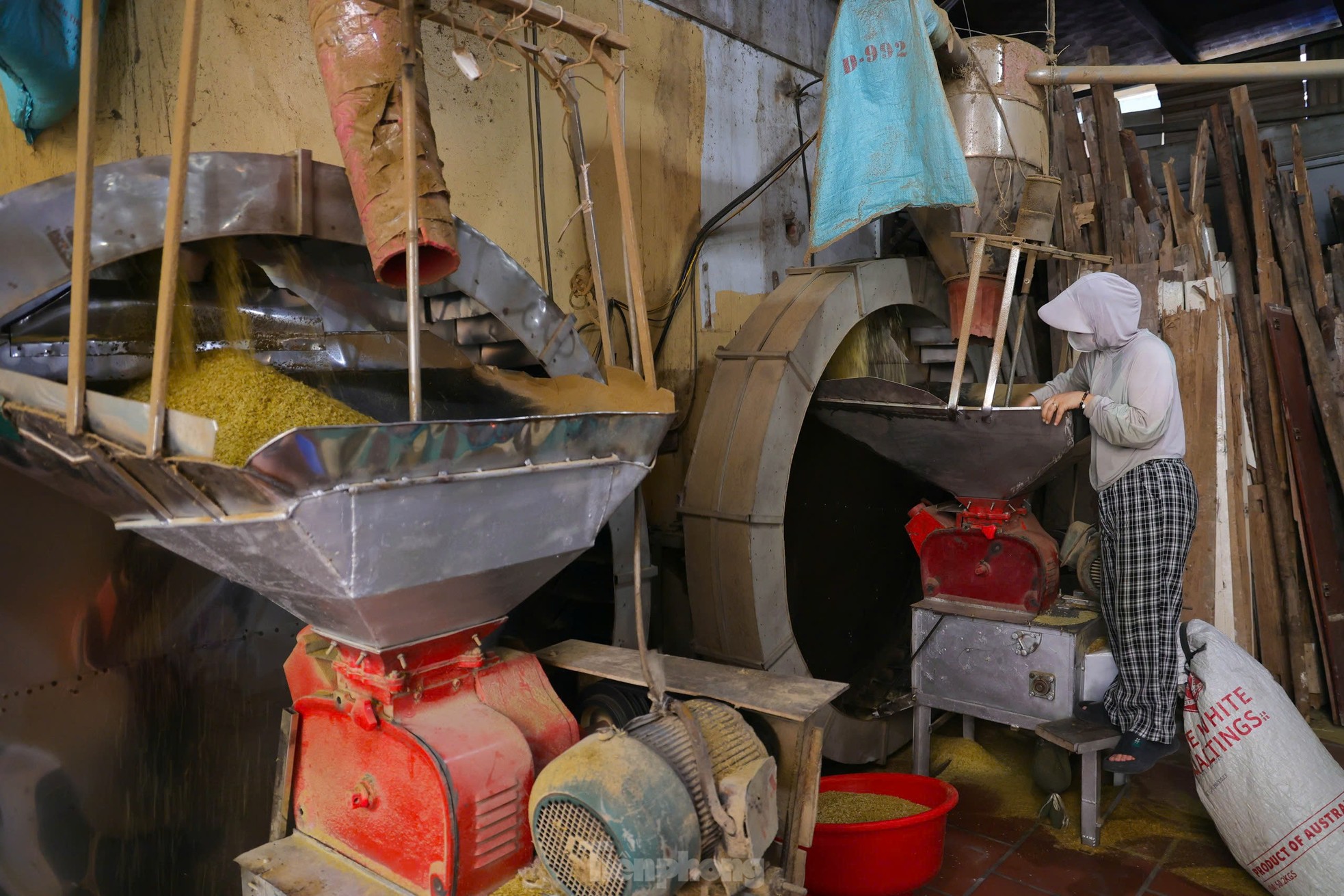
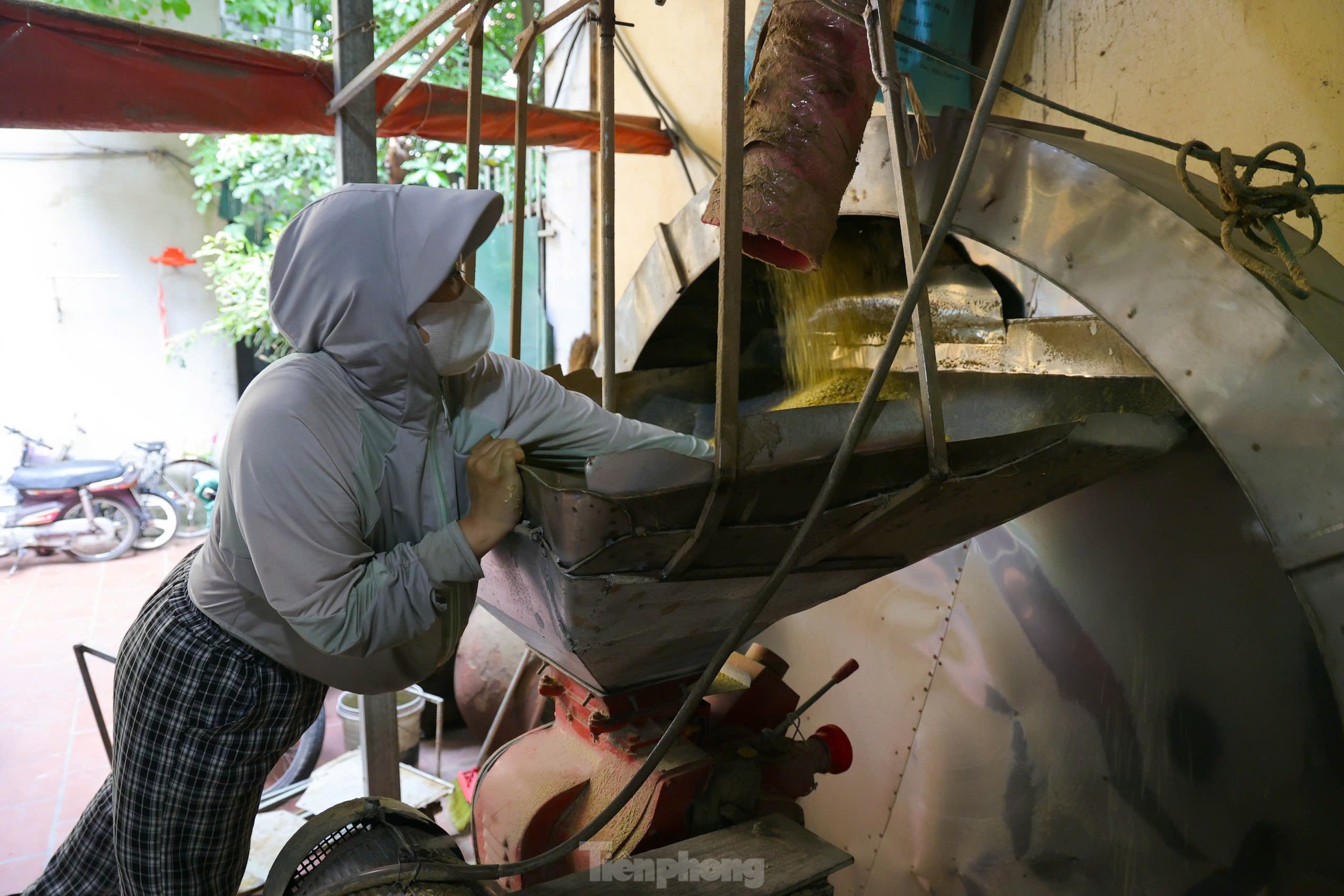
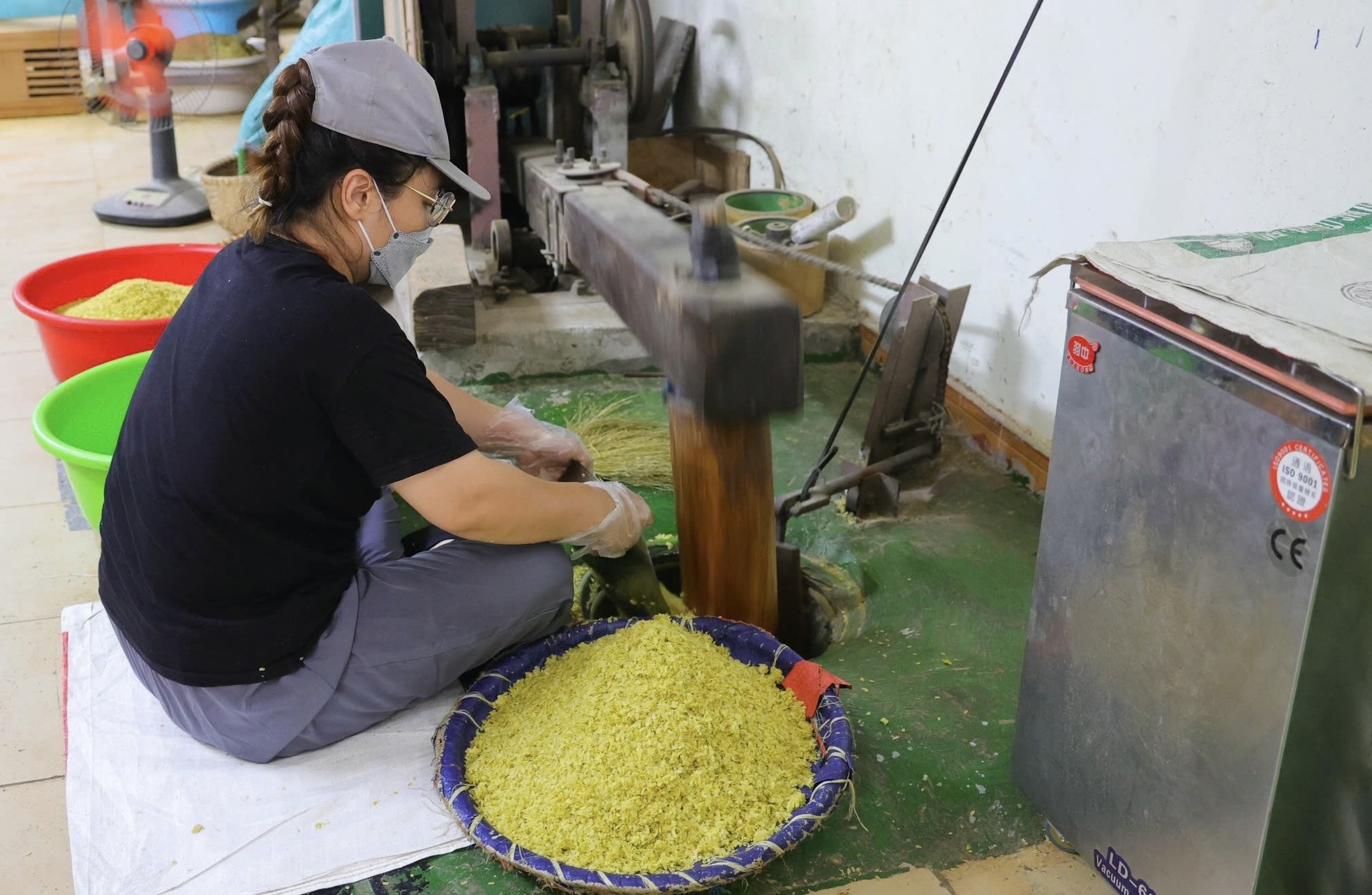
| The quality of the finished rice flakes mainly depends on the elaborate and meticulous process that the people of Me Tri have mastered. The process of making rice flakes involves many steps, including roasting, sifting, and pounding... From the beginning to the finished batch of young rice flakes, it takes about 4-5 hours or more. "The secret to making delicious rice flakes starts with choosing the right time to harvest the rice. When the rice is in its 'young' stage, you have to constantly check the rice to see when the grains are just starting to milk, then harvest them. One hundred kilograms of rice, depending on the quality of the grains, will yield 17-18 kilograms of finished rice flakes," Ms. Tu Lan said. |
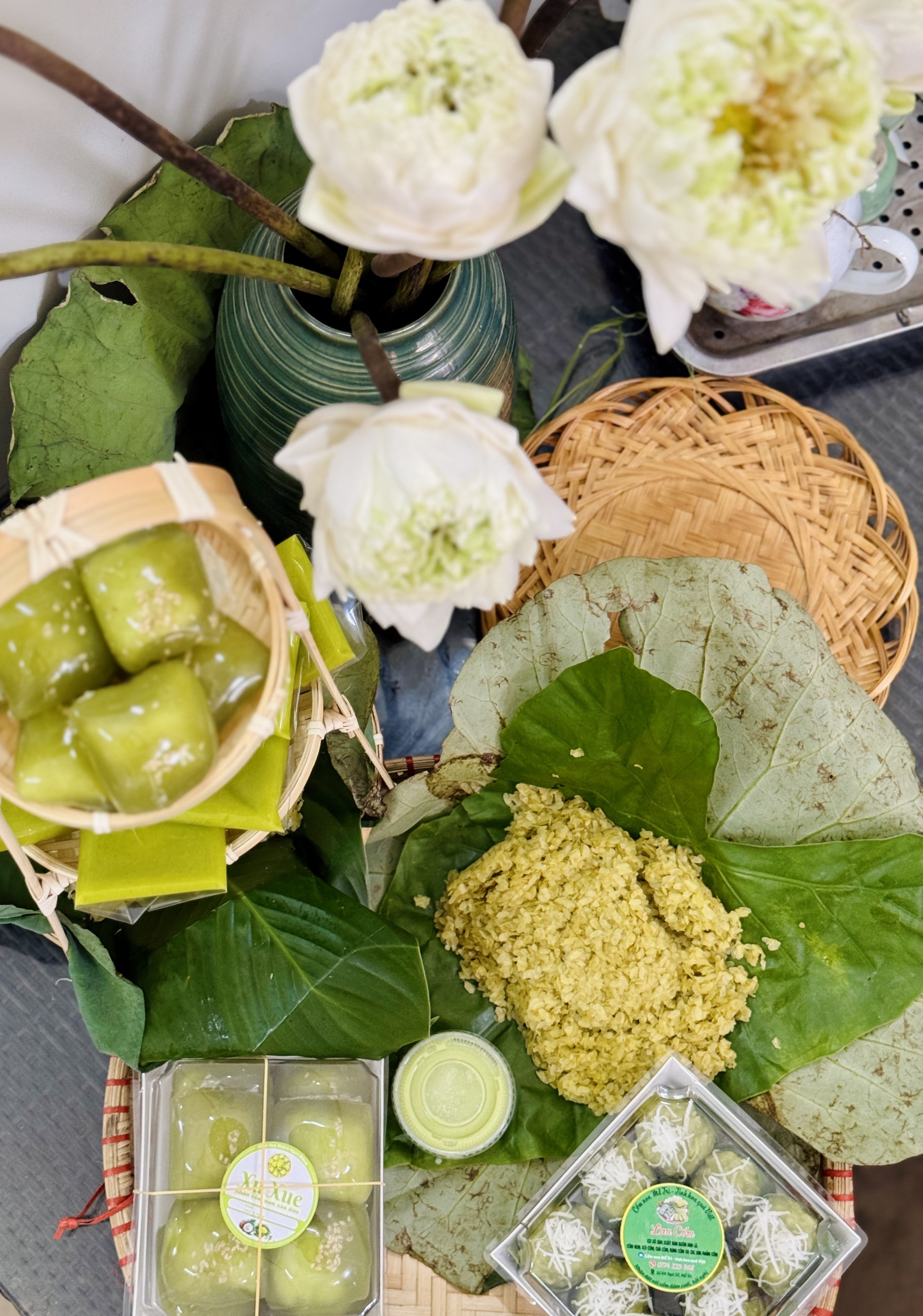 |
Nowadays, the process of making green rice flakes is done on machinery, which reduces labor and produces a large quantity of products while maintaining their delicious flavor and quality. Besides the traditional green rice flakes, other products such as sticky rice with green rice flakes, green rice flake cakes, mochi, etc., are also warmly received by consumers.  Senior Party and State leaders send letters and telegrams congratulating the United States on its National Day.In congratulatory letters and messages on the US Independence Day, senior leaders of the Vietnamese Party and State reaffirmed that Vietnam considers the United States one of its strategically important partners. Senior leaders of the Vietnamese Party and State send letters and telegrams congratulating the United States on its National Day.In congratulatory letters and messages on the US Independence Day, senior leaders of the Vietnamese Party and State reaffirmed that Vietnam considers the United States one of its strategically important partners.  Strengthening the friendship between Vietnam and the United States.On July 3rd, as part of the Pacific Partnership - Friends of the Pacific 2026 program, the U.S. Army Pacific delegation, led by Lieutenant General Joel Vowell, Deputy Commander of the U.S. Army Pacific, paid a courtesy visit to the Quang Tri Provincial Military Command. |
Source: https://tienphong.vn/com-me-tri-do-lua-ron-rang-nhip-chay-gia-com-vao-vu-moi-post1671168.tpo