

According to PC02, the leaked data contains a lot of important information such as full names, ID/citizen identification numbers, bank accounts, etc. This is a large source of data that can be exploited by cybercriminals to create more sophisticated scams.
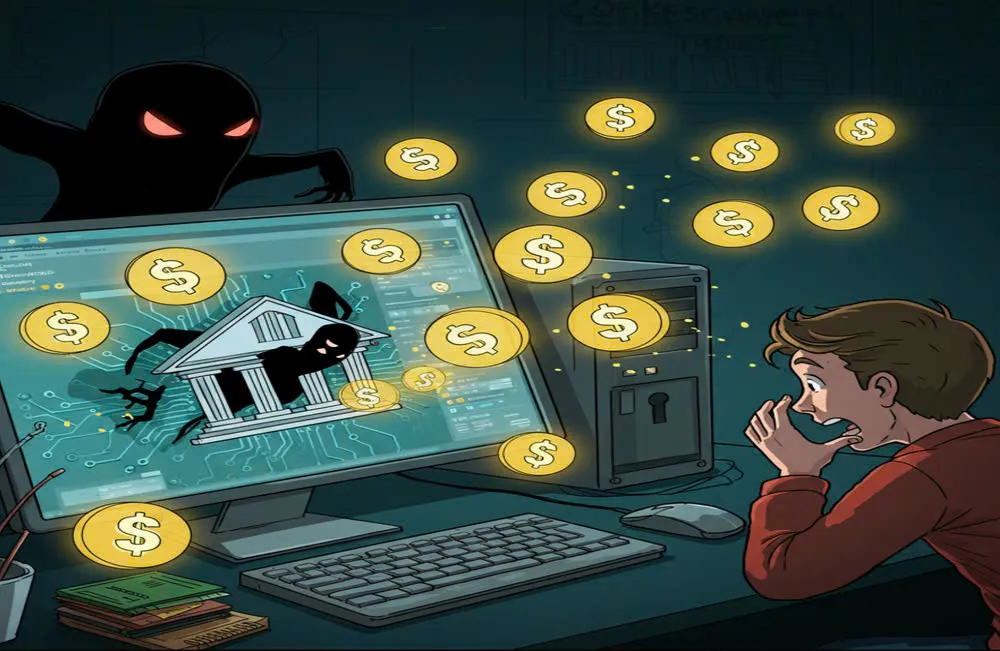
The tactics may escalate:
- Scammers impersonate bank employees, CIC officials, or government agencies to call, text, or email victims with notifications about "bad debt" or "information verification," aiming to trick them into providing their passwords or OTP codes.
- They are advertising services to "clear debt and increase credit card limits," targeting students and workers who urgently need loans.
- Impersonating relatives or superiors to request urgent money transfers.
- Legal threats , impersonating police officers, prosecutors, or judges, making accusations related to "money laundering," and then demanding that victims transfer money to a "secure account."
- Distributing SMS messages, emails, and Zalo messages containing malicious links to steal more personal data.
Vulnerable groups include: students (easily deceived by student loan schemes or part-time job scams), workers and employees (often receiving fake news about bad debt or credit), and older adults with limited technological literacy (easily fooled by fake calls impersonating banks or police).
PC02 recommends that citizens:
- Never provide your password or OTP code to anyone via phone, text message, or email.
- Do not click on suspicious links ; only use the bank's official app or website.
- Upon receiving any unusual information, contact the hotline directly or go to the bank's headquarters or the police station for verification.
- Students and workers don't believe advertisements for "clearing CIC debt" or "quick loans with 0% interest" .
- Families need to regularly remind and guide elderly people on how to recognize scams.
PC02 emphasized that, following the largest data leak ever, cybercriminals have more opportunities to commit fraud because they possess people's real information. Therefore, everyone needs to increase vigilance and stay updated on warnings from the police, banks, and mainstream media to protect their assets.
Previously, the National Credit Information Center (CIC) – a unit under the State Bank of Vietnam – confirmed that a cyberattack with signs of unauthorized access aimed at stealing personal data had occurred, detected on September 10th.
Immediately after the incident occurred, CIC coordinated with the Vietnam National Cyber Emergency Response Center (VNCERT) and information security companies to implement technical measures, identify the risk, and collect evidence. The amount of leaked data has not yet been announced, but information about the sale of CIC data has appeared on some foreign forums.
CIC affirmed that the system is still operating normally and without interruption. Authorities also warned that exploiting, buying, selling, or sharing leaked personal data is illegal and will be severely punished.
This is considered a particularly serious incident, creating an urgent need for regulatory agencies to strengthen coordination and enhance defense capabilities to protect the security of the national credit data system.
Source: https://www.sggp.org.vn/cong-an-tphcm-canh-bao-chieu-tro-lua-dao-moi-sau-vu-ro-ri-du-lieu-tai-cic-post812766.html


![[Photo] Prime Minister Pham Minh Chinh attends the Conference on the Implementation of Tasks for 2026 of the Industry and Trade Sector](/_next/image?url=https%3A%2F%2Fvphoto.vietnam.vn%2Fthumb%2F1200x675%2Fvietnam%2Fresource%2FIMAGE%2F2025%2F12%2F19%2F1766159500458_ndo_br_shared31-jpg.webp&w=3840&q=75)





![[Infographic] Credit Information Systems: Notable Results in 2025](https://vphoto.vietnam.vn/thumb/402x226/vietnam/resource/IMAGE/2025/12/17/1765960246041_a20251217151650.jpeg)

















































































Comment (0)