


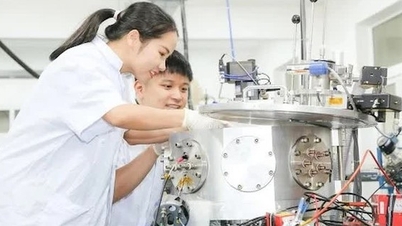
The research team arranged a polymer matrix to coat the surface of the culture substrate, creating an "artificial floor" that mimics the environment inside the body.
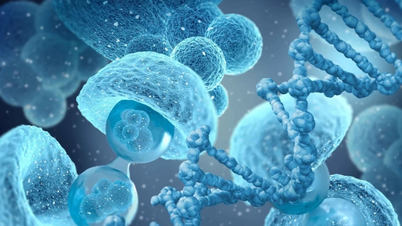
On this platform, human adipose tissue stem cells (hADSCs) are cultured in a 3D structure, allowing for more natural and stable growth compared to traditional methods.
Stem cells derived from adipose tissue are highly valued due to their ease of collection, good proliferative capacity, and low risk of immune rejection. However, two-dimensional (2D) culture methods often lead to rapid cell aging and functional decline.
The results showed that stem cells cultured using this platform had better differentiation potential, more effective immune regulation, and significantly increased survival rates in the body.
This study demonstrates that it is possible to simultaneously enhance the function and therapeutic efficacy of stem cells through 3D culture media.
Source: https://www.sggp.org.vn/cong-nghe-nuoi-te-bao-goc-3d-post850708.html
![[Photo] General Secretary and President To Lam presides over the meeting to approve the draft report on the results of the second inspection by the Politburo of the Standing Committee of the Hanoi City Party Committee.](https://vphoto.vietnam.vn/thumb/1200x675/vietnam/resource/IMAGE/2026/05/26/1779789811432_a2-bnd-4430-9620-jpg.webp)




































































































Comment (0)