

Everyone wants to live a long life, but what's more important is living a long life in good health, maintaining mobility, cognitive abilities, and quality of life. For many years, studies on aging have shown that longevity doesn't depend on a single factor but is influenced simultaneously by many daily lifestyle behaviors.
- 1. Even small changes can benefit cardiovascular health.
- 2. Three pillars of healthy longevity
- 2.1 Diet: Adequate, varied, and balanced
- 2.2 Sleep: A fundamental element of body recovery
- 2.3 Physical activity: Not necessarily strenuous, but regular.
A new study published in 2026 in the European Journal of Preventive Cardiology analyzed data from 53,242 adults in the UK Biobank database, with an average follow-up time of approximately 8 years. The results showed that the combination of sleep, physical activity, and nutrition is strongly associated with the risk of major cardiovascular events such as myocardial infarction, stroke, and heart failure.
It's worth noting that benefits don't only appear with major changes. Even small adjustments, when maintained consistently, can have cumulative effects over the long term.
1. Even small changes can benefit cardiovascular health.
According to the study, simply sleeping an extra 11 minutes each night, increasing daily moderate-to-vigorous physical activity by 4.5 minutes, and adding about a quarter cup of vegetables to your daily diet were associated with a 10% reduction in the risk of major cardiovascular events.
Those with more optimal lifestyle patterns—including 8–9 hours of sleep per night, 42 minutes of moderate-to-vigorous physical activity per day, and maintaining a good quality diet—had a 57% lower risk of cardiovascular events compared to those with less healthy lifestyles. This finding is consistent with the view of many medical organizations that small but sustainable changes are often more feasible than large, difficult-to-maintain changes.
2. Three pillars of healthy longevity
2.1 Diet: Adequate, varied, and balanced
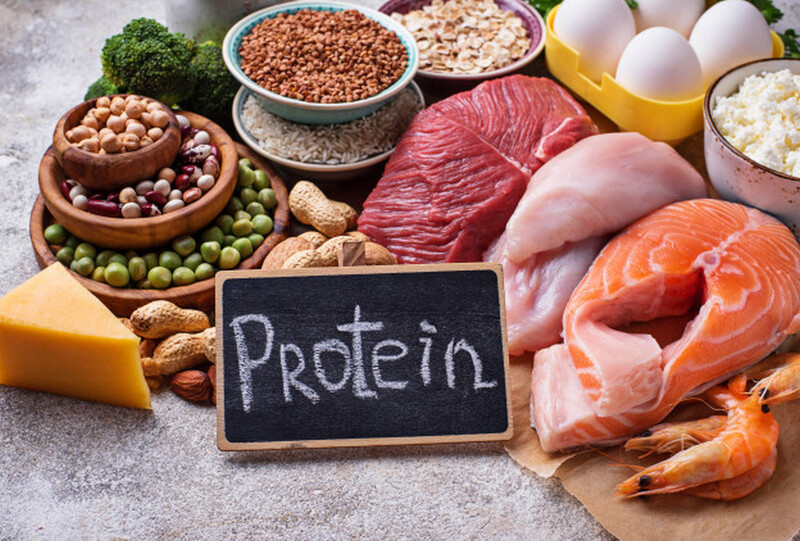
Protein intake needs to be prioritized to maintain muscle mass and immunity in older adults.
Diet is one of the factors that significantly affects aging, metabolism, and cardiovascular health. A practical principle is to eat in moderation, not to overeat. Prolonged overeating can increase the risk of overweight, glucose metabolism disorders, dyslipidemia, and fatty liver disease.
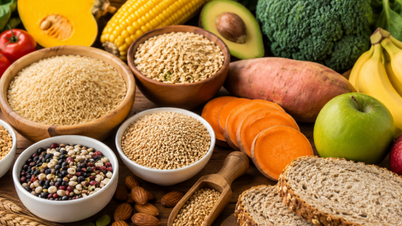
Adults should prioritize fiber-rich foods such as whole grains, green vegetables, fruits, and legumes. According to the Recommended Dietary Allowances for Vietnamese people (2026) of the National Institute of Nutrition, the recommended fiber intake for adults is approximately 18-21g per day.
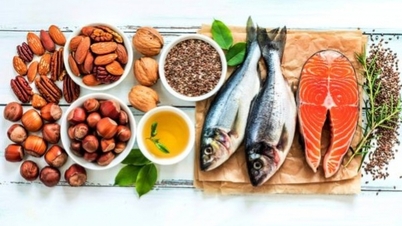
Protein also needs to be emphasized. It is an essential component for maintaining muscle mass, immunity, and tissue repair. In older adults, protein deficiency can increase the risk of muscle loss, weakness, and impaired motor function. Suitable protein sources include eggs, fish, lean meat, milk, tofu, and soy products.
In addition, it's important to diversify your daily diet. Eating a variety of foods ensures you get enough vitamins, minerals, and beneficial bioactive compounds. A simple but helpful habit is to eat slowly and chew thoroughly. This helps the body better recognize the feeling of fullness and reduces the burden on the digestive system.
2.2 Sleep: A fundamental element of body recovery

Sleep not only helps restore energy but is also involved in regulating hormones, glucose metabolism, immunity, and blood pressure. Adults should aim for 7–9 hours of sleep per night. Chronic sleep deprivation can increase the risk of hypertension, cardiovascular disease, obesity, and type 2 diabetes.
Some practical principles that can be applied:
- Try to maintain a relatively consistent bedtime each day.
- Limit your screen time on phones and computers for about an hour before bedtime.
- Keep the bedroom quiet, dark, and cool. A temperature of around 18–22°C is generally considered comfortable for most adults.
- If you take a nap, limit it to about 20–30 minutes to avoid affecting your nighttime sleep.
Daytime physical activity can also help improve sleep quality. However, high-intensity exercise should be avoided too close to bedtime as it can make it difficult to fall asleep.
2.3 Physical activity: Not necessarily strenuous, but regular.

Physical exercise doesn't need to be strenuous, but it should be done regularly...
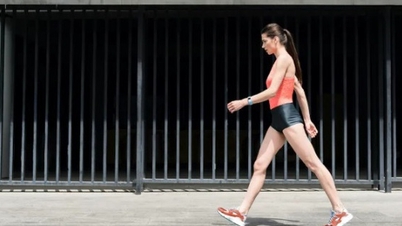
Physical activity is one of the proven ways to reduce the risk of cardiovascular disease, maintain muscle mass, improve metabolism, and support healthy aging. The current recommendation is at least 150 minutes of moderate-intensity physical activity per week, equivalent to about 30 minutes per day for 5 days. Easy forms of exercise include: brisk walking, cycling, swimming, climbing stairs, and light aerobic exercises.
In addition, strength training should be incorporated about 2–3 times per week. Exercises such as squats, resistance band exercises, or light weight training can help maintain muscle mass and musculoskeletal strength, especially in middle-aged and older adults.
People who have been sedentary for a long time should start at a low intensity and gradually increase it. Warming up before exercise and stretching afterward helps reduce the risk of injury. A practical sign of appropriate intensity is that you will sweat slightly, your heart rate will increase moderately, but you can still talk. If you experience chest pain, dizziness, or unusual shortness of breath, you should stop exercising and monitor your health.
Many people believe that living a healthy life requires adhering to a very strict regimen, but the key message from the 2026 study is that long-term health doesn't depend on making drastic lifestyle changes immediately. Evidence suggests a more practical approach is to start with small, easy-to-implement, and sustainable changes. Going to bed a few minutes earlier, taking a short walk, adding more vegetables to your meals—these seemingly small things, when repeated daily, can make a significant difference to cardiovascular health and a longer, healthier life.
Please watch the video for more information:
Source: https://suckhoedoisong.vn/cong-thuc-song-khoe-keo-dai-tuoi-tho-moi-nhat-169260504102740591.htm




































































































Comment (0)