

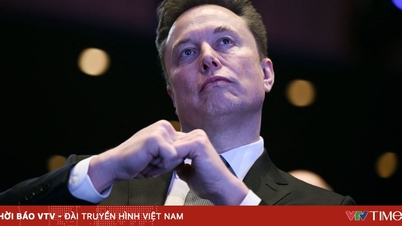
At least four times since 2019, Musk has predicted that his medical device company would begin testing brain implants on humans to treat serious conditions such as paralysis and blindness.
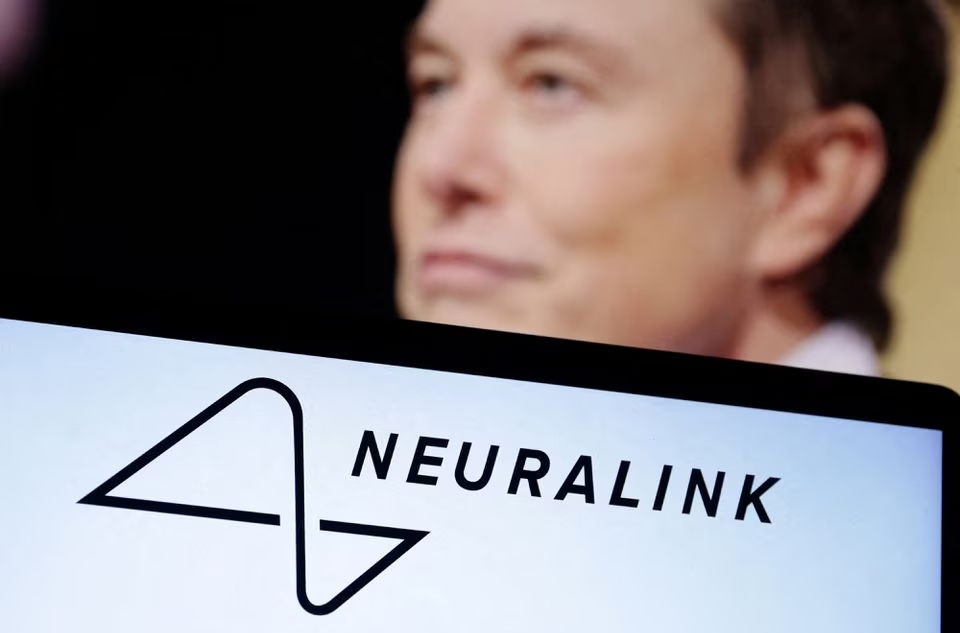
Photo: Reuters
However, Neuralink, founded in 2016, only began applying for FDA approval in early 2022 – and the agency rejected the application. According to Neuralink employees, the FDA raised concerns about the device the company was implanting.
The main issues relate to the device's lithium battery, the possibility of the implant's wires moving within the brain, and the challenge of safely removing the device without damaging brain tissue.
In a tweet on Thursday, Neuralink stated: "This is an incredible result of the Neuralink team's close collaboration with the FDA and marks a significant first step that will one day allow our technology to help more people."
For years, Musk has publicly outlined an ambitious plan for Neuralink. He garnered attention late last year when he said he was so confident in the devices' safety that he would be willing to implant them in his children.
Musk believes that both disabled and healthy people will soon be able to receive implant surgeries at local centers. These devices are intended to treat a range of ailments from obesity, autism, depression, and schizophrenia, to even… enhancing telepathy.
Hoang Anh (according to Reuters, Twitter)
Source


![[Photo] Prime Minister Pham Minh Chinh presides over a meeting on private sector economic development.](/_next/image?url=https%3A%2F%2Fvphoto.vietnam.vn%2Fthumb%2F1200x675%2Fvietnam%2Fresource%2FIMAGE%2F2025%2F12%2F20%2F1766237501876_thiet-ke-chua-co-ten-40-png.webp&w=3840&q=75)



































































![[Infographic] Controlling rabies in pet dogs and cats](https://vphoto.vietnam.vn/thumb/402x226/vietnam/resource/IMAGE/2025/12/21/1766288809667_infographic-kiem-soat-benh-dai-tren-dan-cho-meo-nuoi20251221091138.webp)





















Comment (0)