

The 48-year-old organ donor was admitted to the hospital on May 22nd in critical condition after a traffic accident, experiencing multiple cardiac arrests during transport. Despite successful cardiopulmonary resuscitation, the brain damage was too severe, and the patient was declared brain dead on May 27th. The patient's family decided to fulfill the patient's long-held wish: to donate organs to save the lives of critically ill patients. This is when prejudices take a backseat to offer a chance of survival to other patients teetering on the brink of death.
On the morning of May 28th, under the chairmanship of Lieutenant General, Professor, and Doctor Le Huu Song, Director of the Central Military Hospital 108, the hospital organized a consultation with the participation of experts from within and outside the hospital. The entire organ transplant coordination system was activated: the right liver lobe was transplanted to a 46-year-old male patient with acute liver failure on a background of chronic hepatitis B; the left liver lobe was transferred to Hue Central Hospital for transplantation to a pediatric patient; and the heart was transplanted to a 58-year-old male patient with end-stage heart failure.
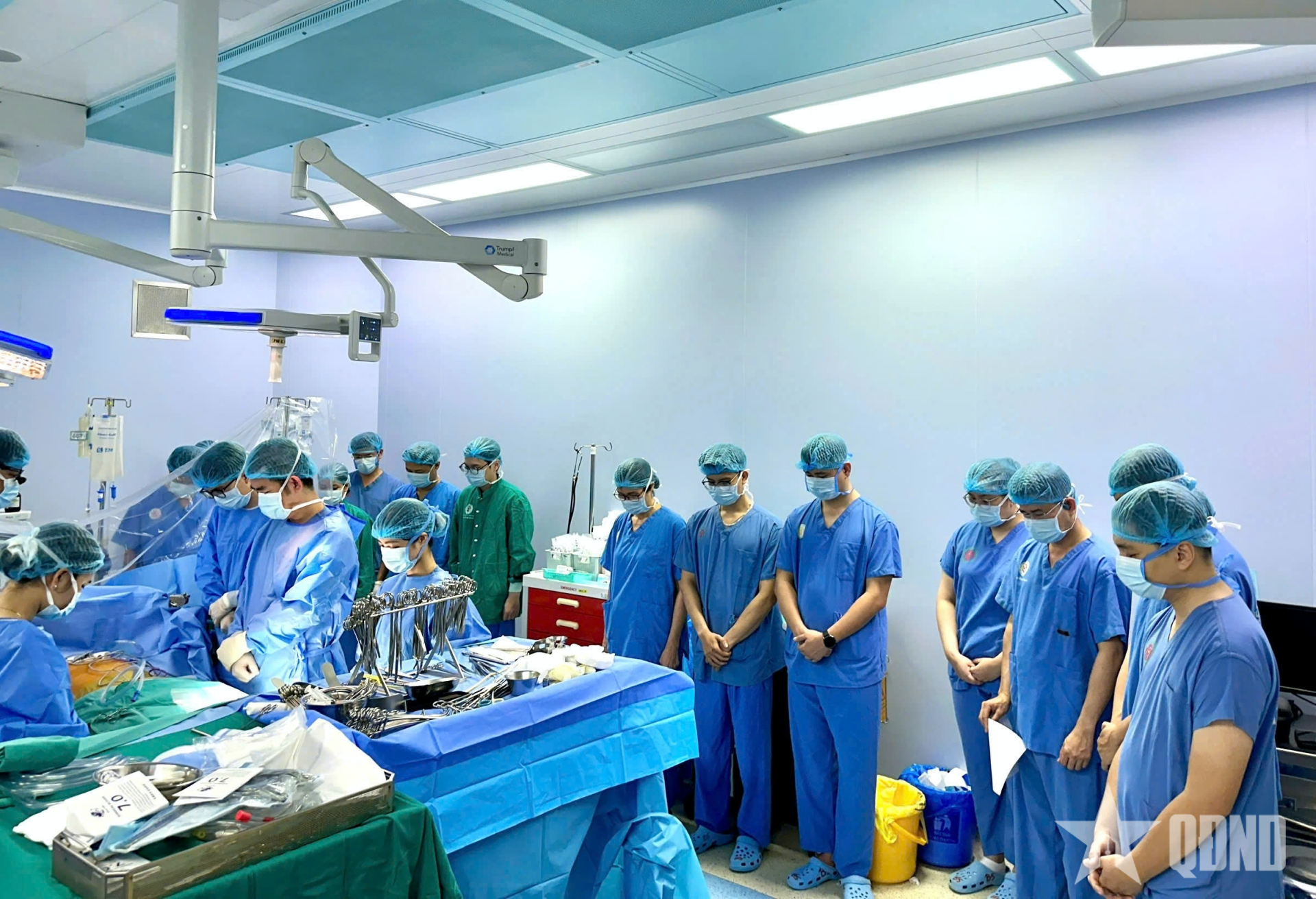 |
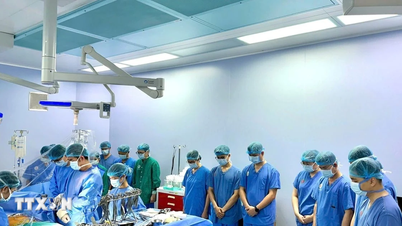
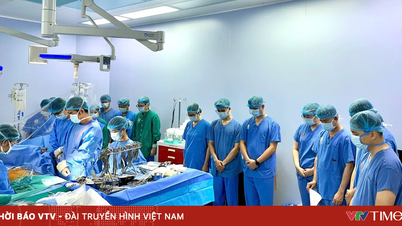
| Expressing gratitude for the noble act of organ donation. Photo: NGUYEN PHUONG |
The heart transplant recipient had end-stage heart failure with severely reduced left ventricular ejection fraction (EF), only about 20%, and was closely monitored in the intensive heart failure management program of the Cardiology Department. According to Lieutenant Colonel, Dr. Nguyen Thi Kieu Ly, Deputy Head of the Cardiology Department, Military Central Hospital 108: “Patients with end-stage heart failure always face the risk of dangerous ventricular arrhythmias, progressive renal failure, thrombosis, stroke, and multiple organ failure. Just one severe acute heart failure episode can cause the patient to lose the opportunity for a heart transplant.”
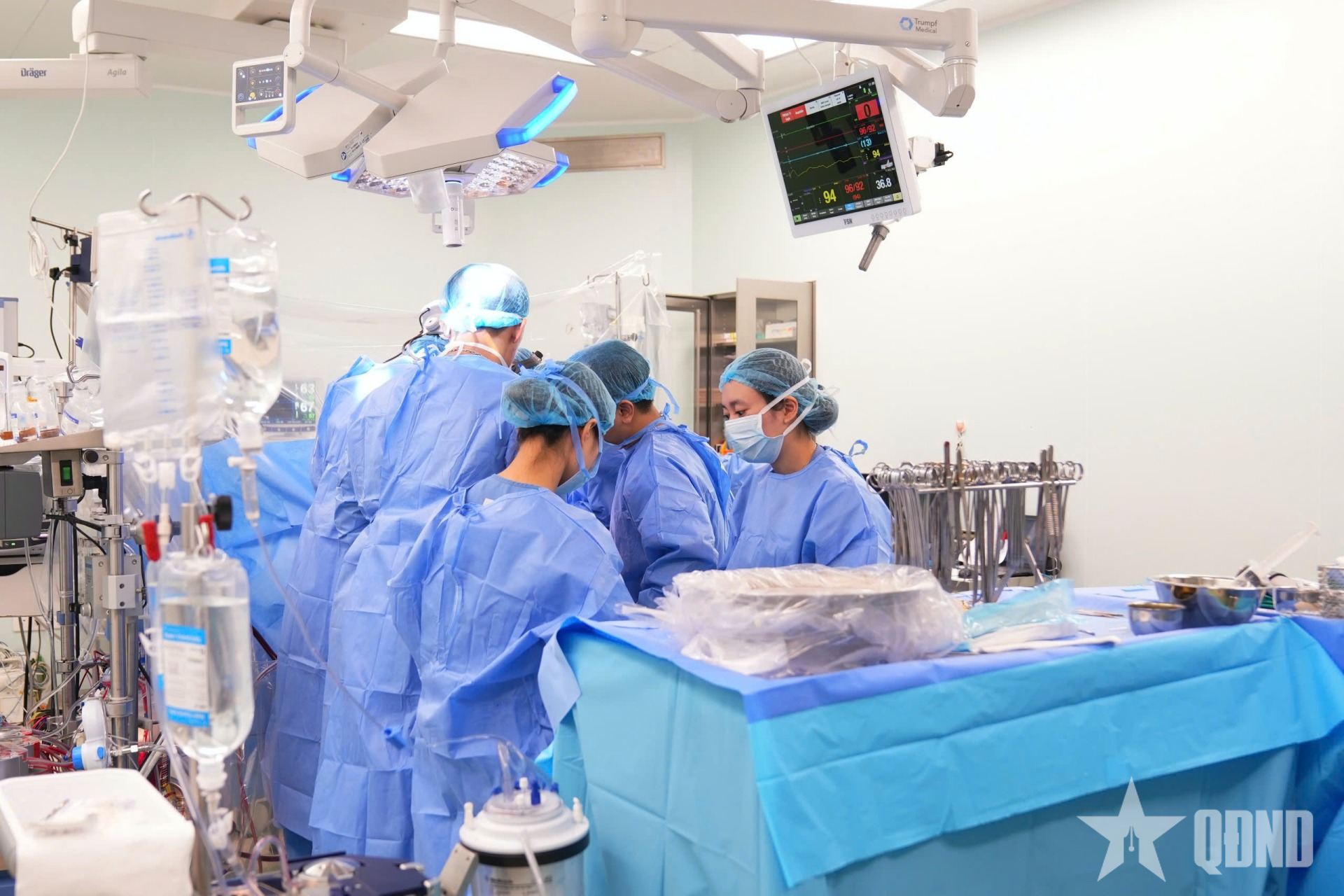
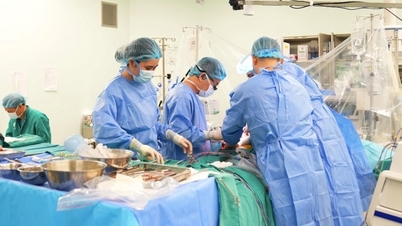
These factors forced doctors and medical staff to quickly "activate" a race against time to keep the patient at the "transplant door." At 8:30 AM on May 29th, the multi-organ harvesting and transplant surgery began. At 10:47 AM, the heart was removed, and at 10:58 AM, the liver was removed.
 |
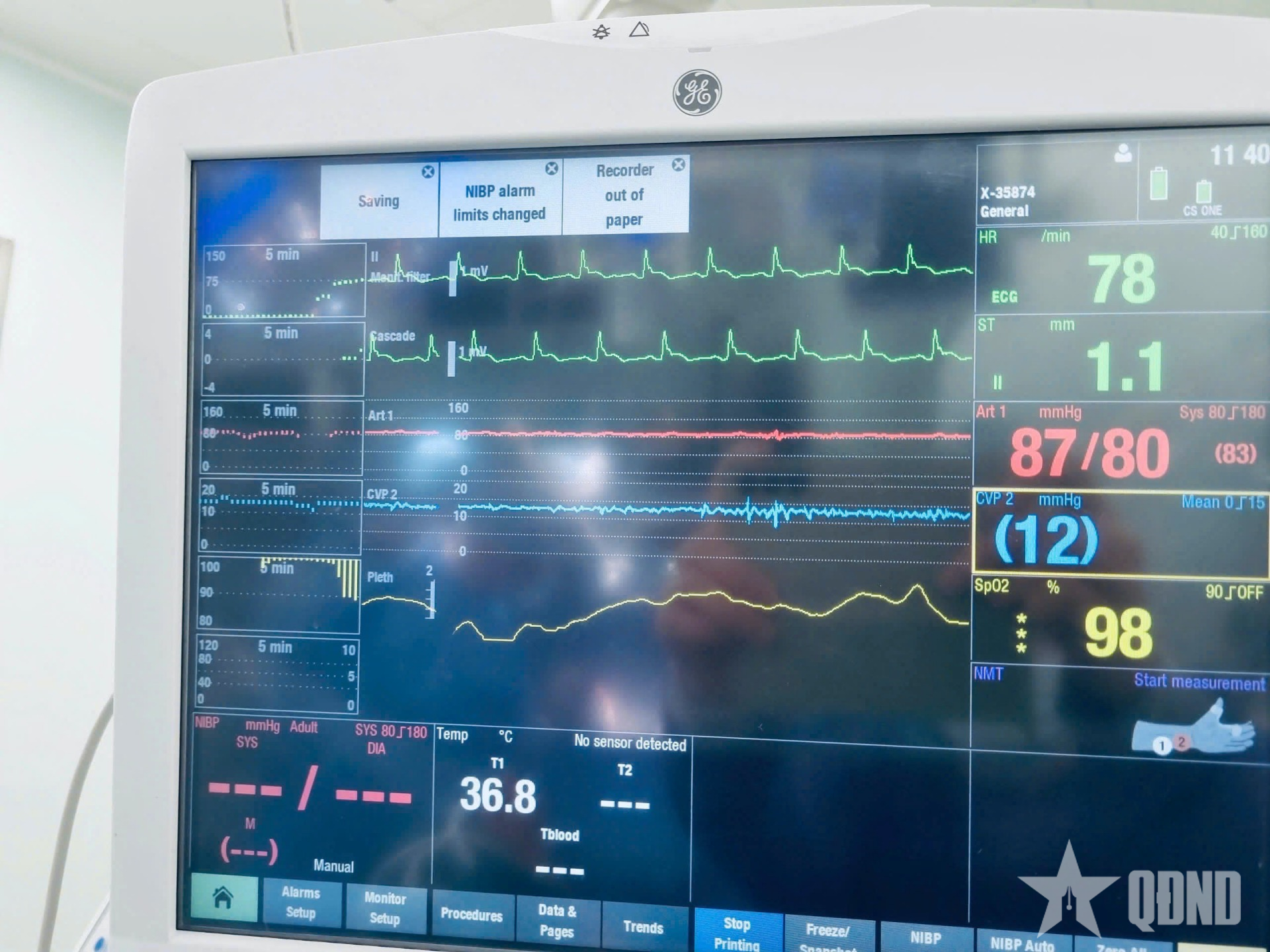 |
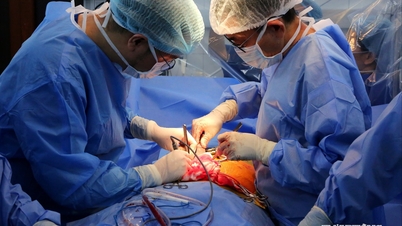
| The moment the heart starts beating again in the chest is a significant moment for both the patient and the doctors and nurses during surgery. Photo: NGUYEN PHUONG |
As the person directly performing the heart transplant, Lieutenant Colonel, Dr. Ngo Tuan Anh, Head of the Cardiovascular Surgery Department, said: “The recipient had prolonged heart failure, a greatly enlarged heart, and hemodynamic instability after the transplant, which posed an extremely high risk. The donor also had many incompatibilities with the recipient, making the possibility of right ventricular failure immediately after the transplant very worrying. The team had prepared contingency plans for all possible complications.”
After the efforts of the entire team, at 11:50 AM, the first heartbeat was heard in the new chest cavity. "The moment the heart beats for the first time is always very special for the heart transplant team," shared Dr. Ngo Tuan Anh.
At the same time, a liver transplant was being performed at Military Central Hospital 108, and the left liver lobe was urgently transferred to Hue Central Hospital for transplantation into a pediatric patient. The liver from a brain-dead donor gave two lives a new lease on life. This is considered one of the most complex techniques in the field of liver transplantation, requiring surgeons to accurately assess liver anatomy and vascular and biliary tract variations; calculate the graft volume to ensure adequate function after transplantation; and coordinate seamlessly between the organ retrieval team, the liver splitting team, and the two liver transplant teams.
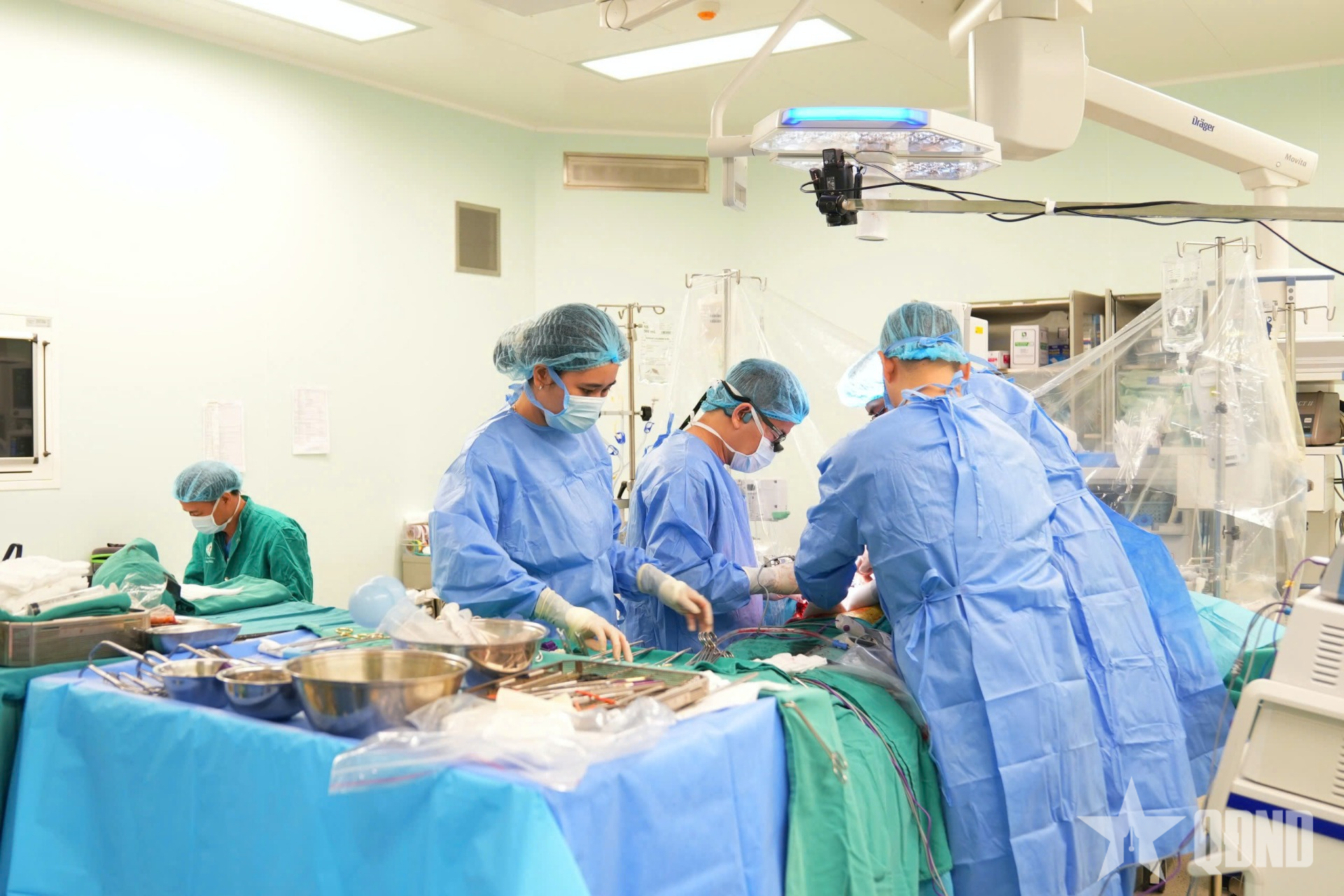 |
The liver transplant was performed at Military Central Hospital 108. Photo: NGUYEN PHUONG |
While inside the operating room the race was to keep patients at the "transplant door," outside, doctors and medical staff were updating themselves on the latest advances in cardiology and in the management of chronic kidney disease, dialysis, and kidney transplantation from scientific conferences held on May 29th and 30th. All the updated medical knowledge and techniques were aimed at the ultimate goal: the health of the patients.
Source: https://www.qdnd.vn/y-te/benh-vien/cuoc-chay-dua-giu-nguoi-benh-o-lai-cua-ghep-tang-1041991

![[Photo] The General Secretary, President and his wife lay flowers at the Ho Chi Minh Monument in Manila.](https://vphoto.vietnam.vn/thumb/1200x675/vietnam/resource/IMAGE/2026/05/31/1780219759477_anh-man-hinh-2026-05-31-luc-16-29-07.png)













![[Video] Sunset at Lap An Lagoon – Where the sun sets over the fishing nets](https://vphoto.vietnam.vn/thumb/340x192/vietnam/resource/IMAGE/2026/05/31/1780192137701_beach-landscape-sea-water-nature-grass-745871-pxhere-com.jpeg)
















































Comment (0)